search
search
add New trip

Saint-Étienne

Population: 170.000 Since: Founded around 600 AD Price: Mid-range

Introduction

Saint-Étienne is a city with a rich industrial heritage, known for its unique architecture and vibrant street life. Visitors can explore its elegant squares and narrow pedestrian streets, which offer a glimpse into the city's past and present.

The city is located near the Pilat Massif and the Furan River, providing a scenic backdrop for both locals and tourists. While it may not be as famous as nearby Lyon, Saint-Étienne has its own charm, with a mix of historical sites and modern amenities.

Sightseeing

Place du Peuple: a square surrounded by attractive buildings.
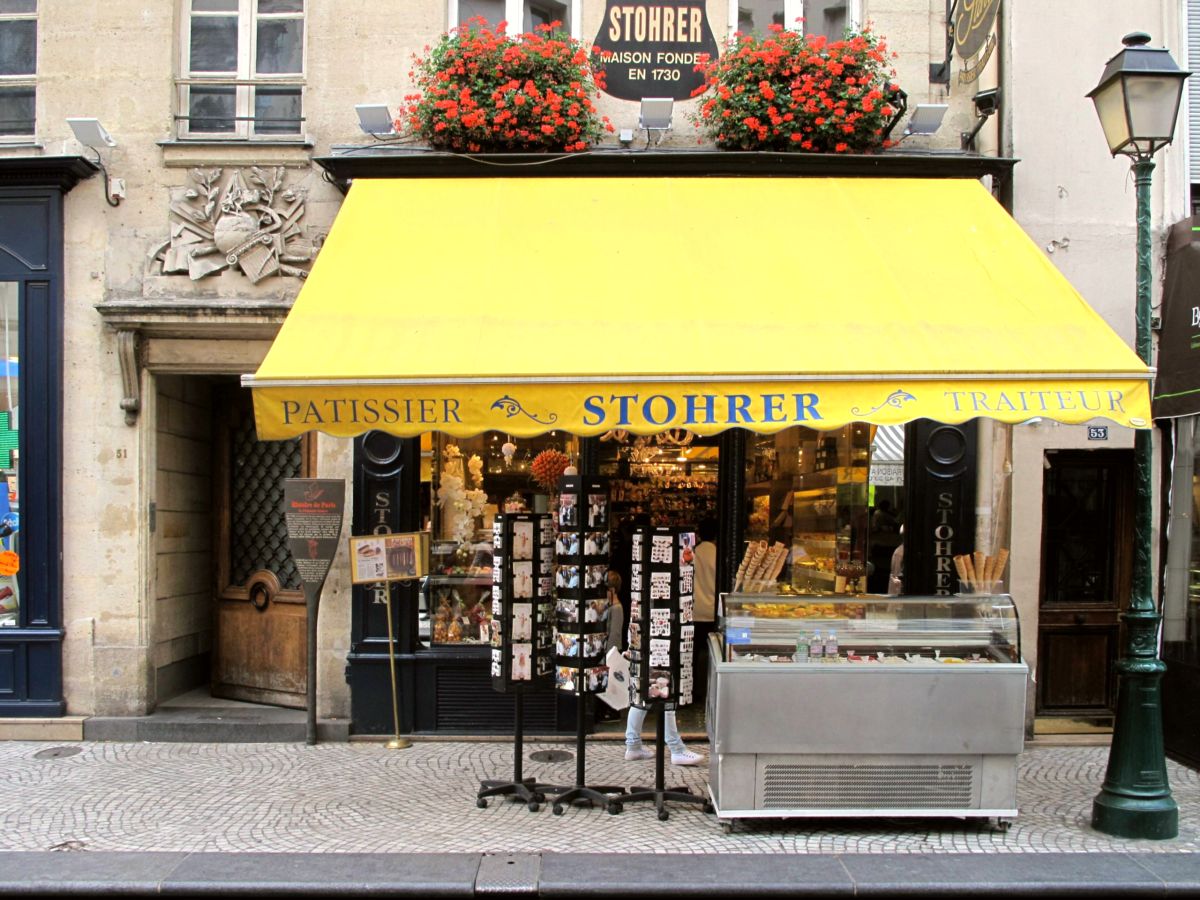
Rue des Martyrs de Vingré: a narrow street with old shop buildings.
Rue Saint-Jean: a pedestrian street with shops and a farmer's market nearby.
Place Dorian: bordered by early 20th-century architecture.
Place Hôtel de Ville: city hall located here, adjacent to Place Dorian.
Place Jean Jaurès: another notable square worth visiting.

"Experience the heart of industrial France"Saint-Étienne

Things to do

Visit the Stade Geoffroy-Guichard: home of AS Saint-Étienne football club.
Explore the local markets: find fresh produce and regional specialties.
Take a walk along the Furan River: enjoy the natural scenery.
Attend a local football match: experience the local sports culture.
Local food and drinks - Saint-Étienne

Local food and drinks

La Friterie: known for its delicious fries.
La Cabane: offers a cozy atmosphere with local dishes.
GreenBae: a vegetarian spot with fresh options.
Super Food Station: casual dining with various choices.
Chez Les Fondus: specializes in traditional French cuisine.
Local traditions - Saint-Étienne

Local traditions

Saint-Étienne's Carnival: celebrated with parades and music.
Fête de la Musique: a city-wide music festival in June.
Local artisan markets: showcase crafts and regional products.
Annual football matches: a significant part of local culture.
History - Saint-Étienne

History

Saint-Étienne's history dates back to Roman times when it was known as Furanum, named after the Furan River. The first written mention of the city appeared in 1258, referring to it as Sancti Stephani de Furano, named after Saint Stephen. The city grew as an industrial center, particularly known for its arms manufacturing during the French Revolution. Despite its industrial roots, Saint-Étienne has evolved into a city that balances its historical significance with modern development.

Things to know

Public transport can be limited on weekends, so plan accordingly.
Some areas may feel less tourist-friendly, especially at night.
Watch for pickpockets in crowded places.
Not all attractions have English signage, so a translation app can help.

Do's and don'ts

Explore the pedestrian streets for local shops.
Try the regional cuisine at local restaurants.
Visit the local markets for fresh produce.
Attend a football match for a local experience.
Don't assume all locals speak English fluently.
Don't miss out on trying local specialties.
Don't wander alone in poorly lit areas at night.
Don't rush through the city; take your time to explore.

Good to know

Accessibility: The city has some wheelchair-friendly areas but also steep streets.
Price level: mid-range