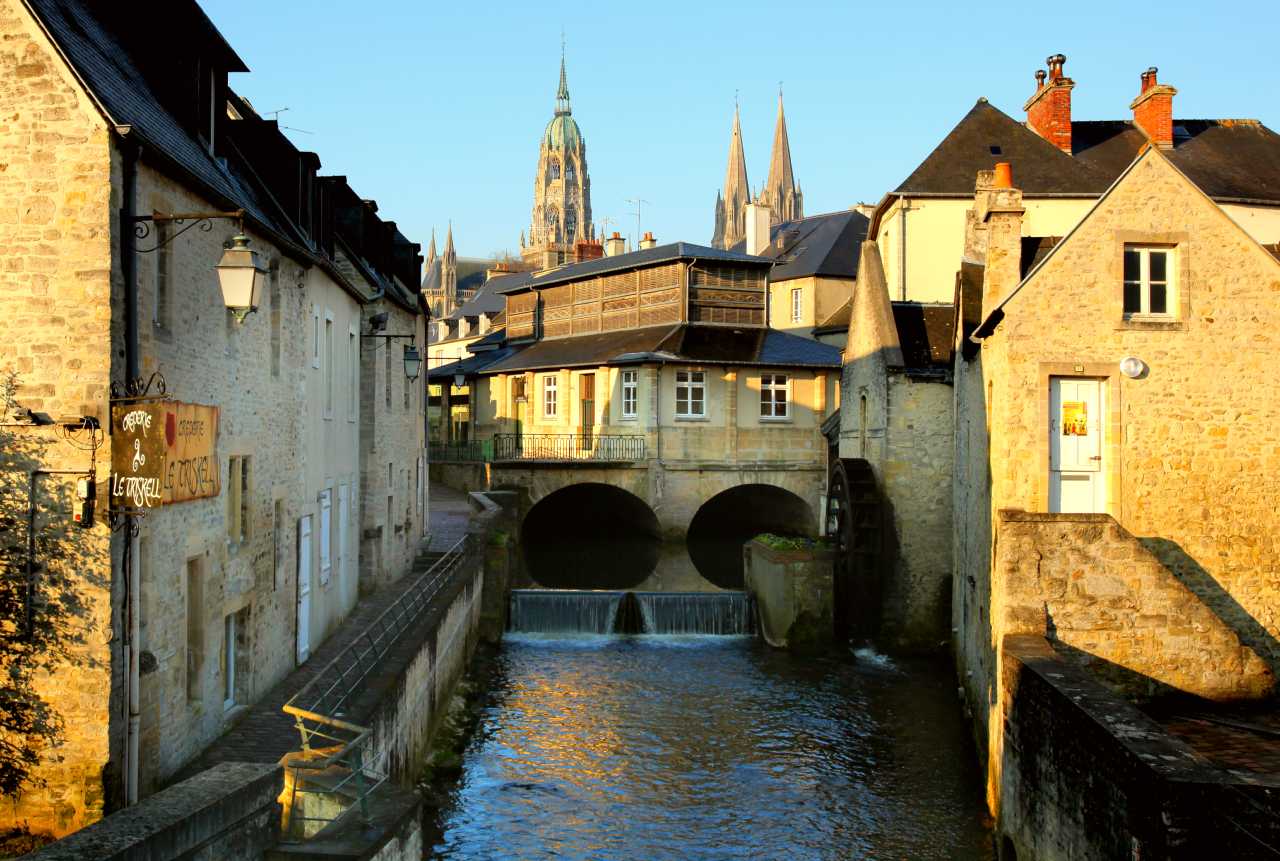
Bayeux
Bayeux offers a unique blend of history and charm. Visitors can stroll through its cobblestone streets, lined with medieval buildings and quaint shops. The atmosphere is relaxed, making it easy to explore at your own pace.
Read more
The town is particularly known for its connection to significant historical events. The Bayeux Tapestry, which narrates the Norman Conquest, is a focal point for many travelers. The remnants of World War II history are also present, adding depth to the experience.
Highlights
Bayeux Tapestry Museum
Famous tapestry depicting the Norman Conquest
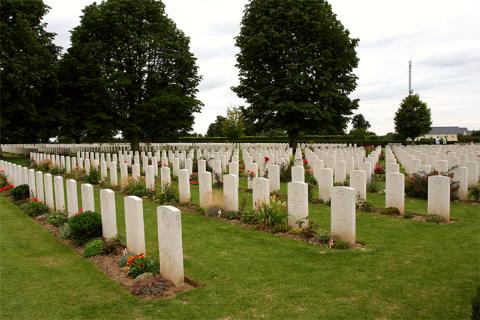
Bayeux War Cemetery
The largest British military cemetery in France
Cathedral of Bayeux
A stunning example of Gothic architecture
Museum of the Battle of Normandy
Learn about D-Day and the Battle of Normandy
Sightseeing
Things to do

Local food and drinks

Local traditions
Do's and don'ts
Practical
At a glance
- Founded
- 1000 AD
- Population
- 13.000
- Accessibility
- Most areas are walkable, but some streets are uneven.
- Price level
- Mid-range
Things to know
History
Bayeux has a rich historical background, notably linked to the Norman Conquest of England in 1066. The Bayeux Tapestry, created shortly after the event, serves as a visual record of this pivotal moment. The town was also a significant site during World War II, being liberated on June 6, 1944, the same day as the D-Day landings.
The town's architecture reflects its medieval roots, with many buildings dating back to the 11th century. Bayeux's survival during the war means that much of its historical charm remains intact, making it a living museum of sorts for visitors.
Photo: Wikipedia / Wikimedia Commons