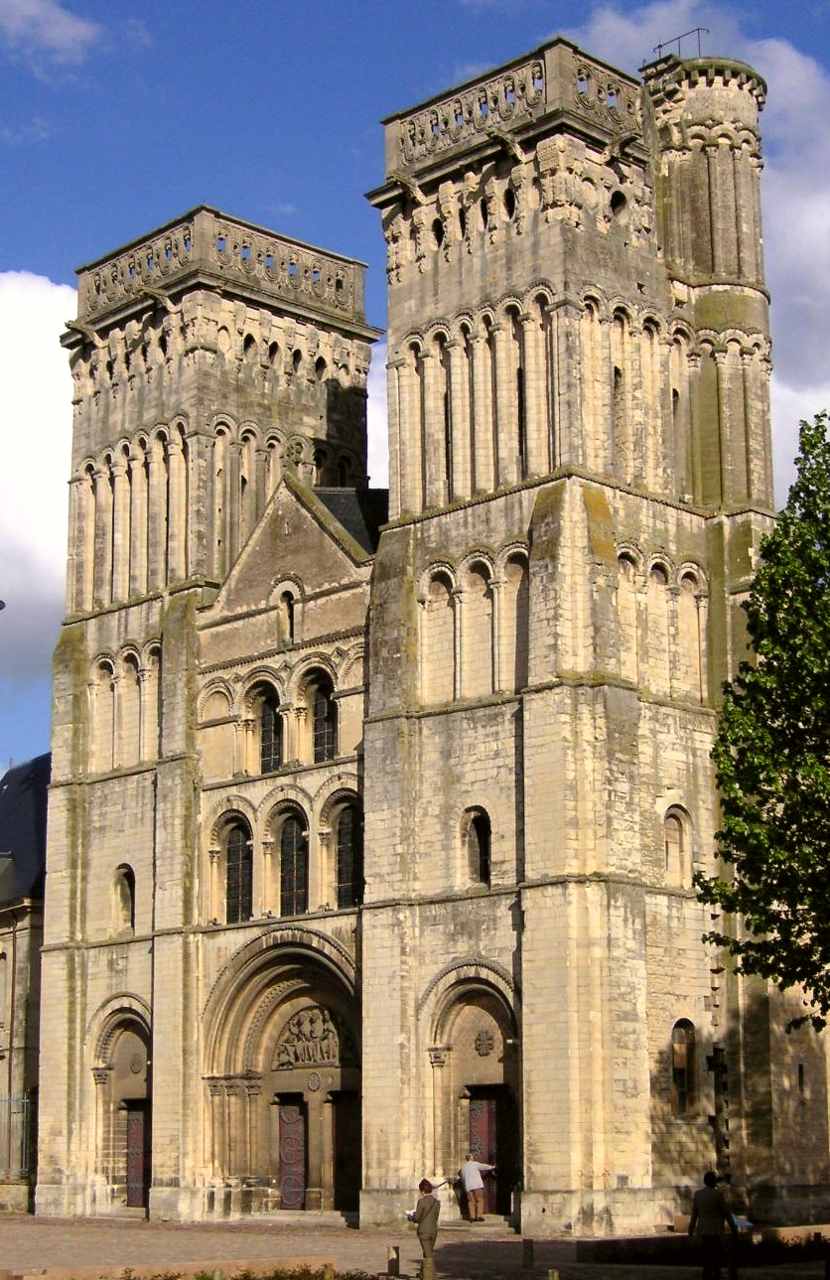
Caen
Caen is a city shaped by its history, particularly the events of World War II. The modern architecture contrasts with the remnants of its medieval past, creating a unique atmosphere. Visitors can explore both the rebuilt areas and the surviving historical sites, offering a glimpse into the city's resilience.
Read more
The city serves as a gateway to Normandy's D-Day beaches, making it a popular base for those interested in World War history. The local culture is rich, with a variety of restaurants and cafes that reflect the region's culinary traditions. Expect a mix of old and new as you wander through its streets.
Highlights
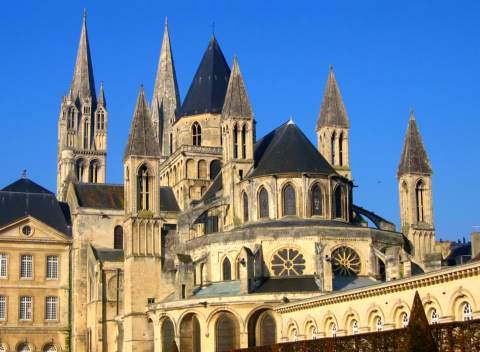
Abbey of Saint-Étienne
Historic site with beautiful architecture.
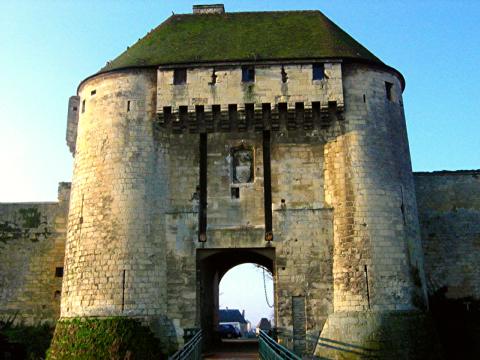
Château de Caen
Explore the history of the castle.
Jardin des Plantes
A lovely garden for relaxation.
Memorial for Peace
Engaging exhibits on World War history.
Sightseeing
Things to do
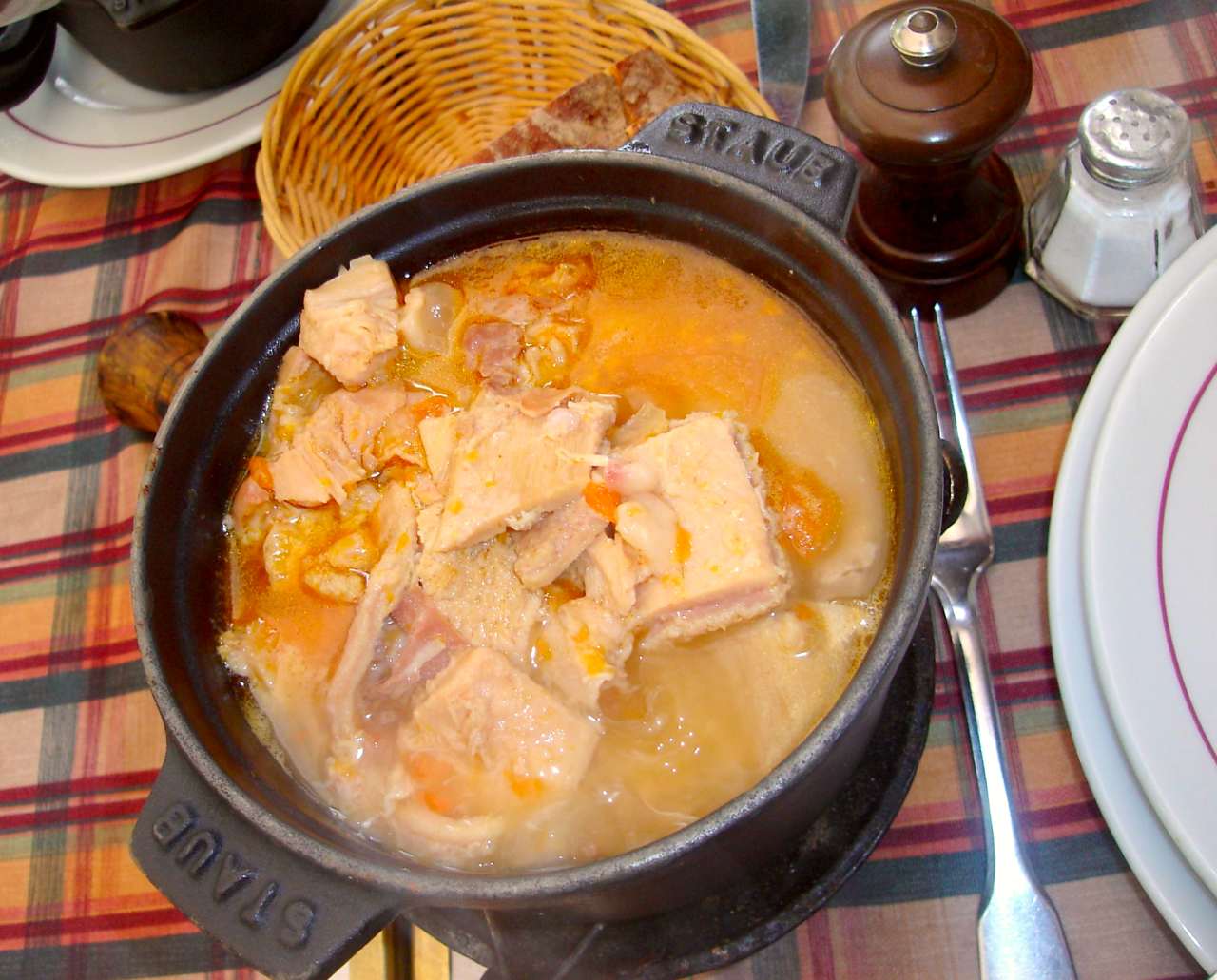
Local food and drinks
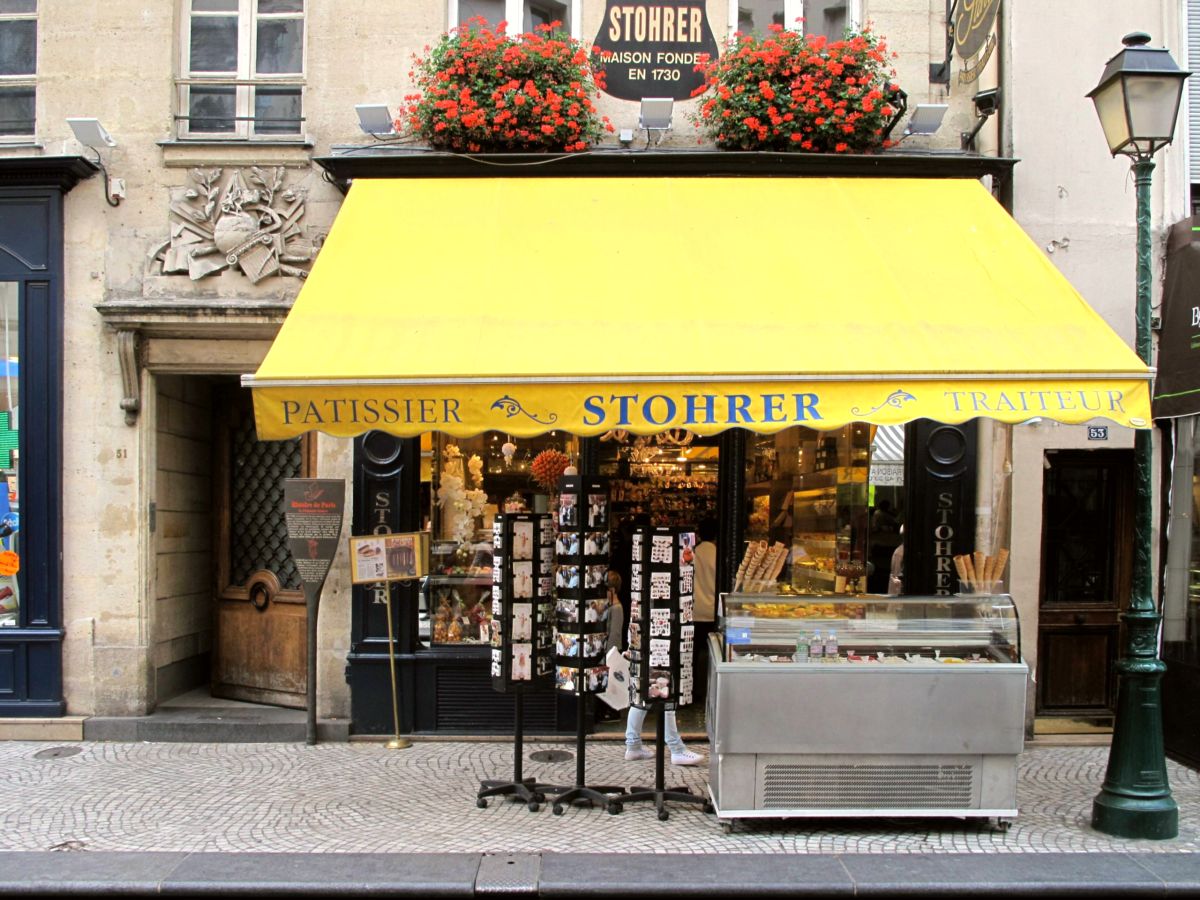
Local traditions
Do's and don'ts
Practical
At a glance
- Founded
- 100 BC
- Population
- 106.000
- Accessibility
- The city has some accessible areas, but be prepared for uneven surfaces.
- Price level
- Mid-range
Things to know
History
Caen has a rich history, with its origins dating back to the Roman era. The city played a significant role during the Norman Conquest and was the birthplace of William the Conqueror. Much of Caen was destroyed during World War II, particularly in 1944, leading to extensive rebuilding in the following decades.
Despite the destruction, several historical sites remain, including the impressive abbeys and the castle. The city's strategic location made it a focal point during the D-Day landings, and today it serves as a reminder of the past while embracing modernity.
Photo: Wikipedia / Wikimedia Commons