Introduction
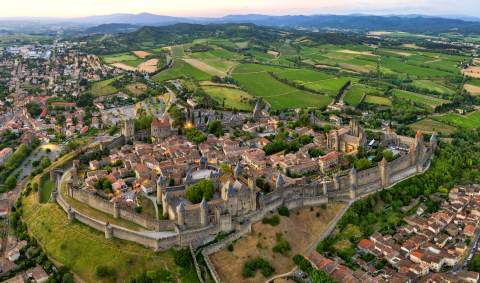
Occitanie offers a blend of rich history, diverse landscapes, and culinary delights. From the Pyrenees mountains to the Mediterranean coast, this region invites exploration of its charming villages and vibrant cities.
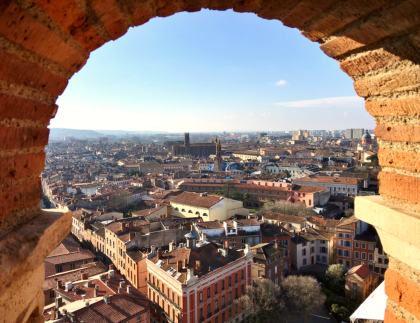
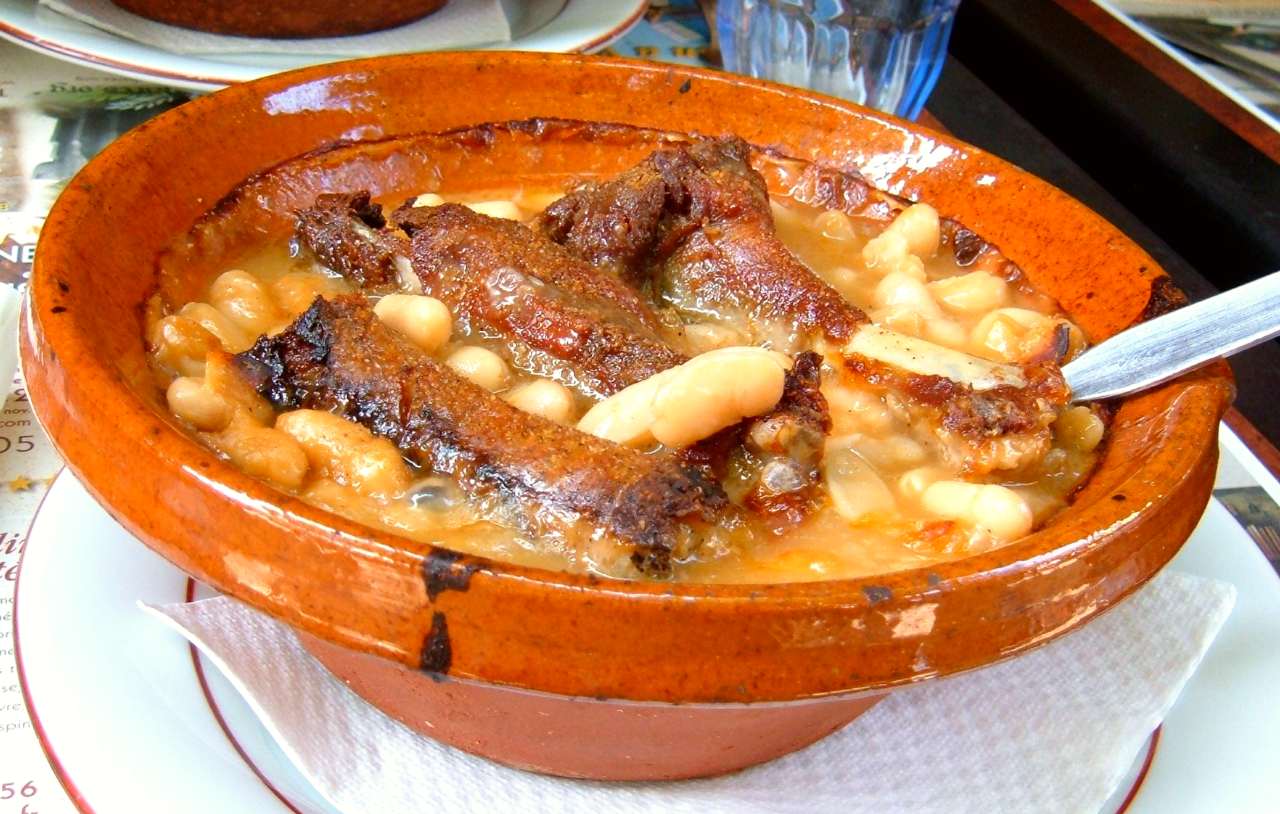
Travelers can enjoy outdoor activities like hiking and skiing, as well as cultural experiences in cities like Toulouse and Montpellier. The region's wine routes and local markets provide a taste of its agricultural heritage.
Sightseeing
Cuisine et boissons locales
Traditions locales
Histoire
Occitanie has a rich history influenced by various cultures, including the Romans and the Visigoths. The region was once part of the Occitan-speaking area, known for its unique language and literature during the Middle Ages.
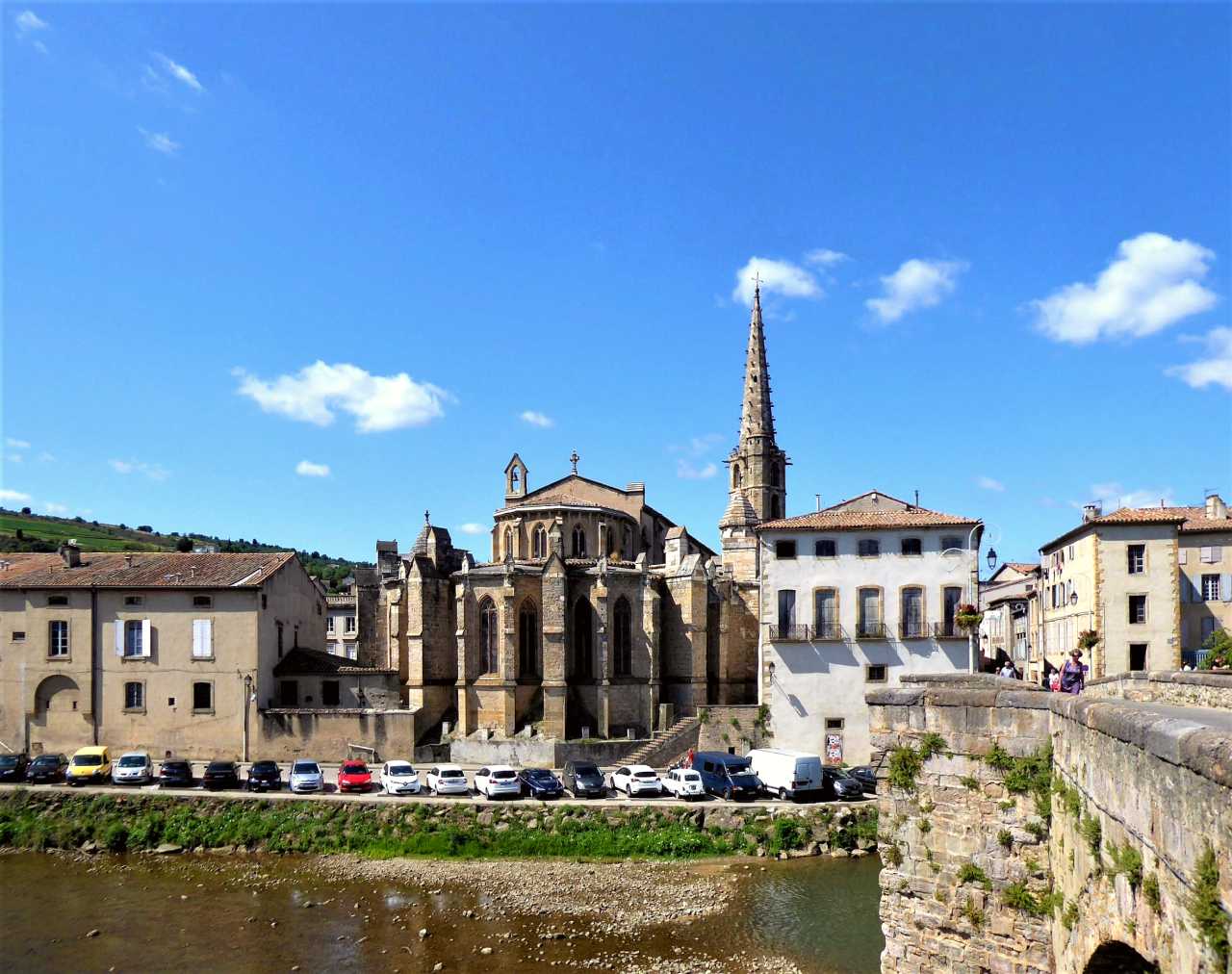
In the 13th century, the Albigensian Crusade targeted the Cathars, a religious group in the region. This led to significant changes in the social and political landscape. Today, Occitanie reflects its historical depth through architecture, traditions, and local customs.