
search
search
add New trip
Aix-en-Provence

Aix-en-Provence

calendar_monthApr–Jun, Sep–Octbest time schedule3 daysplan for directions_car34 minfrom Marseille child_careYeswith kids confirmation_numberMid-rangeprice
Aix-en-ProvenceYour own route Plan a trip here →

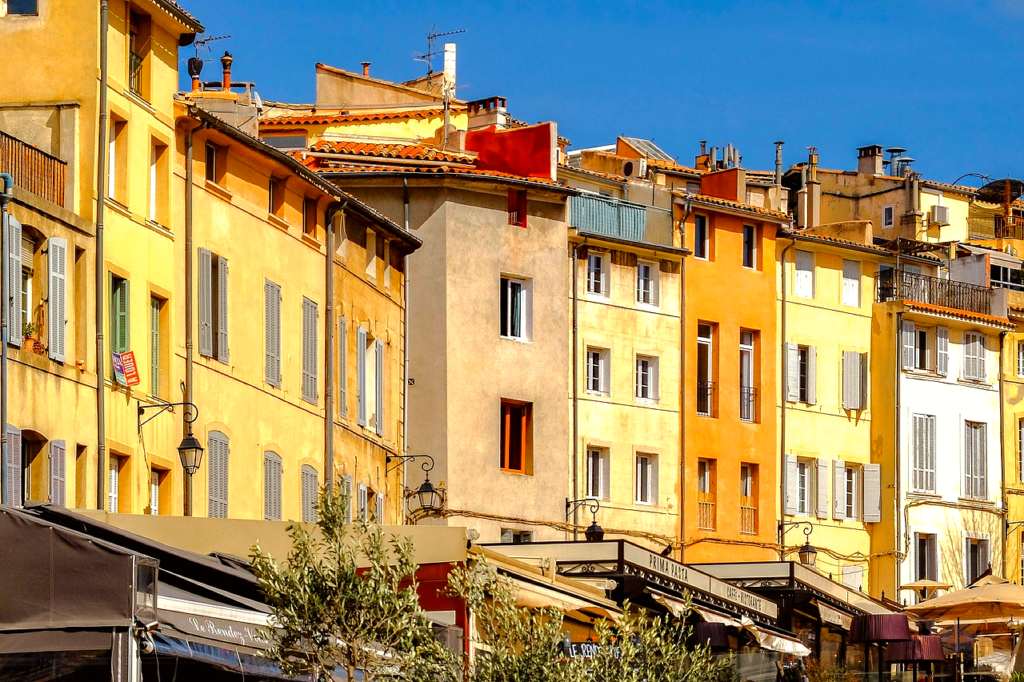
Aix-en-Provence is a charming city in southern France, known for its vibrant markets, stunning architecture, and rich artistic heritage. The streets are lined with beautiful fountains and cafes, creating a relaxed atmosphere that invites you to explore at your own pace.

Sightseeing

Cours Mirabeau: a picturesque tree-lined avenue with cafes and shops
Saint-Sauveur Cathedral: a stunning mix of architectural styles
Place des Prêcheurs: a lively square with a vibrant market
Granet Museum: home to an impressive collection of art
Pavillon de Vendôme: a beautiful 17th-century mansion and gardens
Thermes Sextius: ancient Roman baths with modern spa facilities
Atelier Cézanne: the former studio of painter Paul Cézanne
Montagne Sainte-Victoire: a striking mountain that inspired many artists

"Art, history, and vibrant markets await"Aix-en-Provence

Things to do

Stroll through the local markets: the Cours Mirabeau market runs on Tuesday, Thursday, and Saturday mornings.
Visit art galleries: check out the Musée Granet for contemporary and classic works.
Relax in parks: the Parc Jourdan offers a peaceful retreat.
Take a guided walking tour: learn about the city's history and architecture.
Attend a local festival: the Festival d'Aix-en-Provence in July showcases opera and classical music.
Local food and drinks - Aix-en-Provence

Local food and drinks

Aïoli: a traditional garlic mayonnaise served with vegetables
Calissons: a sweet almond treat unique to the region
Bouillabaisse: a flavorful fish stew from Provence
Rosé wine: a local favorite, perfect for warm days
Le Café de la Mairie: a popular spot for people-watching
Local traditions - Aix-en-Provence

Local traditions

Festival d'Aix-en-Provence: an annual opera festival attracting global talent
Fête de la Saint-Éloi: a local celebration with music and food
Provencal markets: vibrant markets showcasing local produce and crafts
Traditional Provençal music: often performed at local events and gatherings

Do's and don'ts

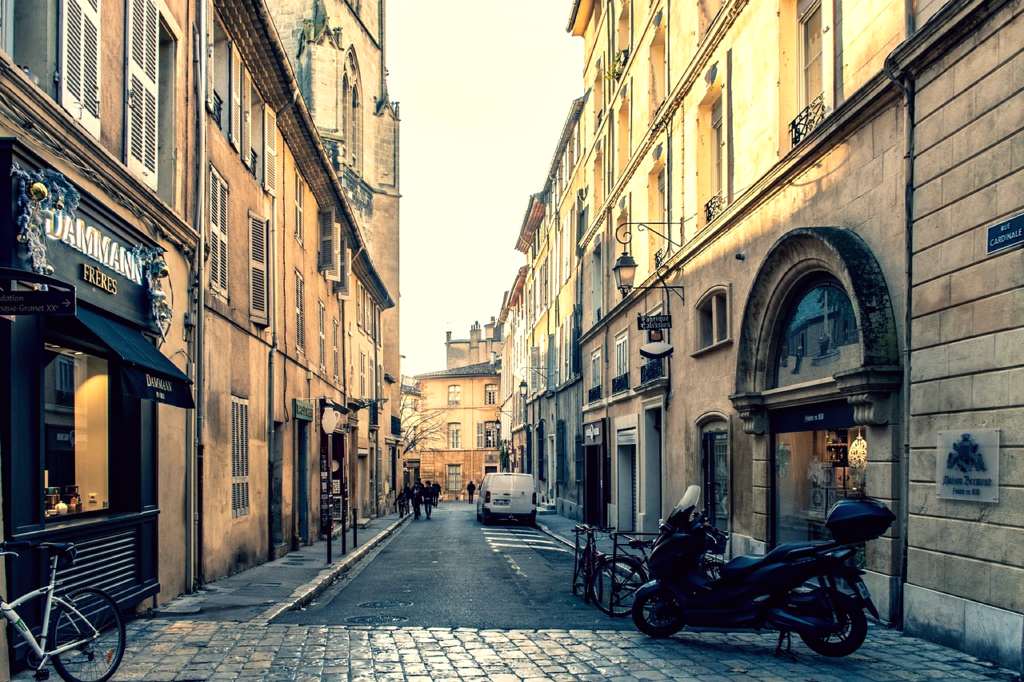
Explore the narrow streets: discover hidden gems and local shops
Try local specialties: indulge in the regional cuisine
Visit during festivals: experience the city's vibrant culture
Take your time: enjoy the relaxed pace of life
Don't rush through the city: savor the atmosphere
Don't ignore local customs: be respectful of traditions
Don't miss the markets: they are a highlight of local life
Don't rely solely on taxis: public transport is limited
info_outlinePracticalexpand_more
Since: Founded around 123 BC
Population: 145.000

About Aix-en-Provence

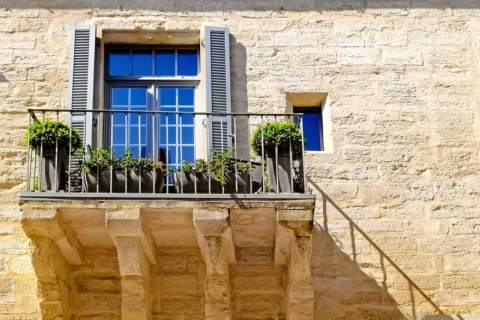
As you wander through the historic center, you will encounter a blend of Roman ruins and elegant 17th-century mansions. The city's lively ambiance is enhanced by its numerous art galleries and cultural events, making it a delightful destination for both history buffs and art lovers.

Things to know

Beware of tourist traps near major attractions, where prices can be inflated.
Public transport can be limited, so consider walking or renting a bike.
Pickpocketing can occur in crowded areas, so stay vigilant.
Summer can be very hot, so plan outdoor activities for early morning or late afternoon.
The city center is mostly pedestrian, making it easy to explore on foot.

Good to know

Accessibility: Most areas are walkable, but some streets are cobbled.
Price level: mid-range
history_eduHistoryexpand_more

Aix-en-Provence was founded in 123 BC as a Roman colony called Aquae Sextiae, known for its thermal springs. The city flourished during the Roman Empire, evident in its well-preserved ruins and layout, which still influence its streets today.

In the Middle Ages, Aix became the capital of Provence and a center for art and culture. The city has been home to many notable figures, including the painter Paul Cézanne, whose legacy continues to shape its artistic identity.

Photo: Wikipedia / Wikimedia Commons