search
search
add New trip
Ulm

Ulm

Population: 127.000 Since: Founded around 850 AD Price: Mid-range

Introduction

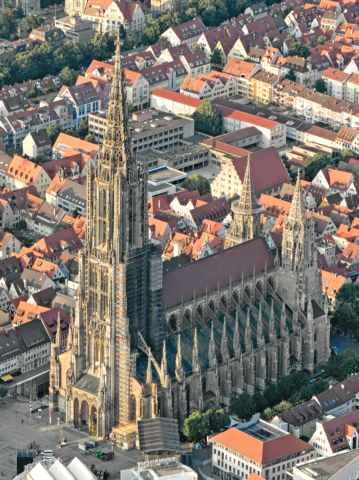
Ulm is a city where history and modern life intertwine. The towering Ulm Minster, with its 768 steps to the top, dominates the skyline and invites visitors to explore its Gothic architecture. The charm of the old town, especially the Fishermen's Quarter, offers a glimpse into the city's past with its half-timbered houses and winding streets.

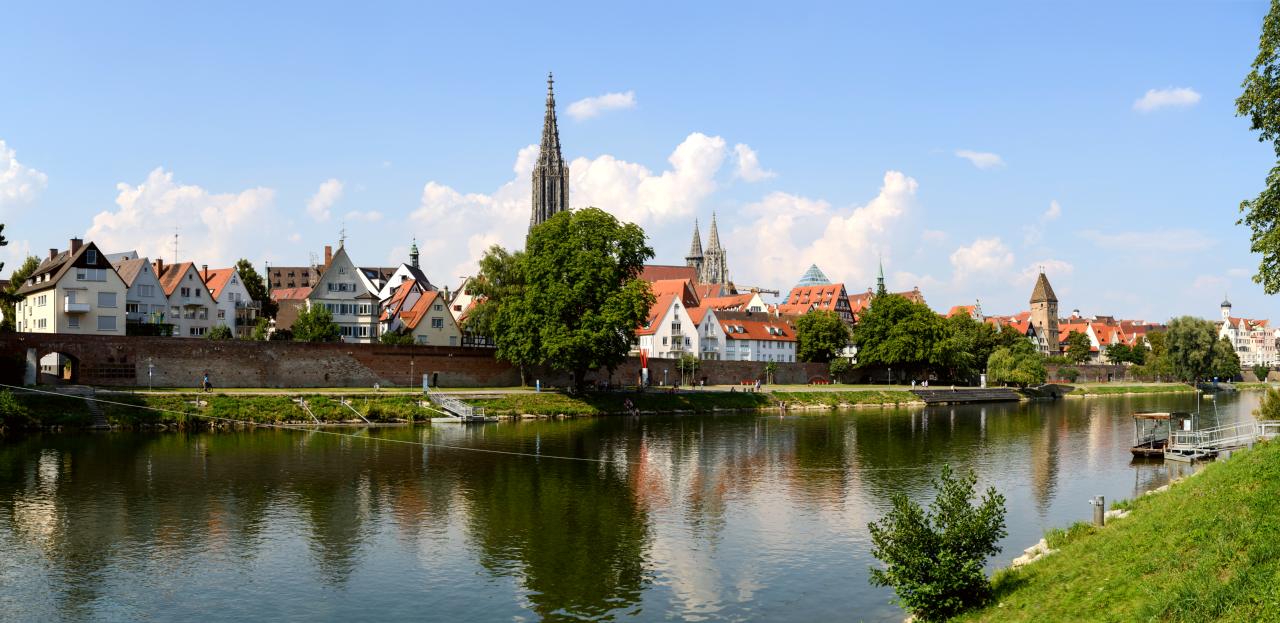
Walking along the Danube River, you can enjoy scenic views and discover local cafes. The city is also known for its vibrant university atmosphere, which adds a youthful energy to the historic surroundings. However, be prepared for some tourist crowds, especially near popular sites.

Sightseeing

Ulmer Münster: The tallest church steeple in the world
Fishermen's Quarter: Picturesque area with crooked houses
Rathaus: Colorfully painted city hall with historical significance
Schiefes Haus: The crooked house, a quirky architectural highlight
Danube River: Scenic walks and boat tours available
Einstein's Birthplace: Memorial marking the spot where Einstein was born
Blautalcenter: Shopping mall for local and international brands

"History and modernity in harmony"Ulm

Things to do

Climb the Ulm Minster for panoramic views
Stroll through the Fishermen's Quarter and enjoy the atmosphere
Take a boat tour on the Danube River
Visit local art galleries and exhibitions
Explore the city wall and its historical significance
Local food and drinks - Ulm

Local food and drinks

Hemperium: Unique dishes made from hemp plant
Thomas Heilbronner Fischhaus: Traditional fish dishes since 1392
Münster Kebap: Popular kebab spot near the cathedral
Barfüßer: Brewpub with house-made beer and a beer garden
Schlössle: Charming beer garden with a variety of local brews
Local traditions - Ulm

Local traditions

Narrensprung: Colorful parade marking the Carnival season
Ulm Tent Festival: Annual festival featuring diverse performances
Christmas Market: Festive stalls and local crafts during the holiday season

History

Ulm's history dates back to around 850 AD, when it was established as a Free Imperial City. This status allowed it to flourish as a center of trade and culture during the Middle Ages. The city's strategic location along the Danube River contributed to its growth and importance.

In the 19th century, Ulm became known as the birthplace of Albert Einstein, which added to its historical significance. The Ulm Minster, completed in the late 19th century, stands as a testament to the city's architectural heritage and attracts visitors from around the world.

Things to know

Tourist traps can be found near the Ulm Minster, so explore beyond the main attractions.
Public transport is reliable, but some areas may require walking on cobblestone streets.
Safety is generally good, but be cautious of pickpockets in crowded areas.
Timing your visit during weekdays can help avoid larger crowds.

Do's and don'ts

Visit the Ulm Minster early in the morning for fewer crowds
Try local fish dishes at Thomas Heilbronner Fischhaus
Take a leisurely walk along the Danube River
Explore the art galleries in the Fishermen's Quarter
Don't miss the chance to climb the Minster, it's worth it
Don't stick only to tourist areas; explore local neighborhoods
Don't rush your meals; enjoy the local dining experience
Don't forget to check local event calendars for festivals

Good to know

Accessibility: Most areas are accessible, but some streets are cobbled.
Price level: mid-range

Photo: Wikipedia / Wikimedia Commons