search
search
add New trip
Destinations › … › Germany › Bavaria

Berchtesgaden

calendar_monthMay–Jun, Sep–Octbest time schedule3 daysplan for directions_car2 h 41from Munich child_careYeswith kids confirmation_numberMid-rangeprice
BerchtesgadenYour own route Plan a trip here →

Berchtesgaden is a small town in the Bavarian Alps, surrounded by impressive mountains like Watzmann and Untersberg. The area is known for its rich history and natural beauty, making it a popular destination for outdoor enthusiasts and history buffs alike.

Read more

Visitors can explore the remnants of its salt mining heritage, which dates back centuries. The town also has a somber history linked to the Nazi regime, with sites that reflect this past. The blend of scenic landscapes and historical significance creates a unique atmosphere that invites exploration.

Sightseeing

Documentation Centre: a museum detailing the Nazi history of the area
Berchtesgaden Salt Mine: an underground tour showcasing the town's salt mining history
Watzmann: a prominent mountain offering hiking trails and stunning views
Königssee: a picturesque lake known for its clear waters and boat tours
Obersalzberg: a historical site with remnants of Hitler's retreat
St. Bartholomew's Church: a striking church located on the shores of Königssee
Berchtesgaden National Park: a protected area with diverse flora and fauna
Kehlsteinhaus: a historical building with panoramic views of the Alps

"History and Nature in Harmony"Berchtesgaden

Things to do

Hike the trails around Watzmann: enjoy various levels of hiking experiences.
Visit the salt mine: learn about the history of salt production in the region.
Take a boat ride on Königssee: experience the clear waters of the lake.
Explore the Documentation Centre: understand the historical context of the area.
Ski at nearby resorts: enjoy winter sports during the snowy months, especially from December to March.
Relax at Watzmanntherme: unwind in the thermal baths after a day of activities, with options for both families and adults.

Local food and drinks

Knödel: traditional dumplings often served with meat dishes
Schweinehaxe: a roasted pork knuckle, a local favorite
Weißbier: a popular Bavarian wheat beer, best enjoyed with a meal
Kaiserschmarrn: a fluffy shredded pancake, perfect for dessert
Grillstüberl Berchtesgaden: a local eatery known for its hearty Bavarian fare
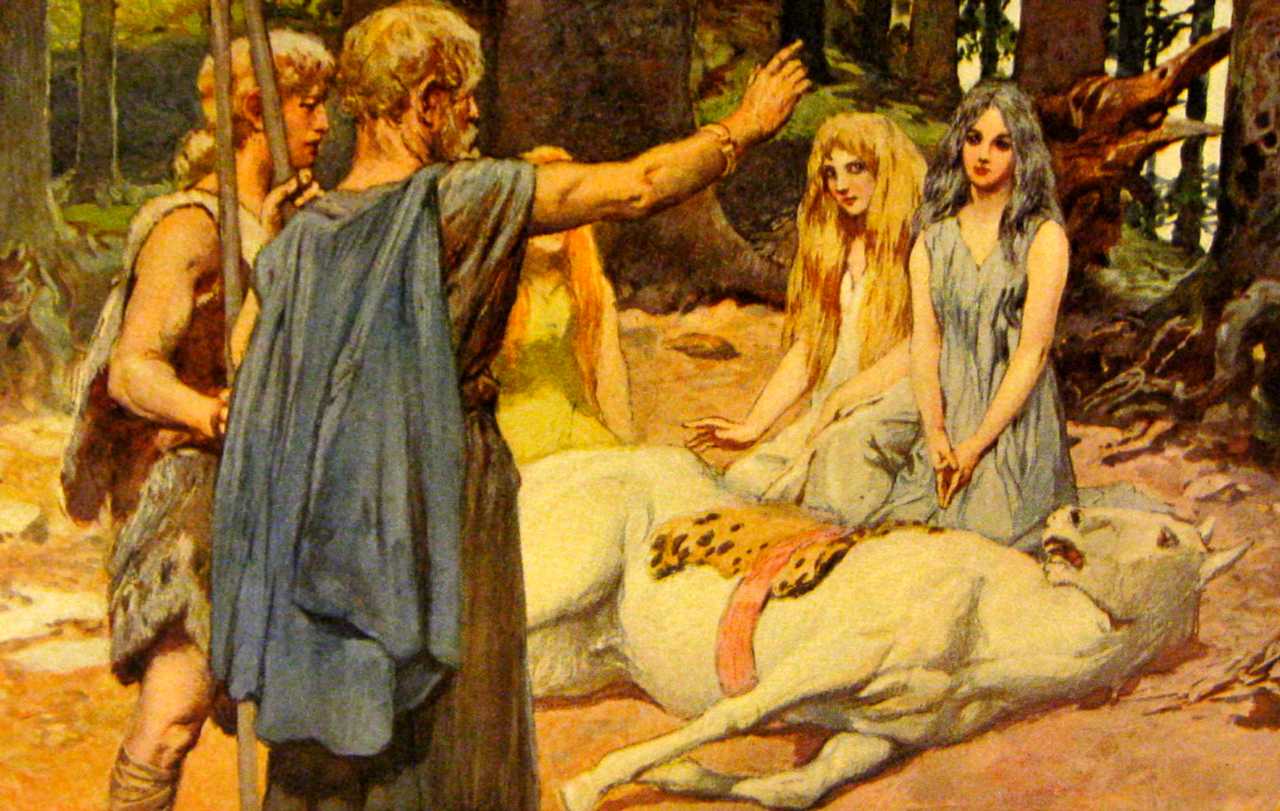
Local traditions - Berchtesgaden Emil Doepler · Public domain

Local traditions

Berchtesgaden Christmas Market: a festive market held during the holiday season
Local folk festivals: celebrate Bavarian culture with music and dance
Traditional Alpine sports: participate in events like tobogganing and skiing
Salt festival: an annual event celebrating the town's salt mining heritage

Do's and don'ts

Try local dishes at family-run restaurants
Take a guided tour of the salt mine
Respect the natural environment while hiking
Learn about the area's history at the Documentation Centre
Don't ignore local customs and etiquette
Don't rush through the historical sites
Don't rely solely on public transport during peak times
Don't forget to dress appropriately for the weather

Practical

At a glance

Founded
1100 AD
Population
7.000
Accessibility
Some areas are steep, but main attractions are accessible.
Price level
Mid-range

Things to know

Public transport can be limited on weekends, plan accordingly.
Some historical sites may have restricted access or require advance booking.
Be cautious of tourist traps near popular attractions.
Winter weather can affect travel plans, check forecasts before visiting.
The salt mine tours can fill up quickly during peak seasons, so consider booking in advance.
history_eduHistoryexpand_more

Berchtesgaden's history is deeply intertwined with salt mining, which began in the Middle Ages. The town's wealth grew from this resource, leading to its development as a significant trading hub in Bavaria. The salt mines are still operational today, attracting visitors interested in the region's industrial heritage.

In the 20th century, Berchtesgaden gained notoriety due to its association with Adolf Hitler, who had a retreat in the area. This dark chapter in history is reflected in several sites around the town, providing insight into the impact of the Nazi regime on the region.