search
search
add New trip
Munich

Munich

calendar_monthMay–Jun, Sep–Octbest time schedule3 daysplan for child_careYeswith kids
MunichYour own route Plan a trip here →

Munich, the capital of Bavaria, is a vibrant city known for its rich history, stunning architecture, and lively beer gardens. Visitors are often captivated by the blend of traditional Bavarian culture and modern urban life, making it a unique destination in Germany.

In pictures

Munich
Munich
Munich
Munich
Munich
Munich

Sightseeing

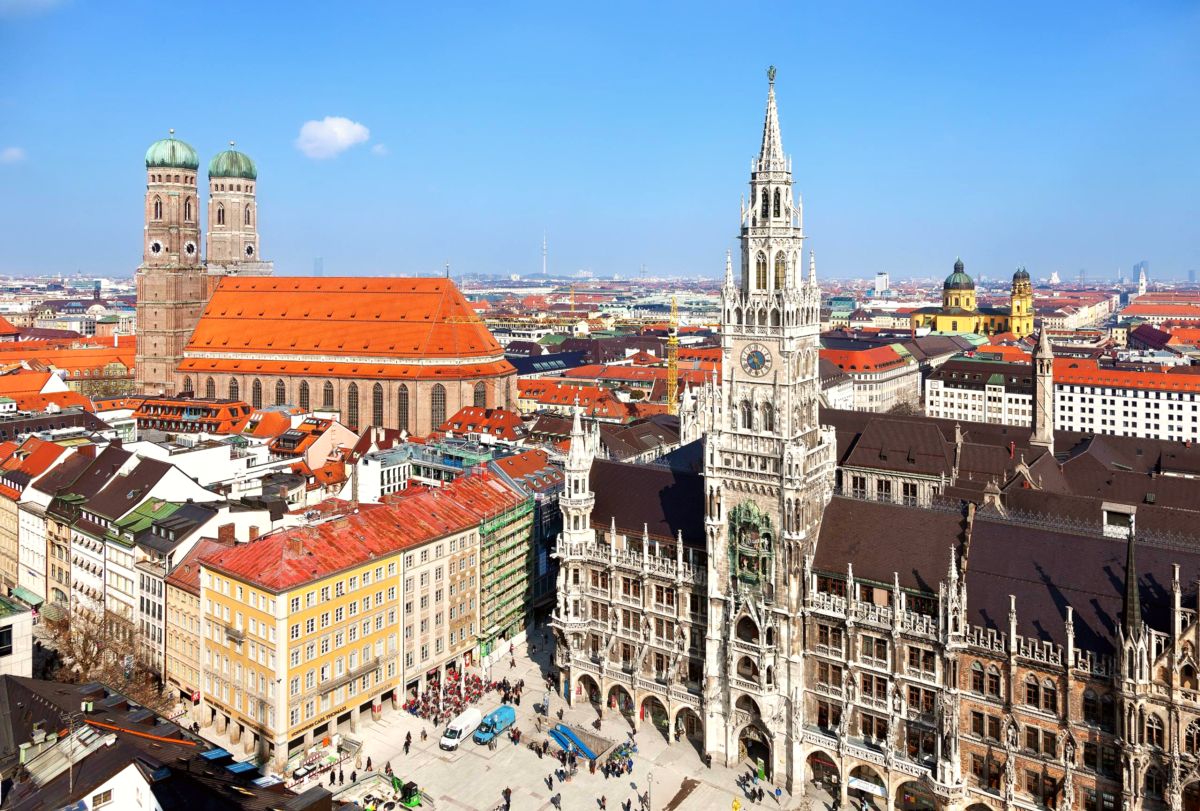
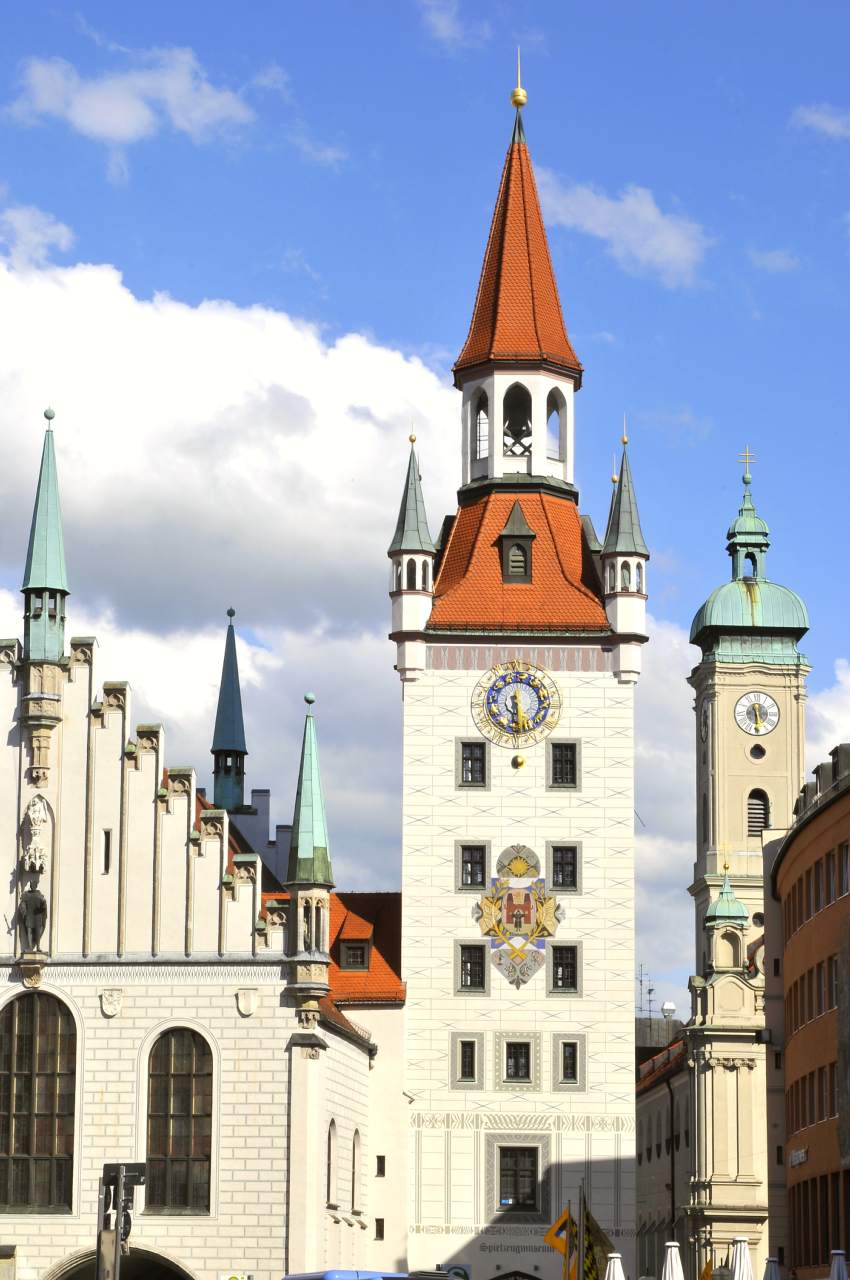
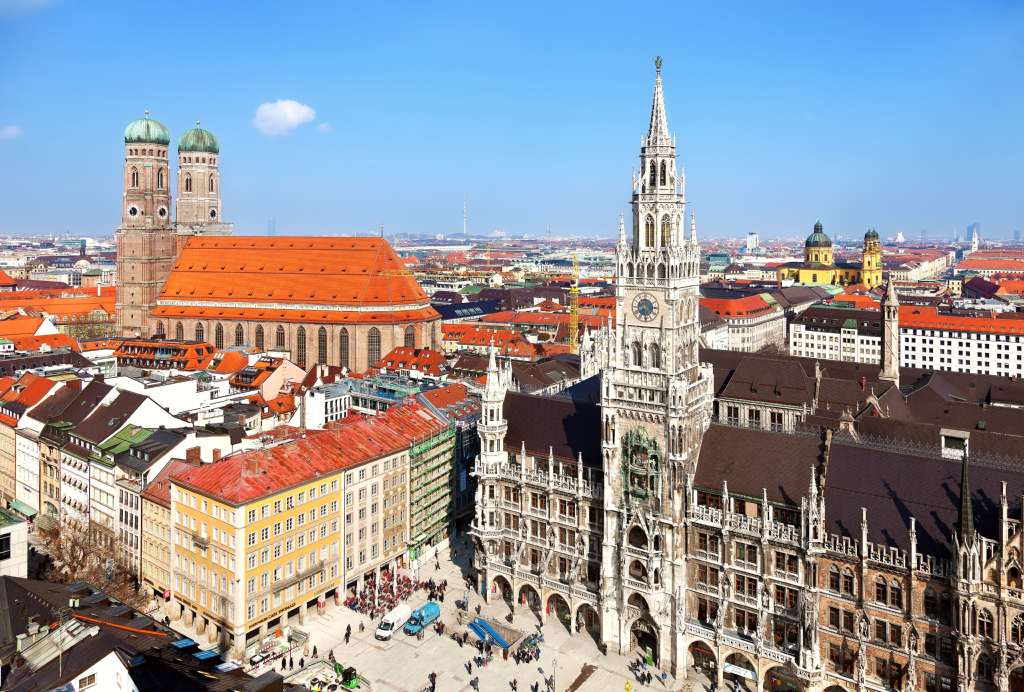
Marienplatz: the central square with the iconic Glockenspiel
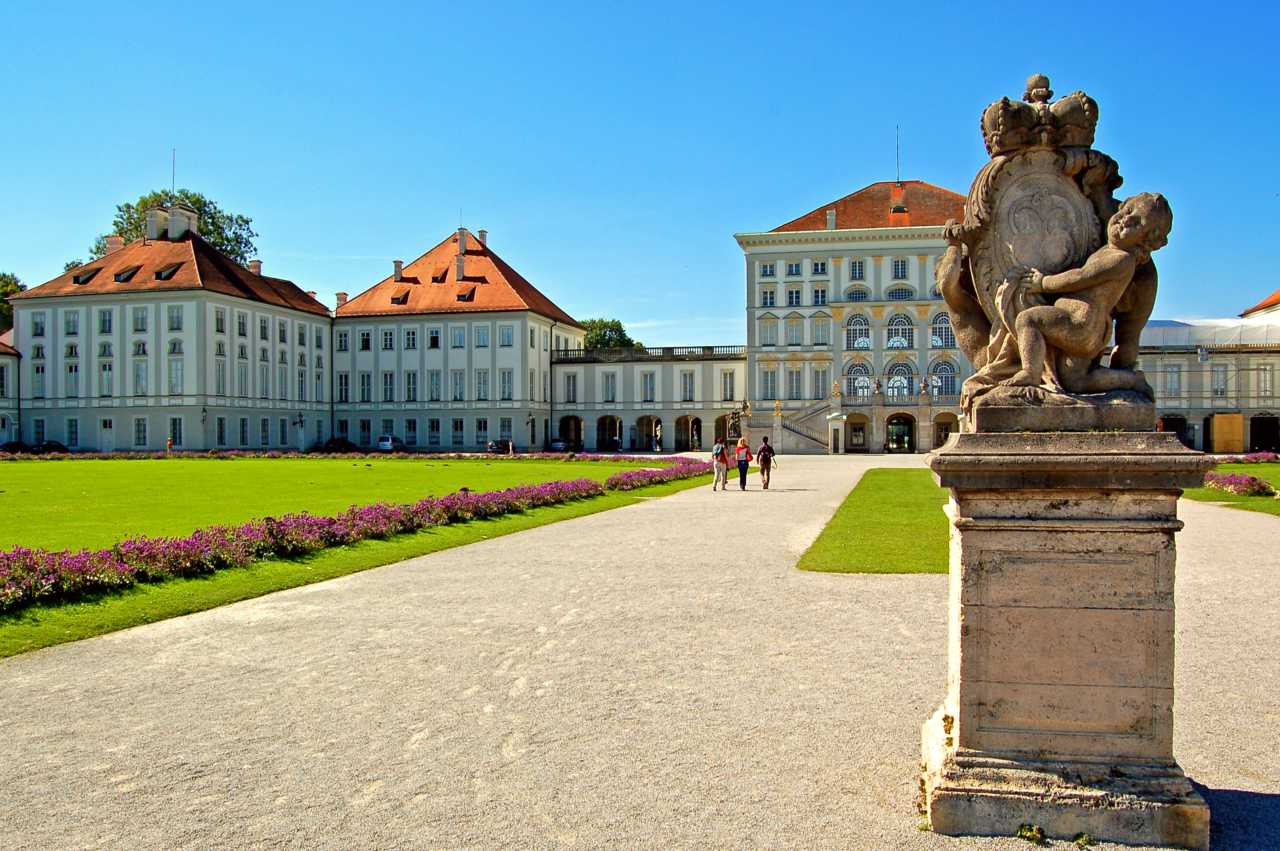
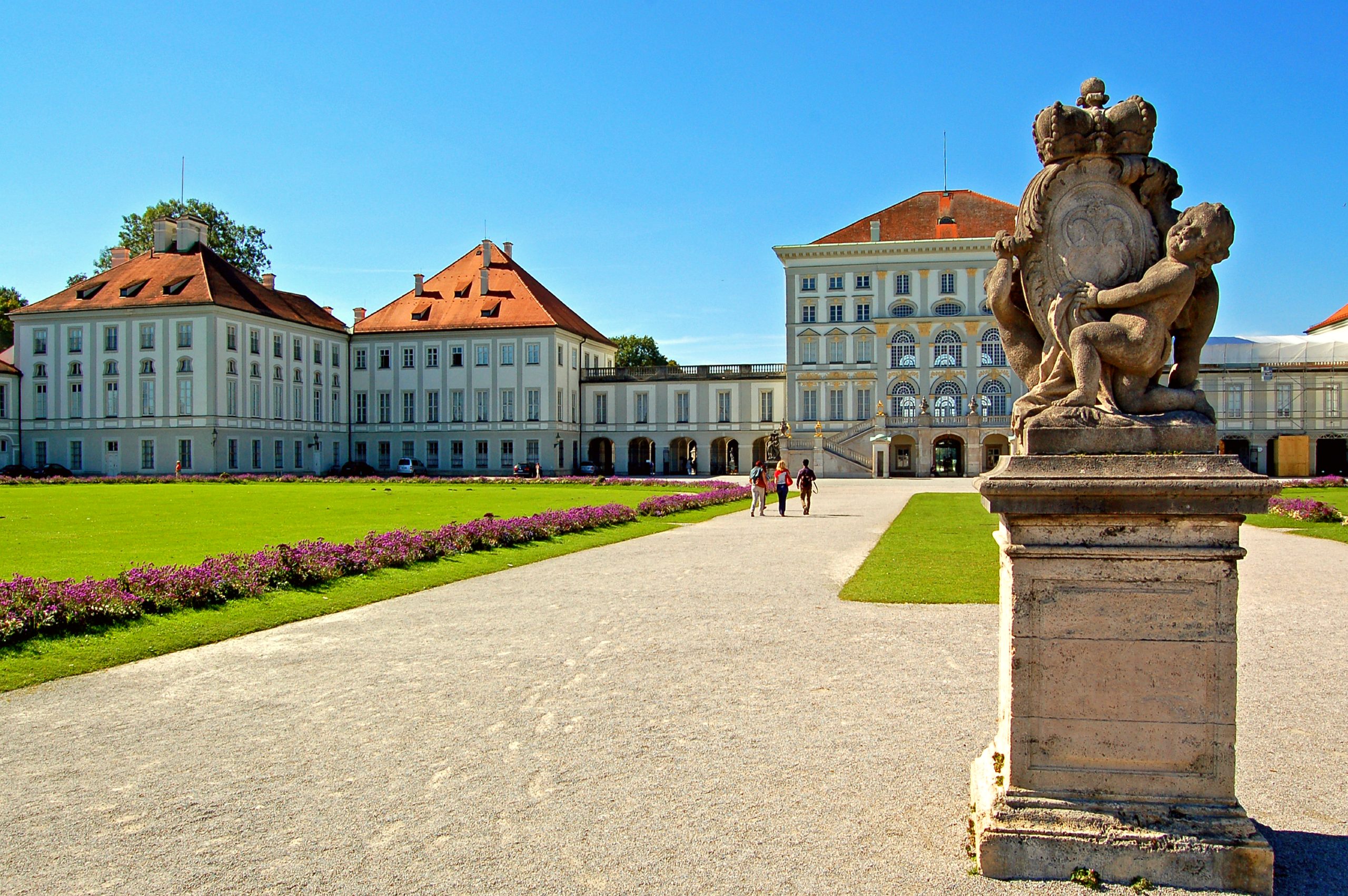
Nymphenburg Palace: a stunning baroque palace with expansive gardens
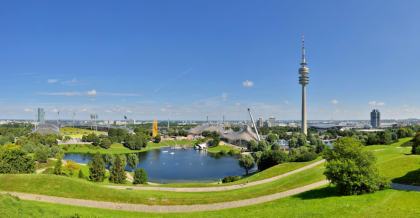
Englischer Garten: one of the largest urban parks in the world
Frauenkirche: the famous cathedral with its twin towers
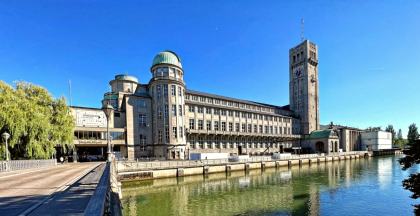
Deutsches Museum: the world's largest museum of science and technology
BMW Museum: a must-visit for car enthusiasts
Viktualienmarkt: a lively food market with local delicacies
Allianz Arena: the home of FC Bayern Munich

"A blend of tradition and modernity"Munich

Things to do

Explore the Englischer Garten: enjoy a leisurely stroll or a bike ride along the Isar River.
Visit the Hofbräuhaus: experience traditional Bavarian beer culture and try a pretzel with your beer.
Take a day trip to Neuschwanstein Castle: a fairy-tale castle in the Alps, about two hours away by train.
Attend a performance at the Bavarian State Opera: a cultural highlight with a range of operas and ballets.
Join a local brewery tour: learn about Munich's brewing history and sample local beers.
Local food and drinks - Munich

Local food and drinks

Weisswurst: a traditional Bavarian sausage
Pretzels: a must-try snack, especially with beer
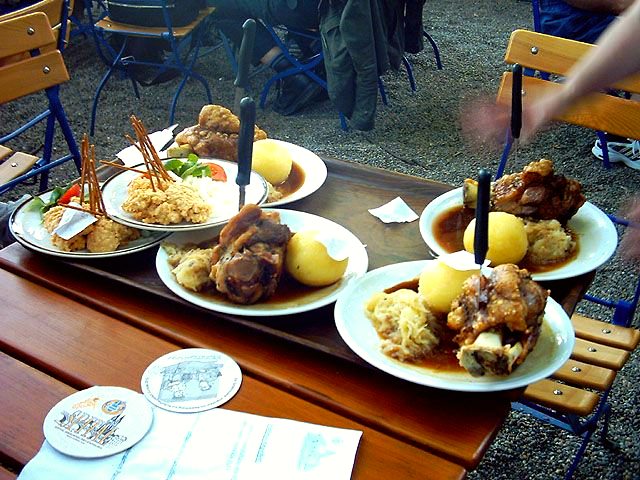
Schweinshaxe: crispy pork knuckle, a local favorite
Apfelstrudel: a delicious apple pastry dessert
Hefeweizen: a popular wheat beer in Munich
Local traditions - Munich

Local traditions

Oktoberfest: the world-famous beer festival held annually
Christkindlmarkt: a charming Christmas market in the city center
Bavarian folk dances: traditional dances often performed at festivals
Maibaum: the Maypole celebration, a local spring tradition

Do's and don'ts

Try local beers at a traditional beer garden
Visit museums on Sundays for reduced admission fees
Learn a few basic German phrases to enhance your experience
Take public transport to avoid parking hassles
Don't miss out on trying authentic Bavarian food
Don't assume everyone speaks English; be prepared to use German
Don't take photos in churches without permission
Don't rush through the city; take your time to explore
Explore the grandeur of Nymphenburg Palace

Explore the grandeur of Nymphenburg Palace

Nymphenburg Palace is a striking example of Baroque architecture. The expansive gardens, dotted with fountains and sculptures, invite leisurely strolls. Inside, the opulent rooms showcase royal history through intricate decor and art. The palace grounds also feature the Marstallmuseum, where you can see royal carriages. Visiting in spring offers a chance to see the gardens in bloom, but be prepared for tourists during peak season. Admission is around 11 euros, and guided tours provide deeper insights into the palace's history.
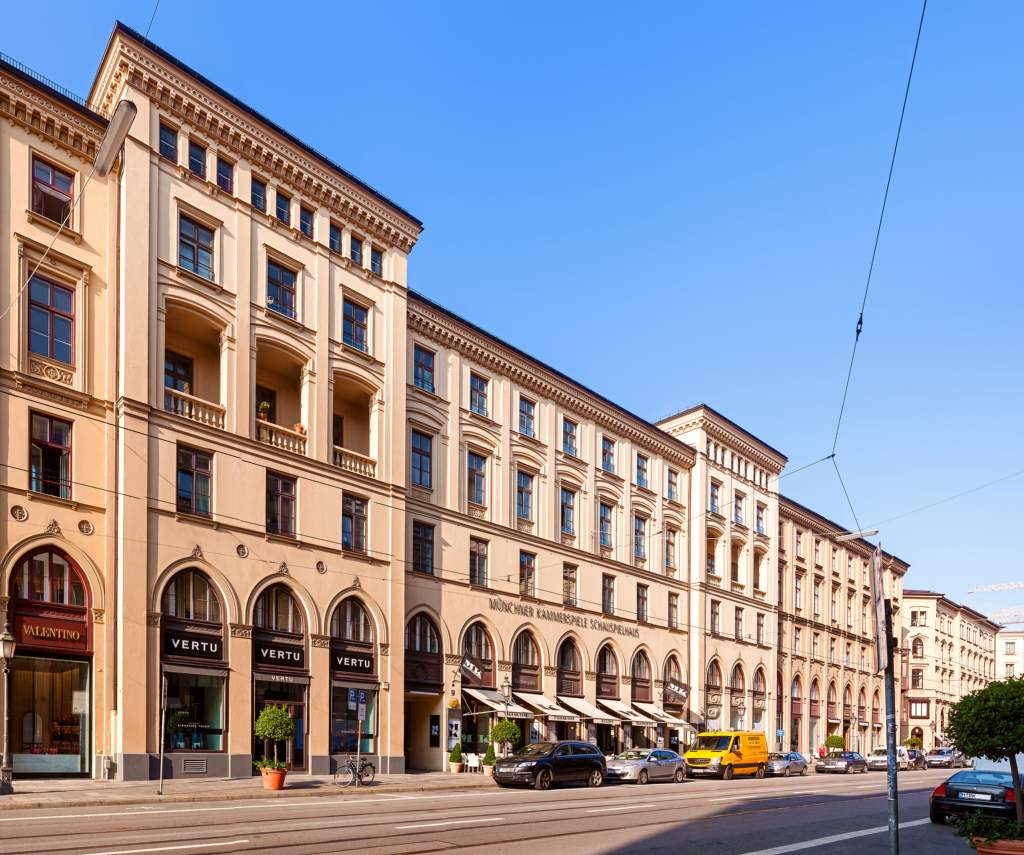
Experience Munich's vibrant theater scene

Experience Munich's vibrant theater scene

The Münchner Kammerspiele is a cornerstone of Munich's cultural life. This theater offers a range of performances, from classic plays to contemporary works. The intimate setting allows for a close connection between the actors and the audience. Tickets can range from 10 to 40 euros, depending on the show and seating. If you enjoy theater, check the schedule ahead of your visit. The atmosphere is lively, especially during premieres, but be aware that some performances may be in German.
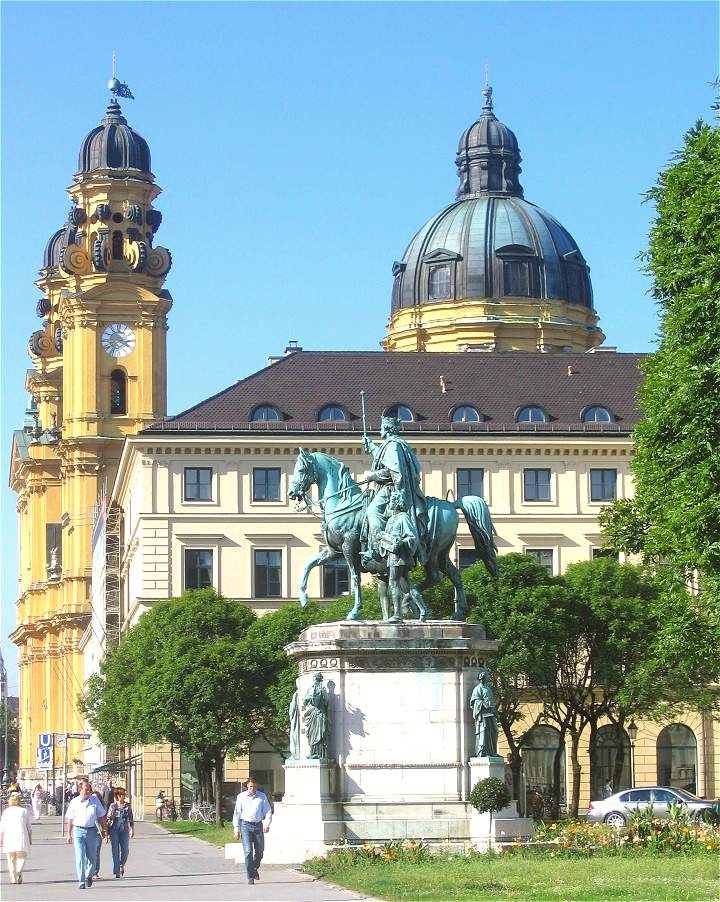
Visit the iconic Theatinerkirche

Visit the iconic Theatinerkirche

The Theatinerkirche, with its striking yellow facade, stands out at Odeonsplatz. This church, built in the 17th century, features a beautiful interior adorned with frescoes and intricate altars. The peaceful atmosphere inside offers a respite from the city's hustle. Entry is free, making it an accessible stop during your exploration. However, it can get crowded, especially on weekends. Take a moment to sit and reflect in the nearby square, where you can enjoy a coffee from a local café.
info_outlinePracticalexpand_more
Since: Founded in 1158
Population: 1.500.000

About Munich

The city boasts beautiful parks, impressive museums, and a bustling atmosphere, especially during festivals like Oktoberfest. However, be prepared for crowds in popular areas and a higher cost of living compared to other German cities.

Things to know

Be cautious of tourist traps around Marienplatz, as prices can be inflated.
Public transport is efficient but can be crowded during peak hours.
Safety is generally good, but keep an eye on your belongings.
Visit during the shoulder seasons, particularly late spring or early autumn, for fewer crowds and better prices.
history_eduHistoryexpand_more
History - Munich

Munich was founded in 1158 and quickly grew as a trade center due to its strategic location. The city became the capital of Bavaria in the 19th century, flourishing under the rule of King Ludwig I, who commissioned many of its iconic buildings.

Throughout its history, Munich has faced challenges, including the devastation of World War II, which led to extensive rebuilding. Today, it stands as a symbol of resilience, blending historical charm with modern innovation.

Photo: Wikipedia / Wikimedia Commons