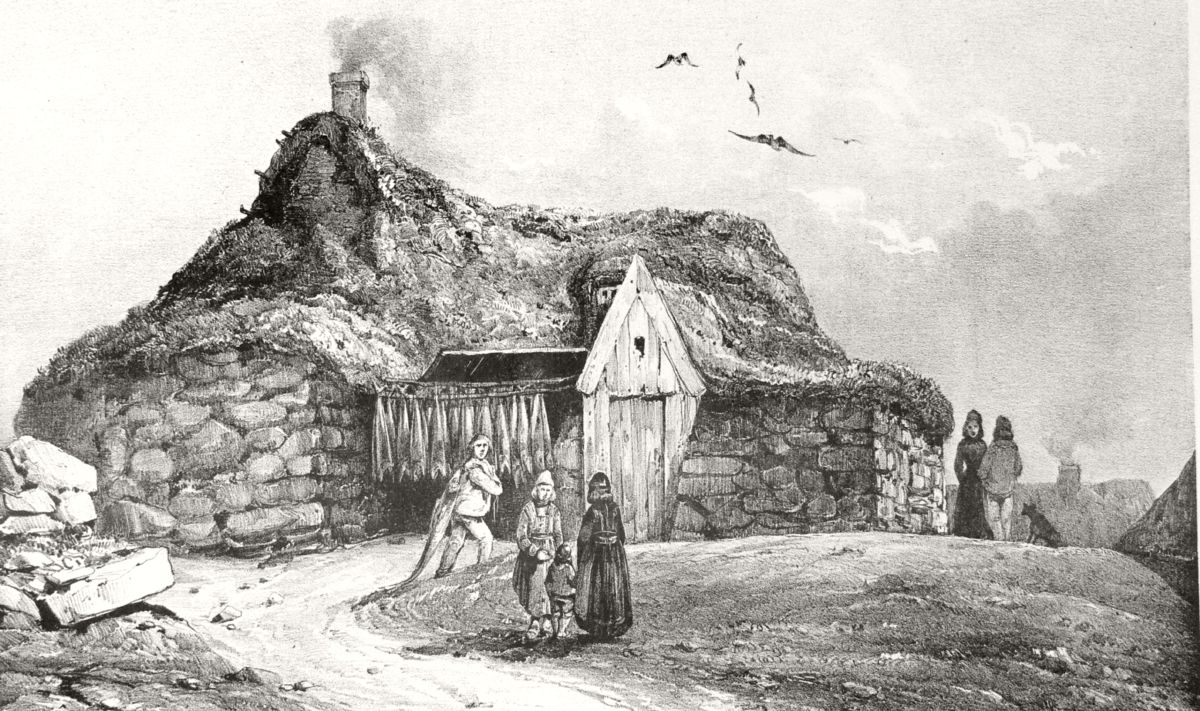
A glimpse of Reykjavik's history
Höfði House stands as a testament to Reykjavik's rich past. This charming white building, once the site of a historic summit between Ronald Reagan and Mikhail Gorbachev in 1986, is surrounded by a lovely garden. Visitors can stroll through the area and enjoy the view of the nearby harbor. The house itself is not open to the public, but the exterior is worth a look. Keep an eye out for the local swans that often grace the waters nearby. Just remember, the weather can change quickly, so bring a jacket.
Nature and culture in one spot
Perlan, with its glass dome, offers a unique blend of nature and culture. Inside, you can explore exhibitions about Iceland's glaciers and volcanoes. The observation deck provides a panoramic view of the city and surrounding landscapes. On a clear day, you can see the distant mountains and the ocean. The café serves traditional Icelandic dishes, including lamb soup, which is perfect after a chilly visit. Be prepared for crowds, especially during weekends, as locals and tourists alike flock to this popular spot.
A hub for music and art
Harpa Concert Hall is a striking architectural feat located by the waterfront. Its glass facade reflects the changing light, creating a beautiful sight at any time of day. Inside, you can catch a concert or simply enjoy the space. The hall hosts a variety of performances, from classical music to contemporary shows. If you are not attending an event, the café on the ground floor offers a cozy spot to relax. Be aware that parking can be tricky during events, so consider using public transport.