search
search
add New trip
Iceland

Iceland

IS calendar_monthMay–Sepbest time schedule10 daysplan for child_careYeswith kids confirmation_numberExpensiveprice flagReykjavikcapital krIcelandic krónacurrency translateIcelandiclanguage
IcelandYour own route Plan a trip here →

Iceland is a land of striking contrasts, where glaciers meet volcanoes and hot springs bubble beneath the surface. The dramatic landscapes are complemented by a rich cultural heritage and a welcoming atmosphere, making it a unique destination for travelers seeking adventure and tranquility.

In pictures

Iceland
Iceland
Iceland
Iceland
Iceland
Iceland
Iceland
Iceland

Sightseeing

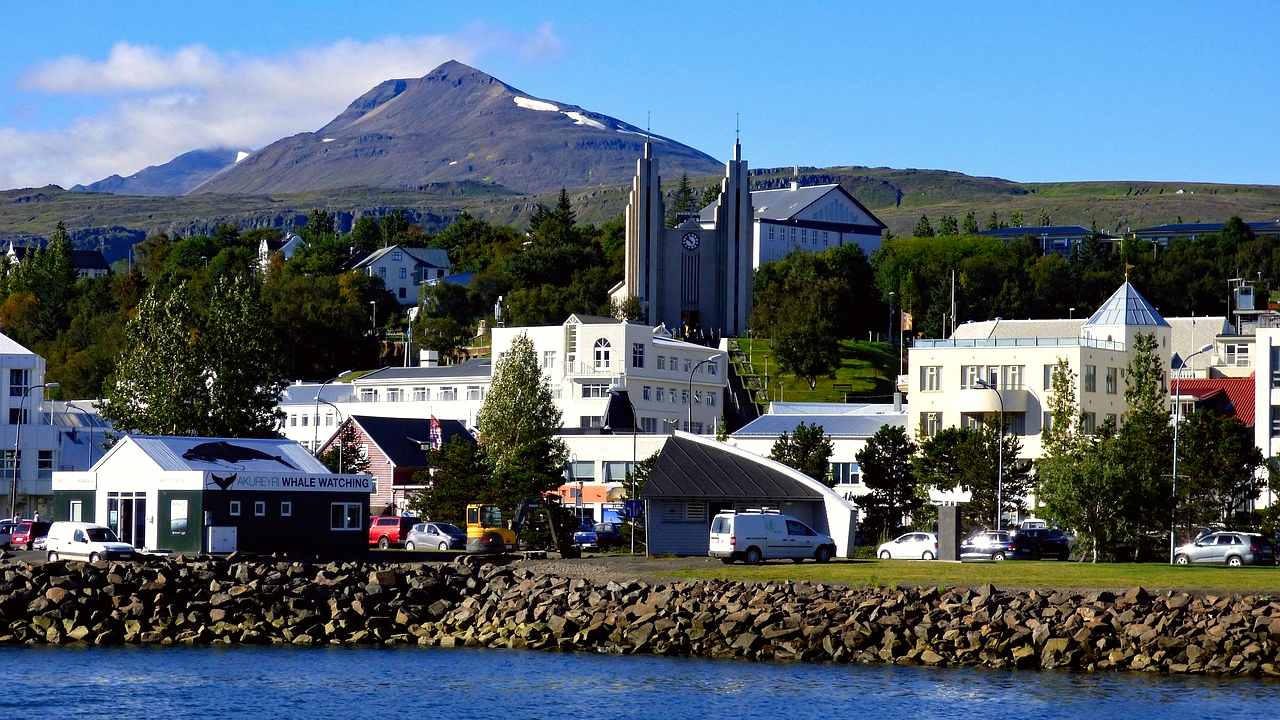
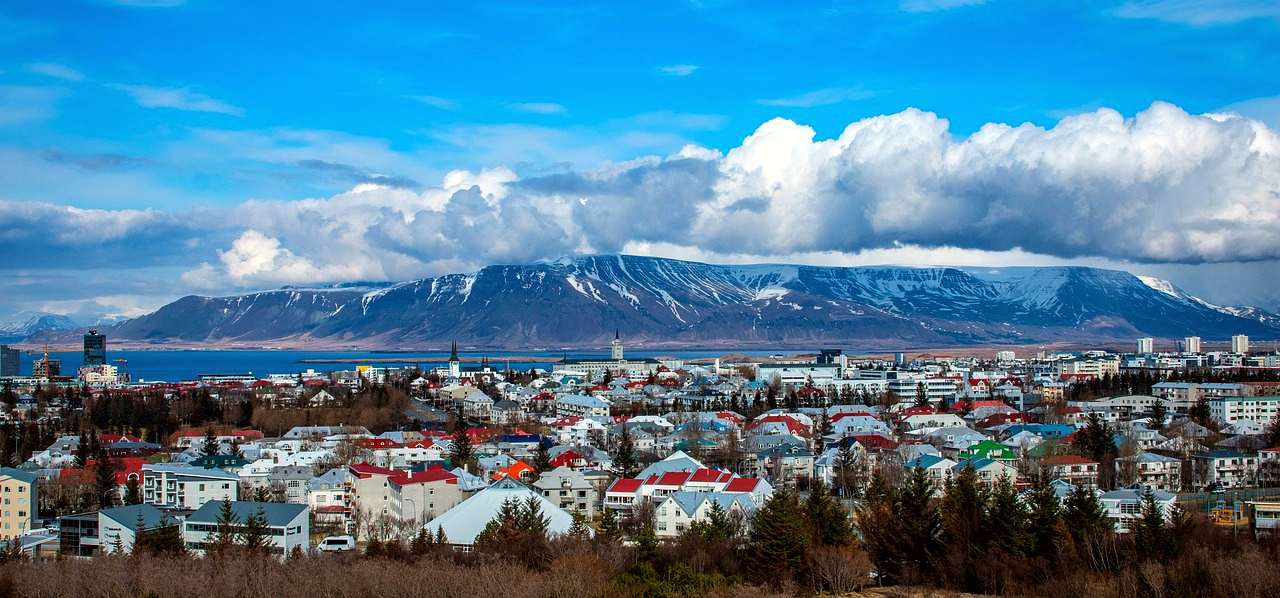
Reykjavik: the colorful capital with a lively arts scene
Golden Circle: a popular route featuring geysers and waterfalls
Blue Lagoon: a famous geothermal spa near Reykjavik
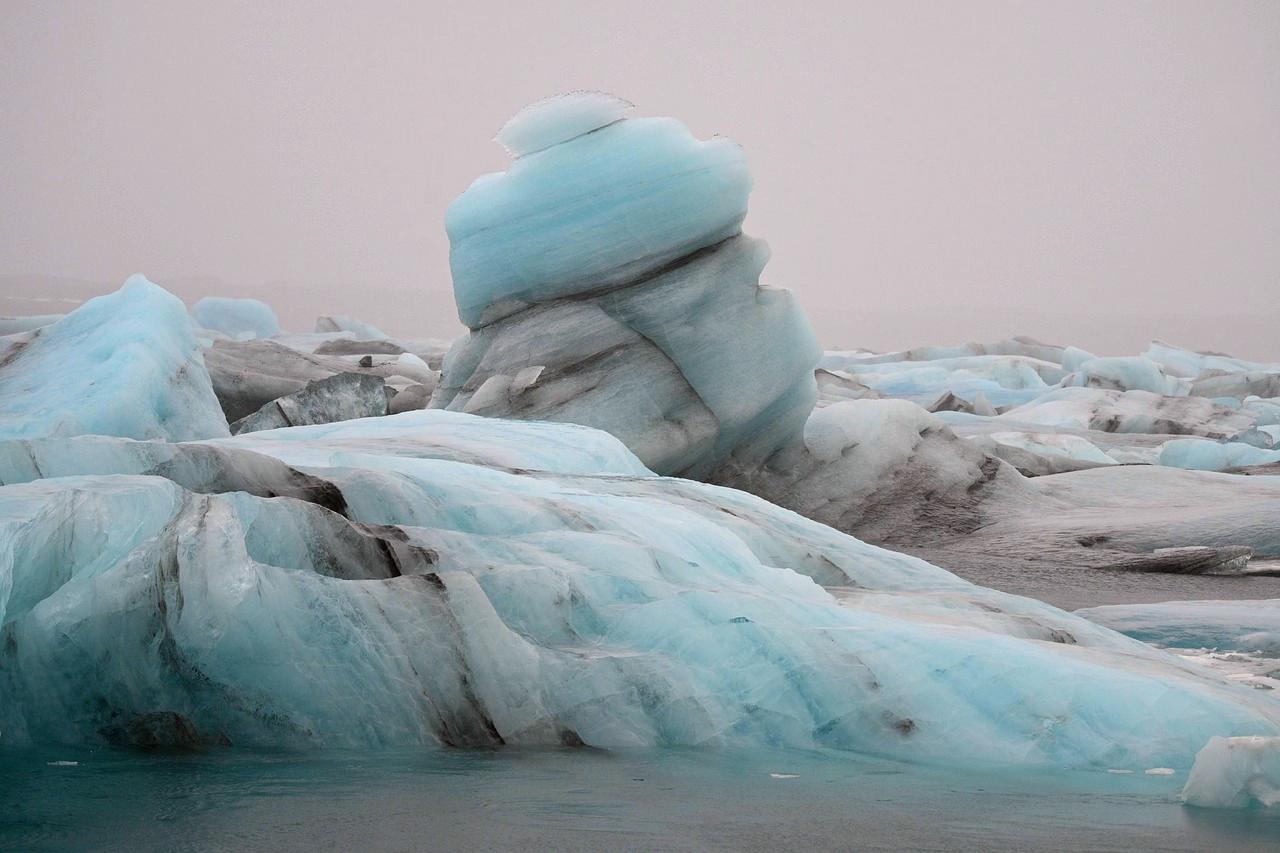
Jökulsárlón: a stunning glacial lagoon with floating icebergs
Vatnajökull National Park: home to Europe's largest glacier
Snæfellsnes Peninsula: known for its diverse landscapes and charming villages
Þingvellir National Park: a UNESCO World Heritage site with historical significance
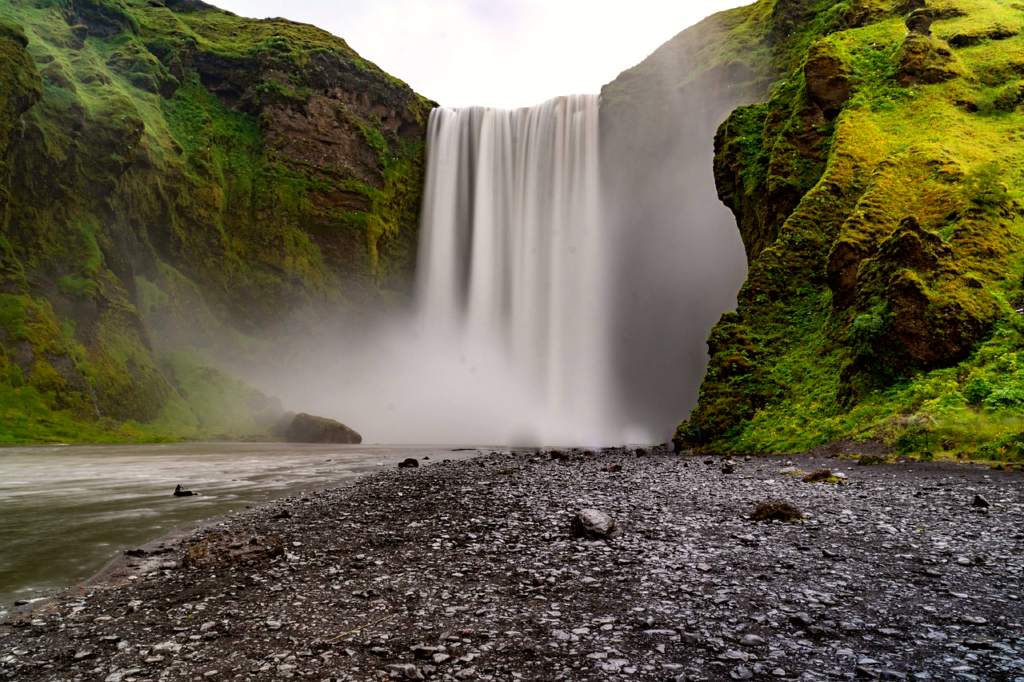
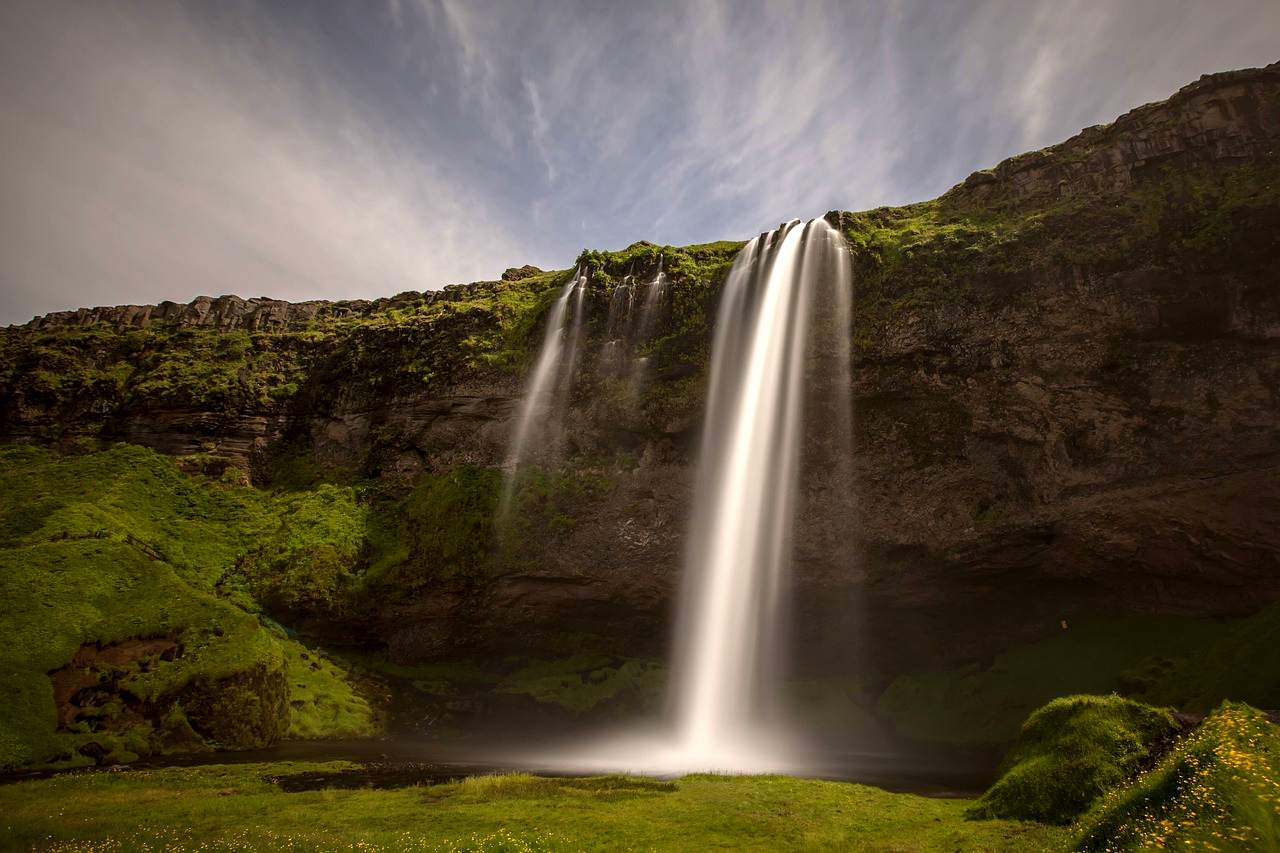
Seljalandsfoss: a picturesque waterfall you can walk behind

"Land of fire and ice"Iceland

Things to do

Soak in hot springs: relax in natural geothermal pools
Hike glaciers: explore the icy landscapes with guided tours
Chase the Northern Lights: witness this natural phenomenon in winter
Explore ice caves: venture into stunning blue ice formations
Visit volcanoes: hike to the craters of active volcanoes
Whale watching: take a boat tour from Reykjavik to see marine life
Experience midnight sun: enjoy long summer days with extended daylight
Attend local festivals: immerse yourself in Icelandic culture and traditions
Local food and drinks - Iceland

Local food and drinks

Hákarl: fermented shark, best tried in local restaurants
Skyr: a thick yogurt-like dairy product, perfect for breakfast
Lamb soup: hearty and warming, ideal after a day of exploring
Pylsur: Icelandic hot dogs, a must-try street food
Brennivín: a local schnapps, often called 'Black Death'
Seafood: fresh catches from the surrounding waters, available in coastal towns
Local traditions - Iceland

Local traditions

Þorrablót: a midwinter festival celebrating traditional foods
Reykjavik Culture Night: an annual event showcasing local art
Icelandic National Day: a celebration of independence on June 17
Jól: unique Icelandic Christmas traditions and folklore
Sumardagurinn Fyrsti: the first day of summer, celebrated in April

Do's and don'ts

Embrace the outdoors, explore Iceland's natural beauty
Try local foods, experience authentic Icelandic cuisine
Learn some Icelandic phrases, locals appreciate the effort
Respect local customs, be mindful of traditions
Take your time, enjoy the slow pace of life
Don't underestimate the weather, be prepared for changes
Don't disturb wildlife, observe from a distance
Don't litter, keep Iceland's landscapes pristine
Don't ignore safety warnings, especially near natural sites
Don't rush, savor the unique experiences
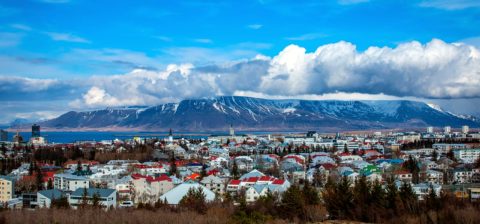
A panoramic view of Reykjavik's charm

A panoramic view of Reykjavik's charm

From the top of Hallgrímskirkja, you can see the colorful rooftops of Reykjavik stretching out below. This iconic church, designed to resemble basalt columns, offers a unique perspective of the city. The view includes the striking Harpa Concert Hall and the nearby mountains. Visiting early in the morning or late in the afternoon can provide a quieter experience, as the crowds tend to gather during peak hours. Remember to check the opening hours, as they can vary seasonally.

Höfði House: A piece of history

Höfði House: A piece of history

Höfði House is a significant landmark in Reykjavik, known for its role in the 1986 summit between Ronald Reagan and Mikhail Gorbachev. The building itself is charming, surrounded by a lovely garden that is perfect for a stroll. While the interior is not always open to the public, the exterior and its historical context make it worth a visit. Be mindful of the weather, as it can be quite windy near the waterfront.

Perlan: Nature and culture combined

Perlan: Nature and culture combined

Perlan, with its glass dome, offers a unique blend of nature and culture. Inside, you can explore exhibitions about Iceland's natural wonders, including glaciers and volcanoes. The observation deck provides a panoramic view of the city and surrounding landscapes. Visiting during the spring can be particularly pleasant, as the gardens bloom and the days grow longer. Just be prepared for the entrance fee, which can be a bit steep for some travelers.
info_outlinePracticalexpand_more
Population: 370.000
Best time: June to August for mild weather

About Iceland

The capital, Reykjavik, offers a vibrant arts scene and cozy cafes, while the countryside invites exploration of natural wonders like the Golden Circle and the Blue Lagoon. However, be prepared for unpredictable weather and high living costs, which can catch some travelers off guard.

Basic information

Capital: Reykjavik
Language: Icelandic
Currency: Icelandic króna
Best time to visit: June to August for mild weather

Travel information

Fly into Keflavik International Airport, the main gateway Rent a car for flexibility in exploring remote areas Public transport is limited outside Reykjavik, plan accordingly Credit cards are widely accepted, cash is less common Mobile connectivity is good, but remote areas may have limited service

Things to know

Expect rapidly changing weather, dress in layers
Accommodations can be pricey, book in advance
Respect nature, stick to marked paths to preserve landscapes
Be cautious of strong currents when swimming in natural pools
Tipping is not customary, but appreciated for good service

Good to know

Accessibility: Many areas are accessible, but some remote sites may be challenging.
Price level: expensive
history_eduHistoryexpand_more
History - Iceland

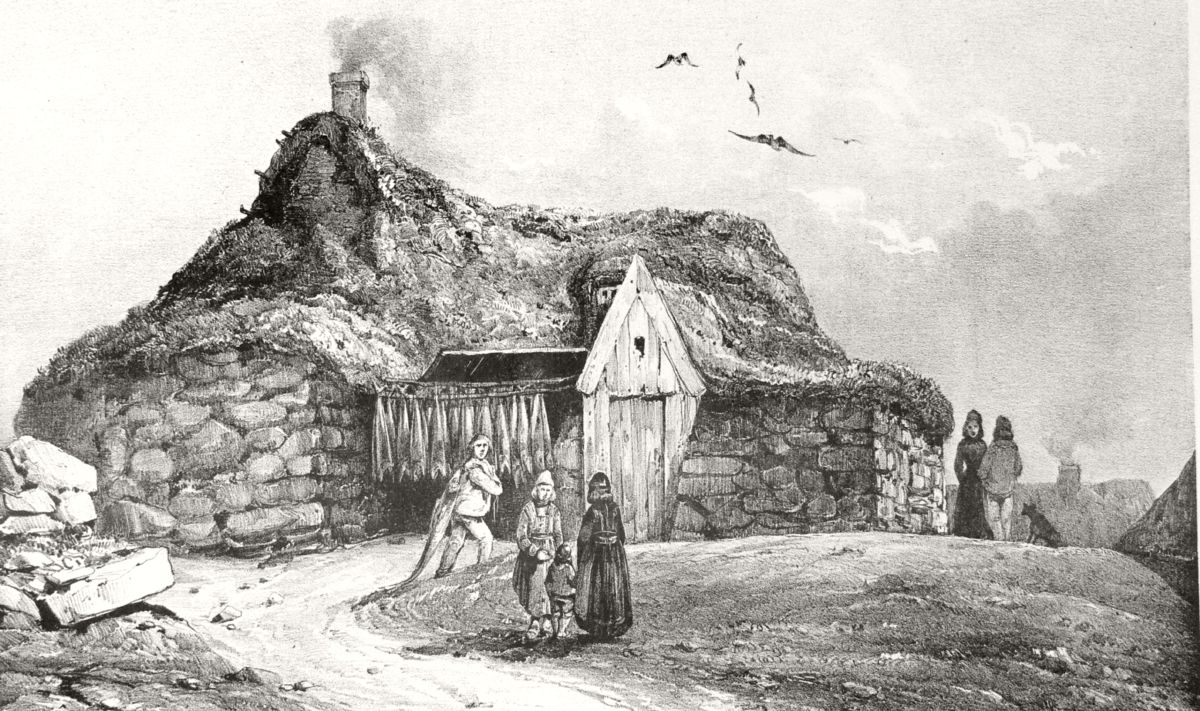
Iceland was settled by Norse Vikings in the late 9th century, establishing a unique culture that blends Norse and Celtic influences. The Althing, one of the world's oldest parliaments, was founded in 930 AD, marking the beginning of Iceland's democratic governance.

Over the centuries, Iceland faced challenges such as volcanic eruptions and harsh weather, but it maintained its independence. In 1944, Iceland became a republic, and today it is known for its progressive values and commitment to sustainability, attracting visitors from around the globe.

Photo: Wikipedia / Wikimedia Commons