search
search
add New trip
Reykjavík

Reykjavík

MarcelDominic · Pixabay
calendar_monthMay–Sepbest time schedule3 daysplan for child_careYeswith kids confirmation_numberExpensiveprice
ReykjavíkYour own route Plan a trip here →

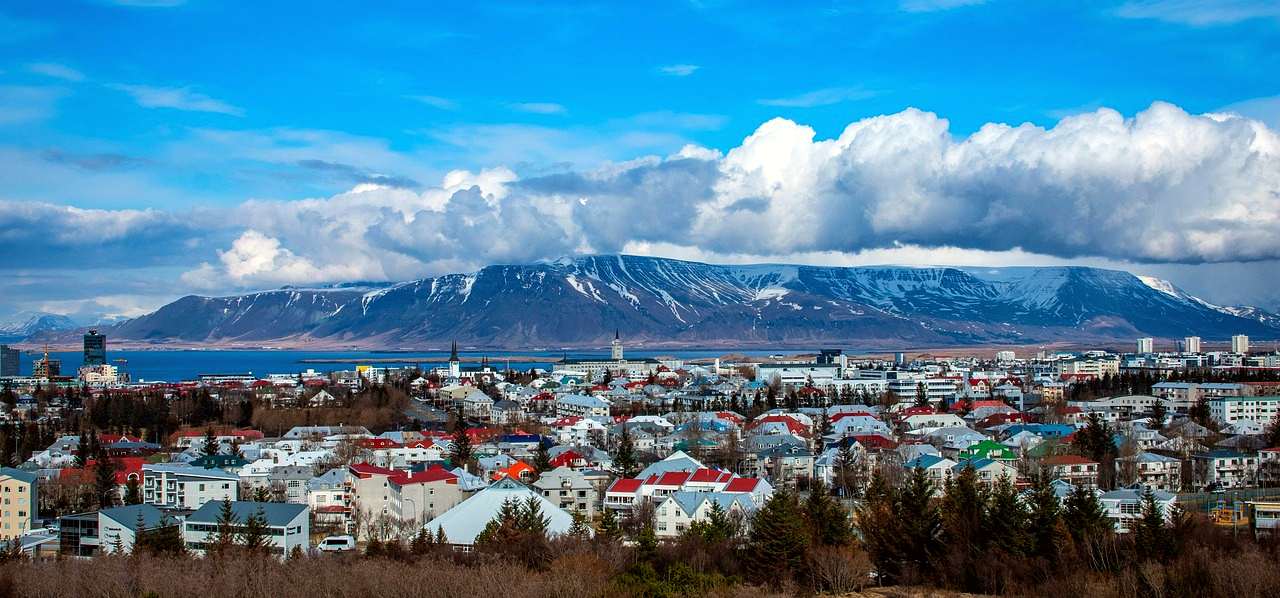
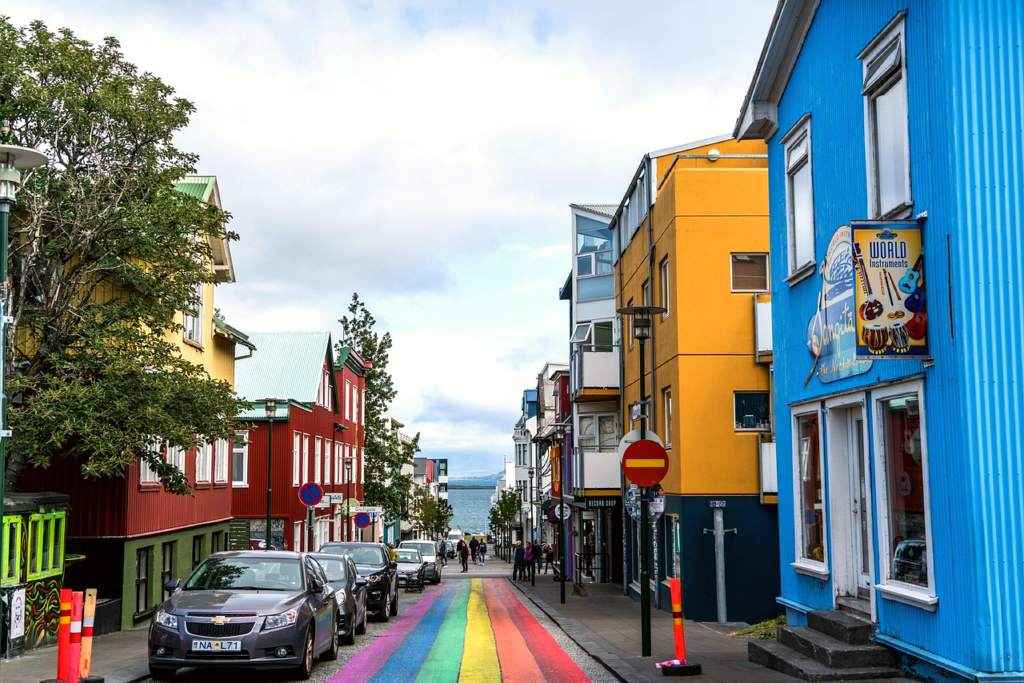
Reykjavík, the capital of Iceland, is a city where modern life meets rich history. Its colorful buildings and unique architecture create a distinct atmosphere, inviting visitors to explore its streets and parks.

Read more

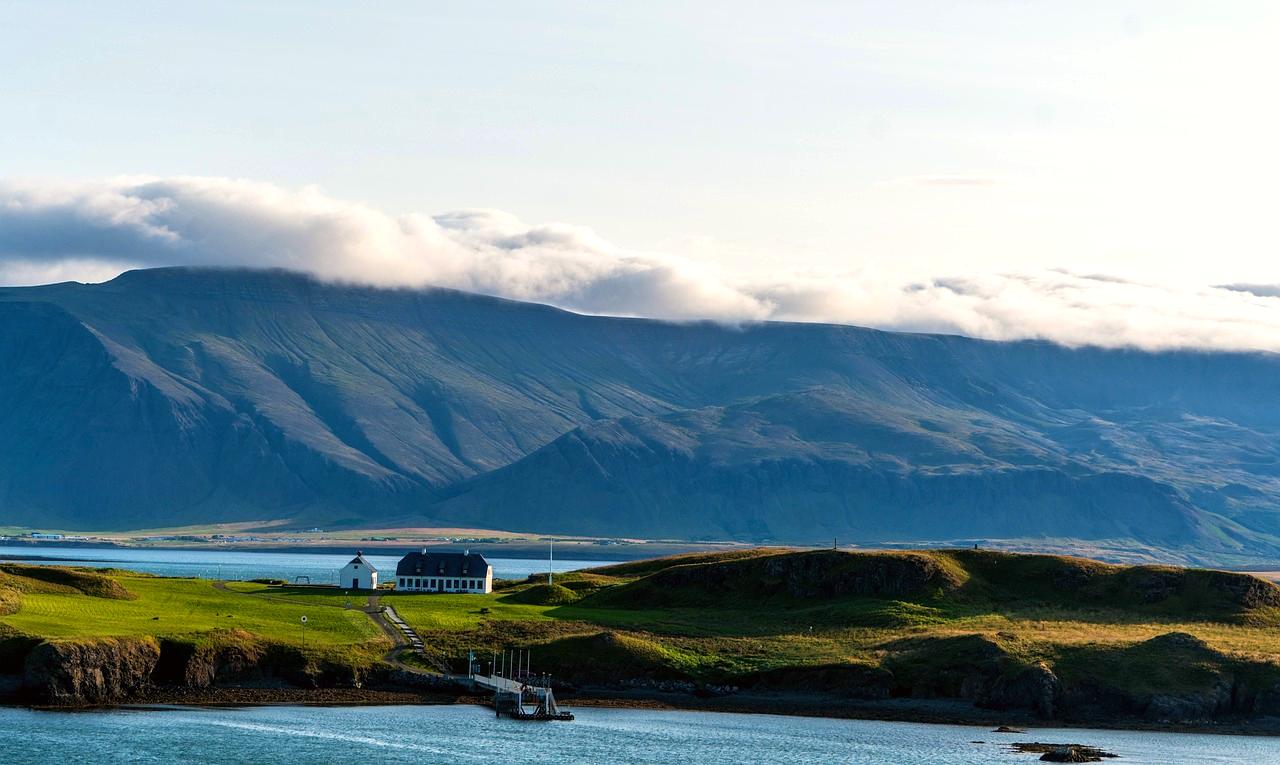
The city is compact, making it easy to navigate on foot. You can find a mix of local culture, art, and nature, with the nearby coastline and mountains providing a stunning backdrop for your adventures.

Routes through here

Every route opens in the planner as your own copy: change any stop, any night.

In pictures

Reykjavík MarcelDominic · Pixabay
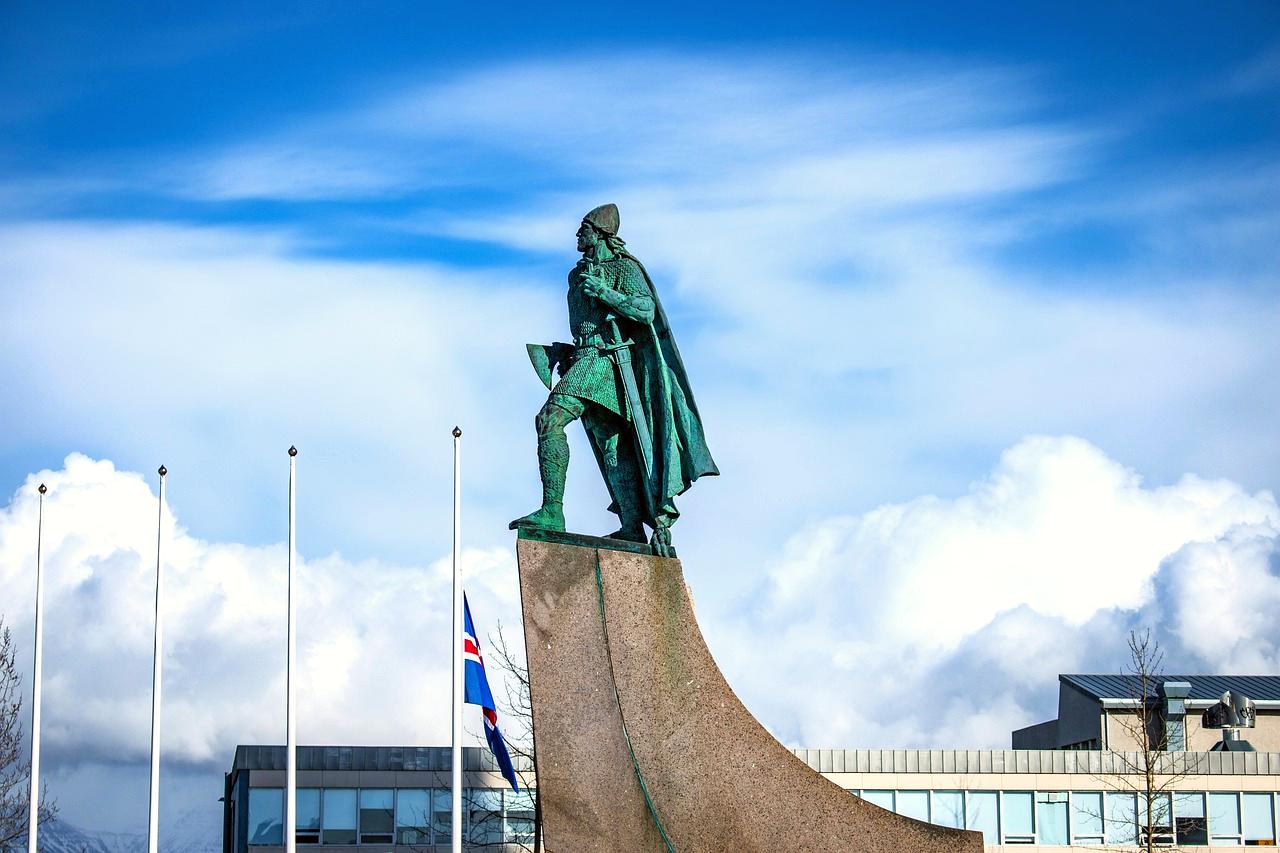
Reykjavík Michelle-Maria · Pixabay

Sightseeing

Hallgrímskirkja: iconic church with a tower offering panoramic views
Harpa Concert Hall: modern architectural marvel hosting concerts and events
Tjörnin: a serene pond in the city center, popular for birdwatching
National Museum of Iceland: showcases the country's history and culture
Sun Voyager: a striking sculpture symbolizing exploration and discovery
Perlan: a glass dome with exhibitions and a viewing platform overlooking the city
Reykjavík Art Museum: contemporary art exhibitions across three locations
Laugavegur: the main shopping street filled with boutiques and cafes

"Experience the heart of Iceland"Reykjavík

Things to do

Visit a geothermal pool: relax in hot springs like Laugardalslaug or the smaller Nauthólsvík.
Explore local galleries: discover Icelandic art in various small galleries, including the Reykjavik Art Museum.
Attend a concert: enjoy live music at venues like Harpa or smaller bars such as Kex Hostel.
Take a walking tour: learn about the city's history and architecture from a local guide, especially during the summer when tours are more frequent.
Local food and drinks - Reykjavík Wikimedia Commons · Public domain

Local food and drinks

Bæjarins Beztu Pylsur: famous hot dog stand known for its toppings
Þrír Frakkar: try the traditional Icelandic fish stew
Kaffivagninn: a cozy café with local pastries and coffee
Matur og Drykkur: offers modern takes on traditional Icelandic dishes
Vínbúðin: government liquor store for purchasing alcohol at lower prices

Local traditions

Þorrablót: midwinter festival celebrating traditional Icelandic food
Reykjavík Culture Night: annual event showcasing local art and music
Icelandic National Day: festivities on June 17th celebrating independence
Christmas in Reykjavík: unique traditions and markets during the holiday season

Do's and don'ts

Try local dishes at traditional restaurants
Visit museums to learn about Icelandic culture
Take a stroll along the waterfront for scenic views
Engage with locals to learn about their way of life
Don't assume all shops accept credit cards; carry some cash
Don't miss the chance to try fermented shark, a local delicacy
Don't forget to check the weather before heading out
Don't rush your visit; take time to enjoy the city

Explore the colorful streets of Reykjavík

Reykjavík's streets are lined with houses painted in bright colors, creating a cheerful atmosphere. Walking along Laugavegur, the main shopping street, you will find a mix of boutiques, cafes, and art galleries. Stop by a local bakery for a slice of kleina, a traditional Icelandic pastry. The city’s compact layout makes it easy to wander from one interesting spot to another. Be sure to check out the Harpa Concert Hall, with its striking glass facade, which often hosts free events and performances.

Experience Icelandic culture at its core

The National Museum of Iceland offers a deep dive into the country's history, showcasing artifacts from the Viking Age to modern times. Admission is around 2,500 ISK, and the exhibits are well-curated, providing context to Iceland's unique cultural identity. After your visit, head to a nearby café for a bowl of lamb soup, a comforting dish that locals enjoy. The museum is a great starting point for understanding the stories that shape this fascinating nation.

Savor the flavors of Reykjavík's food scene

Reykjavík's food scene is diverse, with options ranging from street food to fine dining. Try the famous Icelandic hot dog at Bæjarins Beztu Pylsur, where you can enjoy a hot dog topped with crispy onions and remoulade for under 500 ISK. For a more upscale experience, consider dining at Dill, where you can savor dishes made from local ingredients. The culinary landscape reflects the island's natural bounty, making it a delightful experience for food lovers.

Practical

At a glance

Founded
871 AD
Population
131.000
Accessibility
Most areas are walkable, but some streets are uneven.
Price level
Expensive

Things to know

Expect high prices for food and drinks, especially in restaurants.
Public transport is limited; walking is often the best option.
Weather can be unpredictable; dress in layers.
Be cautious of tourist traps, especially in busy areas.
history_eduHistoryexpand_more

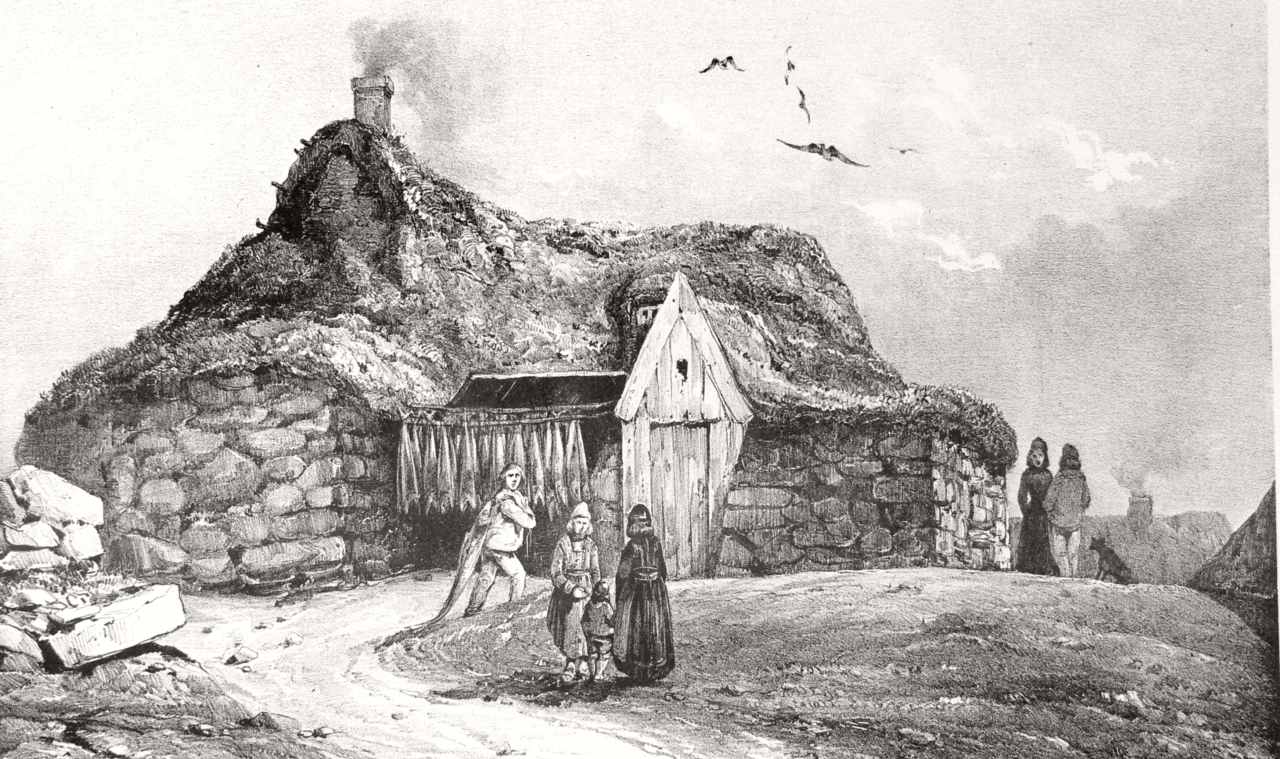
Reykjavík's history dates back to around 871 AD, making it one of the oldest settlements in Iceland. According to legend, the first settler, Ingólfur Arnarson, established his farm here after his seat pillars washed ashore. This marked the beginning of a community that would grow over the centuries. The city began to develop as a town in the 18th century, evolving from a small fishing village into the capital of Iceland. Today, it reflects a blend of historical significance and modern development, with a rich cultural scene and a strong sense of identity.

Photo: MarcelDominic · Pixabay Content License · Pixabay

Photo credits (4)