kiomigo
search
search
add New trip
Þingvellir National Park

Þingvellir National Park

Since: Established in 930 AD Price: Mid-range
accessible Accessibility: Some areas are accessible, but trails can be uneven

Introduction

Þingvellir National Park is a stunning blend of natural beauty and historical significance, located in Iceland. Visitors are greeted by dramatic landscapes, including rift valleys and crystal-clear waters, all while walking through a UNESCO World Heritage site that played a pivotal role in Iceland's history.

The park is not just a feast for the eyes; it offers a unique opportunity to stand between two tectonic plates. The atmosphere is serene, yet the park can get busy during peak tourist seasons, so plan your visit accordingly to fully appreciate its tranquility.

Sightseeing

Silfra Fissure: famous for snorkeling and diving
Öxarárfoss: picturesque waterfall within the park
Þingvallavatn: Iceland's largest natural lake
Almannagjá: impressive rift valley and geological feature
Þingvellir Church: historic site with beautiful architecture
Visitor Center: informative exhibits about the park's history and ecology

"Nature and history in harmony"Þingvellir National Park

Things to do

Snorkel in Silfra: experience crystal-clear waters
Hike the trails: explore various scenic routes
Birdwatching: spot unique Icelandic bird species
Photography: capture stunning landscapes and wildlife

Local food and drinks

Þingvellir Café: local dishes and coffee
Lamb Soup: traditional Icelandic comfort food
Skyr: Icelandic yogurt, a must-try
Local fish dishes: fresh and flavorful options

Local traditions

Þorrablót: midwinter festival celebrating traditional foods
National Day: June 17th celebrations with parades and events
Icelandic Sagas: storytelling traditions rooted in history
History - Þingvellir National Park

History

Þingvellir National Park is historically significant as the site of Iceland's first parliament, established in 930 AD. This gathering place, known as Alþingi, was where laws were made and disputes settled, marking the foundation of Icelandic democracy.

The park's geological features are equally fascinating, as it sits on the Mid-Atlantic Ridge, where the North American and Eurasian tectonic plates meet. This unique location has shaped both the landscape and the cultural heritage of the Icelandic people.

Things to know

Expect variable weather; dress in layers
Parking can be limited during peak times
Stay on marked paths to protect the environment
Wildlife is present; keep a safe distance

Do's and don'ts

Explore the park's trails
Bring a camera for stunning views
Respect the natural environment
Try local food at nearby cafes
Don't disturb wildlife or plants
Don't stray off marked paths
Don't visit without checking the weather
Don't rush your visit; take your time

Good to know

Accessibility: Some areas are accessible, but trails can be uneven
Price level: mid-range

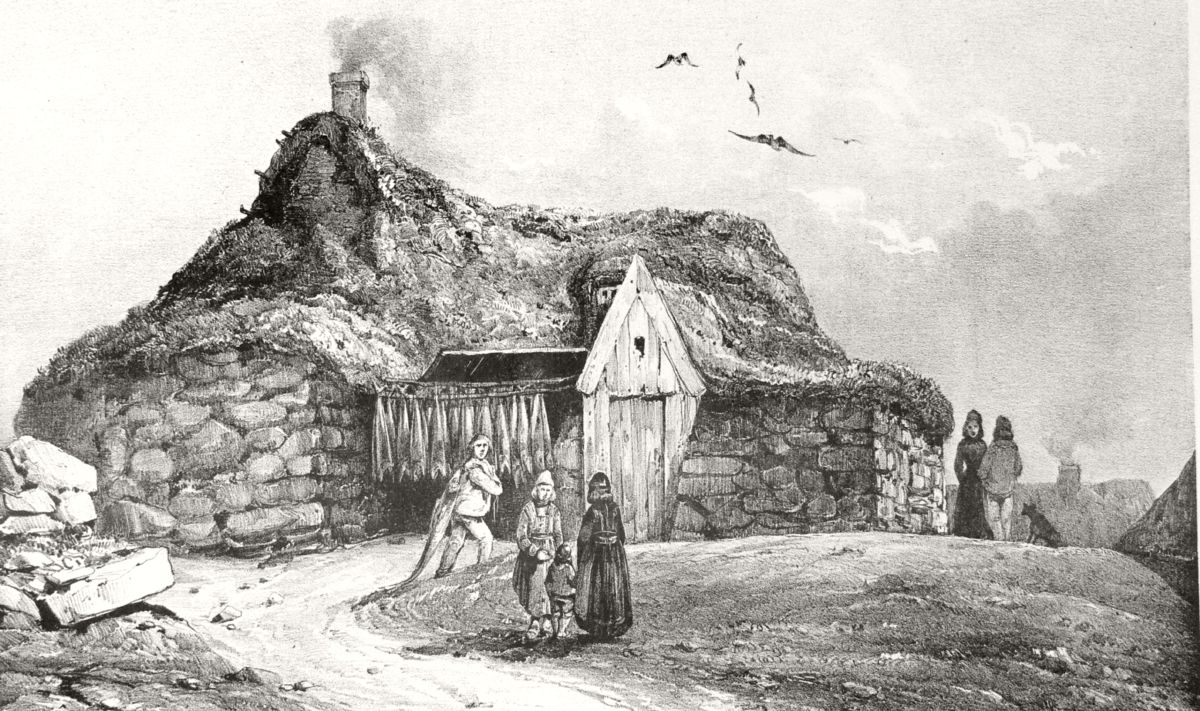
Photo: Wikipedia / Wikimedia Commons