Introduction
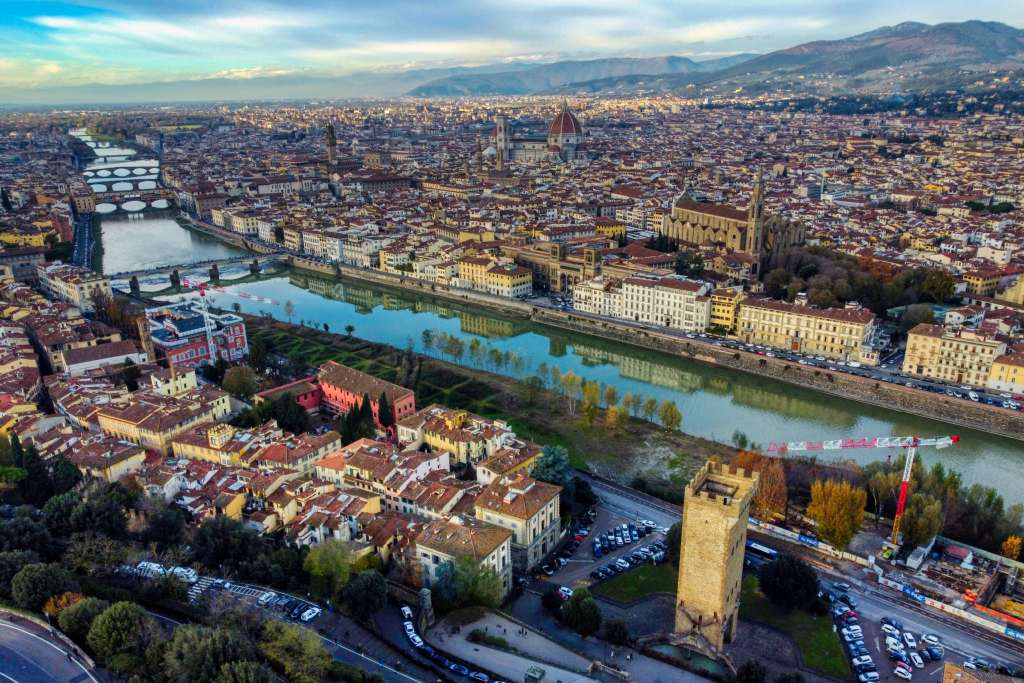
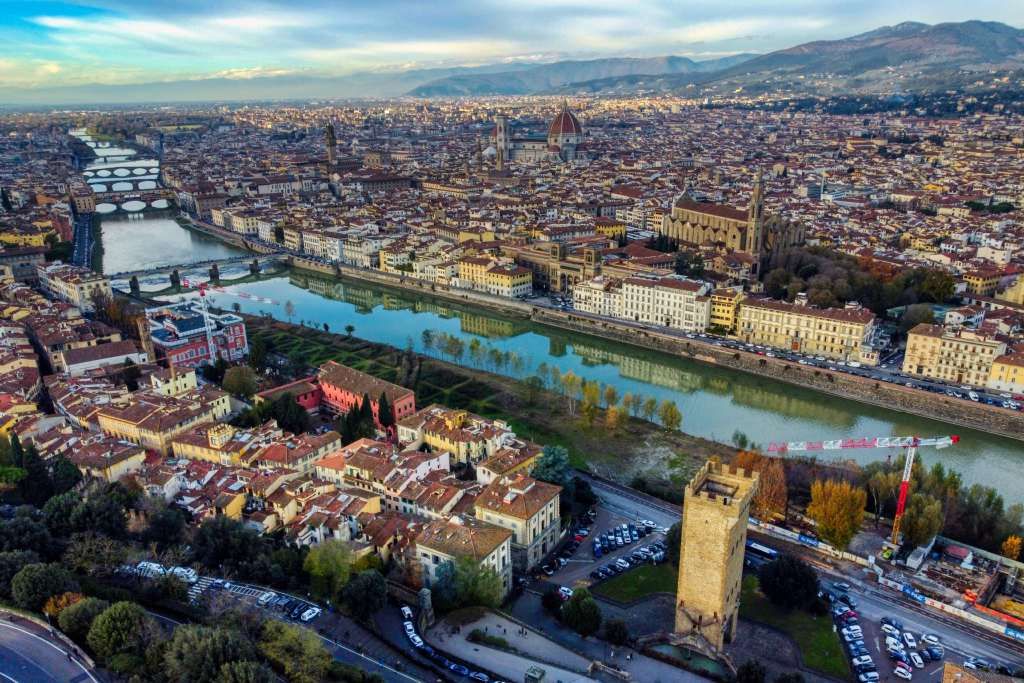
Florence is a city that feels like a living museum, where every corner reveals a piece of Renaissance art and history. The cobblestone streets are lined with stunning architecture, vibrant markets, and charming cafes, inviting visitors to explore at a leisurely pace.
However, it can be overwhelming during peak tourist seasons, so be prepared for crowds at major attractions. The city's rich culture and history are best appreciated with a bit of patience and a willingness to wander off the beaten path.
Sightseeing
Things to do
Top attractions
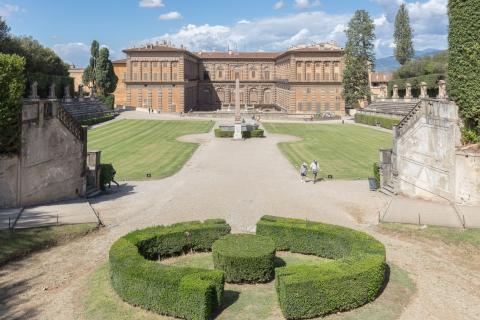
Boboli Gardens
Beautiful gardens with stunning views
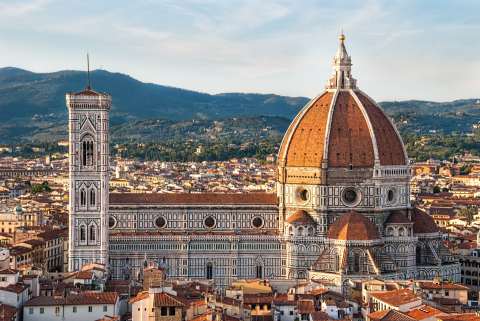
Florence Cathedral
Famous for its stunning dome
Florence Children's Museum
The Florence Children's Museum, located in the heart of Florence, is a delightful space designed to engage you
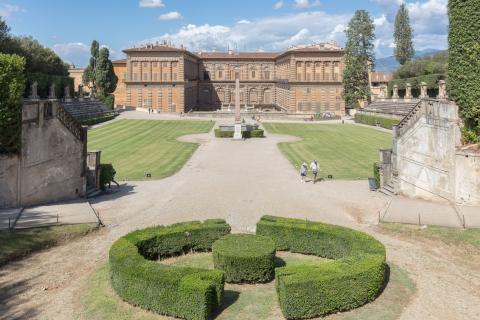
Giardino di Boboli
Giardino di Boboli is a historic park located behind the Pitti Palace in Florence, Italy. This expansive garde
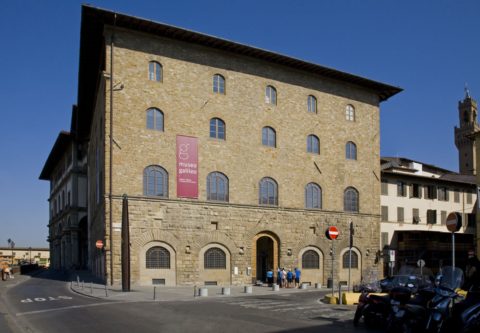
Museo Galileo
Museo Galileo is a fascinating museum located in Florence, Italy, dedicated to the history of science and the
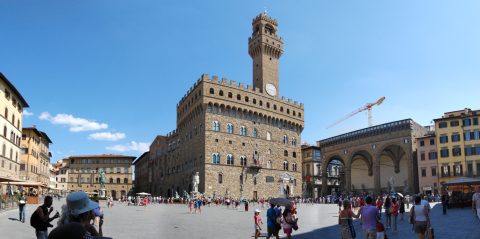
Piazza della Signoria
Piazza della Signoria is a historic square in Florence, Italy, known for its stunning architecture and rich hi
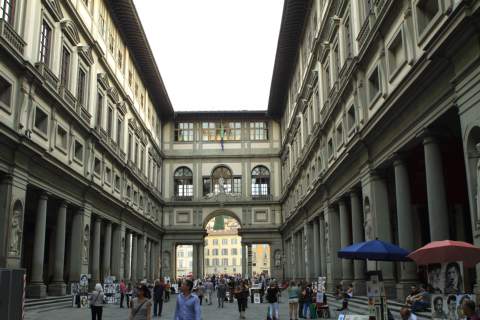
Uffizi Gallery
Home to world-renowned art collections
Local food and drinks
Local traditions
History
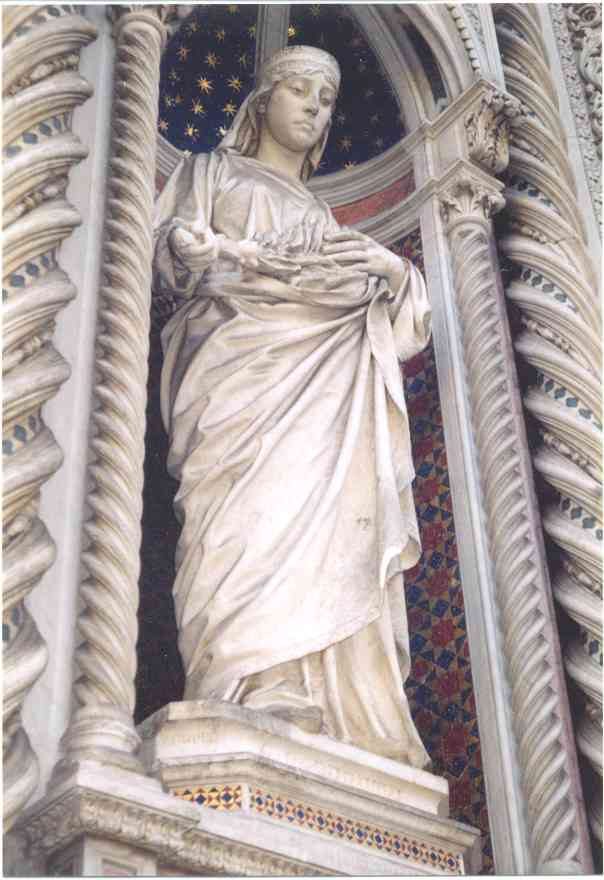
Florence was founded in 59 BC as a Roman military colony and quickly grew into a significant trade and cultural center. By the 14th century, it became the heart of the Renaissance, fostering artists like Leonardo da Vinci and Michelangelo, and establishing itself as a hub of art, architecture, and finance.
The Medici family played a crucial role in Florence's development, supporting the arts and sciences. However, the city faced political turmoil and economic challenges over the centuries, yet it has managed to preserve its rich heritage, making it a UNESCO World Heritage site.
Things to know
Do's and don'ts
Photo: Wikipedia / Wikimedia Commons