search
search
add New trip
Isola del Liri
DestinationsItalyLazio

Isola del Liri

Population: 8.000 Since: Founded around 200 BC Price: Mid-range

Introduction

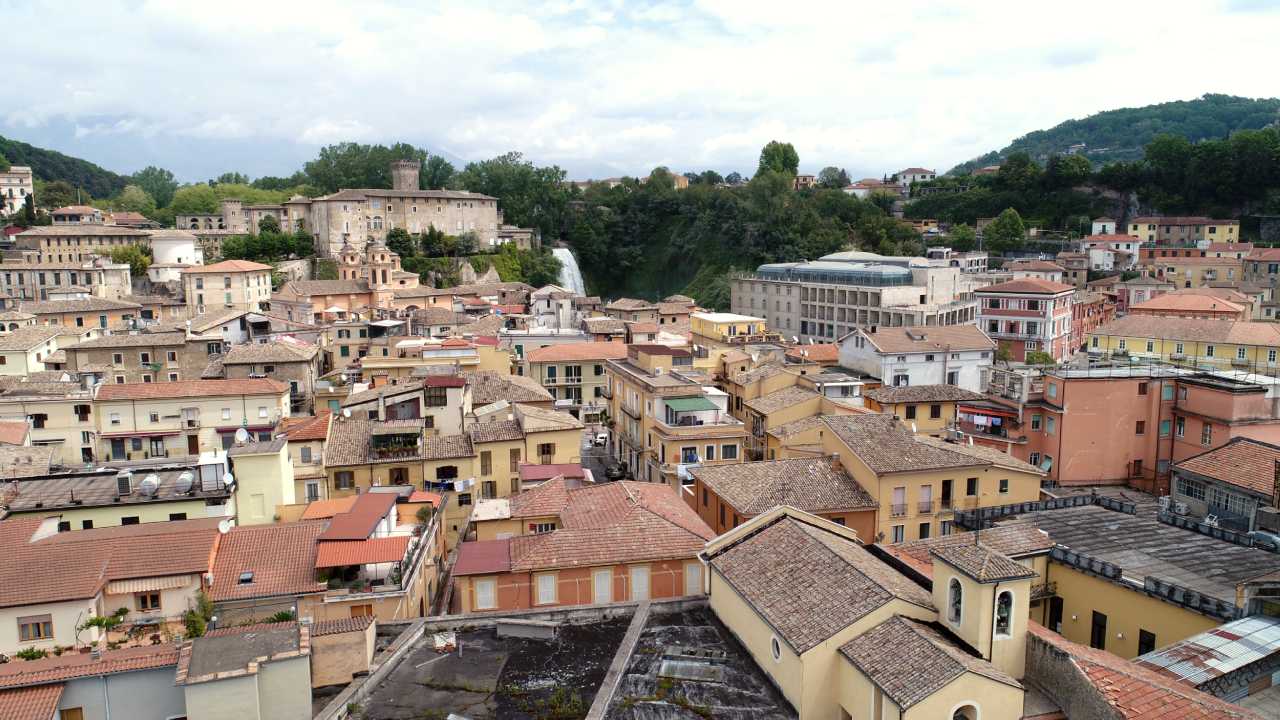
Isola del Liri is a charming town in Italy's Lazio region, known for its picturesque waterfalls and historic architecture. The town's atmosphere is relaxed, with a blend of local life and tourist interest, especially around the river that flows through it.

Visitors can stroll along the riverbanks, enjoying the sound of cascading water and the sight of old stone buildings. The town is small enough to explore on foot, making it easy to soak in the local culture and history.

Sightseeing

Waterfall of Isola del Liri: a striking waterfall right in the town center
Castello Boncompagni: a historic castle with beautiful views
Church of San Lorenzo: a notable church with impressive artwork
Piazza dei Caduti: a central square ideal for people-watching
Museo della Civiltà Contadina: a museum showcasing rural life in the area

"Experience the charm of Isola del Liri"Isola del Liri

Things to do

Walk along the Liri River: enjoy scenic views and fresh air
Visit local markets: experience authentic Italian shopping
Explore nearby hiking trails: discover the natural beauty of the region
Attend a local festival: immerse yourself in the town's traditions
Local food and drinks - Isola del Liri

Local food and drinks

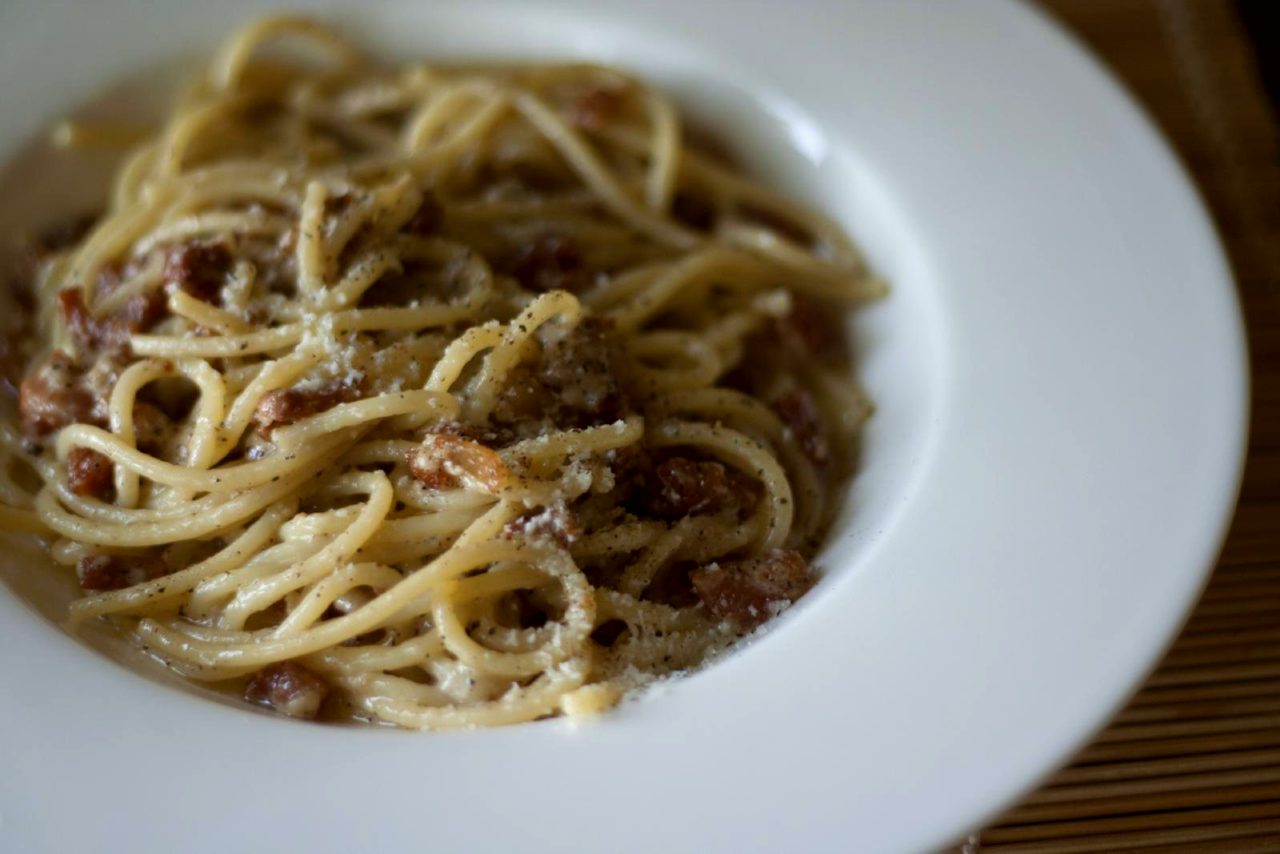
Pasta alla Gricia: a local pasta dish with guanciale and cheese
Porchetta: a flavorful roasted pork, often served in sandwiches
Gelato: try a scoop from one of the local gelaterias
Vino Cesanese: a red wine produced in the nearby hills
Caffè: enjoy a traditional Italian coffee at a local bar
Local traditions - Isola del Liri

Local traditions

Festa di San Lorenzo: a celebration in August with processions and fireworks
Sagra della Porchetta: a food festival dedicated to the local dish
Christmas markets: featuring local crafts and seasonal treats
Easter celebrations: with traditional processions and feasts

History

Isola del Liri has roots dating back to ancient Rome, originally serving as a strategic location due to its river. Over the centuries, it developed into a center for agriculture and trade, with its castle and churches reflecting its historical significance.

The town's architecture showcases various styles, from medieval to Renaissance, with many buildings telling stories of its past. The waterfalls became a focal point for industry in the 19th century, further shaping the town's identity.

Things to know

Public transport options are limited, so consider renting a car.
Some attractions may have irregular opening hours, especially in off-peak seasons.
Be cautious near the waterfalls; the paths can be slippery.
Watch for local traffic rules, as they can differ from other regions.

Do's and don'ts

Try the local cuisine at family-run trattorias.
Take a guided tour to learn more about the town's history.
Participate in local festivals for an authentic experience.
Respect local customs and traditions during your visit.
Don't rush through the town; take your time to explore.
Don't ignore local dining etiquette, such as saying 'buon appetito'.
Don't swim in the river; it can be dangerous.
Don't rely solely on English; learning a few Italian phrases helps.

Good to know

Accessibility: The town has some steep areas, but is generally walkable.
Price level: mid-range

Photo: Wikipedia / Wikimedia Commons