

Explore the layers of Genoa's history
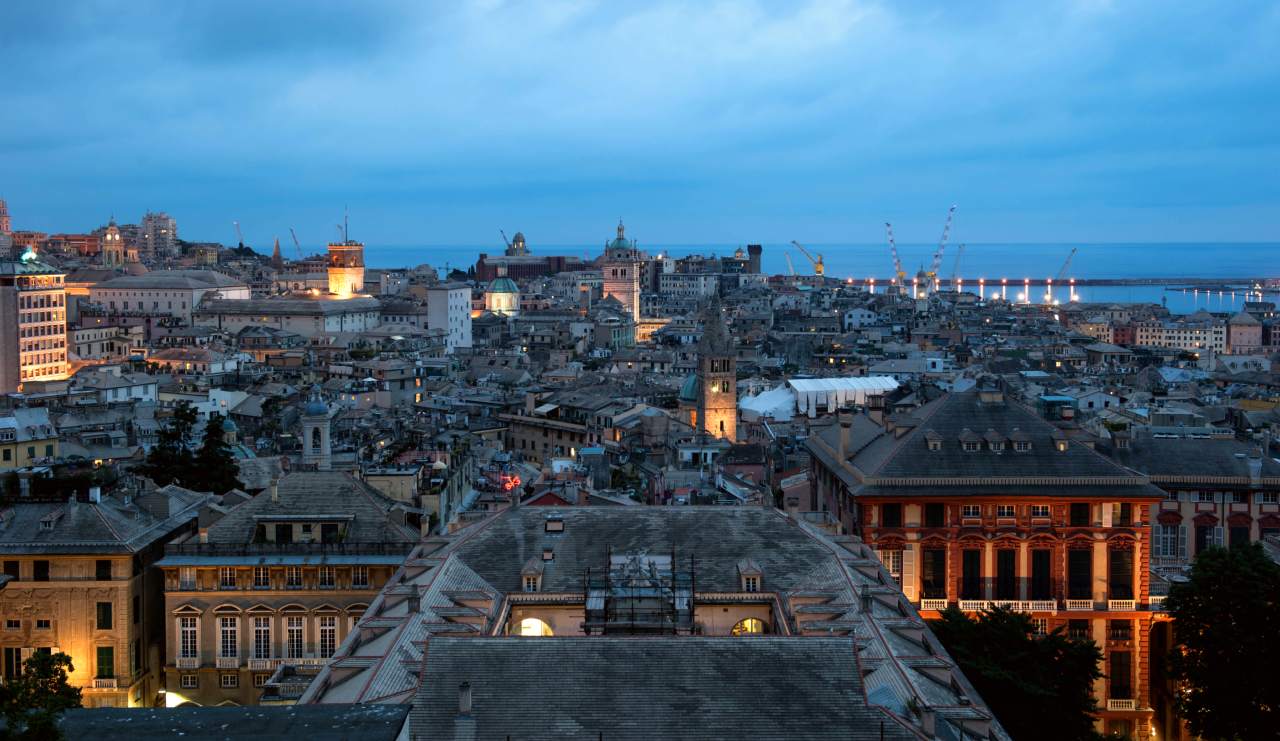
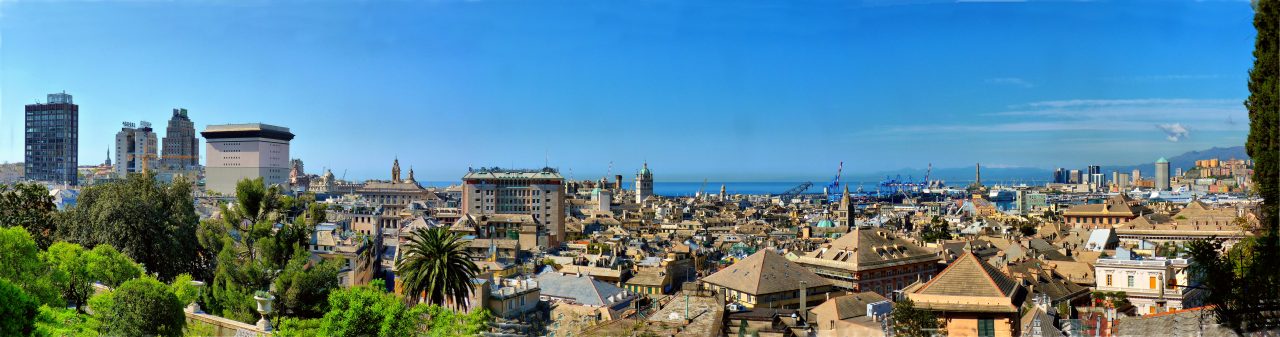
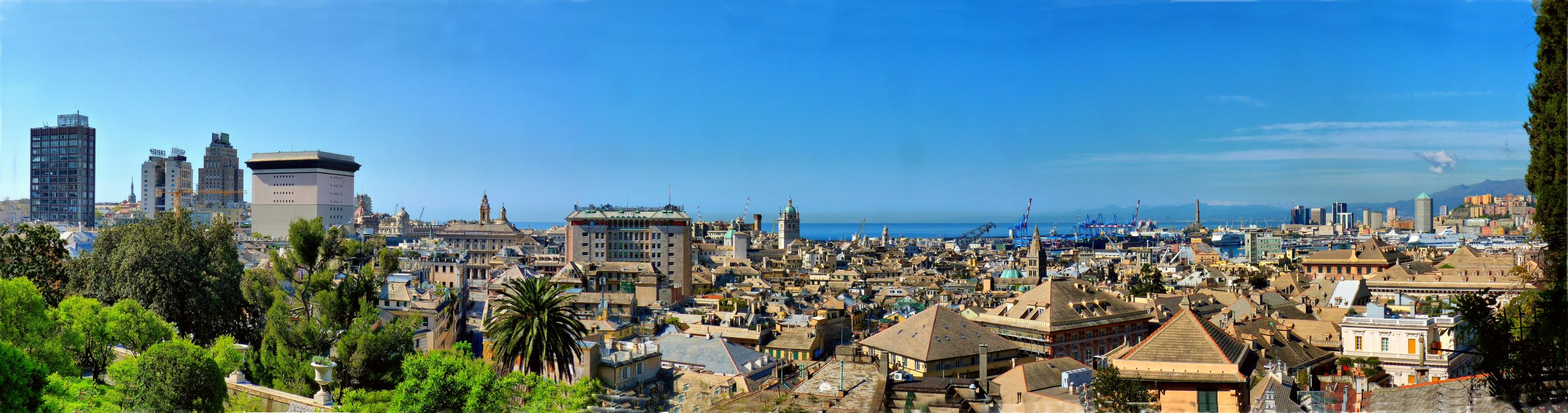
The view from Villetta Di Negro offers a sweeping panorama of Genoa's historical center. You can see the intricate rooftops and the narrow streets winding through the city. Take a moment to appreciate the mix of medieval and Baroque architecture. The area is less crowded than the port, allowing for a peaceful stroll. Look for the small shops selling local crafts and the occasional street musician. This vantage point is perfect for capturing the essence of Genoa, where every corner has a story to tell.
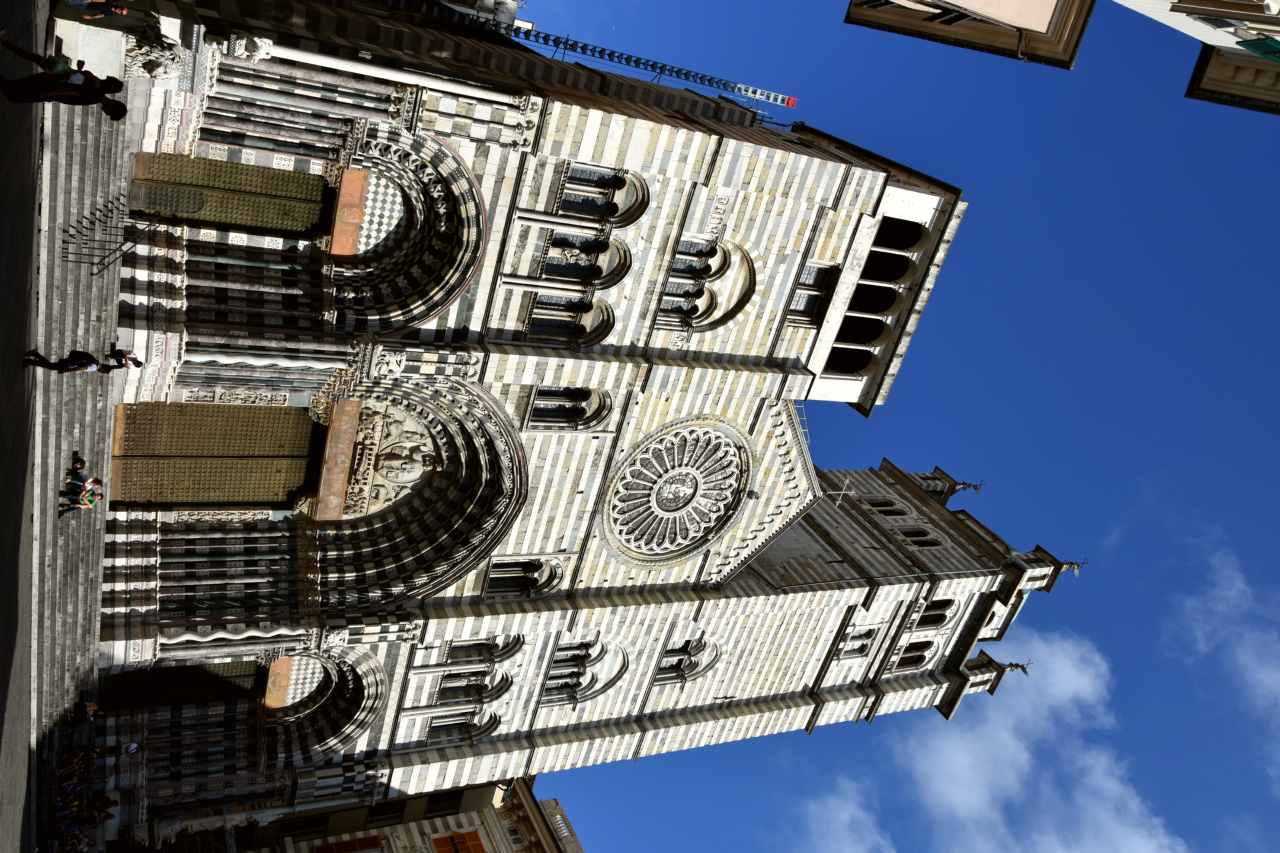
Visit the striking San Lorenzo Cathedral
San Lorenzo Cathedral stands out with its black and white striped facade. Inside, the cathedral houses beautiful chapels and intricate artwork, including a stunning silver altar. The atmosphere is serene, making it a great spot for reflection. Be sure to check the opening hours, as they can vary. Nearby, you can find the bustling Piazza San Lorenzo, where you can grab a coffee and watch the world go by. The cathedral is not just a religious site; it is a testament to Genoa's rich history and architectural prowess.
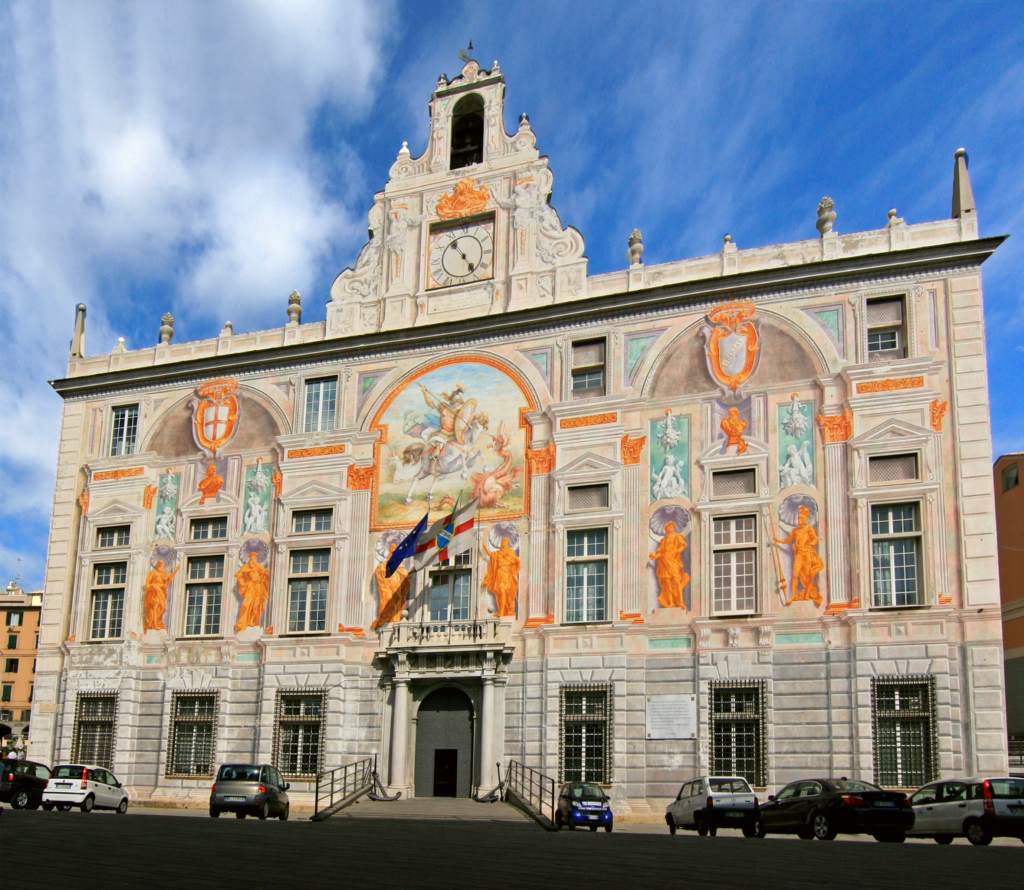
Discover the history of Palazzo San Giorgio
Palazzo San Giorgio is a striking example of Genoa's maritime history. Once a customs house, it now serves as a museum. The building's facade features beautiful frescoes and intricate stonework. Inside, you can explore exhibits that tell the story of Genoa's role in trade and exploration. The courtyard is a quiet place to sit and reflect on the city's past. Just a short walk away, you can find the vibrant waterfront, where you can enjoy fresh seafood at local restaurants. This site offers a glimpse into the city's evolution over centuries.