search
search
add New trip
Trentino-South Tyrol

Trentino-South Tyrol

IT calendar_monthSpring and autumnbest time
Trentino-South TyrolYour own route Plan a trip here →

Trentino-South Tyrol offers a blend of Italian and Austrian cultures, reflected in its architecture and cuisine. The Dolomites provide a stunning backdrop for outdoor activities like hiking and skiing, while charming towns invite leisurely exploration.

Read more

Visitors can enjoy the region's rich history through its castles and museums. The local markets showcase artisan products, and the scenic lakes are perfect for relaxation and photography.

Cities

Sightseeing
Dolomiti di Sesto: iconic mountain range with hiking trails
Lake Braies: picturesque lake known for its turquoise waters
Castel Tirolo: medieval castle with panoramic views
Bolzano's Ötzi Museum: home to the famous ice mummy
Merano Thermal Baths: relaxing spa experience in a historic setting
Trento Cathedral: stunning example of Romanesque architecture
Val di Fassa: popular valley for skiing and hiking
Riva del Garda: charming lakeside town with historical sites

"A blend of cultures and landscapes"Trentino-South Tyrol

Local food and drinks - Trentino-South Tyrol

Local food and drinks

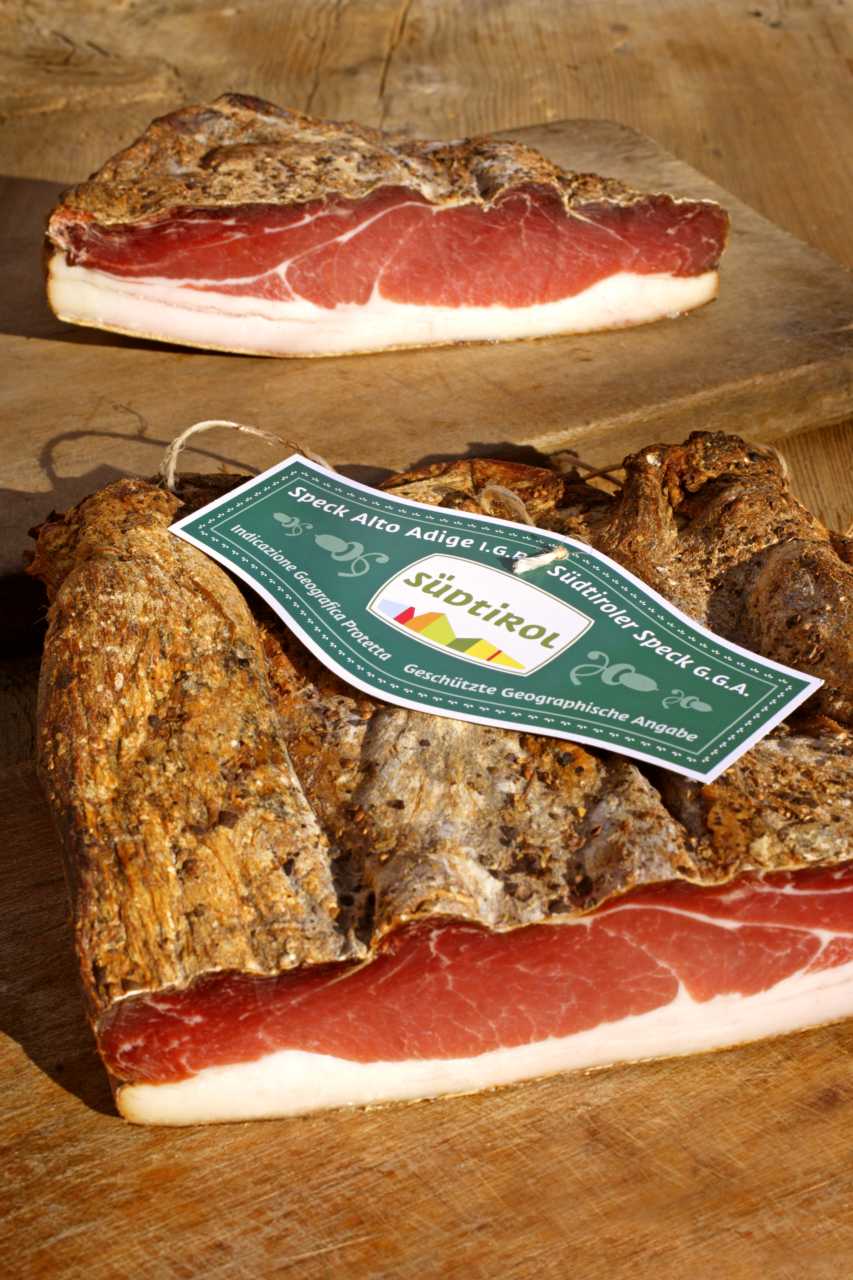
Speck: cured ham, often served with bread and cheese
Canederli: bread dumplings typically served in broth
Strudel: apple pastry, a sweet local favorite
Marzemino: red wine known for its fruity flavor
Grappa: strong distilled spirit made from grape pomace
Local traditions - Trentino-South Tyrol

Local traditions

Törggelen: autumn festival celebrating new wine and chestnuts
Christmas Markets: festive stalls selling crafts and local foods
Carnival of Trento: colorful parades and traditional costumes
Festa della Madonna di Campiglio: summer celebration with music and food

Practical

At a glance

Best time
Spring and autumn
history_eduHistoryexpand_more

Trentino-South Tyrol has a complex history influenced by both Italian and Germanic cultures. It was part of the Austro-Hungarian Empire until the end of World War I, after which it became part of Italy.

The region's diverse heritage is evident in its bilingual signs and cultural festivals. The autonomy granted to the region allows for the preservation of its unique traditions and languages, making it a fascinating area for history enthusiasts.

Photo: Wikipedia / Wikimedia Commons