search
search
add New trip
Arezzo

Arezzo

Population: 10.000 Since: Founded around 600 BC Price: Mid-range

Introduction

Arezzo offers a blend of history and local life. The streets are lined with medieval architecture, and the atmosphere is relaxed, inviting visitors to explore at their own pace.

The city is not overrun with tourists, allowing for a more authentic experience. You can wander through charming alleys and discover local shops and cafes that reflect the region's culture.

Sightseeing

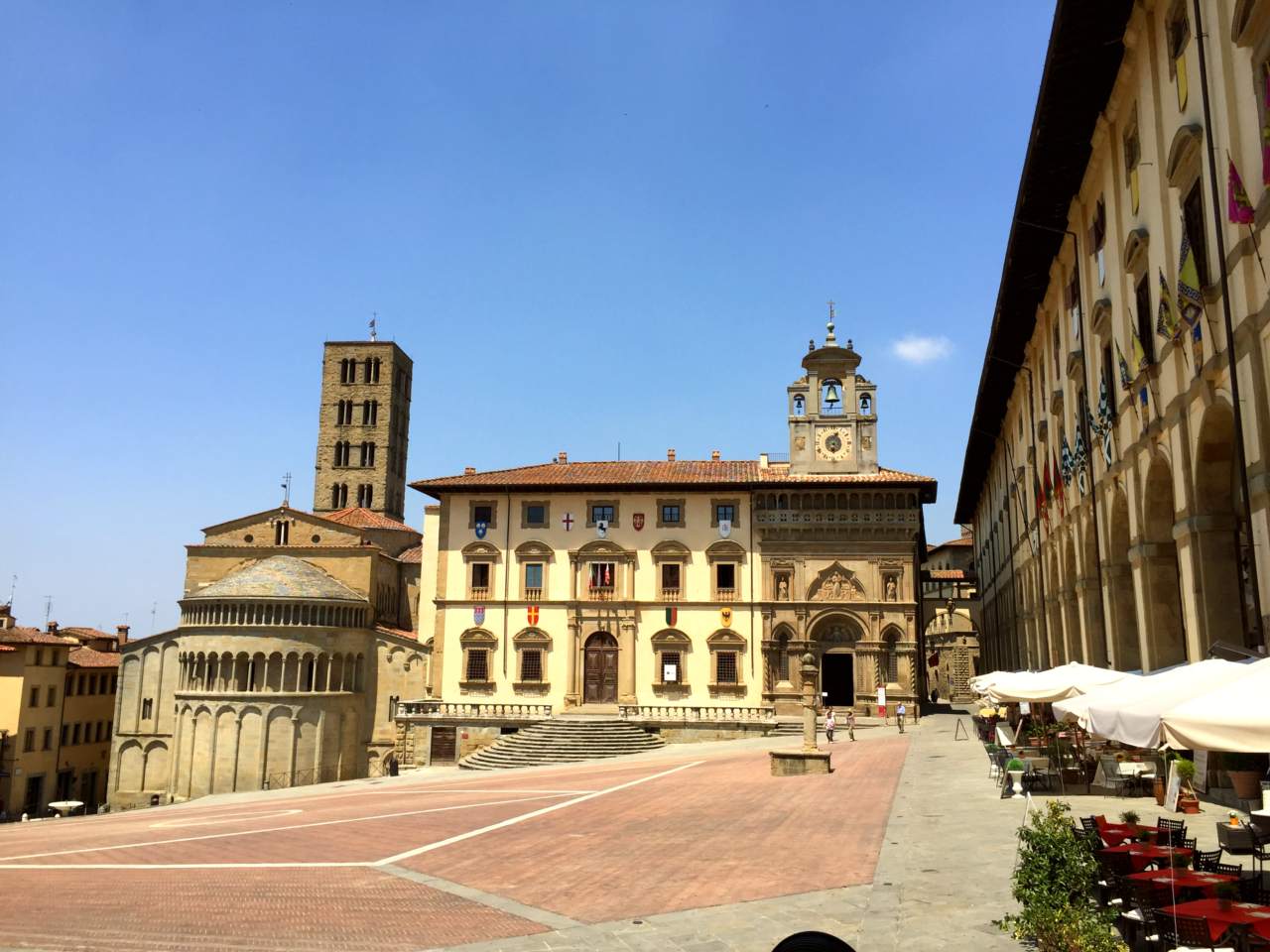
Piazza Grande: the main square surrounded by historic buildings
Roman Amphitheatre: remnants of ancient Roman architecture
Church of San Francesco: features Piero della Francesca's frescoes
Arezzo Cathedral: the city's main cathedral with impressive architecture
Church of Santa Maria della Pieve: known for its beautiful facade
Church of Santa Maria delle Grazie: a serene place of worship
San Lorenzo: a notable church in the area

"Experience the heart of Tuscany"Arezzo

Things to do

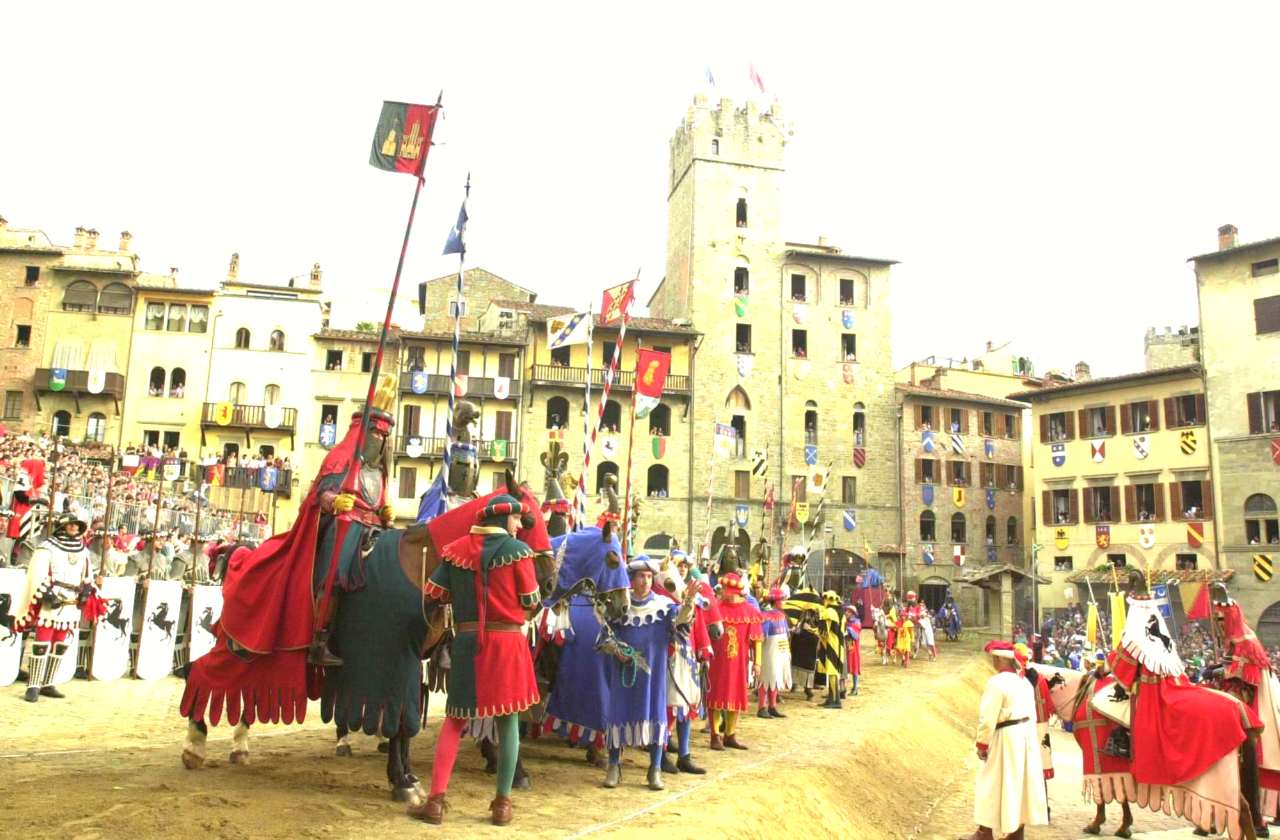
Attend the Giostra del Saracino: a historical jousting event held twice a year
Explore the Antiques Fair: browse through hundreds of stalls on the first weekend of each month
Visit local markets: experience the flavors and crafts of the region
Stroll through the old town: enjoy the quiet streets and local shops
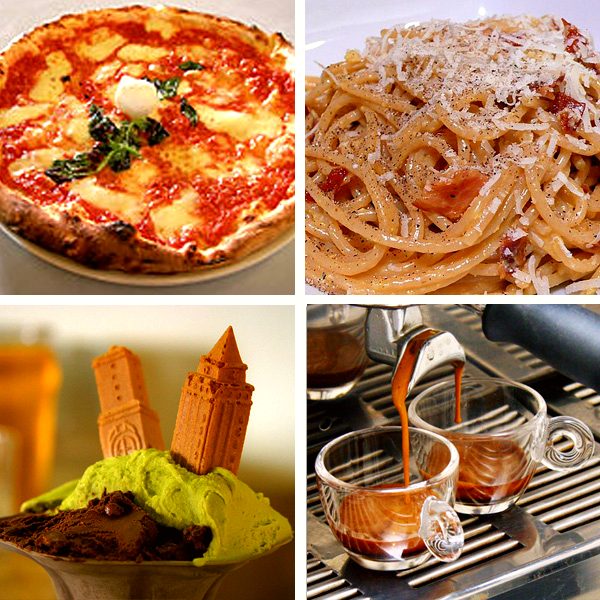
Local food and drinks - Arezzo

Local food and drinks

Acquacotta: a traditional bread soup with mushrooms
Ribollita: a hearty vegetable bread soup
Chianina Steak: a famous Tuscan beef dish
La Taverna del Pittore: a local eatery with a cozy atmosphere
Il Saraceno: known for its Tuscan specialties and local wines
Local traditions - Arezzo

Local traditions

Giostra del Saracino: a historical jousting competition
Antiques Fair: a monthly market showcasing local antiques
Local wine festivals: celebrating the region's wine production
Cultural events: various festivals throughout the year highlighting local art and music

History

Arezzo's history dates back to the Stone Age, with significant development by the Etruscans around the 4th century BC. It became known as Aretim and was part of the Etruscan League, later becoming Arretium under Roman rule.

In the 11th century, Arezzo gained independence as a free commune. It played a notable role in medieval politics, aligning with the Ghibellines. The city is also recognized for Guido d'Arezzo, who developed the musical notation system still used today.

Things to know

Public transport can be limited; consider walking or renting a bike
Some attractions may have reduced hours during off-peak seasons
Watch for pickpockets in crowded areas, especially during events
Parking can be challenging; use designated lots and public transport

Do's and don'ts

Try local dishes at family-run restaurants
Visit during the Giostra del Saracino for a unique experience
Explore the antique market for local crafts
Take time to enjoy a glass of wine in the piazza
Don't rush through the city; take your time to explore
Don't miss the smaller churches; they often have unique art
Don't rely solely on public transport; walking is often best
Don't ignore local customs; be respectful in religious sites

Good to know

Accessibility: Some areas have steep streets, limited wheelchair access
Price level: mid-range

Photo: Wikipedia / Wikimedia Commons