search
search
add New trip
Volterra

Volterra

Population: 11.000 Since: Founded around 800 BC Price: Mid-range

Introduction

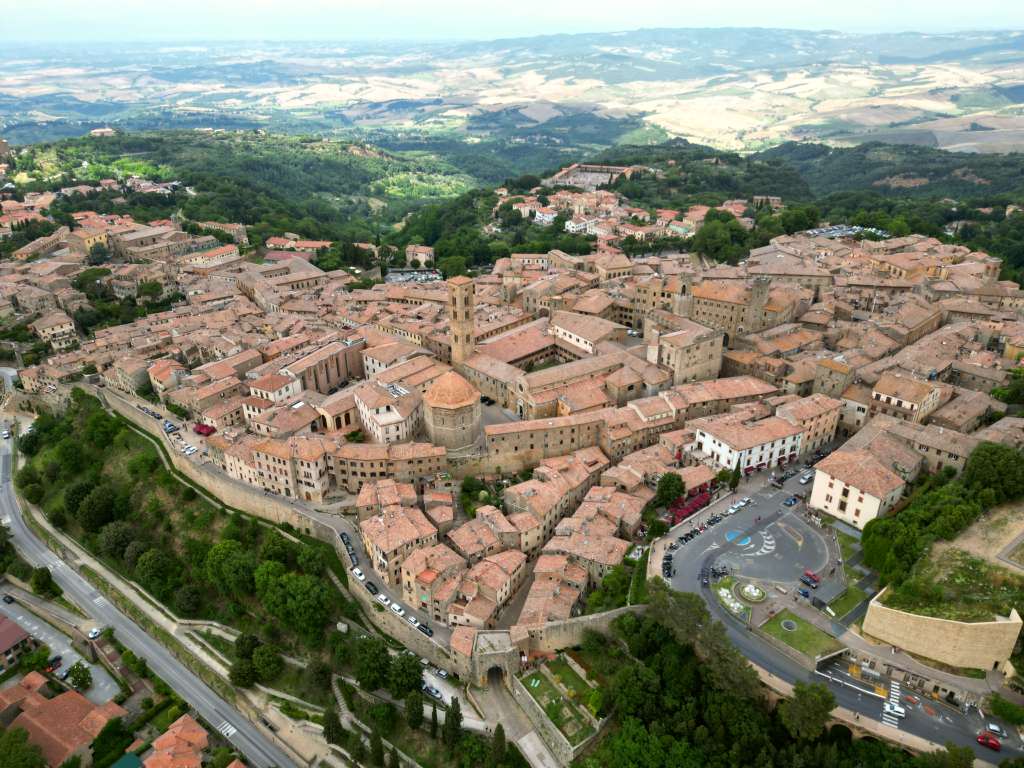
Volterra is a town rich in Etruscan history, with ancient walls and stone buildings that tell stories of the past. Visitors can wander through narrow streets lined with artisan shops and cafes, enjoying the slow pace of life.

The town's elevated position offers views of the surrounding Tuscan countryside. The atmosphere is relaxed, making it easy to spend a day exploring its historical sites and enjoying local cuisine.

Sightseeing

Porta all'Arco: A monumental gate from the 4th century BC, part of ancient town walls.
Duomo: A cathedral with a notable pulpit and altar, entrance through the baptistry.
Sacred Art Museum: A small museum showcasing church art, well-explained in English.
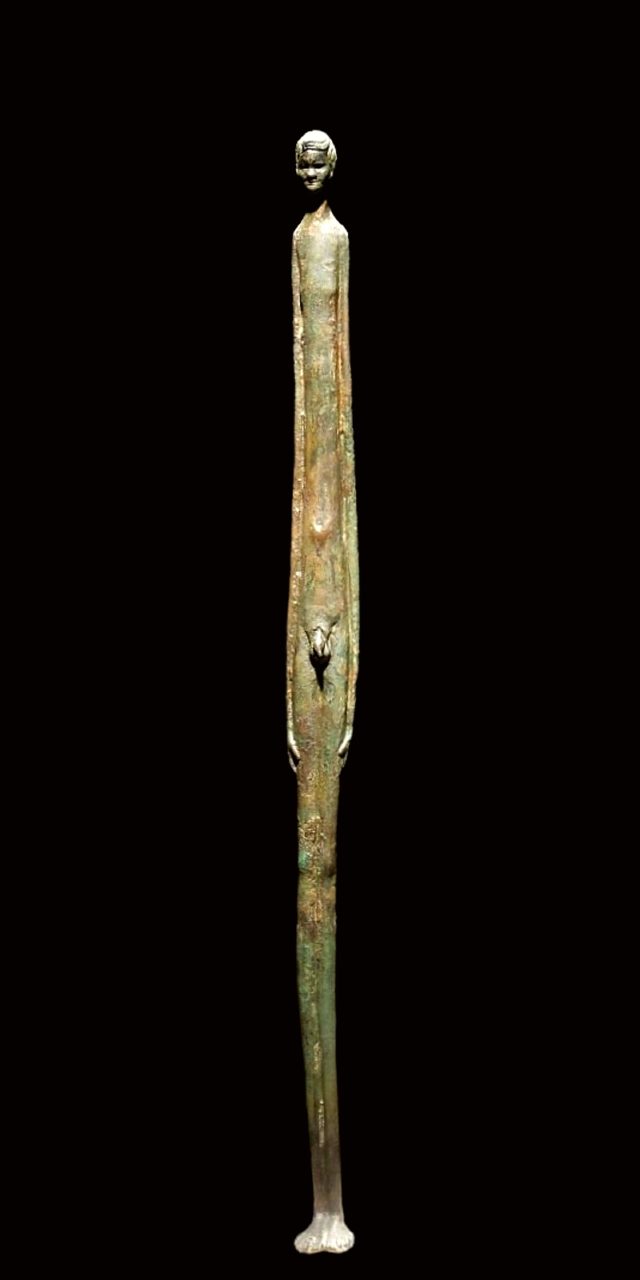
Etruscan Museum: Houses artifacts from the Etruscan civilization, located on Via Minzoni.

"History and beauty in every corner"Volterra

Things to do

Explore the ancient town walls: Walk along the remnants of the original fortifications.
Visit the local market: Held every Saturday, offering fresh produce and local goods.
Take a guided tour: Learn about the Etruscan and medieval history of Volterra.
Enjoy a wine tasting: Sample local wines at nearby vineyards.
Local food and drinks - Volterra

Local food and drinks

Ristorante Enoteca del Duca: Offers Tuscan dishes and a great wine selection, pastas from €8.
La Vecchia Lira: A self-serve eatery popular for its affordable fish dishes.
Ombra della Sera: Known for its pizza, open for lunch and dinner.
Caffè dei Fornaci: A local café perfect for a morning espresso or pastry.
Local traditions - Volterra

Local traditions

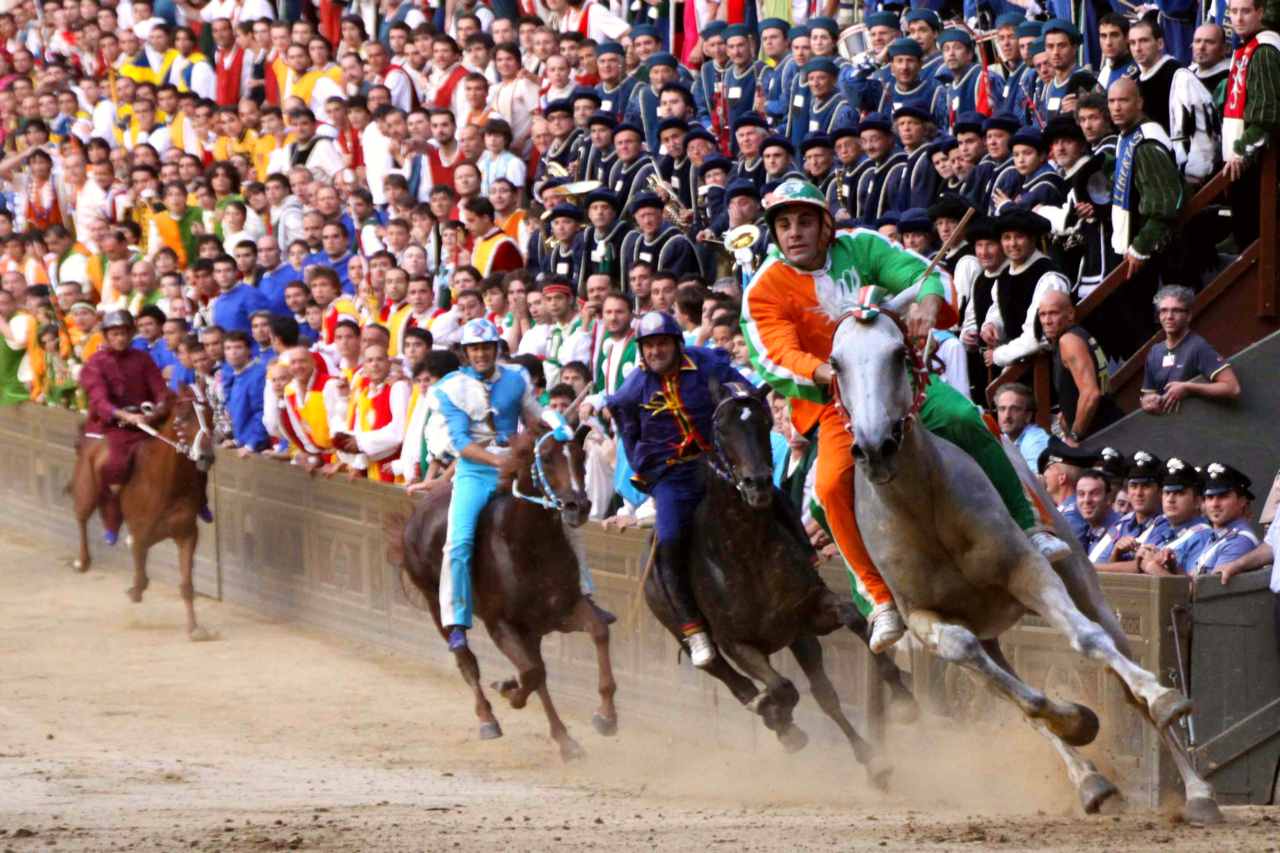
Palio di Volterra: A historical horse race held in August, celebrating local culture.
Etruscan Festival: An annual event showcasing Etruscan heritage through music and food.
Christmas Market: A festive market in December with local crafts and seasonal treats.

History

Volterra's history dates back to the Etruscan civilization, with significant archaeological sites that reveal its ancient past. The town flourished during the Roman era, becoming an important center for trade and culture. In the Middle Ages, Volterra became a powerful city-state, known for its alabaster production. Its strategic location made it a contested area during various conflicts, but it has preserved much of its historical architecture.

Things to know

Be cautious of pickpockets in crowded areas, especially during festivals.
Some streets are steep and may be challenging for those with mobility issues.
Public transport options are limited; walking is the best way to explore.
Dining hours can be different; many restaurants close between lunch and dinner.

Do's and don'ts

Try local dishes at family-run restaurants.
Visit the Etruscan Museum for a deeper understanding of the town's history.
Take time to enjoy a leisurely stroll through the streets.
Attend a local festival for an authentic experience.
Don't rush through the town; take your time to explore.
Don't miss the local market on Saturdays.
Don't expect extensive public transport; walking is essential.
Don't overlook smaller shops; they often have unique offerings.

Good to know

Accessibility: Some areas are steep, not fully wheelchair accessible.
Price level: mid-range

Photo: Wikipedia / Wikimedia Commons