Umbria
 Apr–May, Sep–Octbest time
7 daysplan for
Yeswith kids
Apr–May, Sep–Octbest time
7 daysplan for
Yeswith kids
UmbriaYour own route
Plan a trip here →
Umbria, located in central Italy, is known for its rolling hills, medieval towns, and rich history. Travelers can explore picturesque landscapes dotted with vineyards and olive groves, offering a serene escape from the bustling tourist spots nearby.
Read more


Sightseeing
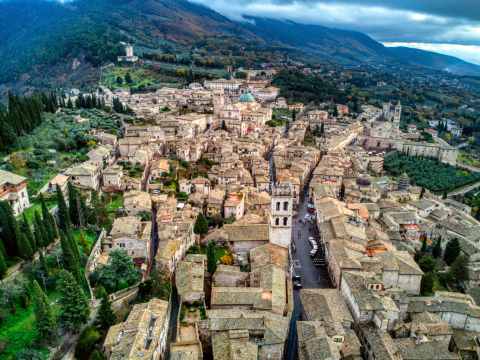
Assisi: birthplace of St. Francis, famous for its basilica
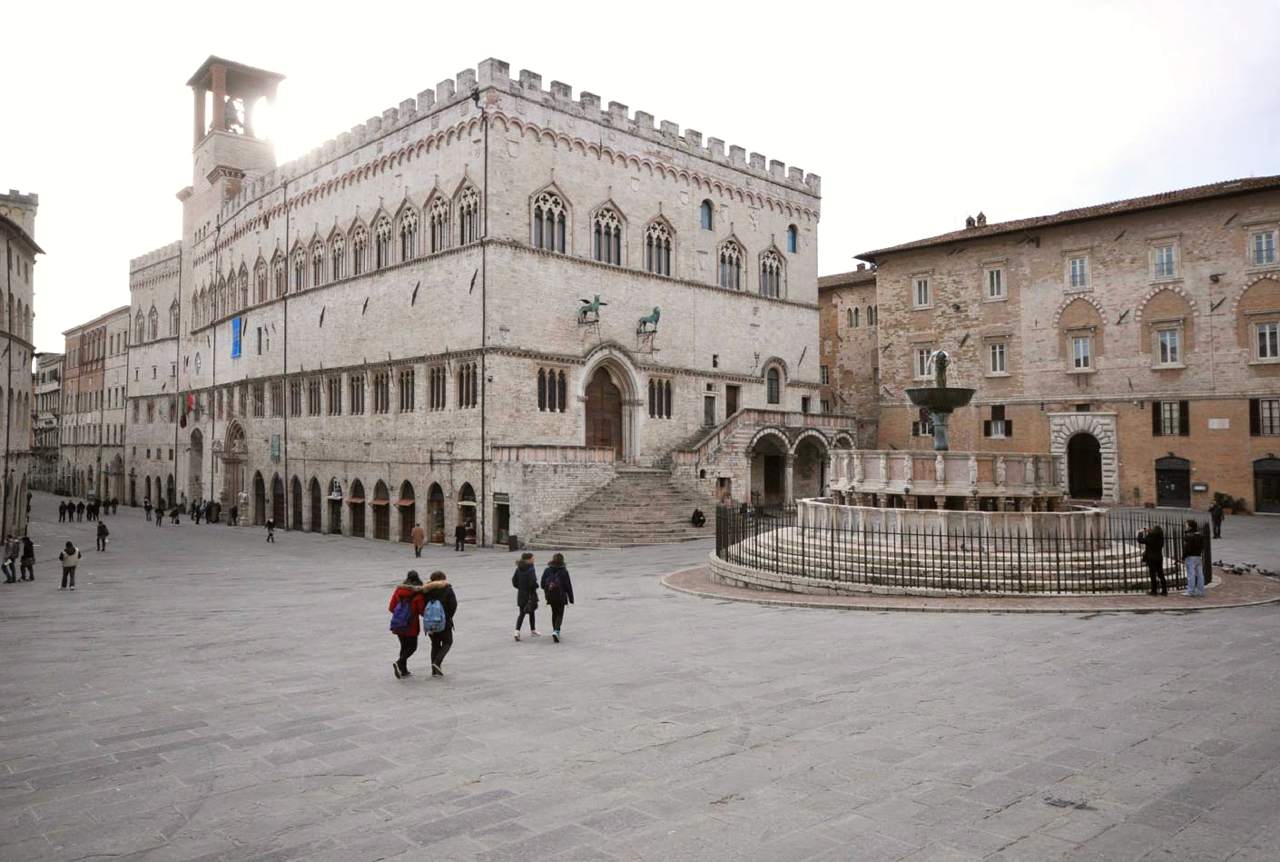
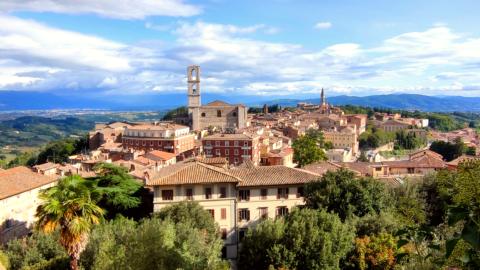
Perugia: capital city known for its medieval architecture
Orvieto: hilltop town with a stunning cathedral
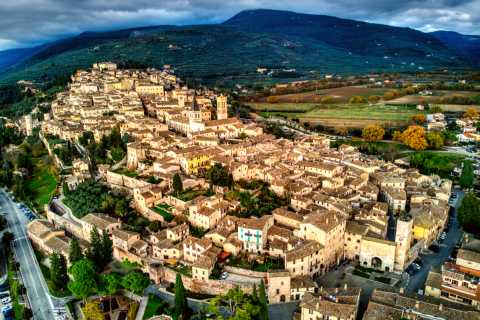
Spello: charming village with beautiful flower displays
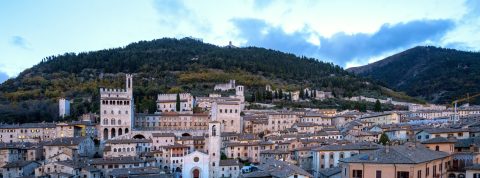
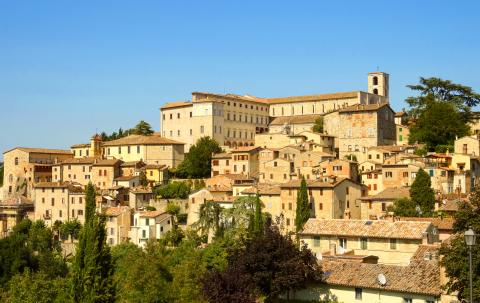
Gubbio: medieval town with a unique atmosphere
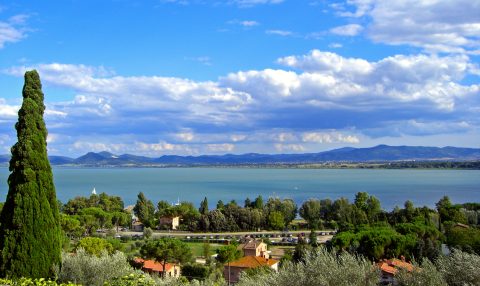
Lake Trasimeno: large lake offering outdoor activities
Todi: picturesque town with a rich history
Montefalco: known for its wine production

Local food and drinks
Torta al Testo: flatbread filled with various ingredients
Strangozzi: handmade pasta often served with truffle sauce
Sagrantino: red wine unique to the region
Porchetta: roasted pork seasoned with herbs
Crescia: savory flatbread popular in local markets
Practical
At a glance
- Best time
- April to June, September to October
History
Umbria's history dates back to ancient times, with evidence of Etruscan settlements. The region played a significant role during the Roman Empire, serving as a vital area for trade and agriculture.
In the Middle Ages, Umbria became a center for art and religion, with many towns flourishing under the influence of the Catholic Church. The legacy of figures like St. Francis of Assisi continues to shape the region's cultural identity today.
Photo: Wikipedia / Wikimedia Commons