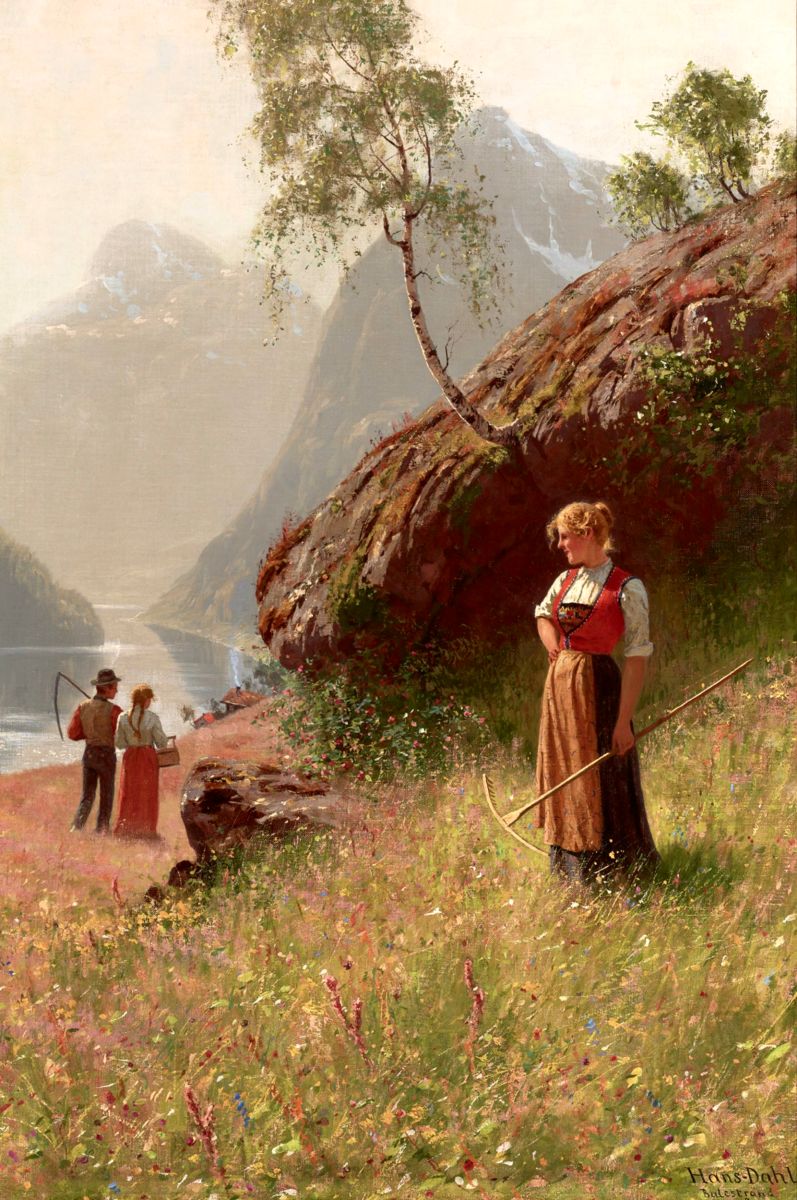
Explore the dramatic Raftsund strait
The Raftsund strait offers a striking view of the surrounding peaks and waters. This narrow passage is a favorite for kayaking and boat tours, allowing travelers to appreciate the rugged coastline up close. Keep an eye out for wildlife, including sea eagles and seals. The best time to visit is during the summer months when the days are long and the weather is milder. However, be prepared for sudden changes in conditions. The nearby village of Digermulen has a few local shops, but amenities can be limited, so plan accordingly.
Svolvær: the gateway to Lofoten
Svolvær serves as the main entry point to the Lofoten Islands. This small town is known for its lively harbor and the iconic Svolværgeita mountain, which attracts climbers. Stroll along the waterfront to find local restaurants serving fresh seafood, including the famous stockfish. The town can get busy during the summer, so consider visiting in the shoulder seasons for a quieter experience. While there are several accommodations, booking in advance is wise, especially during peak travel times.
Reinefjorden: a scenic wonder
Reinefjorden is surrounded by dramatic peaks and charming fishing villages like Hamnøy. The area is perfect for hiking and photography, especially during the golden hours of sunrise and sunset. The local restaurants often feature dishes made from freshly caught fish, such as cod and haddock. Keep in mind that some trails can be steep and challenging, so wear appropriate footwear. The villages have limited services, so stock up on supplies in larger towns like Reine before heading out.