search
search
add New trip
Norway

Norway

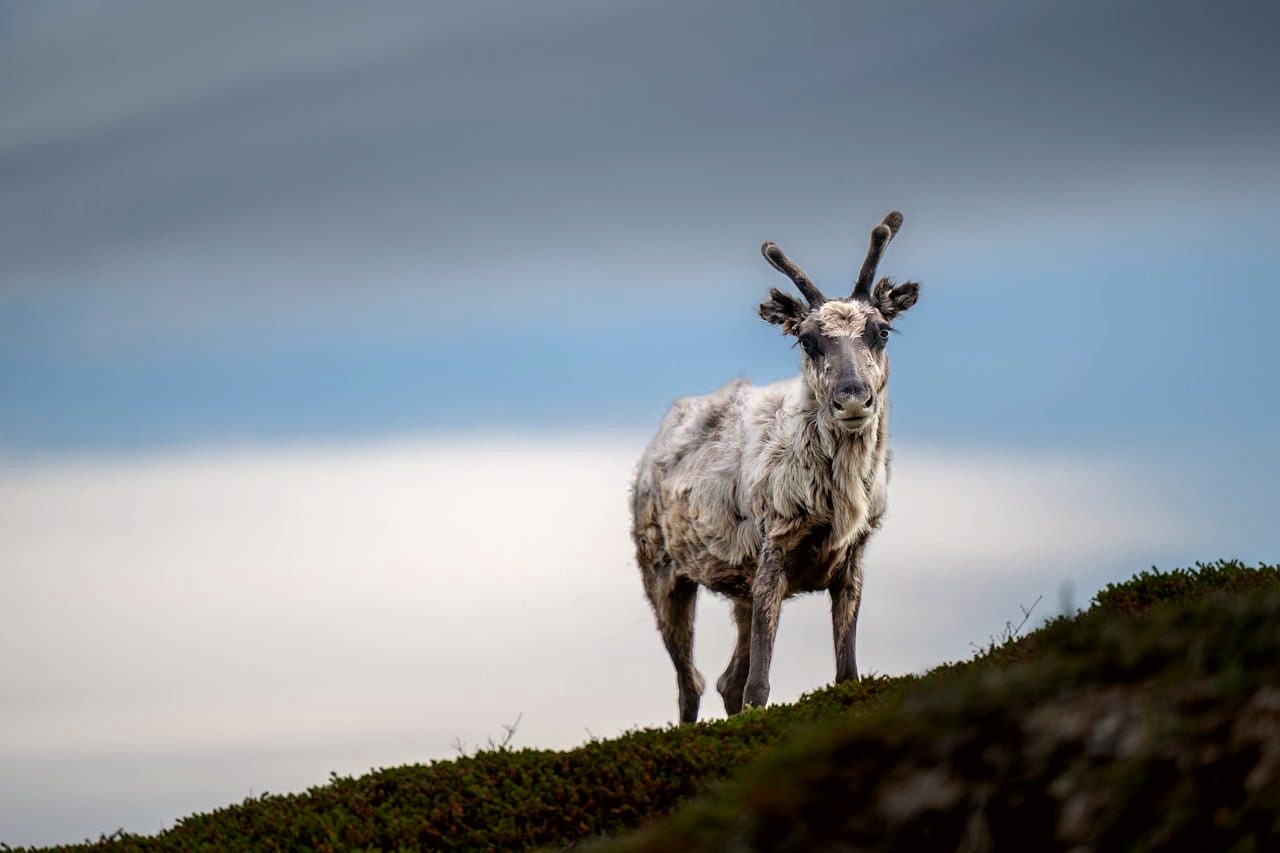
trondmyhre4 · Pixabay
NO calendar_monthMay–Sepbest time schedule10 daysplan for child_careYeswith kids confirmation_numberExpensiveprice flagOslocapital krNorwegian Kronecurrency translateNorwegianlanguage
NorwayYour own route Plan a trip here →

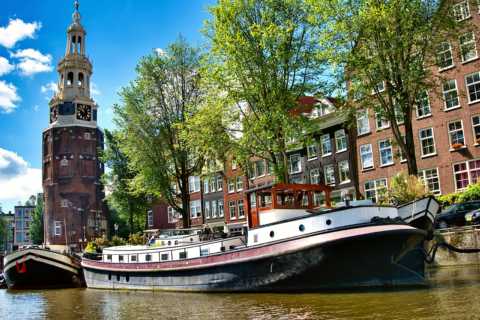
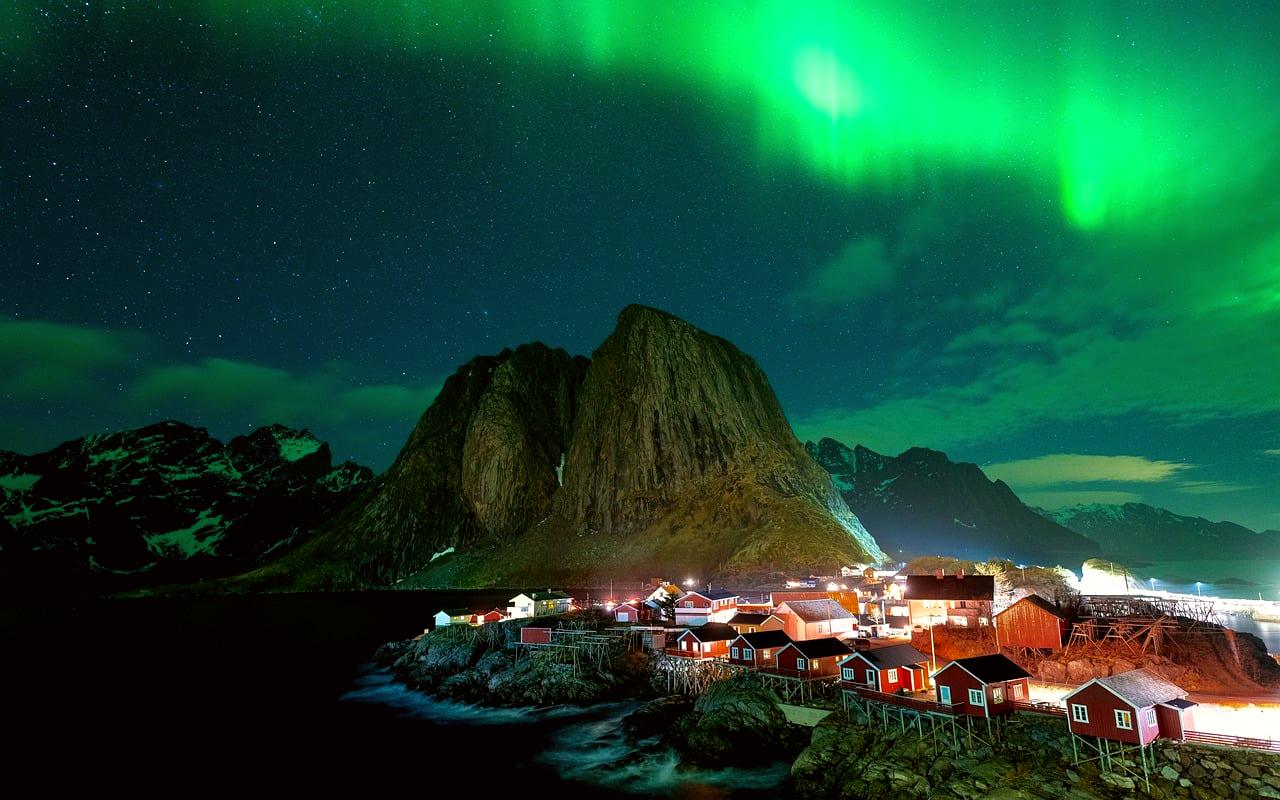
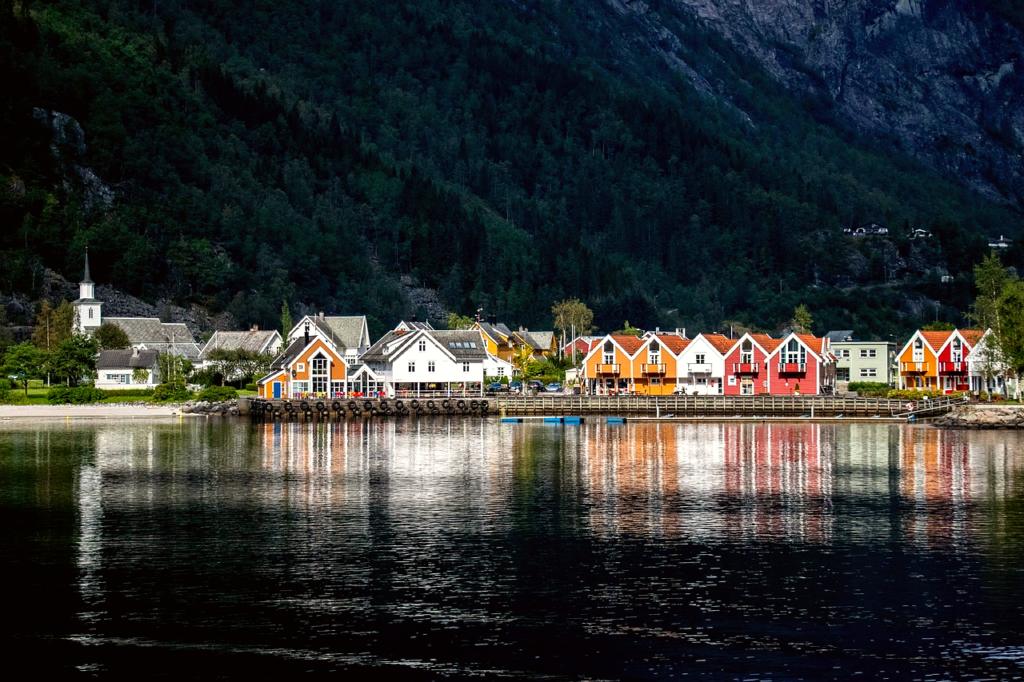
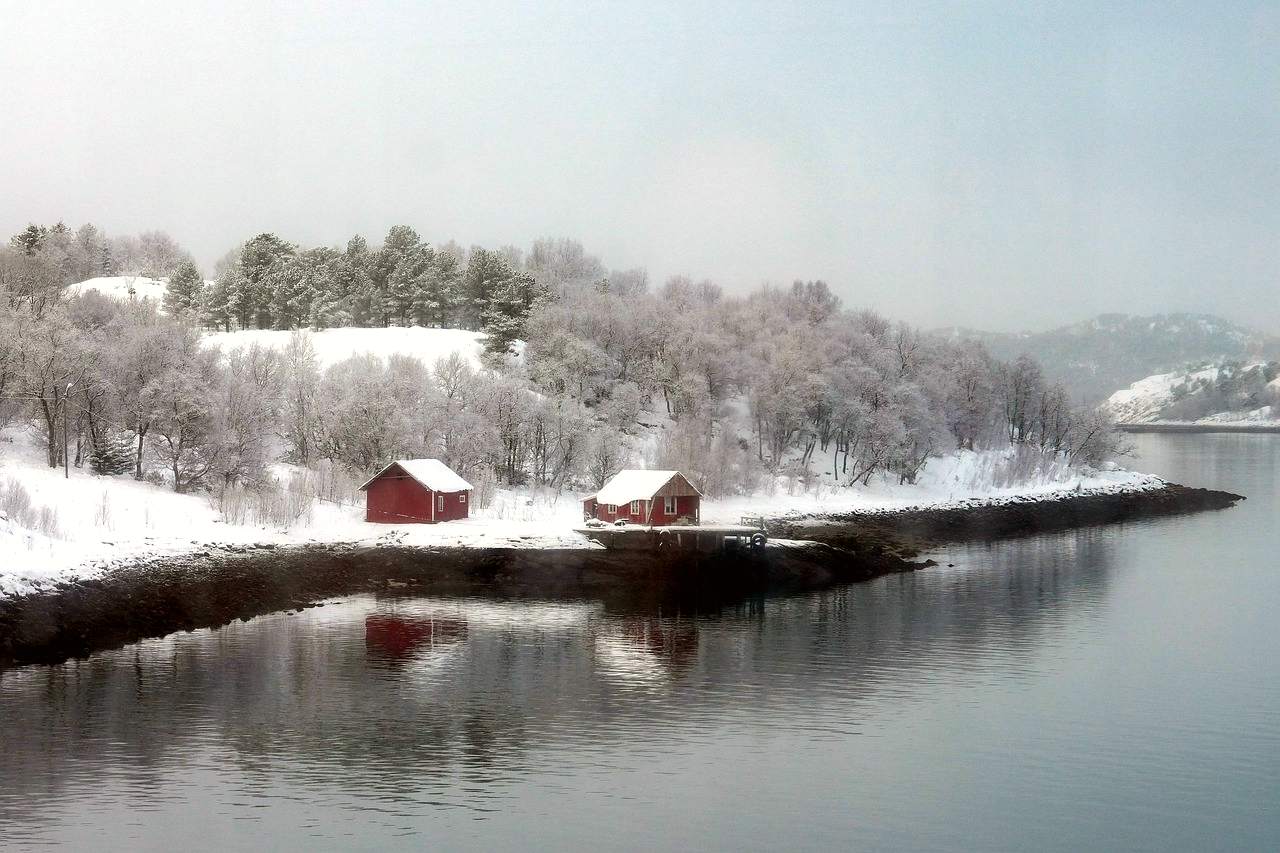
Norway is a stunning blend of dramatic landscapes, rich culture, and outdoor adventures. From the fjords to the northern lights, it offers a unique experience for every traveler. The cities are vibrant, with a mix of modern architecture and historical sites, making it easy to explore both nature and culture.

Read more

However, Norway can be expensive, and travelers should be prepared for high costs in accommodation, food, and activities. The weather can also be unpredictable, so packing layers is essential, especially if you plan to venture into the wilderness.

In pictures

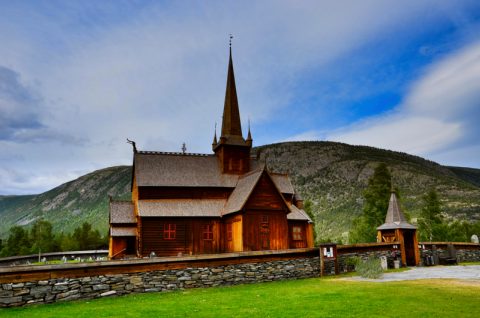
Norway nicos fotowelt · Pixabay
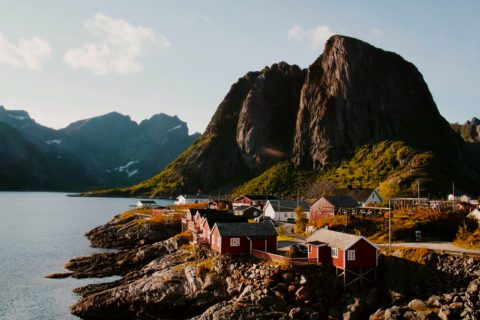
Norway adriandegonda · Pixabay
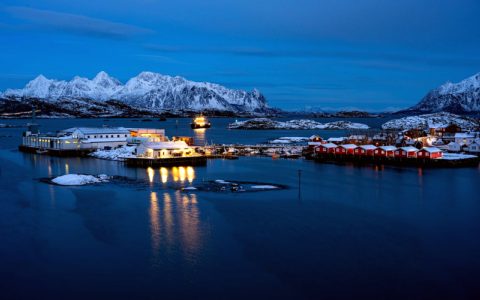
Norway makabera · Pixabay
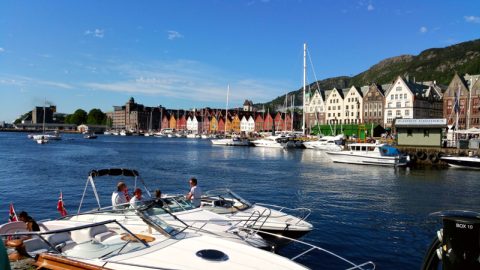
Norway xiSerge · Pixabay

Sightseeing

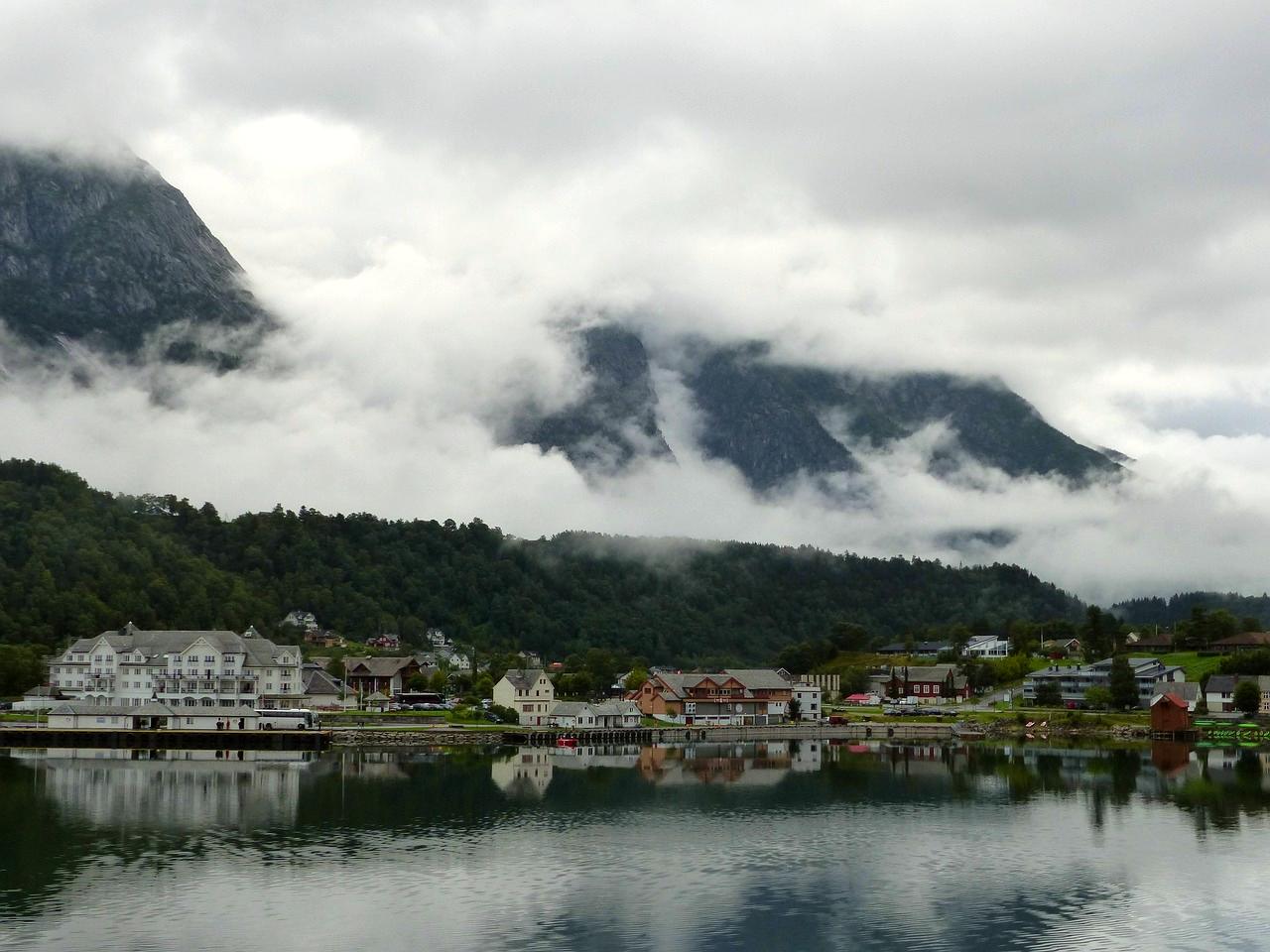
Geirangerfjord: a UNESCO World Heritage site known for its stunning beauty
Oslo: the capital city with museums and parks
Bergen: famous for its colorful wooden houses and surrounding mountains
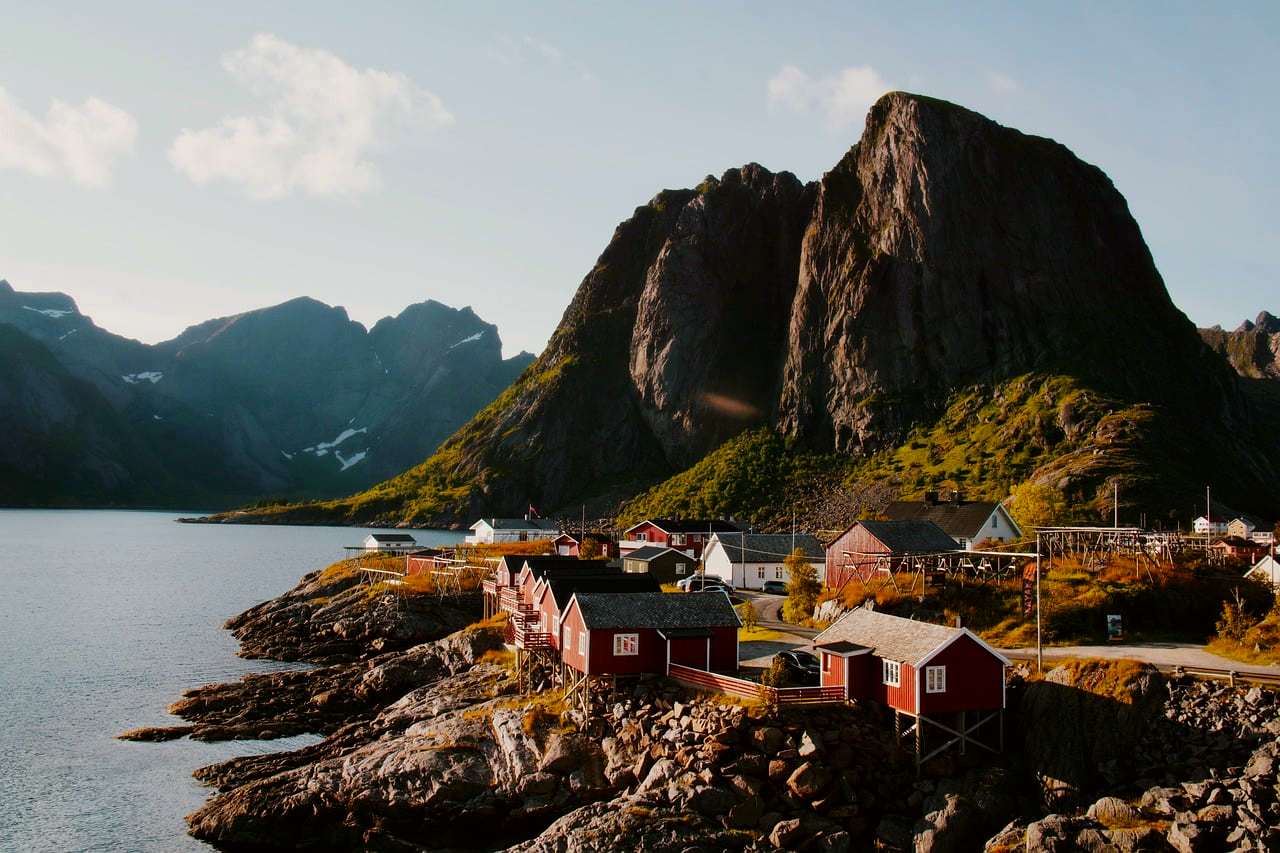
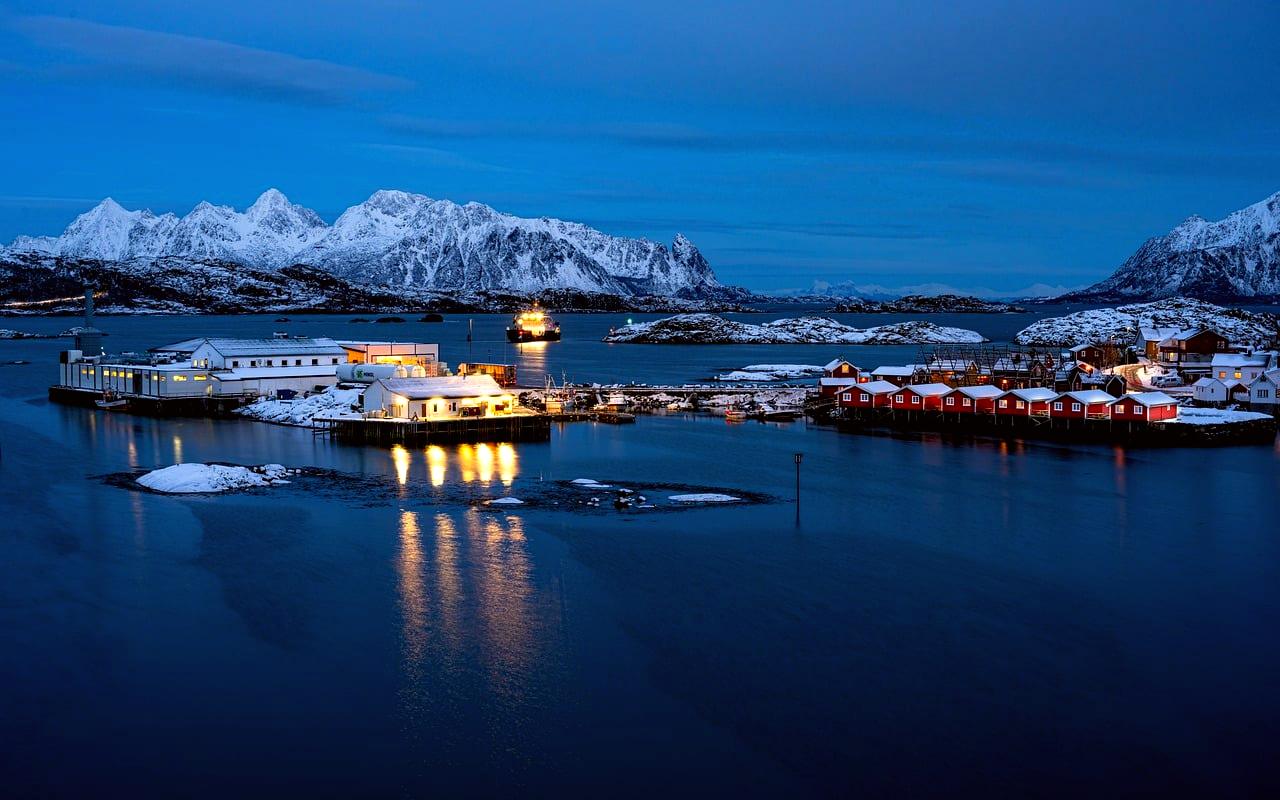
Lofoten Islands: breathtaking scenery and outdoor activities
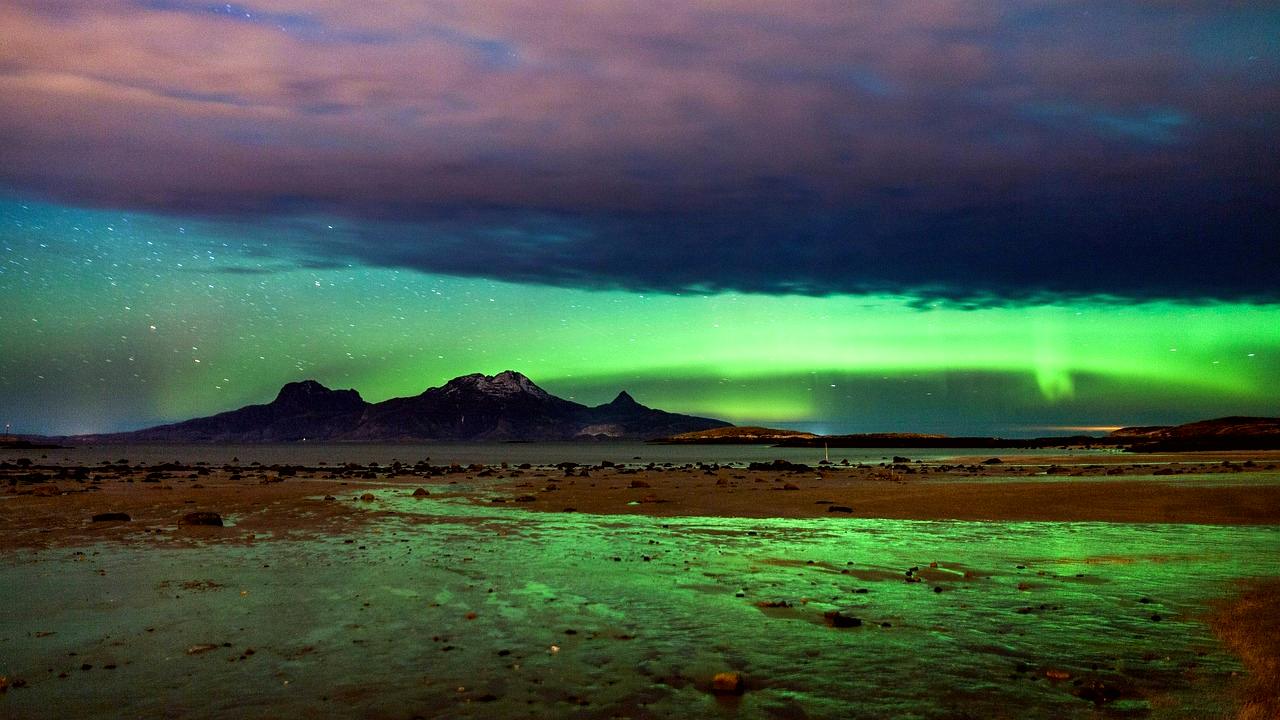
Tromsø: the gateway to the Arctic and northern lights
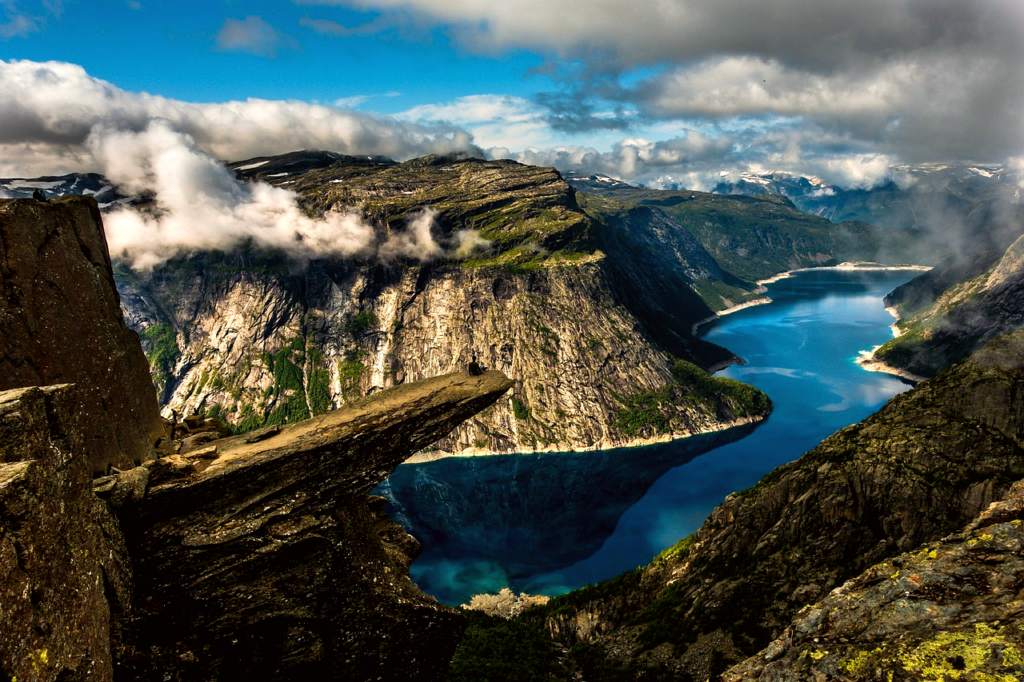
Stavanger: known for its picturesque old town and nearby Pulpit Rock
Alesund: renowned for its Art Nouveau architecture
North Cape: the northernmost point of mainland Europe

"Nature's masterpiece awaits you"Norway

Things to do

Hike in the fjords: experience breathtaking views and nature
Go skiing: enjoy world-class slopes in various regions
Explore the midnight sun: visit during summer for endless daylight
Take a fjord cruise: see the stunning landscapes from the water
Visit the northern lights: best seen in winter months
Experience a traditional sauna: relax like a local
Attend a local festival: immerse yourself in Norwegian culture
Try dog sledding: an adventurous way to explore the snowy terrain

Local food and drinks

Rakfisk: fermented fish, often served during Christmas
Kjøttkaker: traditional meatballs, best enjoyed in local diners
Lefse: a soft flatbread, popular as a snack or dessert
Klippfisk: dried and salted cod, a staple in coastal areas
Brunost: brown cheese, a unique Norwegian delicacy
Aquavit: a traditional spirit, often enjoyed during celebrations
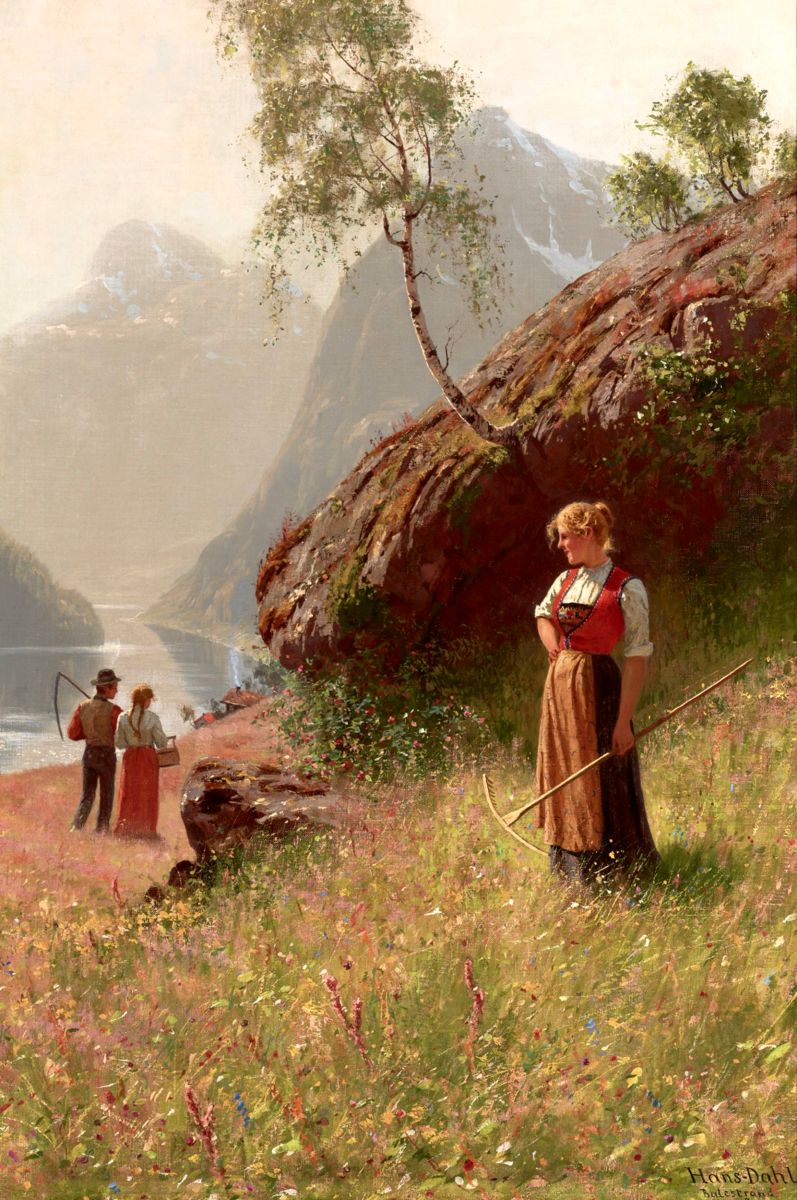
Local traditions - Norway Hans Dahl · Public domain

Local traditions

17th May: Constitution Day, celebrated with parades and festivities
Christmas: marked by unique customs and traditional foods
Midsummer: celebrated with bonfires and gatherings
Sami National Day: honoring the indigenous Sami culture
Norwegian National Day: showcasing national pride and heritage

Do's and don'ts

Embrace the outdoors: hike, ski, or kayak
Learn a few Norwegian phrases: locals appreciate the effort
Try local foods: indulge in traditional dishes
Respect nature: follow Leave No Trace principles
Participate in local festivals: engage with the culture
Don't assume everyone speaks English: learn basic phrases
Don't litter: keep Norway's landscapes pristine
Don't disturb wildlife: observe from a distance
Don't rush: take time to enjoy the scenery
Don't ignore local customs: be respectful of traditions

Explore Bergen's historic wharf

Bryggen in Bergen is a UNESCO World Heritage site, showcasing colorful wooden buildings that date back to the Hanseatic League. Stroll along the waterfront and take in the sights of the old wharf, where you can find shops selling local crafts and seafood restaurants serving fresh fish dishes. The area is lively, especially during the summer months, but be prepared for crowds. If you visit in winter, the atmosphere is quieter, allowing for a more relaxed exploration. Don't forget to try the local specialty, raspeballer, a potato dumpling that pairs well with meat dishes.

Experience Oslo's ski jump

The Holmenkollen Ski Jump is an iconic landmark in Oslo, offering panoramic views of the city and surrounding fjord. You can take an elevator to the top for a unique perspective, and if you are interested in skiing, the museum here provides insights into the history of the sport in Norway. The area is popular year-round, with ski events in winter and hiking trails in summer. Be aware that the entrance fee can be steep, so check for any discounts or combined tickets if you plan to visit other attractions nearby.

Hike the Besseggen trail

The Besseggen trail in Jotunheimen National Park is famous for its breathtaking views of the turquoise Gjende lake and the deep blue Bessvatnet lake. This hike is challenging and takes about six to eight hours to complete, so be prepared with proper gear and plenty of water. The trail can be crowded during peak summer months, but the scenery makes it worthwhile. Keep an eye out for reindeer along the way. If you prefer a less strenuous option, consider taking a boat across Gjende to shorten the hike.
Practical

At a glance

Population
5.400.000
Best time
May to September
Accessibility
Many cities are wheelchair-friendly, but rural areas can be challenging.
Price level
Expensive

Basic information

Capital: Oslo
Language: Norwegian
Currency: Norwegian Krone
Best time to visit: May to September

Travel information

Fly into Oslo Gardermoen Airport for international access. Use trains and buses for efficient travel between cities; the train from Oslo to Bergen takes about 7 hours. Renting a car is ideal for exploring remote areas, especially the Lofoten Islands. Credit cards are widely accepted, but carry some cash for smaller towns and markets. Mobile connectivity is good, especially in urban areas, but coverage can be spotty in remote regions.

Things to know

Expect high prices for food and accommodation.
In 2023, a meal at a mid-range restaurant can cost around 250 NOK.
Be aware of rapid weather changes, especially in the mountains, where conditions can shift quickly.
Some attractions, like the Flåm Railway, may have seasonal closures, so check ahead.
Respect local customs and traditions, especially in rural areas, where practices can differ significantly from urban settings.
Wild camping is allowed, but follow local guidelines, such as staying at least 150 meters from the nearest inhabited house.
history_eduHistoryexpand_more
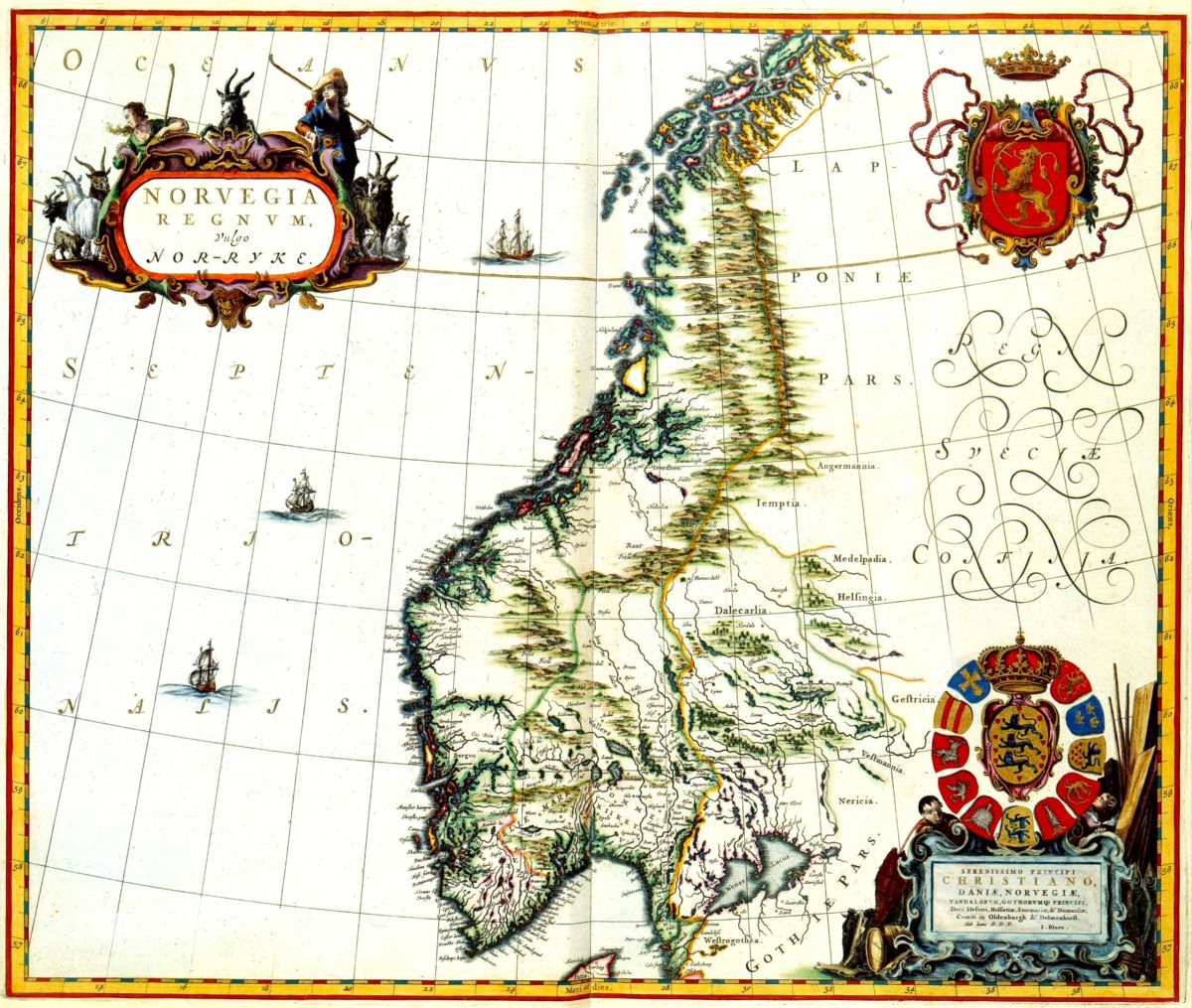
History - Norway Dirk Jansz van Santen · Public domain

Norway's history is rich and varied, dating back to the Viking Age when Norse explorers sailed across the seas. The Vikings established trade routes and settlements, leaving a lasting impact on European history.

In the 19th century, Norway gained independence from Denmark and later entered a union with Sweden. It finally became fully independent in 1905. The country has since developed into a prosperous nation, known for its high standard of living and commitment to social welfare.

Photo: trondmyhre4 · Pixabay Content License · Pixabay

Photo credits (6)