Evora
Introduction
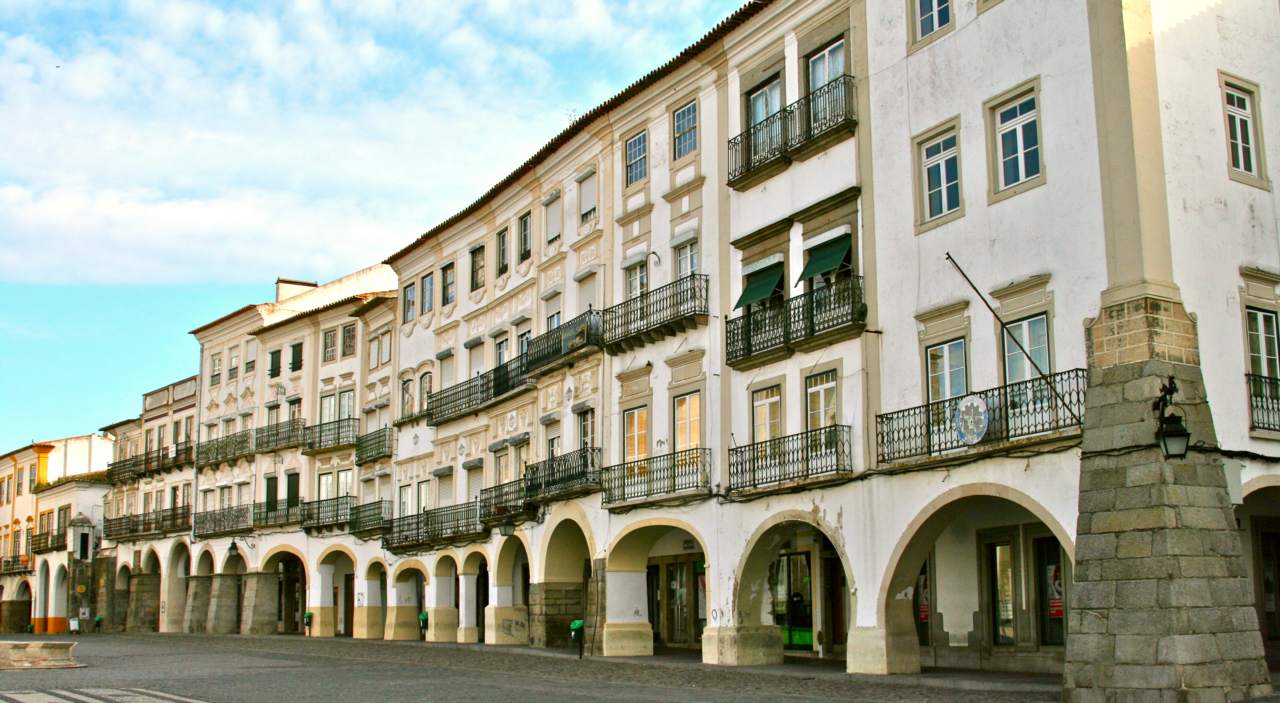
Evora sits inside medieval walls on a low hill in central Alentejo, about 90 minutes east of Lisbon by car. The old town is compact, paved in worn granite, and easy to cross on foot in twenty minutes. Whitewashed houses, arches, and a Roman temple share the same few streets.
It feels lived-in rather than staged. University students fill the cafes in term time, and the pace slows to almost nothing in the August heat. Come in spring or autumn if you can. Summer afternoons can hit the high 30s Celsius.
Sightseeing
Things to do
Top attractions
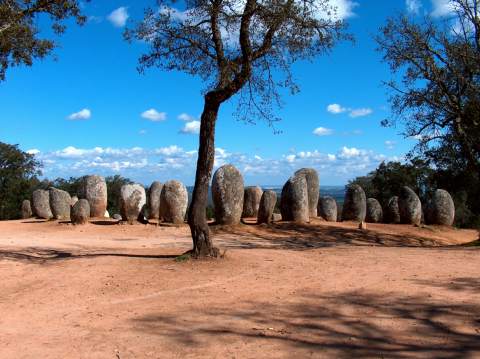
Cromeleque dos Almendres
Prehistoric standing stones west of town.
Praca do Giraldo
Central square with fountain and arcades.
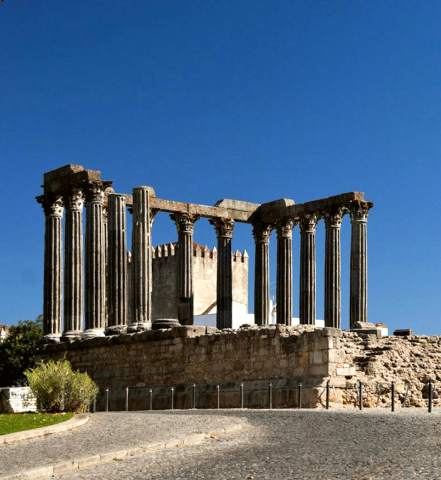
Roman Temple of Evora
The city's landmark Roman columns on the hilltop.
Se Cathedral of Evora
Granite Gothic cathedral with rooftop access.
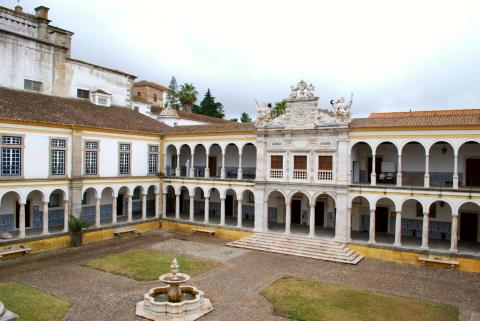
University of Evora
Renaissance cloisters with painted tiles.

Local food and drinks
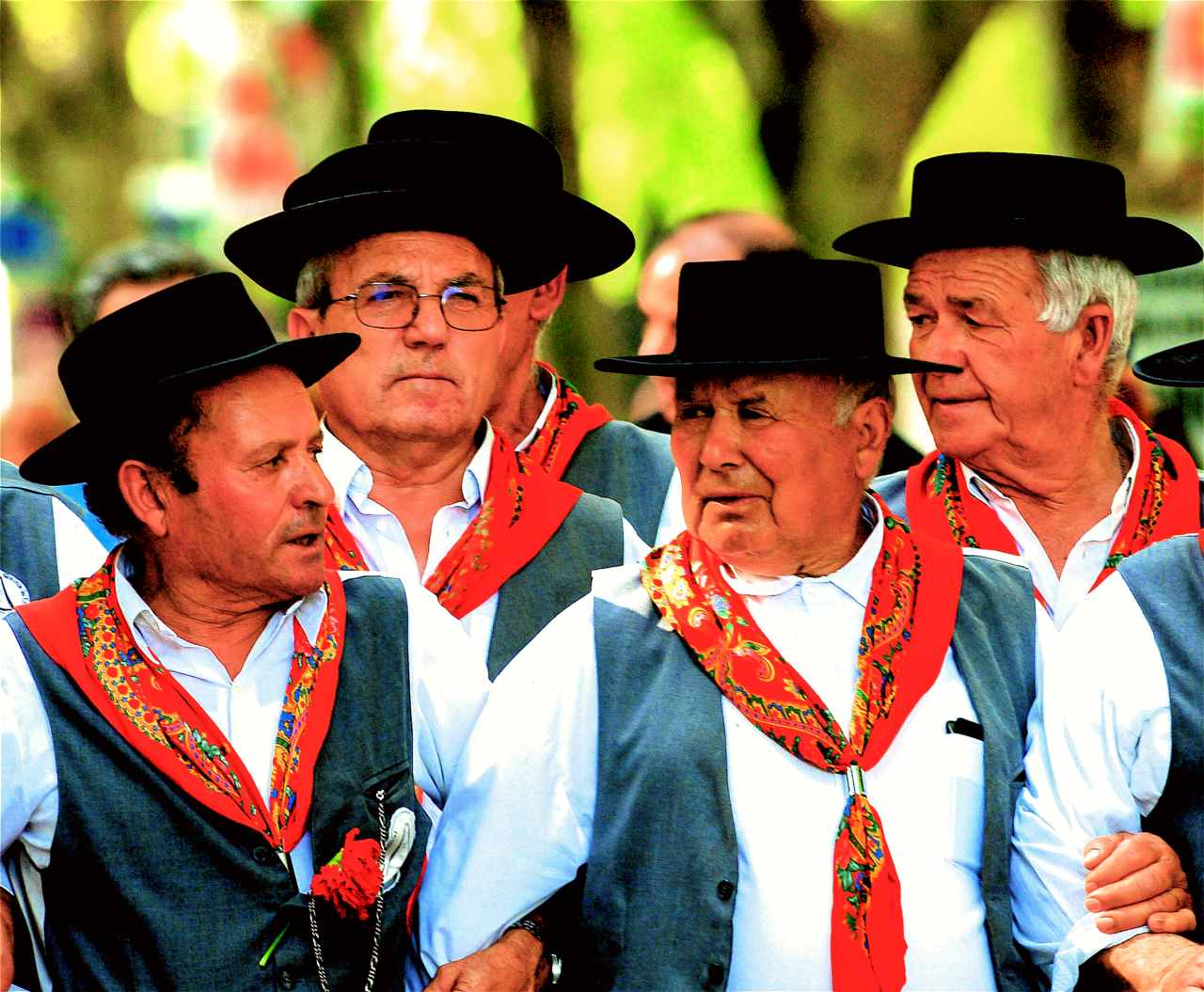
Local traditions
History
Evora was a Roman town called Ebora Liberalitas Julia, and the temple in the centre dates from that era. Moors held it for centuries until Christian forces took it in 1165, led according to legend by Geraldo Sem Pavor, the fearless.
It became a favourite of Portuguese kings and grew rich in the 15th and 16th centuries, when the university was founded in 1559. Decline followed the closure of that university in 1759. The old town survived largely intact and became a UNESCO World Heritage Site in 1986.
Things to know
Do's and don'ts
Good to know
Popular routes here
Photo: Wikipedia / Wikimedia Commons