Alentejo
 Mar–May, Sep–Novbest time
7 daysplan for
Yeswith kids
Mar–May, Sep–Novbest time
7 daysplan for
Yeswith kids
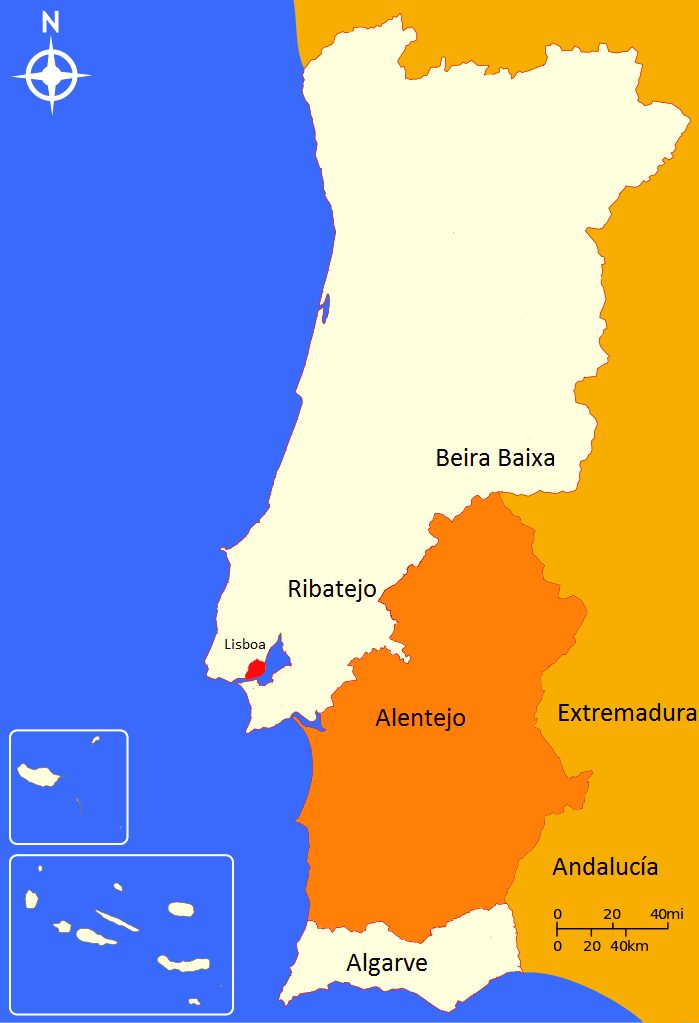
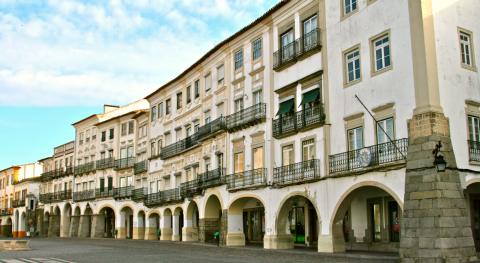
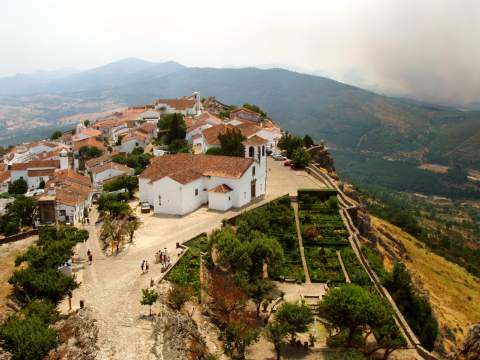
Alentejo covers roughly a third of Portugal, the large plains south of the Tagus and north of the Algarve. Cork oaks, wheat fields and slow roads define it. Distances between villages are long, and towns close early. Summer heat regularly passes 40C in July and August, so many travellers prefer spring or autumn.
Read more

Sightseeing
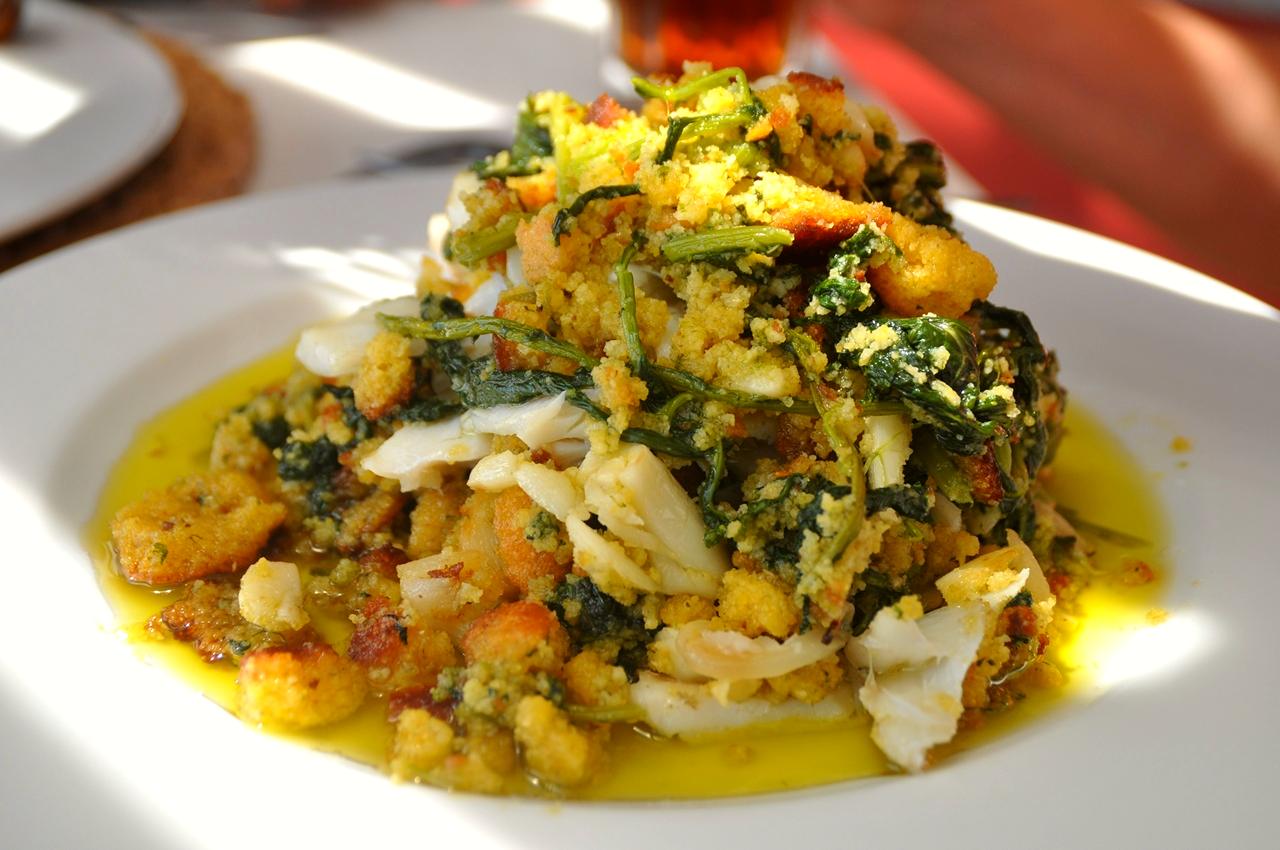
Local food and drinks
Local traditions
Practical
At a glance
- Best time
- April to June, and September to October
History
People settled these plains early: the Almendres stones date back around 7,000 years. Romans built Evora and its temple, and the Moors held the region for centuries before the Reconquest pushed south in the 1100s and 1200s. The Order of Avis and later the crown organised the land into large estates, the latifundios, worked by seasonal labourers.
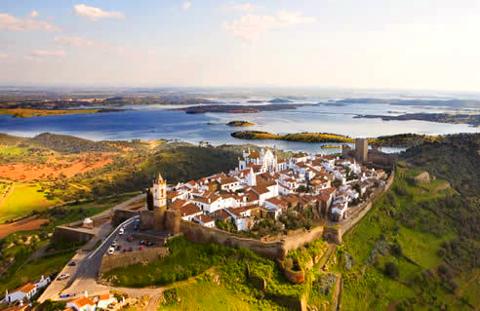
That estate system shaped Alentejo's poverty and its politics. After the 1974 revolution, farm workers occupied land in a wave of collectivisation. Emigration and mechanisation have thinned the villages since. Today wine, cork and olive oil drive the economy, along with the Alqueva dam, Europe's largest artificial reservoir, finished in 2002.
Photo: Wikipedia / Wikimedia Commons