search
search
add New trip

Portugal

PT calendar_monthApr–May, Sep–Octbest time schedule10 daysplan for child_careYeswith kids flagLisboncapital €Eurocurrency translatePortugueselanguage
PortugalYour own route Plan a trip here →

Portugal is a captivating blend of rich history, stunning landscapes, and vibrant culture. From the picturesque streets of Lisbon to the serene beaches of the Algarve, every corner offers something unique. The warm hospitality of the locals makes it easy to feel at home, while the diverse regions each have their own charm and character.

Read more

Travelers will find a mix of modernity and tradition, with historic sites coexisting alongside contemporary art scenes. However, be prepared for some touristy areas that can feel crowded, especially during peak seasons. Exploring lesser-known towns can provide a more authentic experience.

Sightseeing

Lisbon: the vibrant capital with historic neighborhoods
Porto: famous for its wine and stunning riverside
Sintra: a fairy-tale town with palaces and gardens
Algarve: known for its beautiful beaches and cliffs
Douro Valley: picturesque vineyards and river views
Évora: a UNESCO World Heritage site with Roman ruins
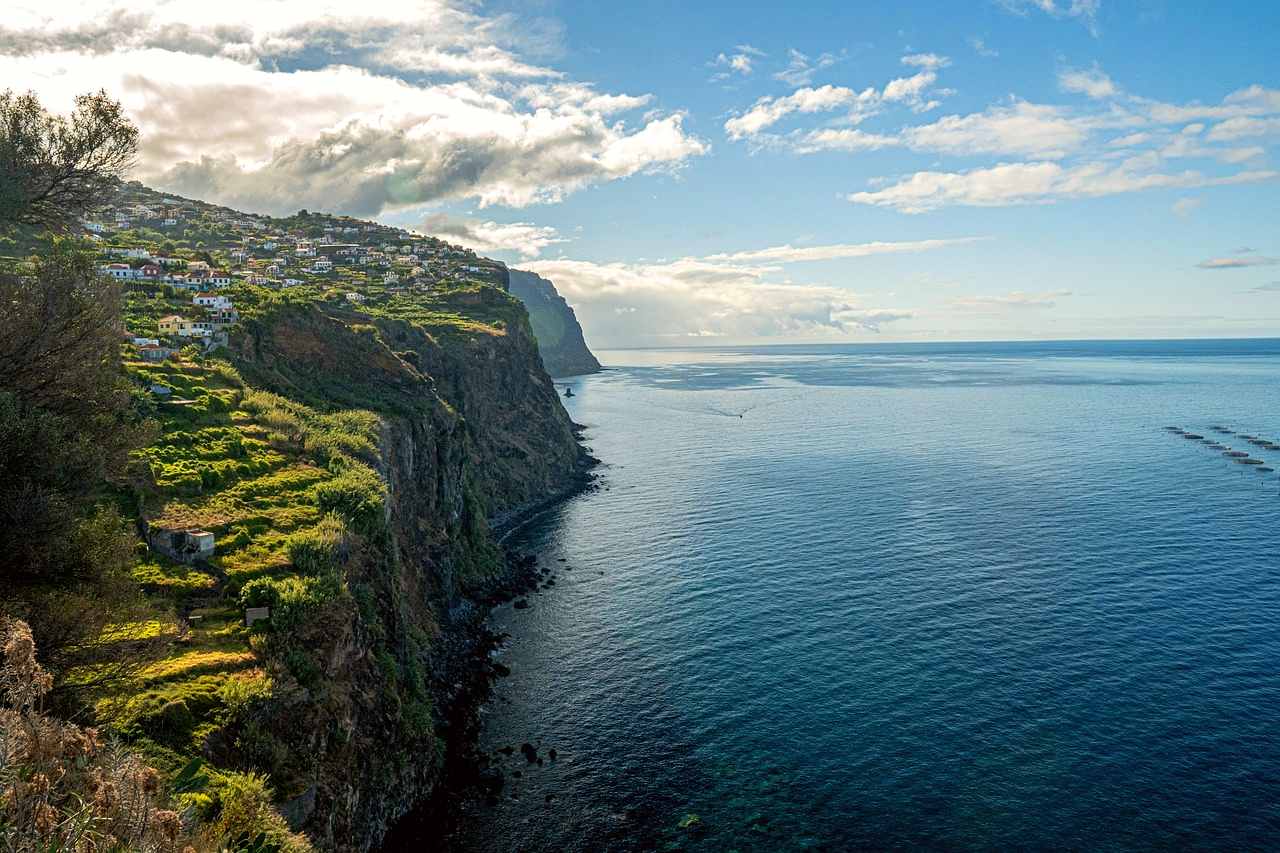
Madeira: an island paradise with lush landscapes
Azores: stunning volcanic islands with unique ecosystems

"Explore the beauty of Portugal"Portugal

Things to do

Explore historic neighborhoods in Lisbon: Alfama and Bairro Alto
Visit wine cellars in Porto: taste Port wine directly
Hike in the Douro Valley: enjoy scenic views and vineyards
Relax on Algarve beaches: sunbathe and swim in clear waters
Experience Fado music: attend a live performance in a local tavern
Discover Sintra's palaces: visit Pena Palace and Quinta da Regaleira
Take a boat tour in the Azores: explore volcanic landscapes
Stroll through local markets: taste fresh produce and local delicacies

Local food and drinks

Bacalhau à Brás: a codfish dish, try it in Lisbon
Pastéis de Nata: custard tarts, best in Belém, Lisbon
Francesinha: a hearty sandwich, popular in Porto
Sardinhas Assadas: grilled sardines, ideal during summer festivals
Vinho Verde: a refreshing wine, enjoy it in the Minho region
Ginjinha: a cherry liqueur, sip it in Lisbon or Óbidos
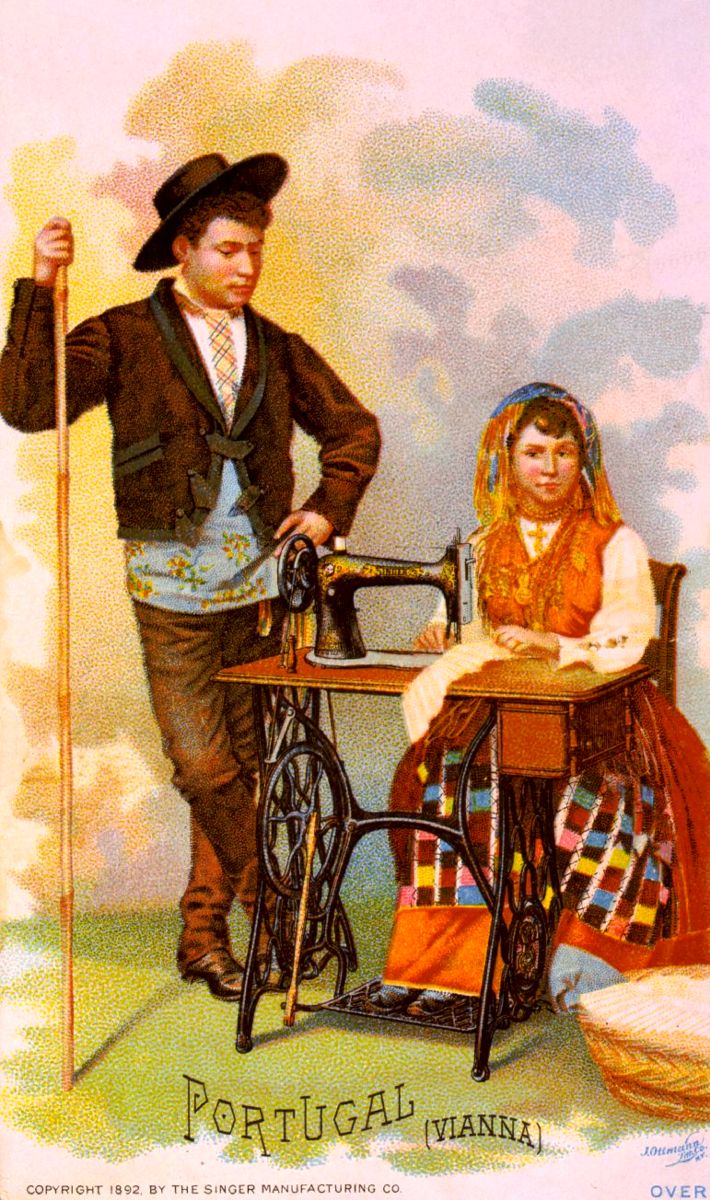
Local traditions - Portugal Singer Manufacturing Co. · Public domain

Local traditions

Festa de São João: a lively festival in Porto
Carnaval: vibrant parades and costumes in various cities
Fado Nights: traditional music performances in local taverns
Pilgrimage to Fátima: a significant religious event
Harvest Festivals: celebrate local produce and wine in autumn

Do's and don'ts

Learn a few basic Portuguese phrases: locals appreciate the effort
Try local wines: Portugal is known for its diverse wine regions
Respect local customs: dress modestly when visiting churches
Participate in local festivals: immerse yourself in the culture
Be open to trying new foods: embrace the culinary diversity
Don't assume everyone speaks English: learn a few phrases
Don't rush through meals: dining is a leisurely experience
Don't take photos in churches without permission: respect local customs
Don't ignore local advice: locals know the best spots
Don't forget to validate your train ticket: avoid fines

Experience Porto's riverside charm

Cais da Ribeira in Porto is a lively riverside area filled with colorful buildings and traditional restaurants. Stroll along the Douro River and enjoy a glass of port wine while watching the boats pass by. The narrow streets are lined with local shops and cafes, perfect for a quick bite of bacalhau à brás, a popular cod dish. Be aware that this area can get crowded, especially during summer evenings. Arriving early in the day can help you avoid the rush and allow for a more leisurely exploration of this historic district.

Relax at Praia da Marinha

Praia da Marinha is often regarded as one of the most beautiful beaches in Portugal. Its clear turquoise waters and golden cliffs create a picturesque setting for sunbathing or swimming. The beach is surrounded by walking trails that offer stunning views of the coastline. However, be prepared for limited parking and a steep descent to the beach. Visiting during the shoulder seasons of late spring or early fall can provide a quieter experience, allowing you to enjoy the natural beauty without the summer crowds.

Explore Coimbra's historic university

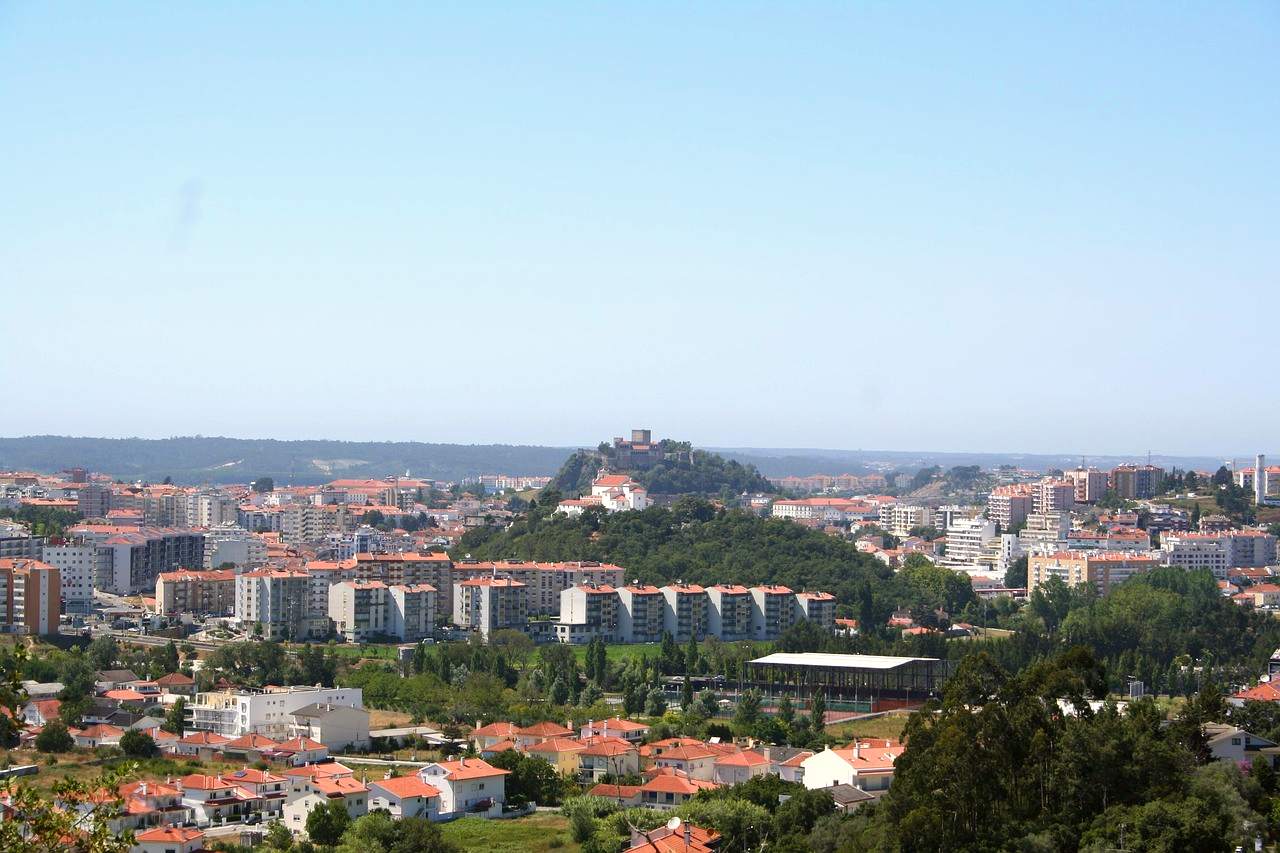
The University of Coimbra is one of the oldest universities in Europe, with a rich history dating back to 1290. The Royal Palace, located within the university, features stunning architecture and beautiful gardens. Visitors can explore the Joanina Library, known for its ornate Baroque style and impressive collection of books. Keep in mind that some areas may have restricted access during exam periods. A guided tour can enhance your understanding of the university's significance, but be sure to book in advance to secure your spot.
Practical

At a glance

Population
10.100.000
Best time
Spring and Fall

Basic information

Capital: Lisbon
Language: Portuguese
Currency: Euro
Best time to visit: Spring and Fall

Travel information

Fly into Lisbon or Porto for international access. Use trains and buses for intercity travel; they are efficient and affordable. Renting a car is ideal for exploring rural areas like the Alentejo region. Credit cards are widely accepted, but carry cash for small purchases, especially in markets. Wi-Fi is common in urban areas, but connectivity may vary in rural regions, so download maps and guides in advance.

Things to know

Be cautious of pickpockets in crowded tourist areas.
Some restaurants may add a service charge, so check the bill.
Tipping is appreciated but not mandatory; rounding up the bill is common.
Public transport can be crowded during rush hours, especially in Lisbon.
Many shops and attractions may close on Sundays, so plan accordingly.
history_eduHistoryexpand_more
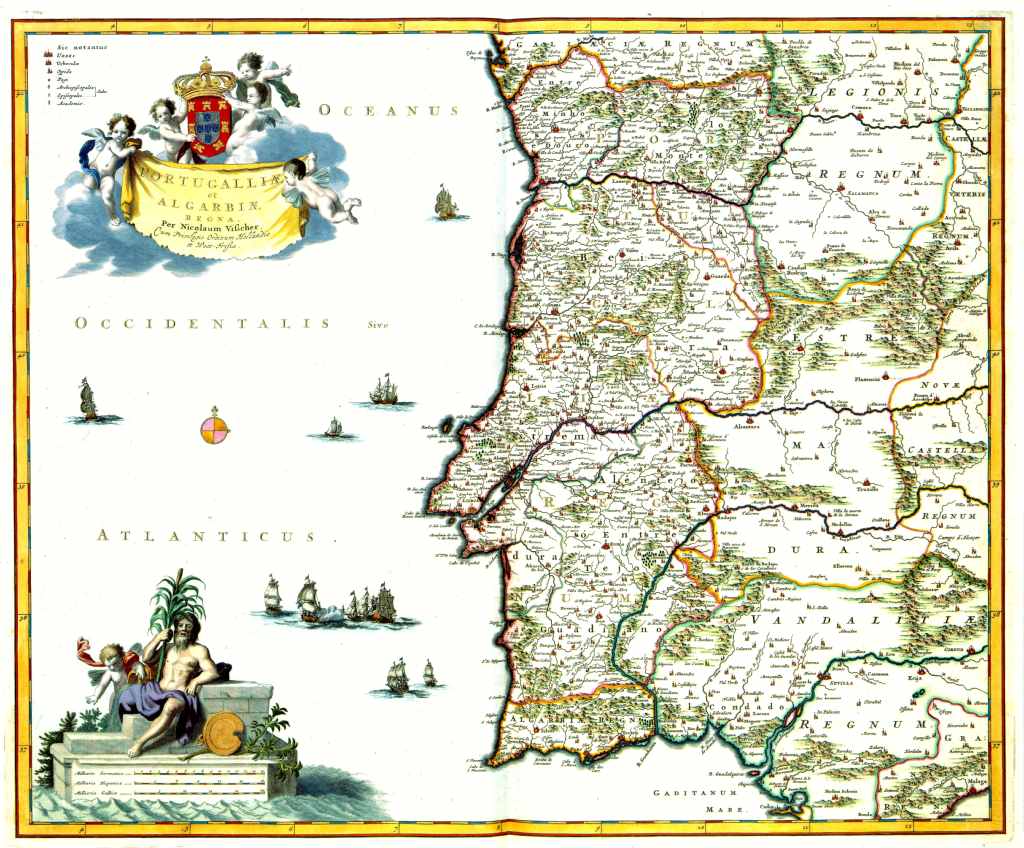
History - Portugal Nicolaes Visscher II / Nicolaes Visscher II · Public domain

Portugal's history is marked by its seafaring past, with explorers like Vasco da Gama paving the way for global trade in the 15th century. The Age of Discoveries established Portugal as a major maritime power, leading to the establishment of colonies in Africa, Asia, and South America.

However, the country faced challenges, including the 1755 Lisbon earthquake and political upheavals in the 20th century. Today, Portugal is a democratic republic, known for its cultural contributions and as a member of the European Union, blending its rich heritage with modern influences.

Photo credits (2)