Lisbon
 Mar–May, Sep–Octbest time
5 daysplan for
Yeswith kids
Mar–May, Sep–Octbest time
5 daysplan for
Yeswith kids
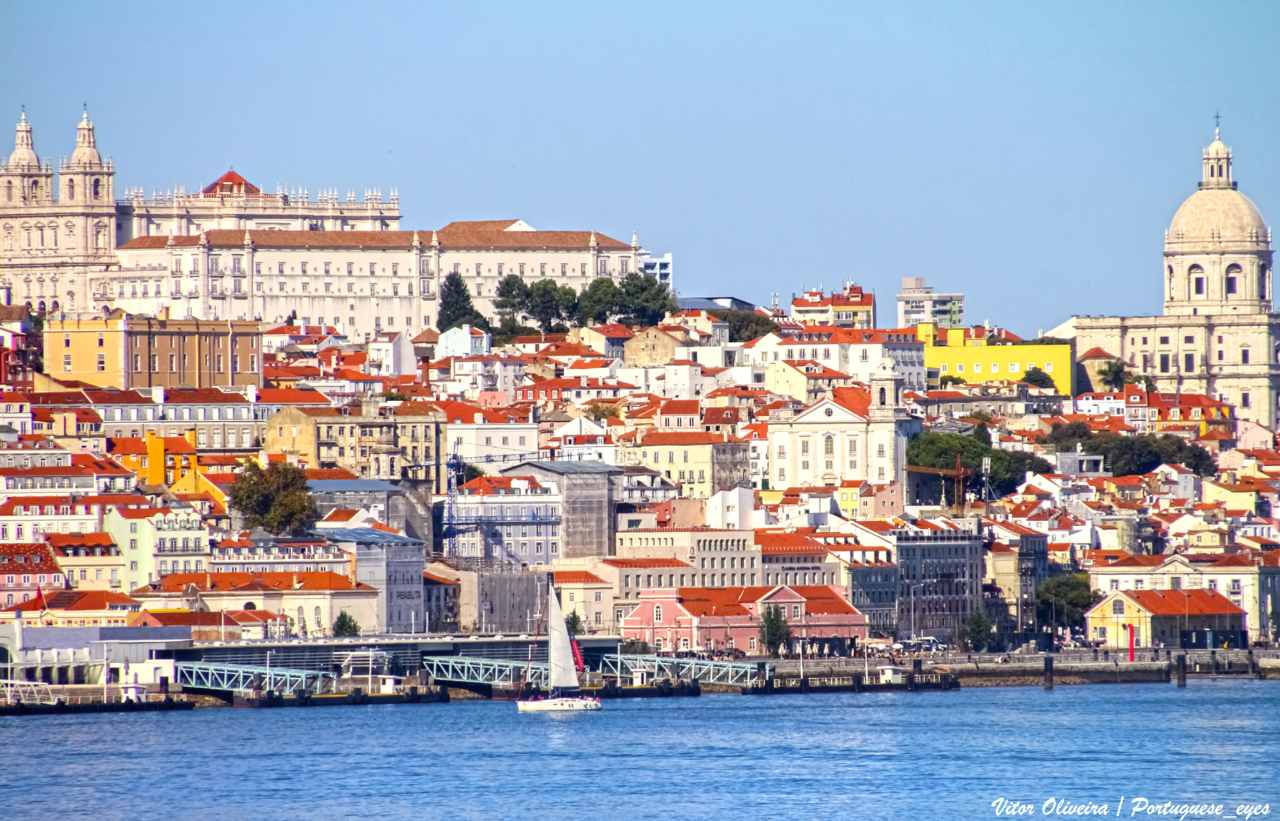
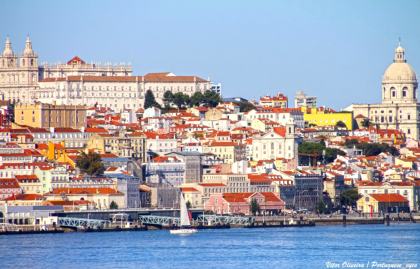
Lisbon offers a blend of history, culture, and coastal charm. Visitors can explore cobblestone streets, historic neighborhoods, and enjoy views from hilltop viewpoints. The city's rich maritime past is evident in its architecture and museums.
Read more
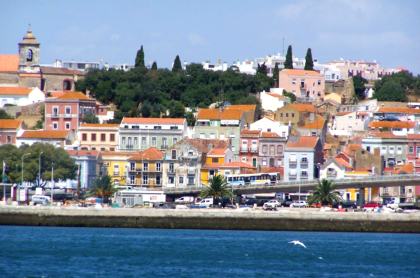
The Tagus River adds to the city's appeal, providing opportunities for riverside strolls and boat tours. Lisbon's vibrant nightlife and diverse culinary scene make it a destination for both relaxation and adventure.


Sightseeing
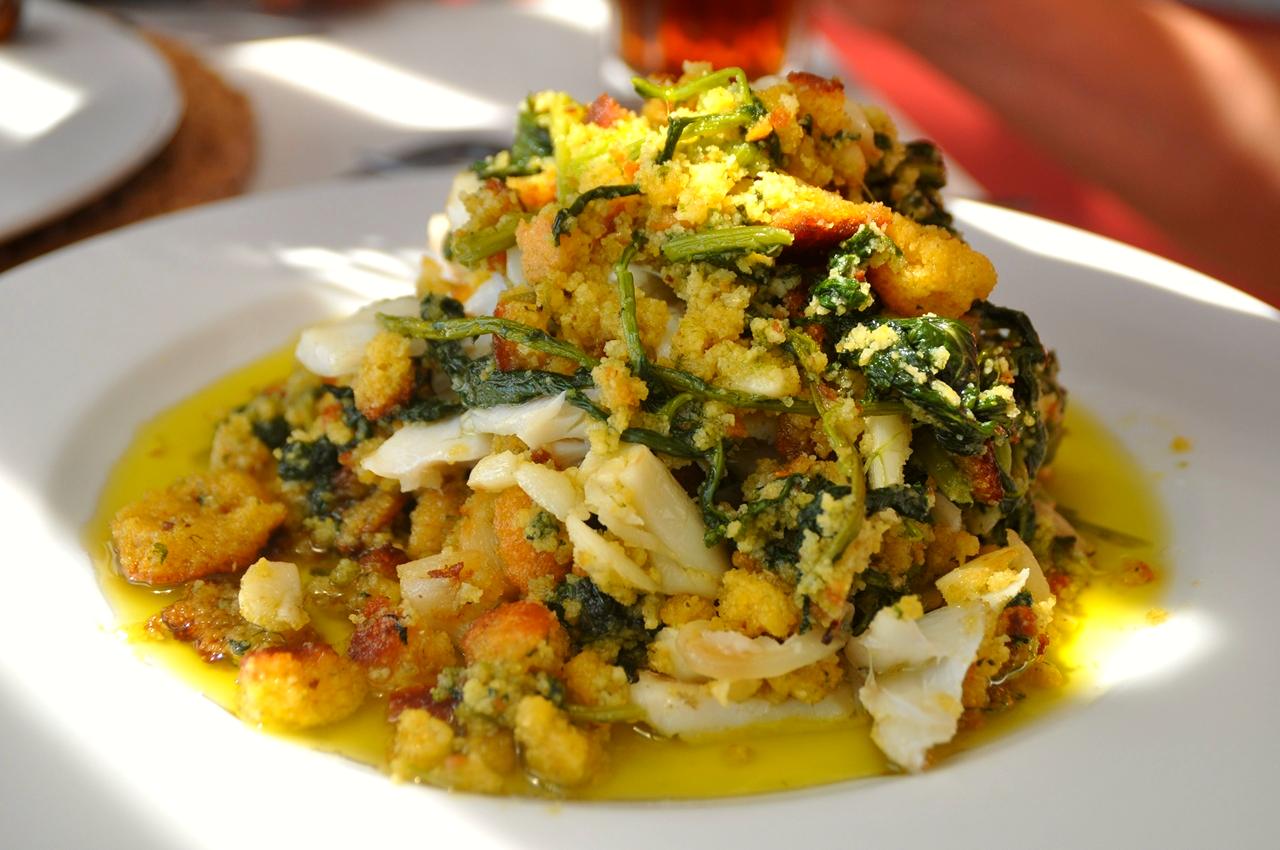
Local food and drinks

Local traditions
Practical
At a glance
- Best time
- March to May, September to October
History
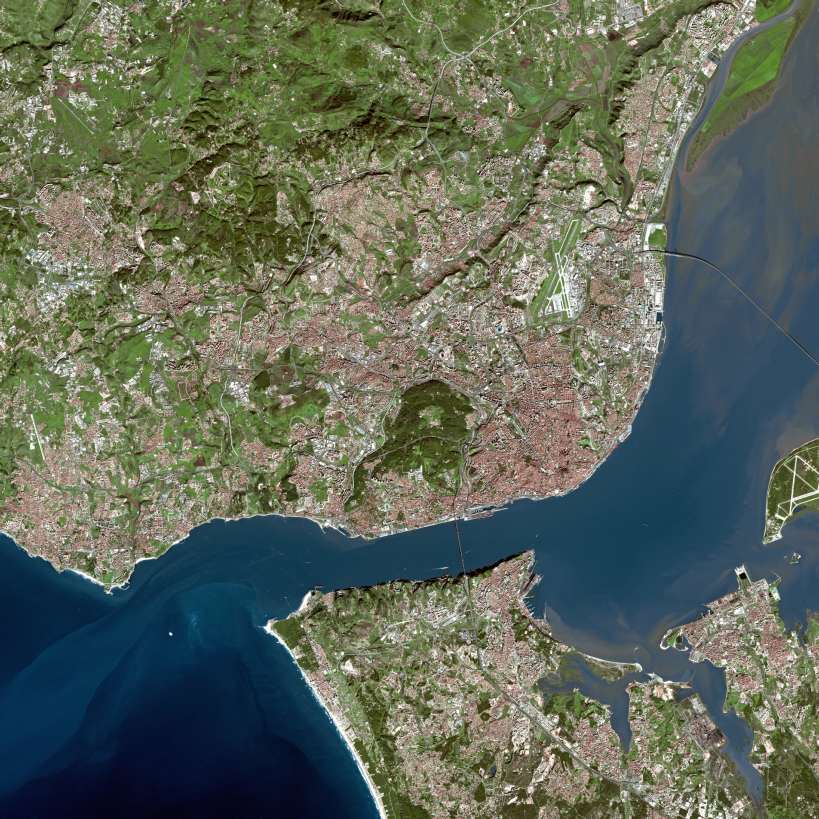
Lisbon's history dates back to ancient times, with influences from the Phoenicians, Romans, and Moors. The city became a significant maritime hub during the Age of Discoveries in the 15th and 16th centuries, leading to its growth and wealth.
The 1755 earthquake devastated much of the city, but reconstruction efforts led to the development of the Pombaline architectural style. Today, Lisbon reflects a mix of historical and modern influences, making it a fascinating place to explore.
Photo: Wikipedia / Wikimedia Commons