search
search
add New trip
Destinations › … › Portugal › Norte

Viana do Castelo

calendar_monthMay–Jun, Sep–Octbest time schedule3 daysplan for directions_car59 minfrom Porto child_careYeswith kids confirmation_numberMid-rangeprice
Viana do CasteloYour own route Plan a trip here →

Viana do Castelo is a coastal city in northern Portugal, known for its rich history and scenic views. The city sits at the mouth of the Lima River, offering a blend of cultural heritage and natural beauty.

Read more

Visitors can explore the historic center, with its charming streets and traditional architecture. The nearby beaches provide a relaxing escape, while the hills offer hiking opportunities with panoramic vistas.

Sightseeing

Sanctuary of the Sacred Heart of Jesus: A basilica inspired by Sacré-Coeur in Paris, built in 1903.
Chapel of Our Lady of the Agony: A 16th-century chapel located on Rua de Monserrate.
Basilica of Santa Luzia: Offers stunning views from its hilltop location.
Viana do Castelo Municipal Museum: Showcases local history and culture.
Praia do Cabedelo: A popular beach known for surfing and golden sands.
Praia do Norte: A long beach with calm waters and good facilities.
Fort of Santiago da Barra: A historic fortification overlooking the river.
Caminha: A nearby town worth a visit for its riverside charm.

"History and Nature by the River"Viana do Castelo

Things to do

Hike in the foothills: Explore various trails with scenic views, including paths leading to the Sanctuary of Santa Luzia.
Relax at the beach: Enjoy sunbathing or swimming at local beaches like Praia do Cabedelo, known for its surfing conditions.
Visit local markets: Experience the flavors and crafts of the region, especially at the weekly market in the historic center.
Take a boat trip: Discover the Lima River from a different perspective, with options for guided tours available.
Explore the historic center: Wander through charming streets and squares, including the Praça da República.

Local food and drinks

Bacalhau à Margarida da Praça: A local cod dish worth trying.
Pescada Vianense: Fresh fish prepared in traditional styles.
Caldo Verde: A comforting green soup popular in the region.
Bolas de Berlin: Sweet pastries from Zé Natário, famous for their egg cream filling.
Viana crockery: Traditional pottery available in local shops.
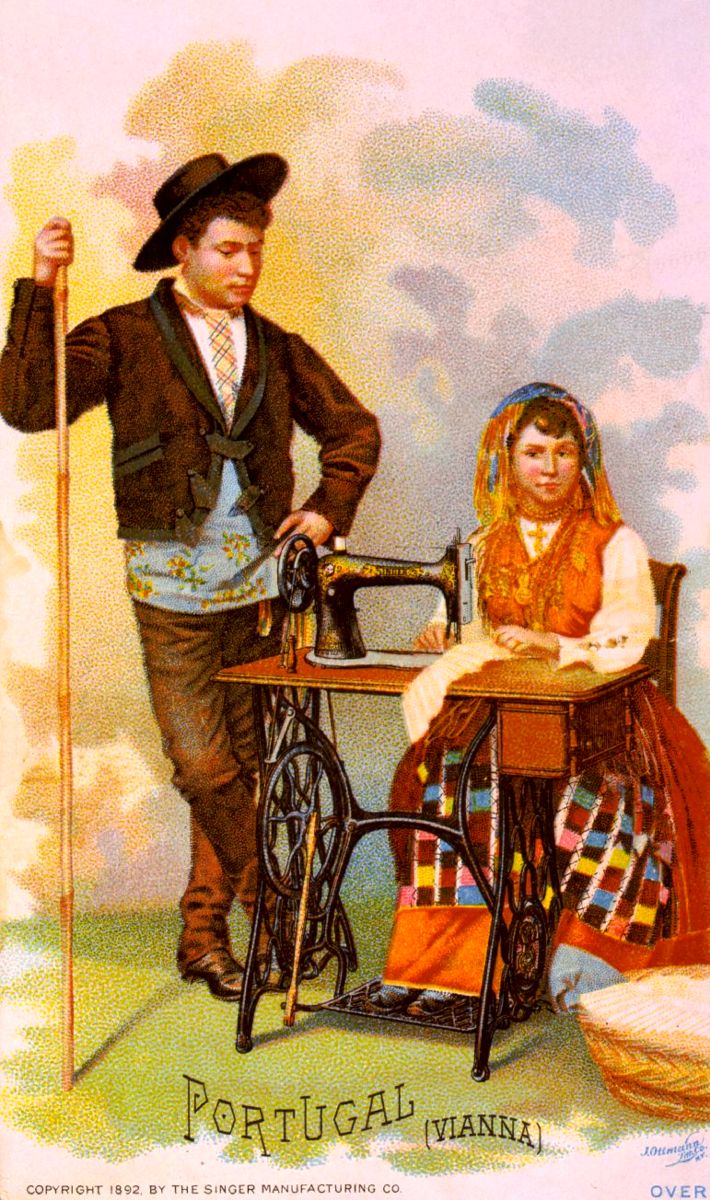
Local traditions - Viana do Castelo Singer Manufacturing Co. · Public domain

Local traditions

Festa de Nossa Senhora da Agonia: A vibrant festival celebrating the city's patron saint.
Festa de São João: A lively celebration with music and fireworks in June.
Traditional crafts: Filigree jewelry and pottery are significant local crafts.
Pilgrimages: Many locals participate in religious pilgrimages to nearby sites.

Do's and don'ts

Try local dishes at family-run restaurants.
Visit the Municipal Museum for insights into local culture.
Take a stroll along the river promenade.
Engage with local artisans at craft shops.
Don't rush through the historic center; take your time to explore.
Don't ignore safety warnings at the beach.
Don't miss the local festivals if visiting in season.
Don't rely solely on taxis; walking is often more enjoyable.

Practical

At a glance

Founded
600 BC
Population
36.750
Accessibility
The city has some wheelchair-friendly areas, but many streets are cobbled.
Price level
Mid-range

Things to know

Be cautious of tourist traps in busy areas, especially near the waterfront.
Public transport options are limited; walking is often the best way to explore.
Summer can be crowded, so plan visits to popular sites early in the day.
Some beaches may have strong currents; check local advice before swimming.
In 2023, the city has seen an increase in visitors, so expect longer wait times at popular restaurants and attractions.
history_eduHistoryexpand_more

Viana do Castelo's origins trace back to before the Christian era, with evidence of ancient settlements. The city received its first charter in 1258 from King Afonso III, originally named Viana da Foz do Lima due to its location. In 1848, Queen Maria II granted it city status. Over the centuries, Viana has developed into a cultural hub, preserving its historical architecture and traditions while adapting to modern influences.