search
search
add New trip
Porto
Destinations › … › Portugal › Norte

Porto

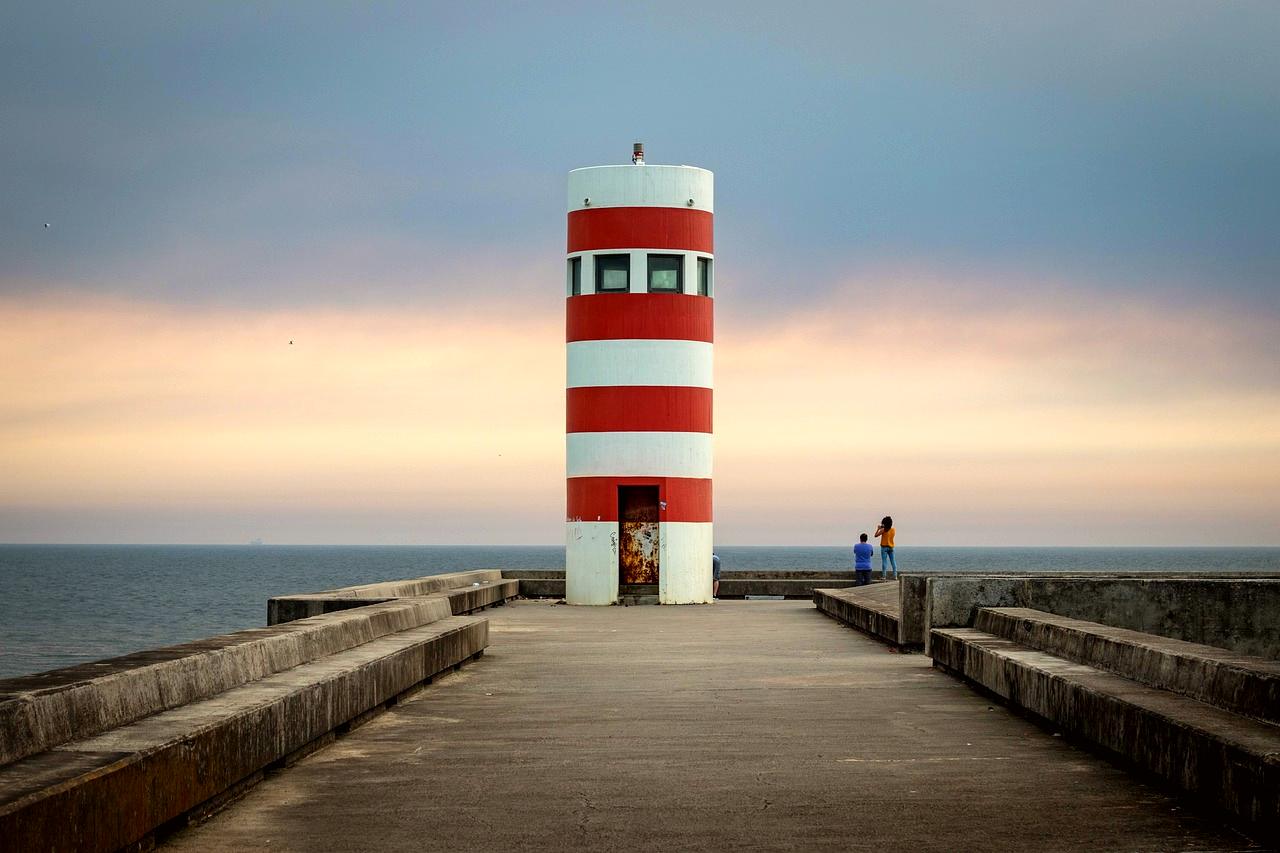
SLPix · Pixabay
SLPix · Pixabay
calendar_monthApr–Jun, Sep–Octbest time schedule3 daysplan for child_careYeswith kids
PortoYour own route Plan a trip here →

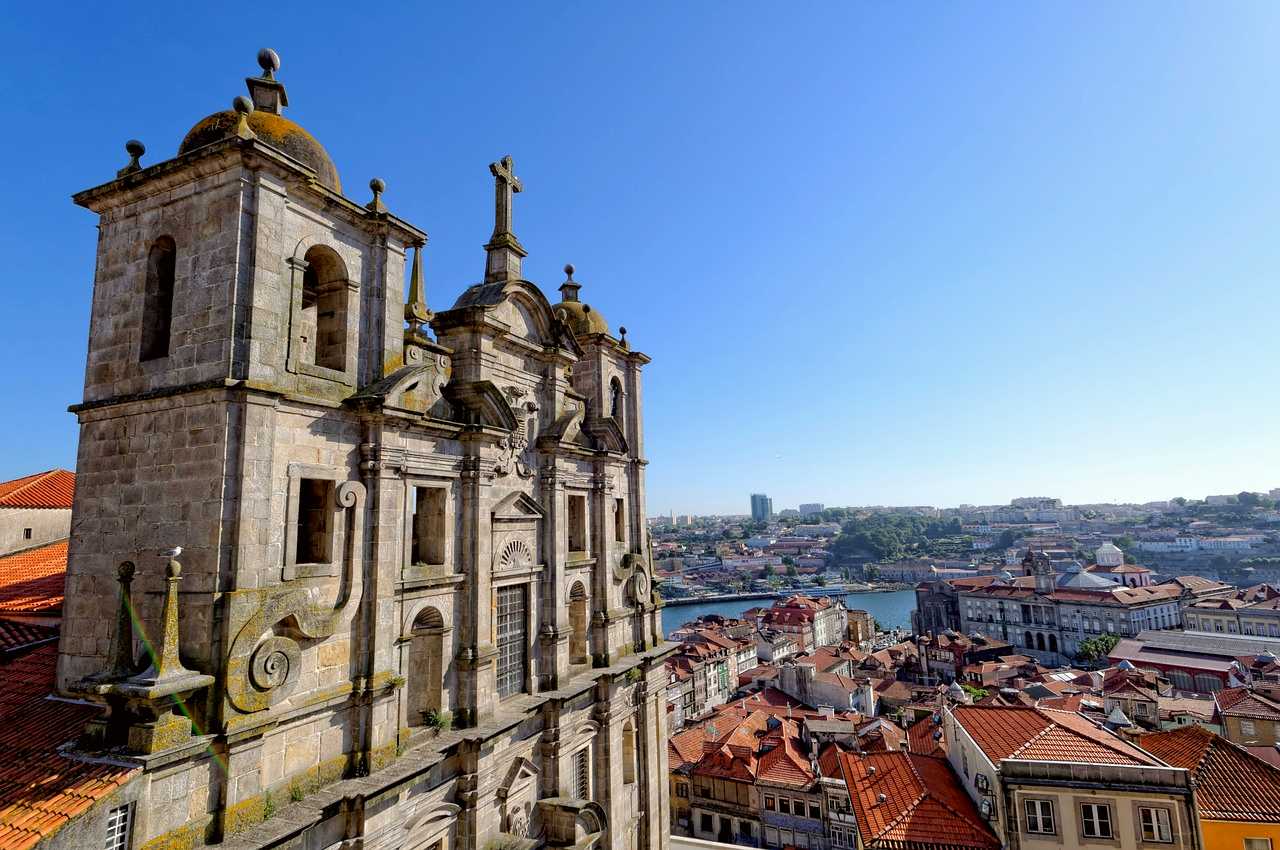
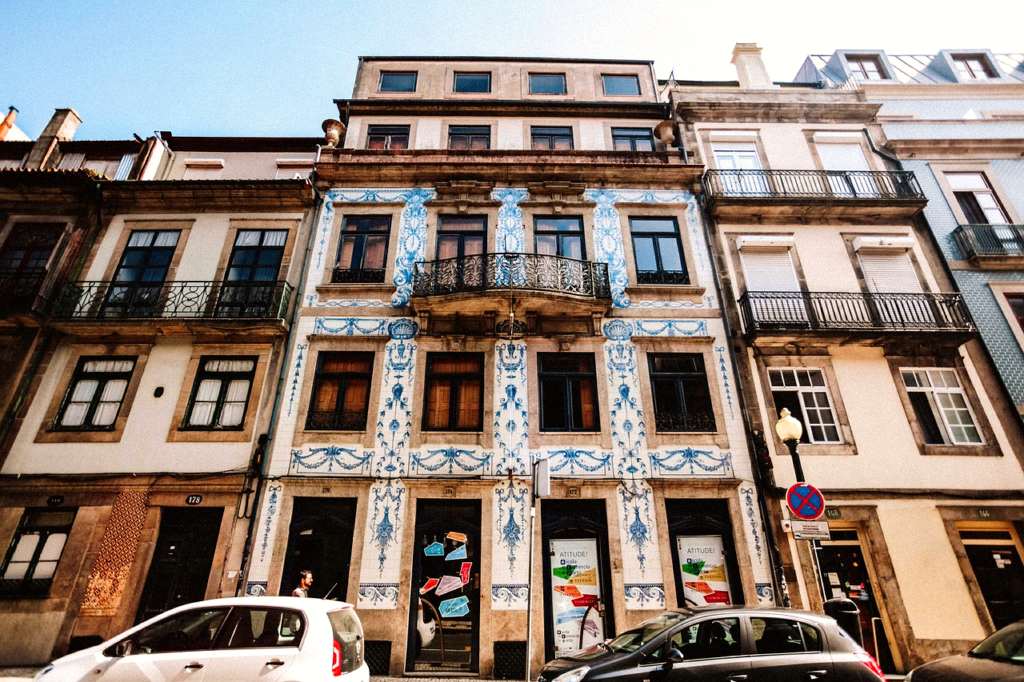
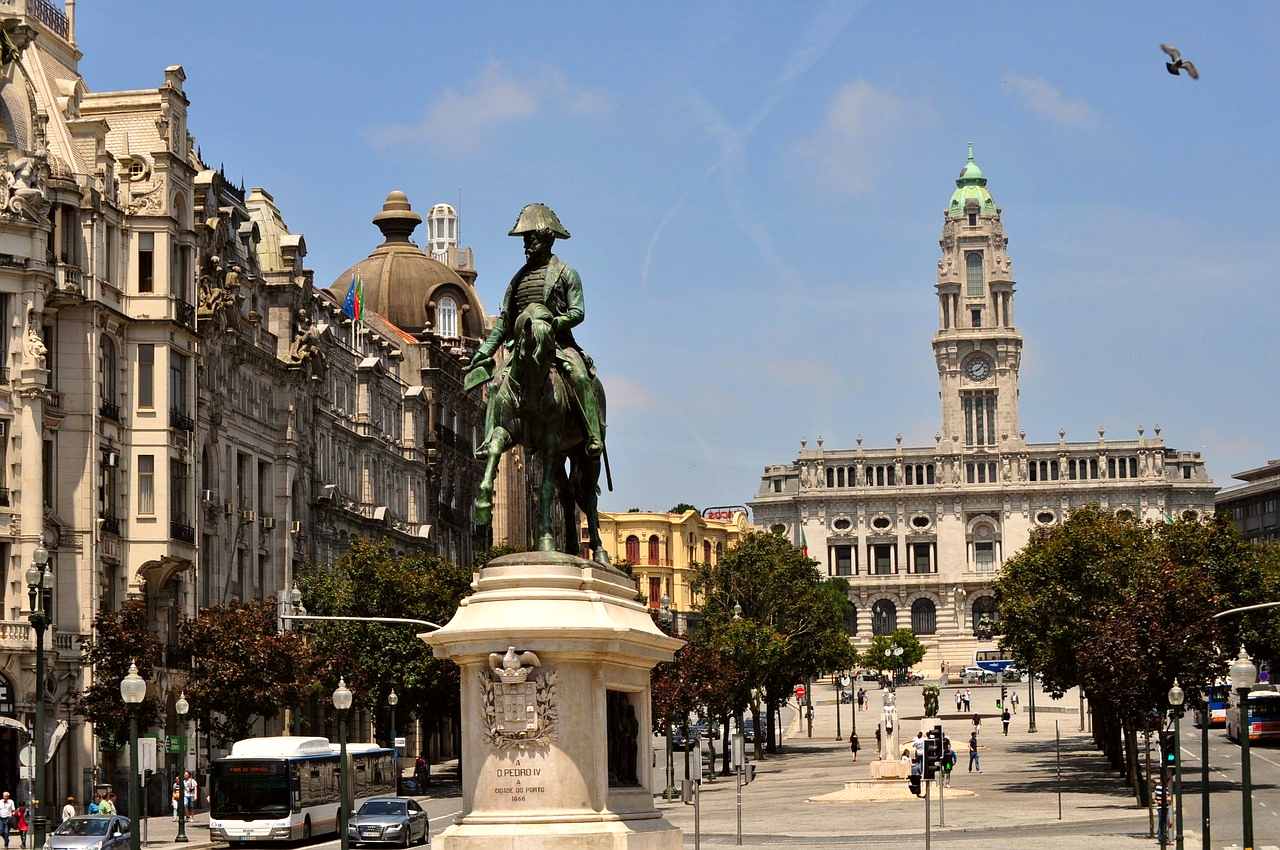
Porto, Portugal's second-largest city, is a vibrant blend of history and modernity. Its narrow cobbled streets, colorful buildings, and stunning riverside views create an inviting atmosphere for visitors.

Read more

The city is known for its rich cultural heritage, with a lively arts scene and a strong connection to its port wine production. Strolling along the Douro River or exploring the historic Ribeira district offers a glimpse into Porto's charm and character.

Routes through here

Every route opens in the planner as your own copy: change any stop, any night.

In pictures

Porto Stroganova · Pixabay
Porto Smirre · Pixabay
Porto adrimarie · Pixabay

Sightseeing

Dom Luís I Bridge: Iconic double-deck iron bridge with stunning views
Ribeira District: Picturesque riverside area with colorful buildings
Livraria Lello: Stunning historic bookstore, a must-visit for book lovers
Clérigos Tower: Baroque tower offering panoramic city views
São Bento Railway Station: Famous for its beautiful azulejos (tiles)
Palácio da Bolsa: 19th-century stock exchange with impressive architecture
Casa da Música: Modern concert hall known for its unique design
Port Wine Cellars: Explore the cellars and taste the famous port wine

"Porto, where history meets the river"Porto

Things to do

Take a river cruise: Enjoy views of Porto from the Douro River, with prices starting around €15 for a 50-minute ride.
Visit a port wine cellar: Learn about the wine-making process and sample local varieties at places like Graham's or Sandeman.
Explore the street art: Discover murals in neighborhoods like Miguel Bombarda.
Attend a Fado show: Experience traditional Portuguese music at venues like Casa da Mariquinhas or Clube de Fado.
Consider visiting the Livraria Lello, a historic bookstore known for its stunning architecture, but be prepared for an entrance fee.

Local food and drinks

Francesinha: Hearty sandwich layered with meats and topped with cheese
Bacalhau à Brás: Codfish dish with potatoes and eggs
Port Wine: Sweet fortified wine, a local specialty
Café Majestic: Historic café known for its elegant decor
Mercado do Bolhão: Traditional market offering local produce and snacks
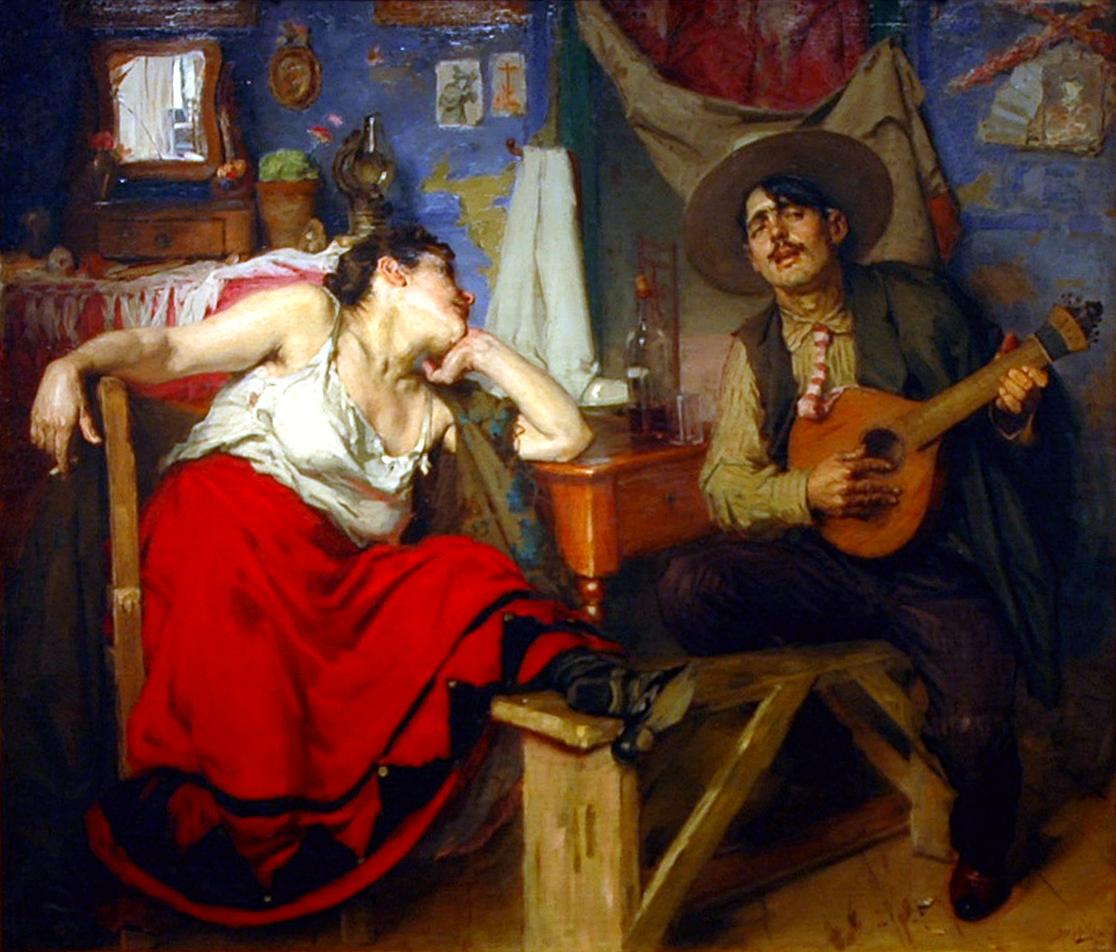
Local traditions - Porto José Malhoa · Public domain

Local traditions

São João Festival: Celebrated in June with street parties and fireworks
Festa de São Pedro: Local festival with music and food in late June
Fado music: Traditional music genre reflecting Portuguese culture
Cultural events: Regular art exhibitions and music festivals throughout the year

Do's and don'ts

Try the local cuisine at traditional restaurants
Explore beyond the main tourist areas for hidden gems
Learn a few Portuguese phrases to enhance your experience
Take your time to enjoy the city's relaxed pace
Don't rush your visit; Porto is best enjoyed slowly
Don't skip the local markets; they offer unique insights
Don't assume all wine is port; explore other local varieties
Don't forget to check opening hours for attractions, as they vary

Riverside views along the Douro River

Walking along the Douro River offers a refreshing perspective of Porto. The riverbanks are lined with colorful buildings, and you can watch the traditional rabelo boats glide by. Stop at one of the many cafes for a pastel de nata, a custard tart that pairs well with a coffee. The atmosphere here changes throughout the day, with locals and tourists alike enjoying the views, especially during sunset when the light reflects off the water.

Explore the historic Ribeira district

The Ribeira district is a maze of narrow streets and colorful facades. Here, you can find local restaurants serving francesinha, a hearty sandwich layered with meats and topped with a rich tomato and beer sauce. The lively atmosphere is enhanced by street performers and the sounds of laughter from outdoor terraces. Be prepared for steep climbs, as the area is built on a hill, but the views from the top are worth the effort.

Taste the local port wine

Porto is synonymous with port wine, and visiting one of the many wine cellars in Vila Nova de Gaia is a highlight. Here, you can learn about the wine-making process and sample different varieties. A typical tasting includes a glass of tawny port, which has a nutty flavor, and a ruby port, known for its fruity notes. Many cellars offer tours in English, so you can fully appreciate the history behind this iconic drink.

Practical

At a glance

Founded
300 BC
Population
214.000

Things to know

Be cautious of pickpockets in crowded areas, especially near tourist sites.
Public transport can be confusing; consider using Uber for convenience.
Some attractions may have long lines, especially in peak season.
Watch out for tourist traps in the Ribeira district; explore side streets for authentic experiences.
As of 2023, the Porto Card offers access to several museums and discounts, including public transport.
Note that many restaurants and shops may close on Sundays.
history_eduHistoryexpand_more

Porto's history dates back to Roman times when it was known as Portus Cale, a settlement that eventually gave Portugal its name. The city flourished during the Middle Ages, becoming a significant trading hub due to its strategic location along the Douro River.

In the 18th century, Porto gained international fame for its port wine production, leading to the establishment of numerous wine cellars. The city played a crucial role in Portugal's political and economic development, particularly during the Liberal Wars in the 19th century.

Photo: SLPix · Pixabay Content License · Pixabay

Photo credits (4)