search
search
add New trip
Alicante

Alicante

Population: 330.000 Since: Founded around 600 BC Price: Mid-range

Introduction

Alicante is a coastal city in Spain known for its warm climate and rich history. The old town features narrow streets and a mix of architectural styles, making it a pleasant area to explore on foot.

Visitors can enjoy the Mediterranean atmosphere, with a lively waterfront and numerous cafes. The local culture is evident in the markets and festivals, offering a taste of daily life in this vibrant city.

Sightseeing

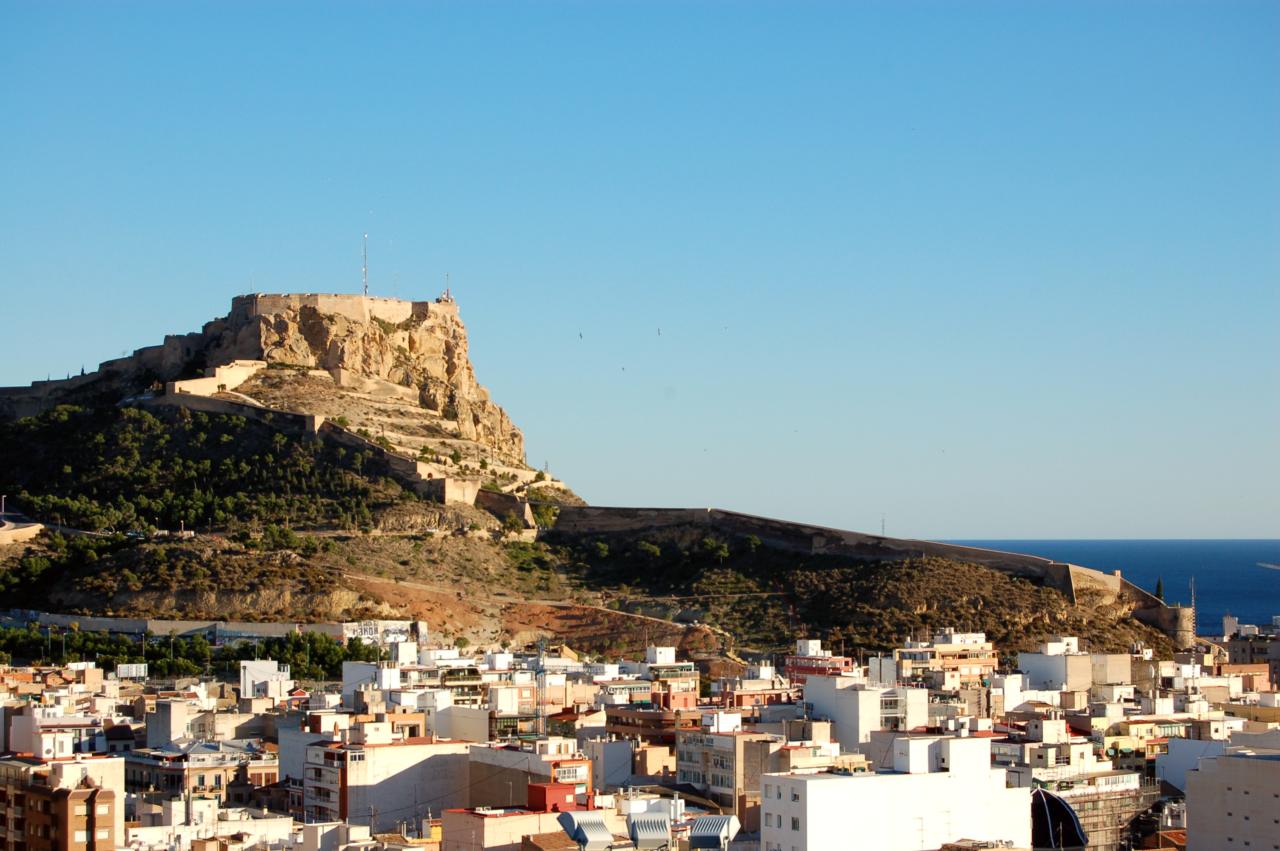
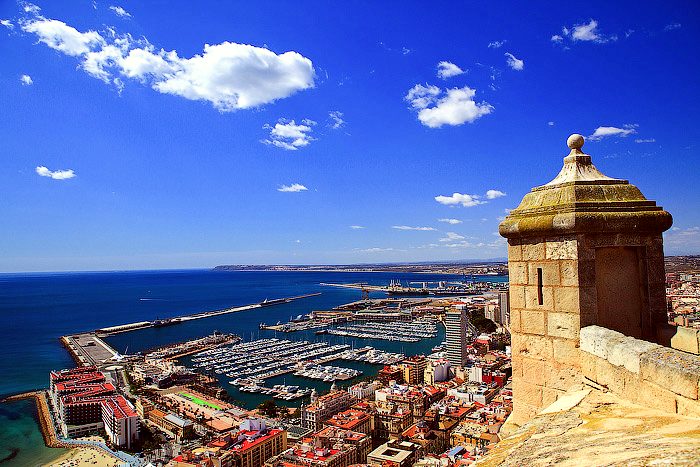
Castell de Santa Bàrbara: a large medieval fortress with panoramic views
Explanada de España: a picturesque promenade lined with palm trees
Basilica de Santa María: a beautiful Gothic church dating back to the 14th century
Mercat Central: a bustling market with fresh produce and local delicacies
Museo de Arte Contemporáneo: showcases modern art in a historic building
Playa del Postiguet: a popular beach close to the city center
Mount Benacantil: a natural landmark offering hiking opportunities
Teatro Principal: the main theater hosting various performances

"Experience the charm of Alicante"Alicante

Things to do

Wander through the old town to admire its architecture
Visit the Central Market for local food and souvenirs
Relax at Playa del Postiguet and enjoy the sun
Explore the Castell de Santa Bàrbara for history and views
Attend a performance at the Teatro Principal for local culture
Local food and drinks - Alicante

Local food and drinks

Paella: a traditional rice dish often made with seafood
Tortilla Española: a Spanish omelette made with potatoes and onions
Turrón: a nougat confection popular during holidays
Horchata: a refreshing drink made from tiger nuts
El Buen Comer: a local restaurant known for its menú del día
Local traditions - Alicante

Local traditions

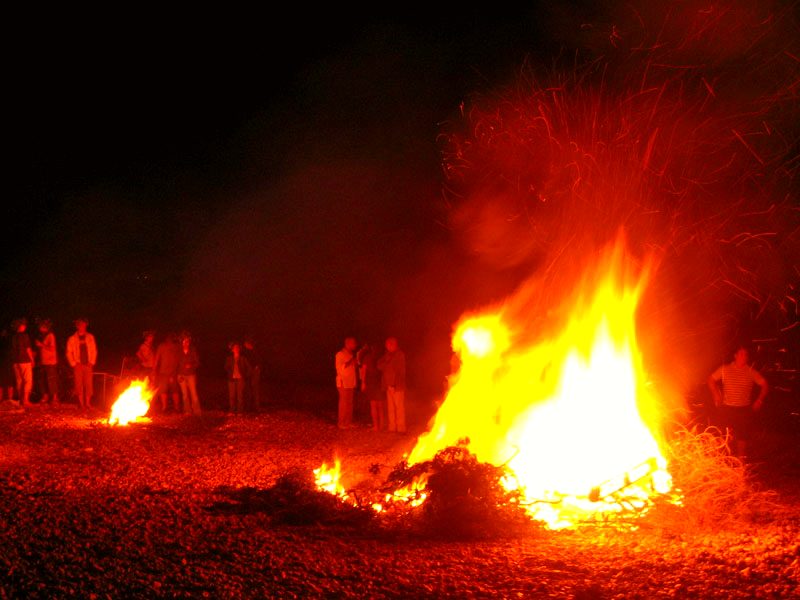
Hogueras de San Juan: a festival featuring bonfires and fireworks in June
Feria de Agosto: a summer fair with rides, food stalls, and concerts
Semana Santa: Holy Week celebrations with processions and religious events
Día de la Comunidad Valenciana: a regional holiday celebrated with parades and traditional music
History - Alicante

History

Alicante's origins trace back to the Carthaginian general Hamilcar Barca, who established the settlement of Akra Leuka. The Romans later renamed it Lucentum, marking its significance in ancient times. During the medieval period, Alicante thrived as a trading hub in the Mediterranean, exporting goods like rice, wine, and olive oil. Its strategic location contributed to its development and cultural richness.

Things to know

Beware of tourist traps near the beach, where prices can be inflated
Public transport can be limited, especially on weekends
Safety is generally good, but keep an eye on personal belongings
Many restaurants close for several hours in the afternoon, so plan meals accordingly

Do's and don'ts

Try local dishes at the Central Market
Explore the narrow streets of the old town
Attend a local festival for an authentic experience
Take a walk along the Explanada de España
Don't expect restaurants to open before 21:00 for dinner
Don't ignore the siesta hours when planning activities
Don't miss the chance to try paella in its birthplace
Don't forget sunscreen when visiting the beach

Good to know

Accessibility: The city has some wheelchair-friendly areas but also steep streets.
Price level: mid-range

Photo: Wikipedia / Wikimedia Commons