Seville
Introduction
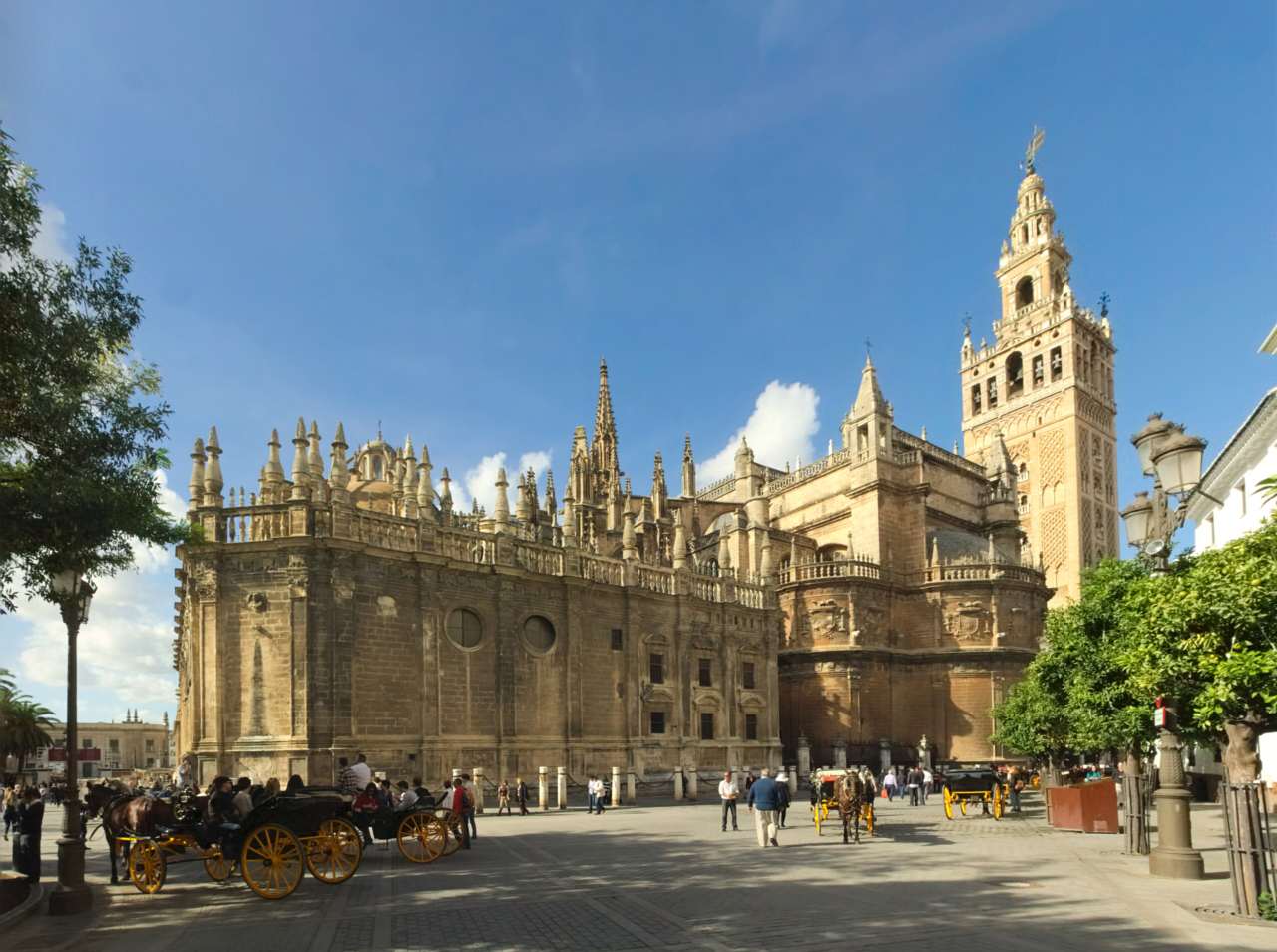
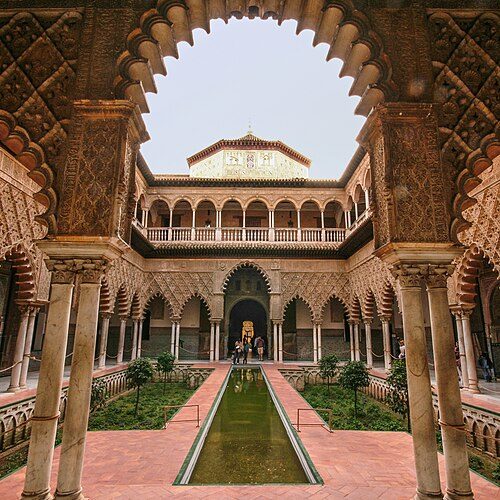
Seville is a vibrant city that pulses with life, where flamenco music fills the air and the scent of orange blossoms wafts through the streets. Its rich history is reflected in stunning architecture, from the intricate details of the Alcázar to the grandeur of the Cathedral, making it a feast for the senses.
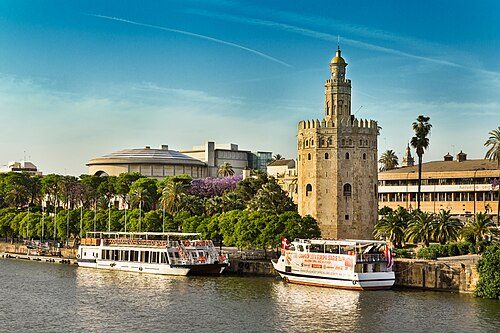
Visitors will find a blend of cultures, with Moorish influences evident in the city's layout and design. The warm climate invites leisurely strolls along the Guadalquivir River, while the lively tapas bars beckon for a taste of local cuisine, creating an atmosphere that feels both welcoming and exciting.
In pictures
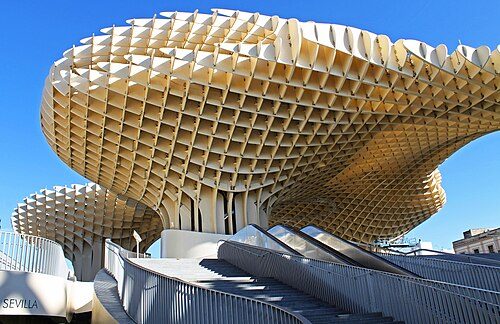
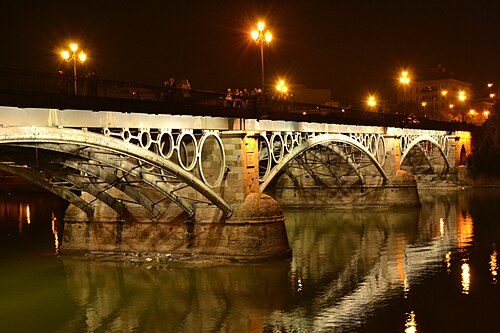
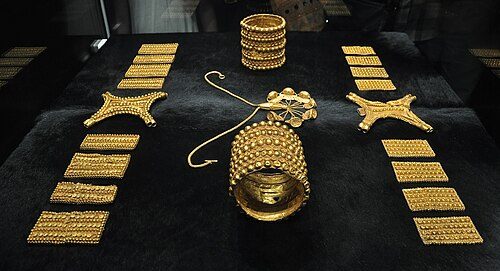
Sightseeing
Things to do
Top attractions
Aquopolis Sevilla
A water park with slides and pools
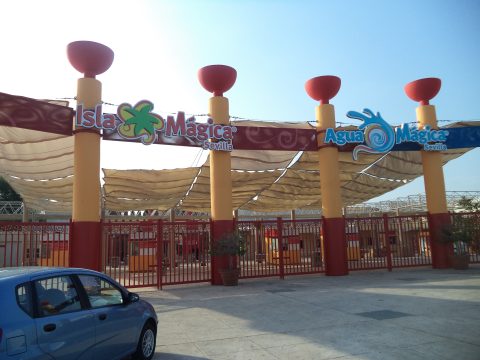
Isla Mágica
A fun theme park with rides and shows
Museo de Bellas Artes
An art museum with a family-friendly atmosphere
Parque de Atracciones
An amusement park with rides for all ages
Local food and drinks
Local traditions
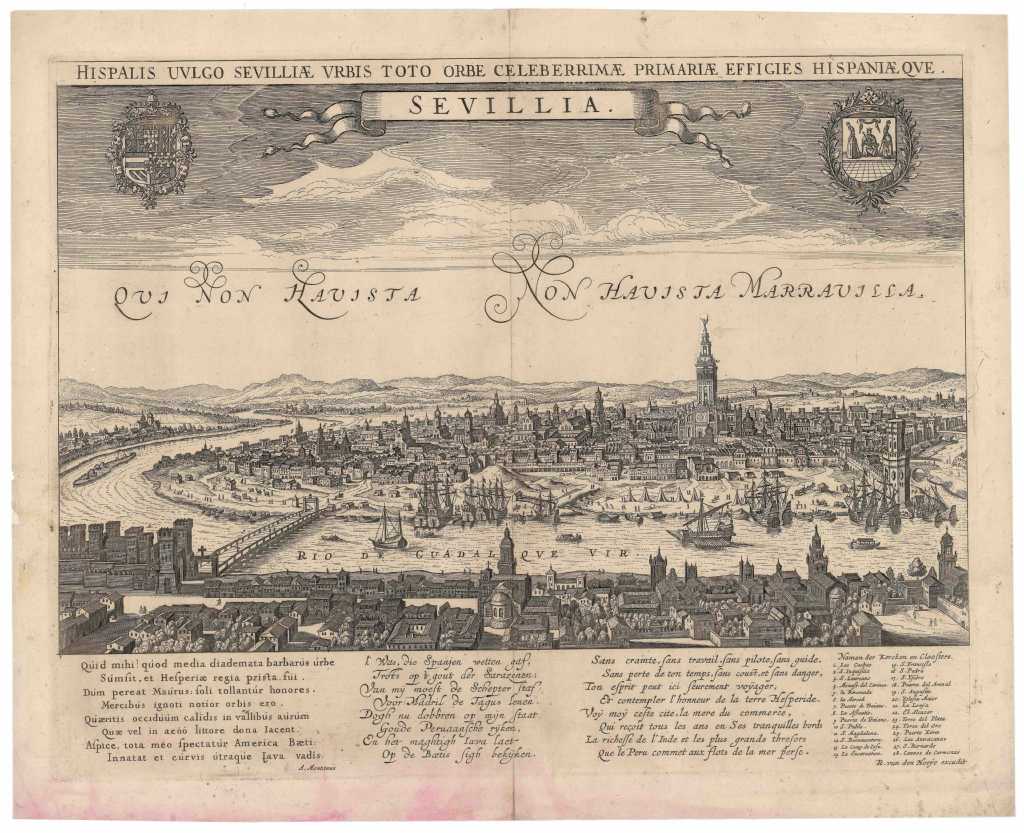
History
Seville's history dates back to Roman times, when it was known as Hispalis. The city flourished under Muslim rule from the 8th to the 13th centuries, becoming a center of culture and trade, which is evident in its architecture and layout.
After the Reconquista, Seville became a major port for the Spanish Empire, facilitating trade with the Americas. This period of prosperity left a lasting mark on the city, with grand buildings and a rich cultural heritage that continues to attract visitors today.
Things to know
Do's and don'ts
Good to know
Photo: Wikipedia / Wikimedia Commons