
search
search
add New trip
Andalusia

Andalusia

DenisDoukhan · Pixabay
ES calendar_monthMar–May, Sep–Novbest time schedule10 daysplan for child_careYeswith kids
AndalusiaYour own route Plan a trip here →

Andalusia is a vibrant region in southern Spain, known for its rich cultural heritage, stunning landscapes, and warm climate. Travelers can explore historic cities, picturesque villages, and beautiful coastlines, making it a diverse destination for all types of visitors.

Read more

From the majestic Alhambra in Granada to the lively flamenco shows in Seville, Andalusia offers a unique blend of history and modernity. However, be prepared for hot summers and busy tourist spots, especially in July and August, which can make some experiences less enjoyable.

In pictures

Andalusia Barbara-Iandolo · Pixabay
Andalusia ptrabattoni · Pixabay
Andalusia franky1st · Pixabay
Andalusia laguilera130713 · Pixabay

Sightseeing

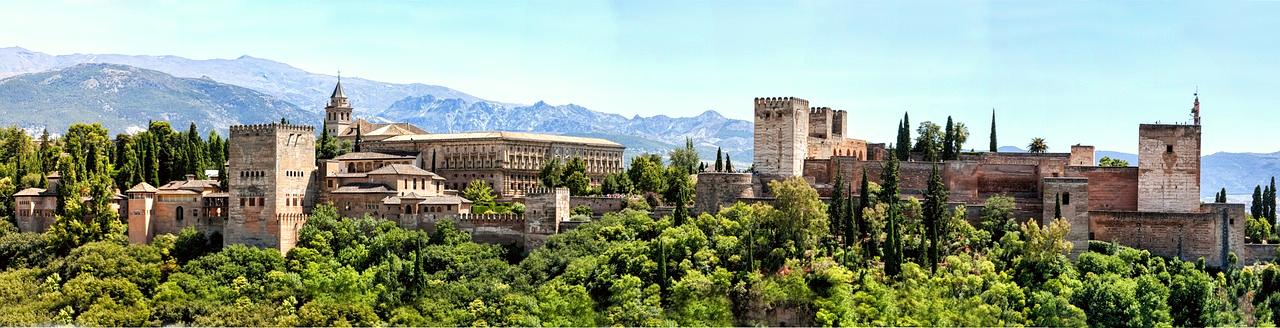
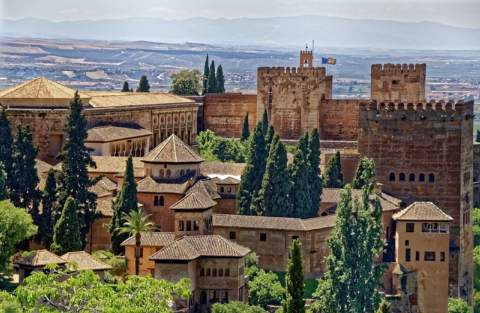
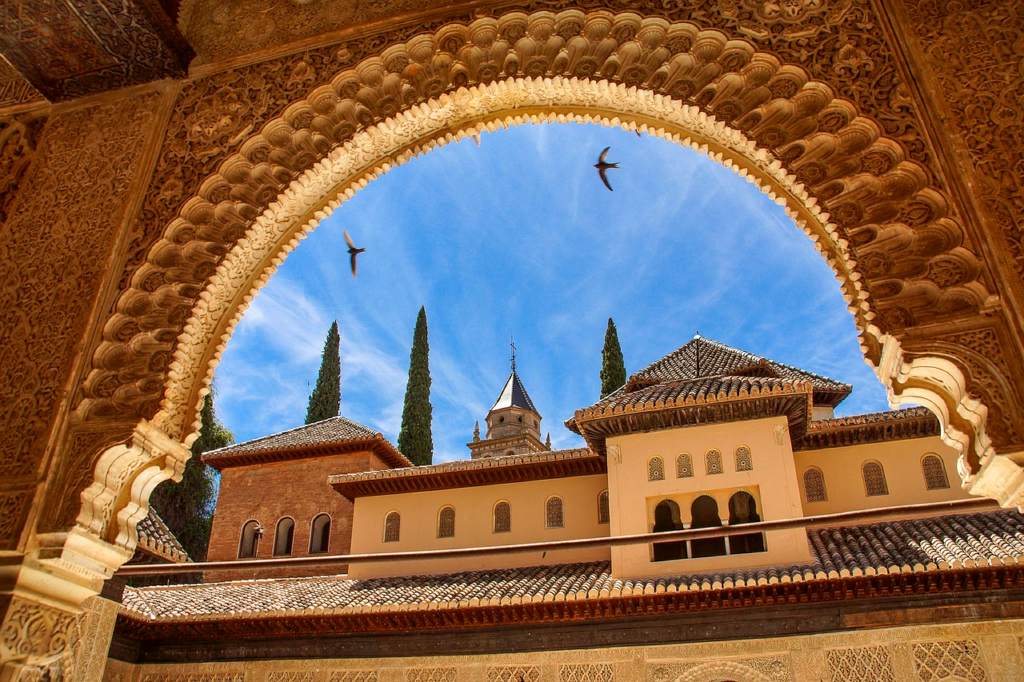
Alhambra: A UNESCO World Heritage site in Granada, known for its intricate Islamic architecture and beautiful gardens.
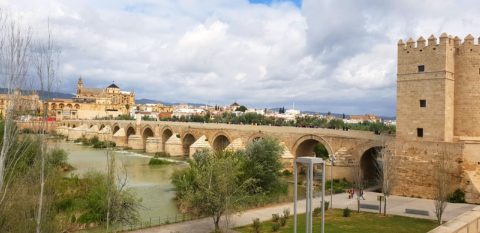
Mezquita: A mosque-cathedral in Córdoba, featuring remarkable Moorish design and a forest of columns.
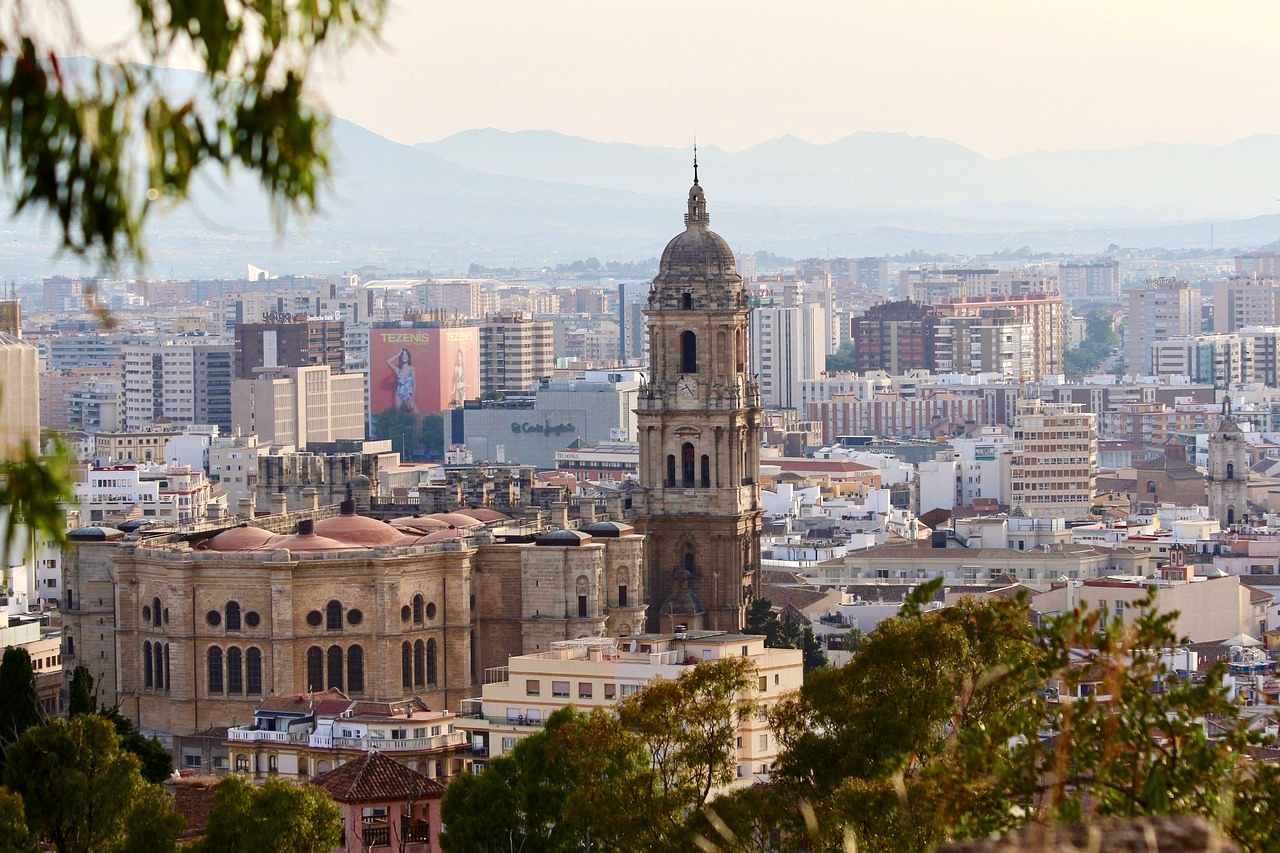
Seville Cathedral: One of the largest cathedrals in the world, recognized for its impressive Gothic architecture and the Giralda bell tower.
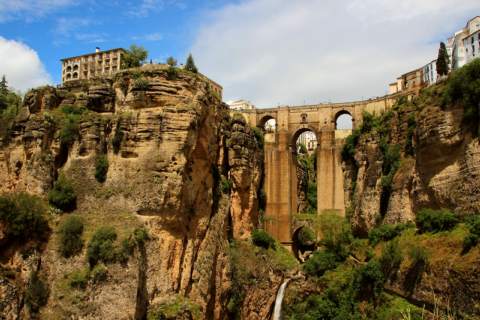
Ronda: A town perched on a cliff, offering views of the El Tajo gorge and a rich history, including the Puente Nuevo bridge.
Gibraltar: A British Overseas Territory with views of the Mediterranean and unique wildlife, including the Barbary macaques.
Sierra Nevada: A mountain range ideal for hiking in the summer and skiing in the winter, with diverse flora and fauna. Check for seasonal snow conditions if skiing.
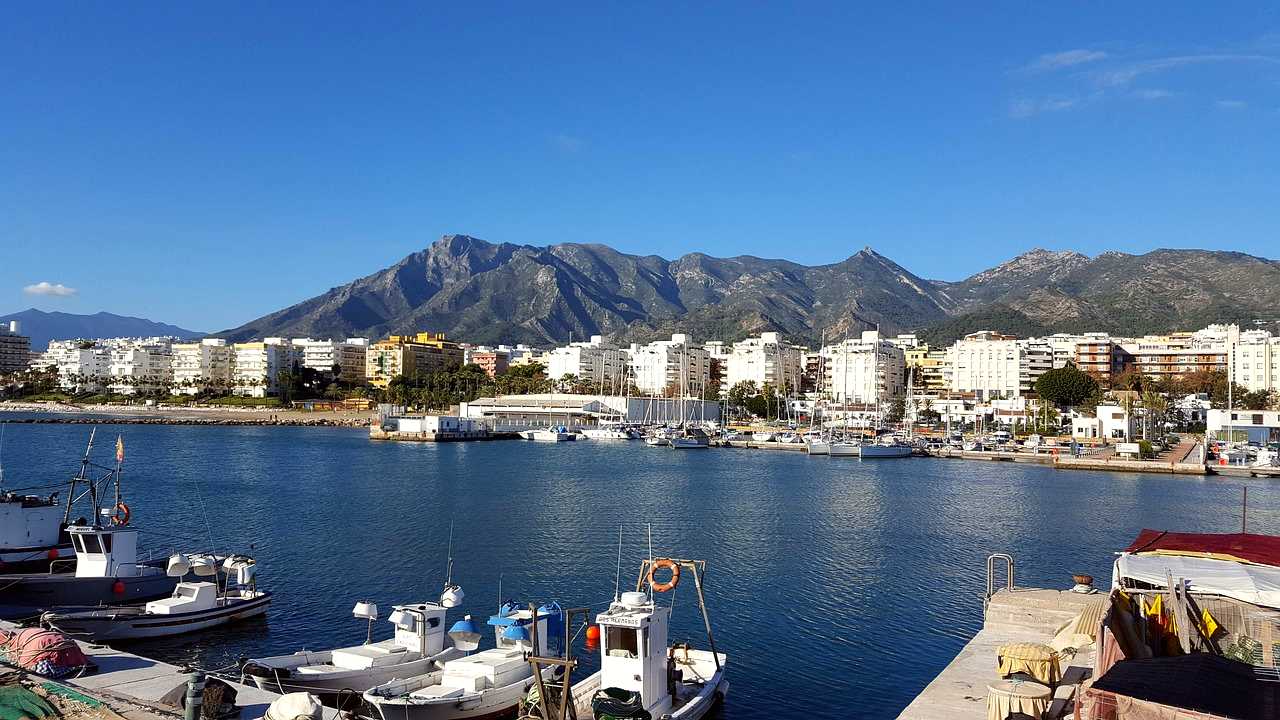
Costa del Sol: A coastal area known for its sandy beaches and lively nightlife, particularly in towns like Marbella and Torremolinos.
Jerez de la Frontera: Renowned for sherry production, with numerous bodegas offering tastings, and a strong flamenco culture.

"Experience the Heart of Spain"Andalusia

Local food and drinks

Gazpacho: A refreshing cold soup made from tomatoes and vegetables.
Tortilla Española: A traditional Spanish omelette made with potatoes and onions.
Jamón Ibérico: Cured ham that is a delicacy in Andalusia, known for its rich flavor.
Fried Fish: A popular dish along the coast, often served with lemon.
Tinto de Verano: A refreshing summer drink made with red wine and lemonade.
Local traditions - Andalusia Wikimedia Commons · Public domain

Local traditions

Semana Santa: Holy Week celebrations with elaborate processions in cities like Seville.
Feria de Abril: A lively spring fair in Seville featuring flamenco, food, and festivities.
Feria de Jerez: A celebration of sherry wine with music, dancing, and local cuisine.
Flamenco: A passionate dance and music style that originated in Andalusia.

Explore the Alhambra's intricate architecture

The Alhambra in Granada is a testament to Moorish architecture, with its ornate tile work and lush gardens. Walking through the Nasrid Palaces, you can admire the delicate stucco carvings and reflecting pools that create a serene atmosphere. Plan your visit early in the morning or later in the afternoon to avoid the crowds. The summer heat can be intense, so bring water and wear comfortable shoes for the extensive walking. The views of the Sierra Nevada mountains from the fortress are a highlight, especially at sunset.

Experience flamenco in Seville's streets

Seville is the heart of flamenco, where you can find spontaneous performances in the streets, especially in the Triana neighborhood. The passion of the dancers and the strumming of guitars create an electric atmosphere. While there are many formal shows, the street performances offer a more authentic experience. Keep an eye out for local bars that host jam sessions, where you can enjoy tapas and a drink while soaking in the culture. Just be aware that the summer months can be sweltering, so plan your outings for the cooler evenings.

Taste the local flavors at a market

Visiting a local market, like Mercado de Triana in Seville, is a great way to experience Andalusian cuisine. Here, you can sample local cheeses, olives, and fresh seafood. Don't miss trying a plate of jamón ibérico, a cured ham that is a staple in the region. The market can get busy, especially on weekends, so consider going on a weekday for a more relaxed experience. Grab a seat at one of the small bars inside to enjoy a glass of local wine while you watch the hustle and bustle around you.

Practical

At a glance

Best time
Spring and Fall
history_eduHistoryexpand_more

Andalusia has a rich and complex history, influenced by various cultures over the centuries. It was a significant part of the Roman Empire, and later, the Moorish conquest in the 8th century left a lasting impact on its architecture and culture.

The region played a crucial role during the Reconquista, culminating in the fall of Granada in 1492. This event marked the end of Muslim rule in Spain and the beginning of a new era, leading to the flourishing of arts and exploration during the Spanish Golden Age.

Photo: DenisDoukhan · Pixabay Content License · Pixabay

Photo credits (4)