San Sebastián
San Sebastián, nestled along the northern coast of Spain, is a vibrant city known for its stunning beaches and rich culinary scene. The picturesque La Concha beach, with its golden sands and clear waters, draws visitors seeking both relaxation and adventure.
Read more
The city's charming old town, Parte Vieja, is a maze of narrow streets filled with pintxos bars and local shops. With a backdrop of lush green hills, San Sebastián offers a unique blend of urban life and natural beauty, making it a delightful destination for travelers.
Highlights
Aquarium
Interactive exhibits about marine life
Beach of La Concha
Family-friendly beach with calm waters
Magic Park
Fun amusement park for younger children
Monte Igueldo Amusement Park
Fun rides with great views
San Telmo Museoa
Engaging exhibits on Basque culture
Routes through here
Every route opens in the planner as your own copy: change any stop, any night.
Sightseeing
Things to do
Local food and drinks
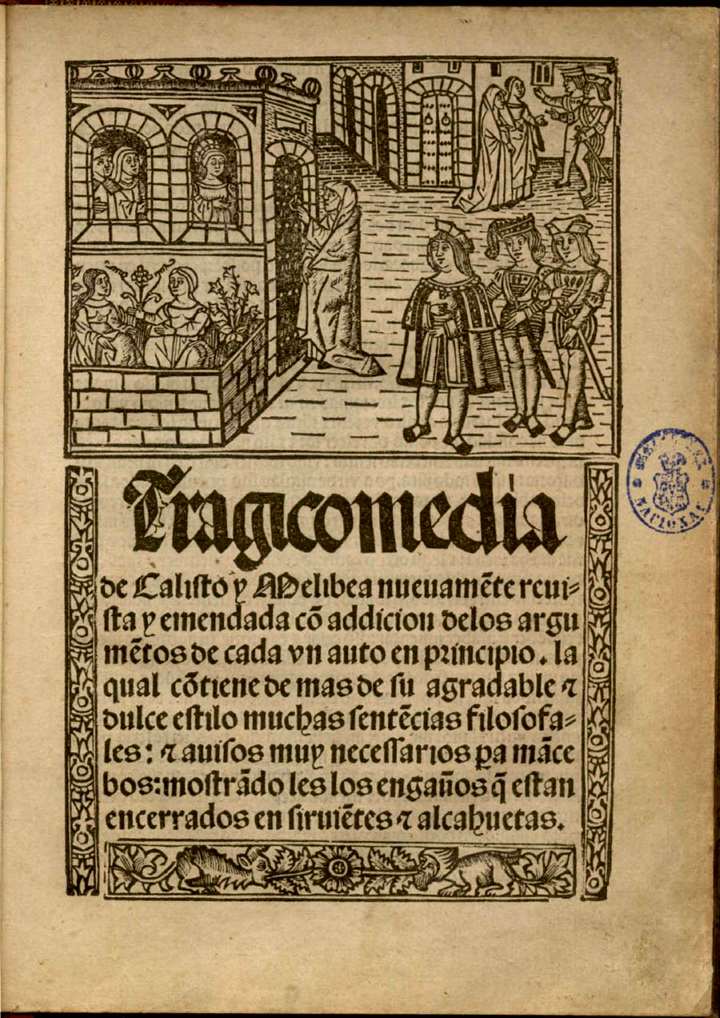 Wikimedia Commons · Public domain
Local traditions
Do's and don'ts
Practical
At a glance
- Founded
- 1180
- Population
- 186.000
- Accessibility
- The city has some accessible areas but also steep hills.
- Price level
- Mid-range
Things to know
History
San Sebastián was founded in 1180 and quickly became an important port city. Its strategic location made it a target during various conflicts, including the Napoleonic Wars, which shaped its development over the centuries.
In the 19th century, the city began to flourish as a resort destination for the Spanish elite, leading to the construction of grand buildings and the establishment of its culinary reputation. Today, it is recognized as a UNESCO Creative City of Gastronomy.