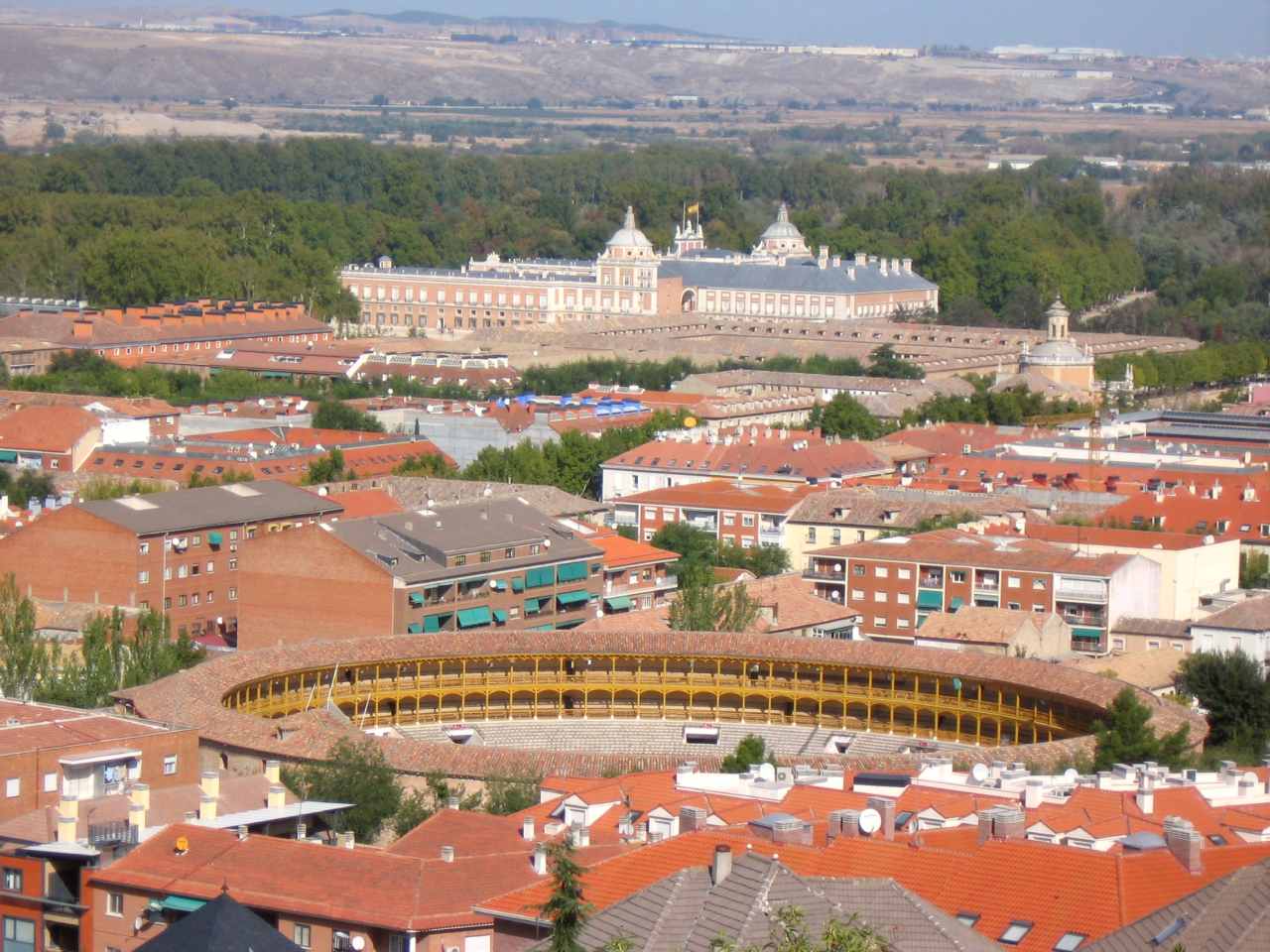
Aranjuez
Aranjuez sits where the Tagus and Jarama rivers meet, about 50 km south of Madrid on the flat valley floor. The town grew up around a royal palace and its gardens, and since 2001 the whole landscape has been a UNESCO World Heritage Site. The scale is human: wide tree-lined avenues, water everywhere, and a grid of streets that is easy to walk.
Read more
Come in spring for the strawberries and asparagus, or early September for the town fair. It is calmer than the capital, and locals still call themselves ribereños, river people. A day trip works, but a night lets you see the gardens empty at dawn.
Highlights
Jardin de la Isla
Formal riverside gardens beside the palace.
Jardin del Principe
Large park along the Tagus with themed gardens.
Museo de Faluas Reales
Collection of royal river barges from the Tagus.
Real Casa del Labrador
Ornate small pavilion within the Prince's Garden.
Royal Palace of Aranjuez
18th century royal residence with the famous Porcelain Study.
Routes through here
Every route opens in the planner as your own copy: change any stop, any night.
Sightseeing
Things to do
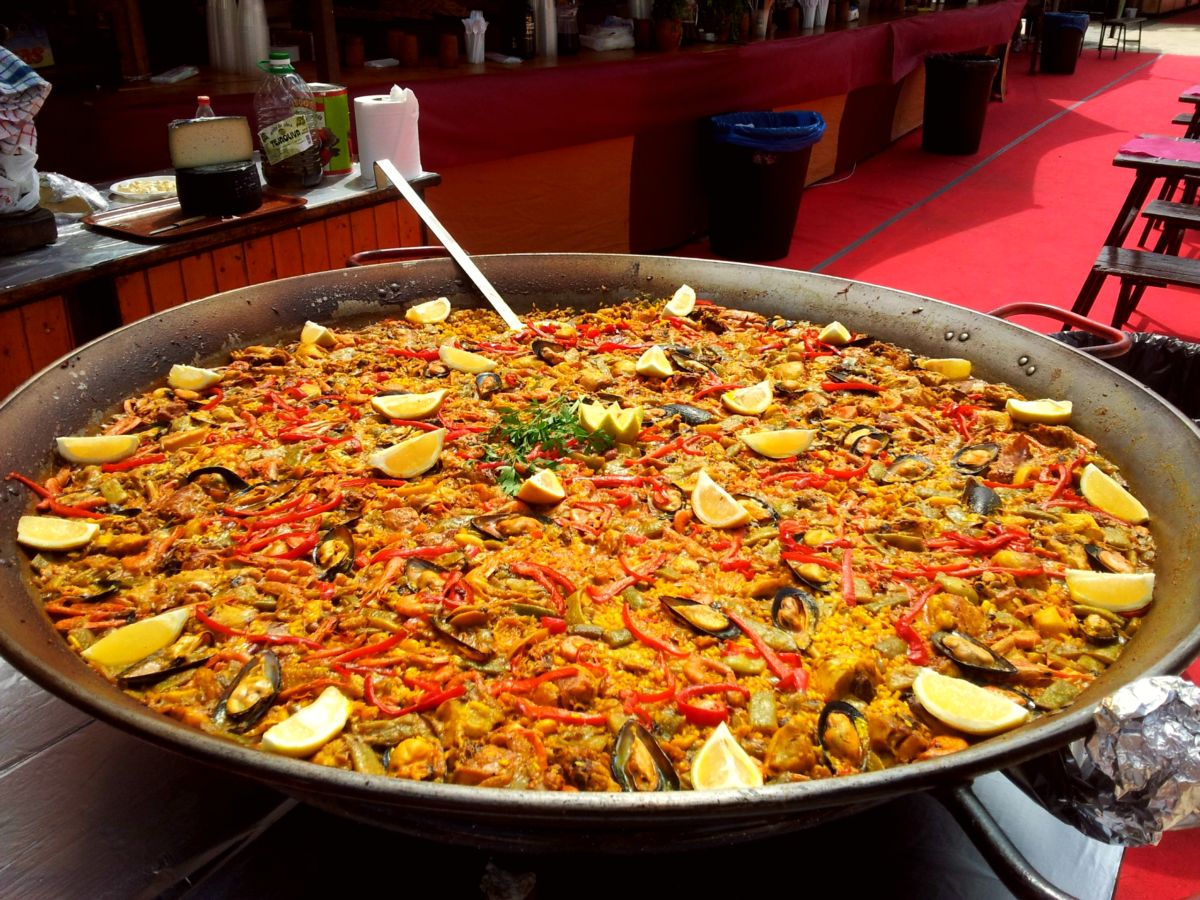
Local food and drinks
Local traditions
Do's and don'ts
Practical
At a glance
- Founded
- Royal town laid out from 1747
- Population
- 60.000
- Accessibility
- Flat streets and level garden paths make much of the town workable by wheelchair, though some palace areas have steps.
- Price level
- Mid-range
Things to know
History
Aranjuez was one of the sites the Spanish crown reserved as a royal spring residence. The current palace dates from the 18th century, and from 1747 the surrounding town was laid out on a planned grid to house the roughly 700 families who served the court. The gardens, canals and avenues were designed together as one landscape, which is why UNESCO listed the whole estate rather than a single building.
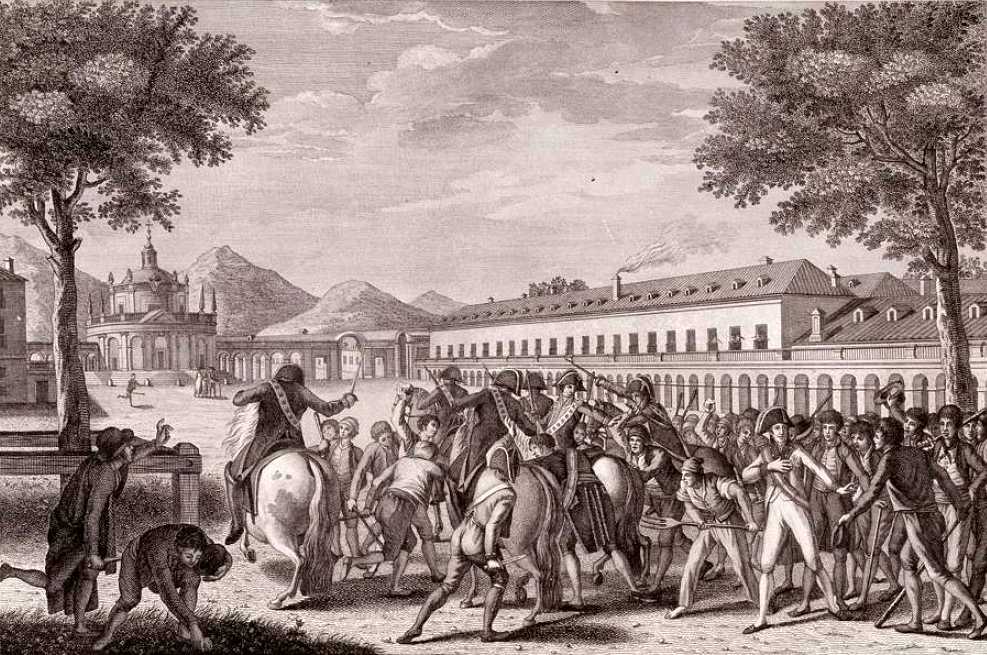
In March 1808 the town gave its name to the Motin de Aranjuez, a revolt against the minister Godoy, widely blamed for letting Napoleon's troops into Spain. The unrest forced King Charles IV to abdicate in favour of his son and helped trigger the Peninsular War.
Photo: Wikipedia / Wikimedia Commons