kiomigo
search
search
add New trip
Santiago de Compostela

Santiago de Compostela

Population: 100.000 Since: Founded in the 9th century Price: Mid-range
accessible Accessibility: The city has some accessible areas, but cobblestones can be challenging.

Introduction

Santiago de Compostela is a city steeped in history and spirituality, known for its stunning cathedral and vibrant atmosphere. The cobblestone streets are lined with charming cafes and shops, creating a welcoming environment for visitors seeking both culture and relaxation.

As the endpoint of the Camino de Santiago pilgrimage, the city attracts travelers from around the world. Its blend of medieval architecture and modern life offers a unique experience, though the influx of tourists can sometimes overshadow the local charm.

Sightseeing

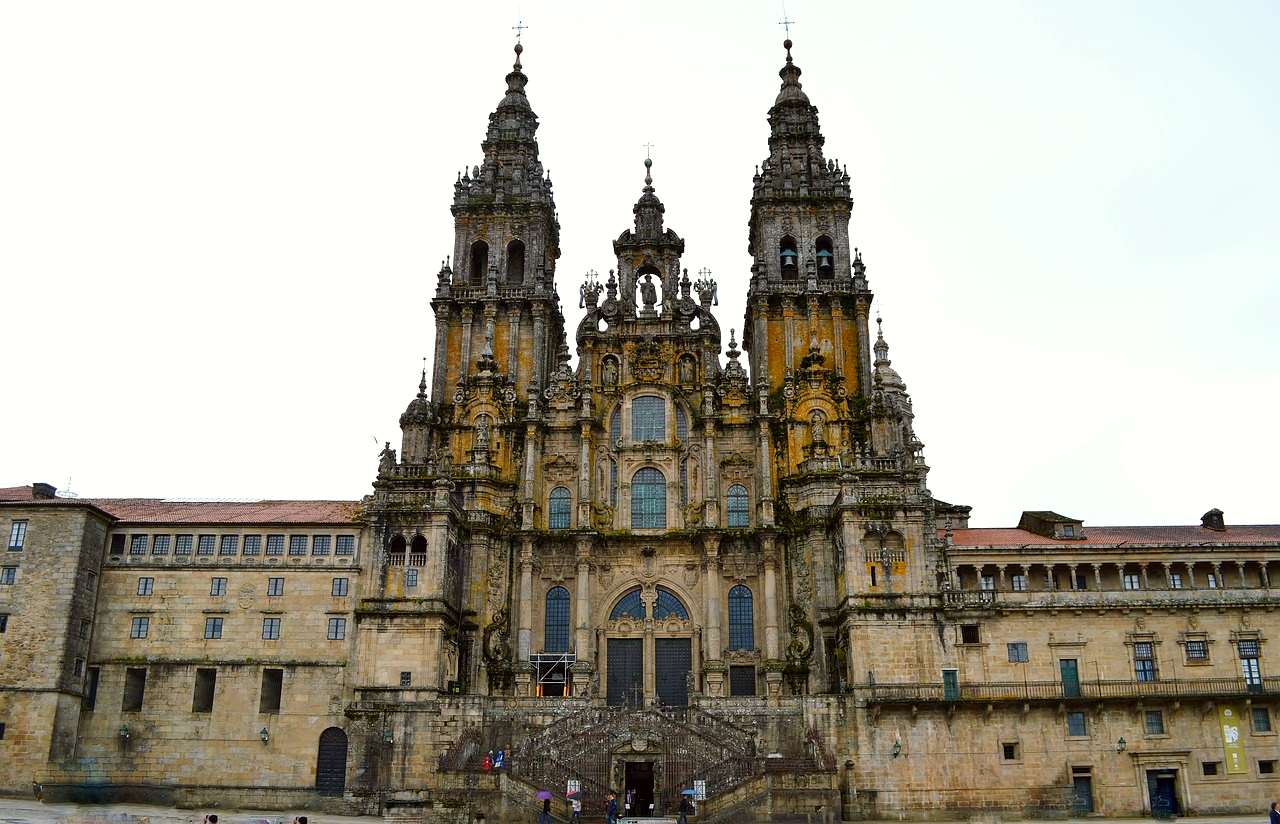
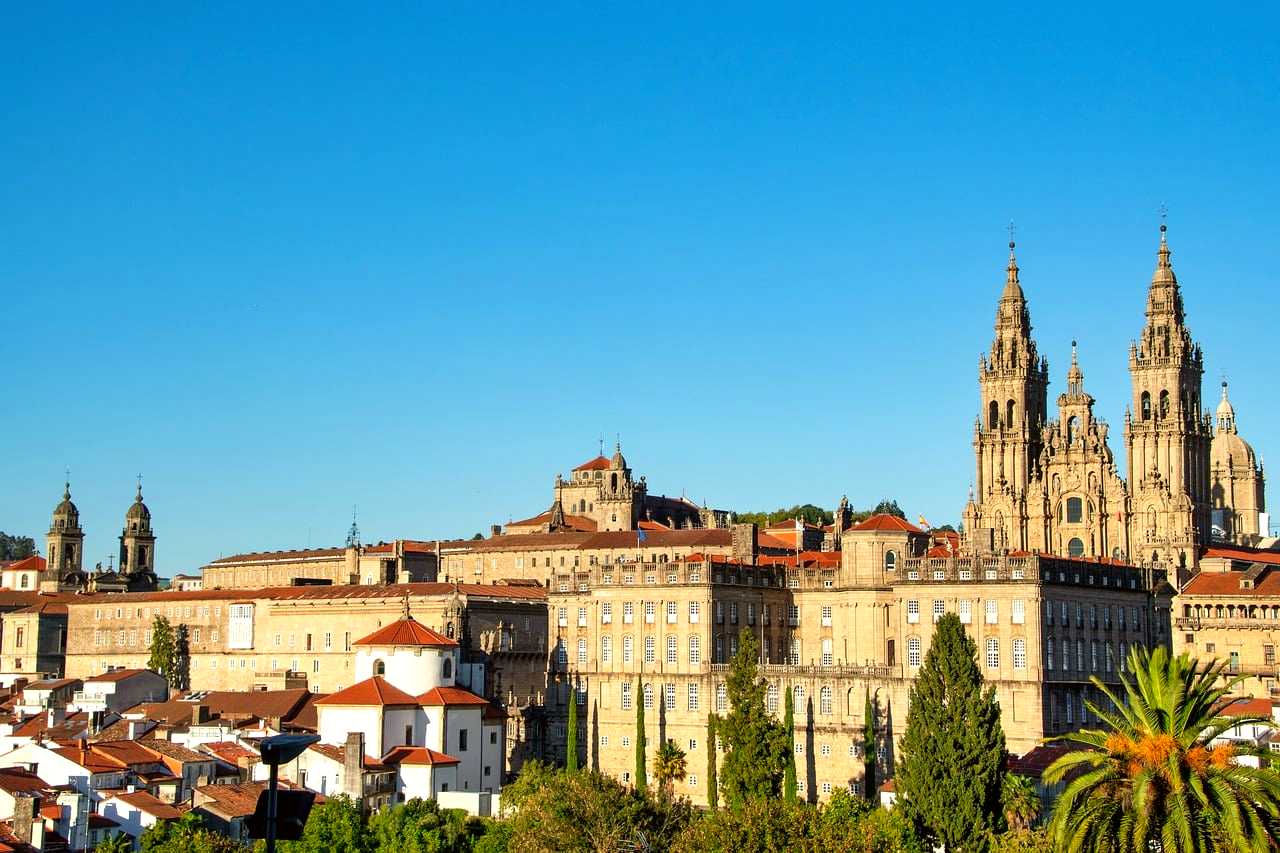
Santiago de Compostela Cathedral: a magnificent architectural masterpiece and pilgrimage site
Parque de la Alameda: a beautiful park with stunning views of the cathedral
Museo do Pobo Galego: a museum dedicated to Galician culture and history
Mercado de Abastos: a bustling market showcasing local produce and delicacies
Casa da Troia: a historic building with literary significance
Plaza del Obradoiro: the main square, perfect for people-watching
Botafumeiro: the famous swinging incense burner in the cathedral
Catedral de Santiago: a UNESCO World Heritage site and spiritual center

"A journey's end, a spirit's home"Santiago de Compostela

Things to do

Walk the Camino de Santiago: experience the pilgrimage route
Explore the old town: wander through narrow, historic streets
Attend a mass at the cathedral: witness the spiritual atmosphere
Sample local wines: enjoy Galician wines at local bars
Visit the local markets: discover fresh produce and artisan goods

Local food and drinks

Pulpo a la Gallega: octopus served with paprika and olive oil
Tarta de Santiago: almond cake with a distinctive cross
Albariño: a refreshing local white wine
Pimientos de Padrón: small green peppers, some spicy, some not
Café con leche: a popular coffee choice among locals

Local traditions

Festa do Apóstolo: a major festival celebrating St. James in July
Festa da Música: a vibrant music festival held in June
Traditional Galician folk dances: often performed during local celebrations
Pilgrimage traditions: various customs associated with the Camino de Santiago
History - Santiago de Compostela

History

Santiago de Compostela has been a significant pilgrimage site since the 9th century, when the remains of St. James were believed to be discovered here. The city quickly became a center of Christian devotion, leading to the construction of the iconic cathedral, which began in 1075.

Over the centuries, Santiago has evolved into a cultural hub, blending its rich religious heritage with Galician traditions. The city was declared a UNESCO World Heritage site in 1985, recognizing its historical and architectural significance, and it continues to attract millions of visitors each year.

Things to know

Be cautious of pickpockets in crowded areas
Public transport can be limited, especially on weekends
Some attractions may have long queues during peak season
Dining hours can be late, with restaurants opening around 8 PM

Do's and don'ts

Try the local seafood at a traditional restaurant
Visit the cathedral early in the morning for fewer crowds
Engage with locals to learn about their culture
Take time to explore the lesser-known streets
Don't rush your visit; savor the atmosphere
Don't ignore the local customs and etiquette
Don't miss the chance to try local wines
Don't rely solely on English; learn a few phrases in Spanish

Good to know

Accessibility: The city has some accessible areas, but cobblestones can be challenging.
Price level: mid-range

Photo: Wikipedia / Wikimedia Commons