search
search
add New trip
Bern
calendar_monthMay–Jun, Sep–Octbest time schedule3 daysplan for directions_car1 h 38from Lake Geneva child_careYeswith kids confirmation_numberMid-rangeprice
BernYour own route Plan a trip here →

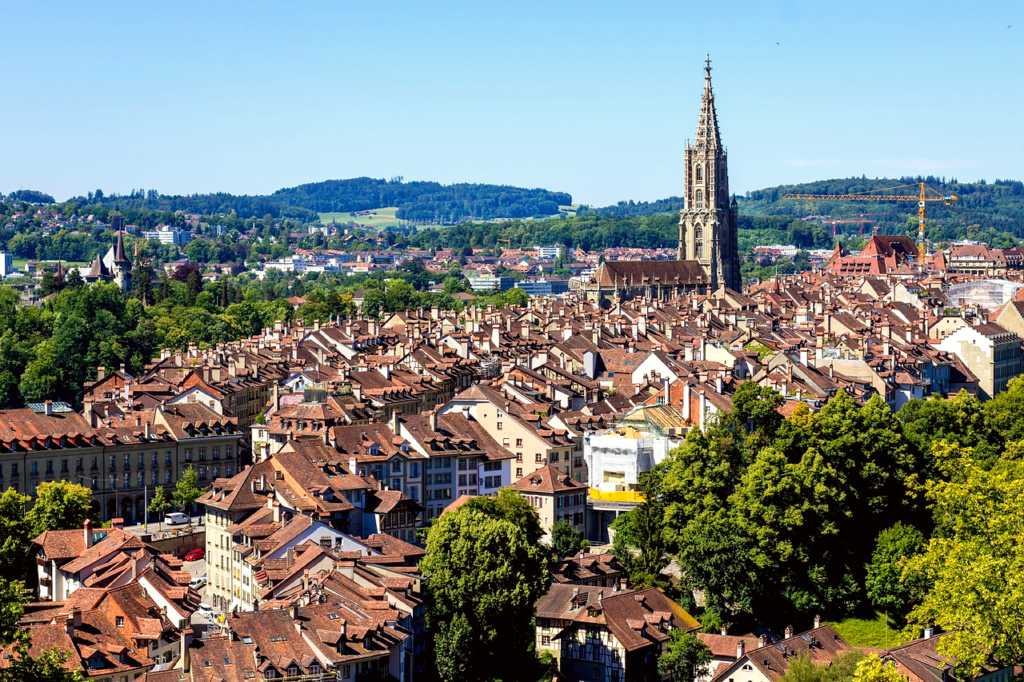
Bern, the capital of Switzerland, offers a unique blend of medieval charm and modern vibrancy. Its UNESCO-listed old town features cobbled streets, historic buildings, and the iconic Zytglogge clock tower, creating an inviting atmosphere for visitors.

In pictures

Bern
Bern
Bern
Construction of the Untertorbrücke (Lower Gate Bridge) in Bern, Tschachtlanchronik, late 15th century
Bern, c. 1640. Etching by Matthäus Merian
Bern

Sightseeing

Zytglogge: a medieval clock tower with an astronomical clock
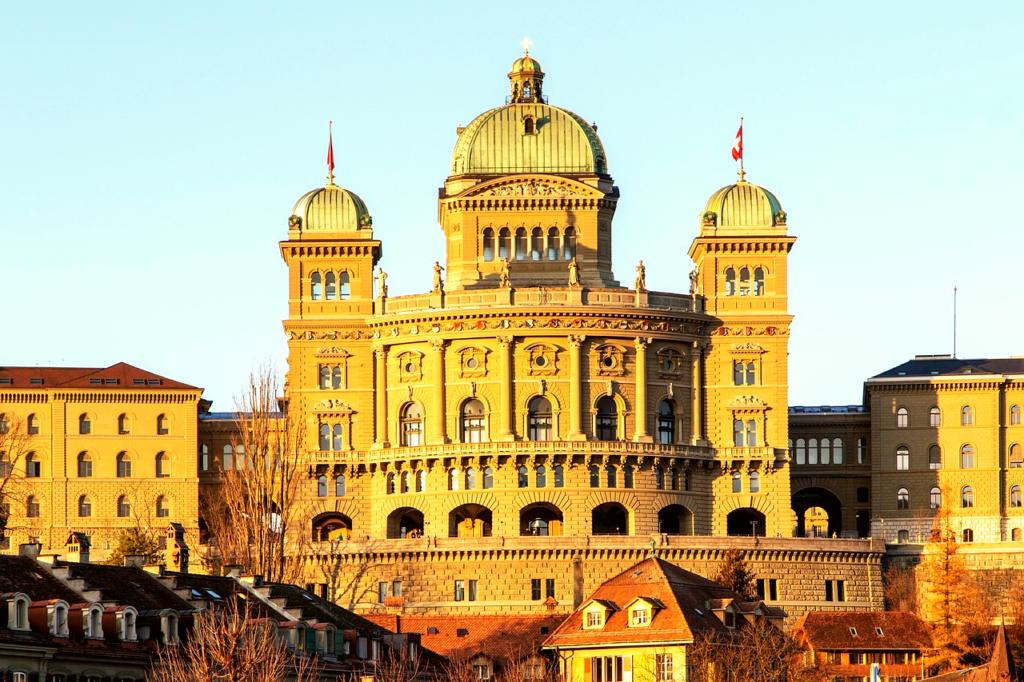
Federal Palace: the seat of the Swiss Federal Assembly
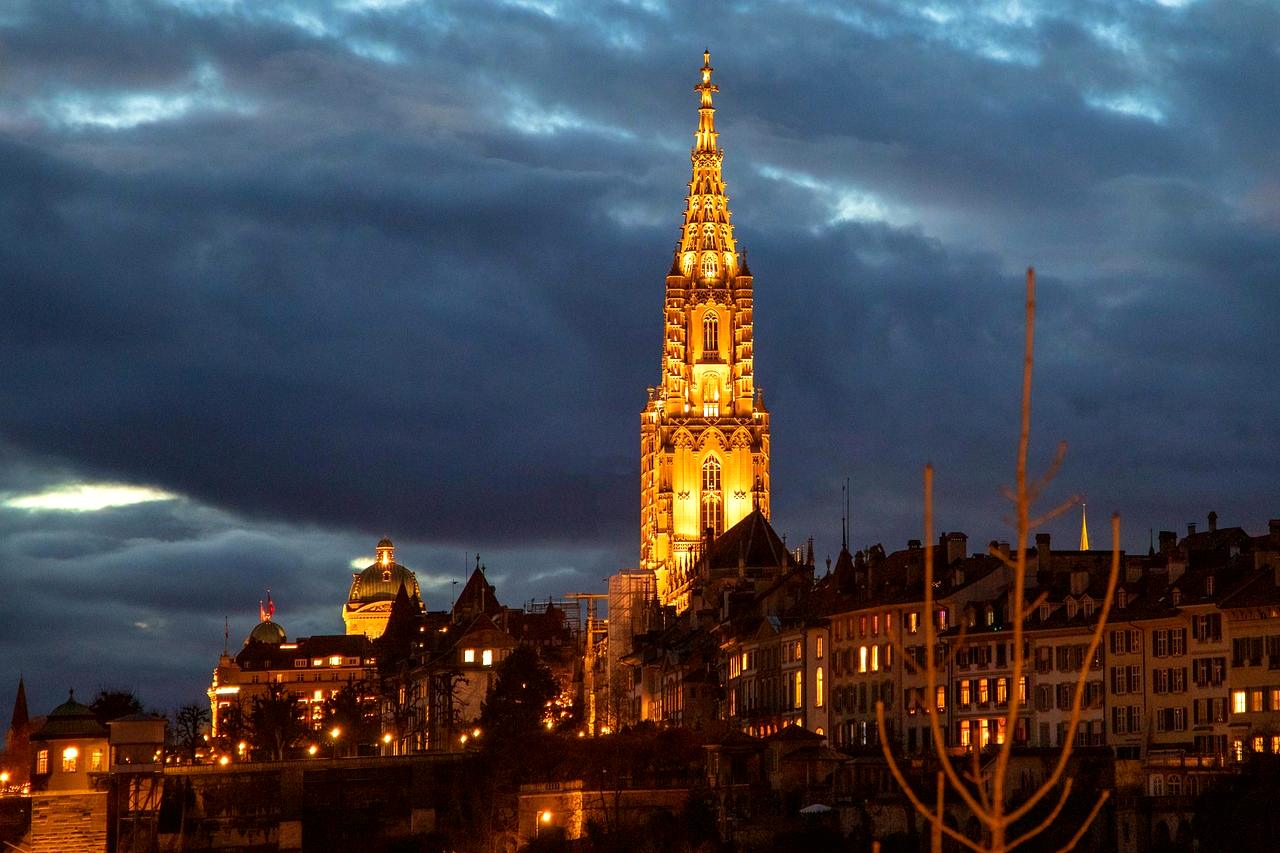
Bern Cathedral: the tallest cathedral in Switzerland
Bear Park: home to the city's symbol, the Bernese bears
Einstein Museum: dedicated to the life of Albert Einstein
Rosengarten: a beautiful rose garden with panoramic views
Bundeshaus: the impressive parliament building
Gurten: a local mountain offering hiking and views

"A blend of history and modernity"Bern

Things to do

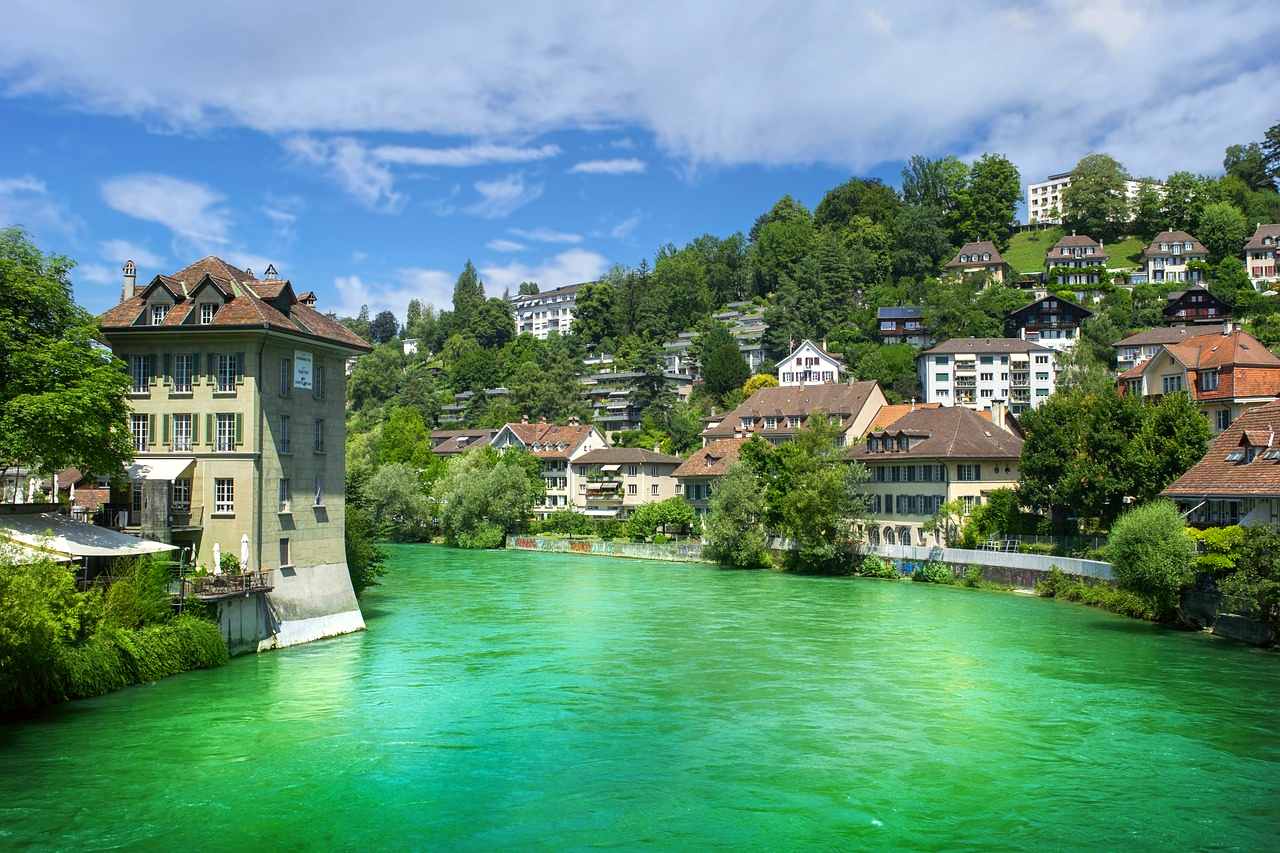
Explore the Aare River: enjoy a scenic walk or swim.
Visit the Bear Park: see the famous Bern bears up close.
Discover the Einstein Museum: learn about the physicist's life.
Wander through the Old Town: admire the medieval architecture.
Relax in the Rosengarten: take in the beautiful flowers and views.
Check out the Bern Historical Museum: it features a significant ethnographic collection and is open Tuesday to Sunday from 10:00 to 17:00.
Local food and drinks - Bern

Local food and drinks

Berner Platte: a hearty meat platter typical of the region
Rösti: Swiss-style potato dish, crispy and delicious
Zopf: a traditional Swiss bread, often enjoyed on Sundays
Fondue: melted cheese dish, perfect for sharing
Café Bar: a local spot for coffee and pastries
Local traditions - Bern

Local traditions

Fasnacht: a lively carnival celebrated with parades and costumes
Zibelemärit: an onion market held every November
Swiss National Day: celebrated with fireworks and festivities
Bernese Christmas Market: a festive market during the holiday season

Do's and don'ts

Visit museums for a deeper understanding of Swiss culture
Try local dishes at traditional restaurants
Take a walk along the Aare River for scenic views
Attend local festivals for an authentic experience
Don't rush through the old town; take your time
Don't miss the chance to try Swiss cheese and chocolate
Don't ignore the local transport system; it’s very useful
Don't assume all attractions are open year-round
Explore Bern's historic Kramgasse street

Explore Bern's historic Kramgasse street

Kramgasse is the heart of Bern's old town, lined with medieval buildings and charming shops. The Zytglogge clock tower stands as a centerpiece, drawing visitors with its intricate astronomical clock. As you walk along the cobblestones, stop by the Zähringerbrunnen fountain, a local favorite. Grab a coffee at one of the nearby cafes and watch the world go by. The atmosphere here is lively, especially on weekends when street performers add to the scene. Just be aware that it can get crowded during peak tourist season, so visiting early in the morning or later in the afternoon might offer a quieter experience.

Visit the University of Bern's main building

Visit the University of Bern's main building

The University of Bern, founded in 1834, is an important part of the city's academic life. The main building, with its impressive architecture, is worth a visit. You can explore the surrounding gardens and enjoy the peaceful atmosphere. The university often hosts public lectures and events, providing a glimpse into Swiss education and culture. Keep an eye out for art installations and exhibitions that pop up on campus. If you are interested in history, the university's library is also a treasure trove of knowledge. Just remember that some areas may be restricted, so check ahead if you want to access specific facilities.

Discover the Zentrum Paul Klee museum

Discover the Zentrum Paul Klee museum

Zentrum Paul Klee showcases the works of the Swiss painter Paul Klee, known for his unique style and use of color. The museum itself is an architectural highlight, designed to blend with the surrounding landscape. Inside, you can find a vast collection of Klee's paintings, drawings, and sketches. The exhibitions change regularly, so there is always something new to see. The museum also offers workshops and guided tours for those looking to deepen their understanding of Klee's art. Plan your visit on a Wednesday for reduced admission prices. Just be prepared for a bit of a walk from the city center.

info_outlinePracticalexpand_more
Since: Founded in 1191
Population: 133.000

About Bern

Strolling along the Aare River or exploring the Bear Park adds to the city's allure. Bern's cultural scene is rich, with museums, theaters, and festivals that reflect its diverse heritage, making it a delightful destination for both history buffs and casual travelers.

Things to know

Be cautious of pickpockets in crowded areas.
Public transport is efficient but can be confusing for newcomers.
Some attractions may have limited hours on holidays.
Expect higher prices in tourist areas, especially for food.
In 2023, Bern hosted EuroGames, so expect some events and activities related to this.

Good to know

Accessibility: Most areas are accessible, but some historic sites have limitations.
Price level: mid-range
history_eduHistoryexpand_more
History - Bern

Bern was founded in 1191 by Duke Berthold V of Zähringen and quickly grew into a significant trading hub due to its strategic location. The city became the federal city of Switzerland in 1848, reflecting its political importance.

Over the centuries, Bern has preserved its medieval architecture, which is evident in its old town. The city played a crucial role in the development of the Swiss Confederation and remains a center for Swiss culture and politics today.

Photo: Wikipedia / Wikimedia Commons