kiomigo
search
search
add New trip
Lausanne

Lausanne

Population: 140.000 Since: Founded around 600 BC Price: Expensive
accessible Accessibility: Some areas are steep, but public transport is available

Introduction

Lausanne is a vibrant city perched on the shores of Lake Geneva, known for its stunning views and rich cultural scene. The blend of historical architecture and modern flair creates a unique atmosphere that invites exploration and relaxation.

Visitors can stroll along the lakeside promenade, enjoy the lively markets, and immerse themselves in the local art scene. However, be prepared for steep hills and a fair amount of walking, as the city's layout can be challenging for those with mobility issues.

Sightseeing

Olympic Museum: celebrates the history of the Olympic Games
Cathedral of Notre-Dame: a stunning Gothic masterpiece
Collection de l'Art Brut: showcases outsider art
Palais de Rumine: houses several museums under one roof
Ouchy Promenade: a picturesque lakeside walk
Esplanade de Montbenon: offers panoramic views of the Alps
Vidy Castle: a charming historical site by the lake
Lausanne Historical Museum: explores the city's past

"A city of culture and beauty"Lausanne

Things to do

Take a boat trip on Lake Geneva: enjoy scenic views
Visit the Olympic Museum: learn about Olympic history
Explore the Old Town: discover charming streets and shops
Attend a local festival: experience Swiss culture firsthand
Hike in the nearby Lavaux vineyards: enjoy breathtaking landscapes

Local food and drinks

Rösti: a Swiss potato dish, crispy and delicious
Fondue: melted cheese served with bread
L'Atelier de la Fête: a popular local eatery
Café de Grancy: known for its cozy atmosphere
Chasselas wine: a local white wine to try

Local traditions

Fête de la Musique: a celebration of music in June
Lausanne Carnival: a colorful event with parades
Christmas Market: festive stalls and local crafts
Fête de l'Escalade: commemorates a historical event with celebrations
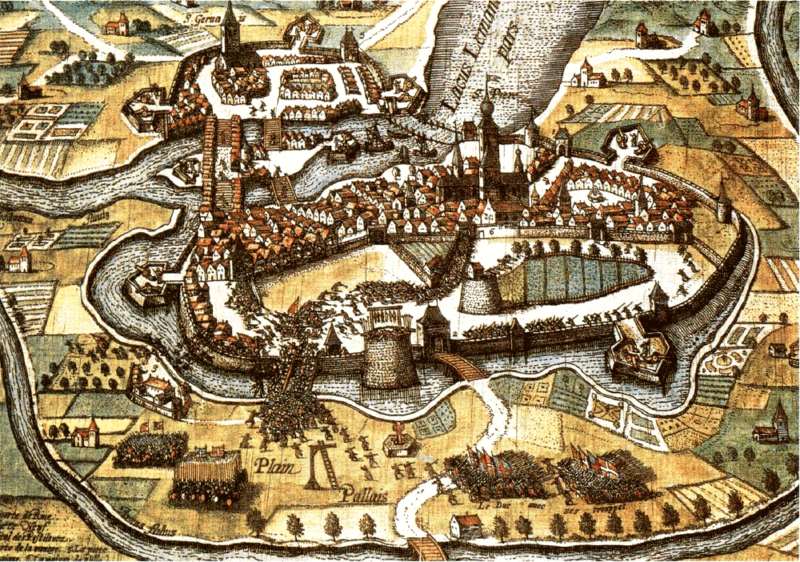
History - Lausanne

History

Lausanne's history dates back to Roman times when it was known as Lausonium. Over the centuries, it evolved into a significant cultural and economic center, particularly during the Middle Ages when it became the seat of the Bishop of Lausanne.

In the 19th century, the city embraced industrialization and education, becoming home to the prestigious École Polytechnique Fédérale de Lausanne. Today, it is recognized as a hub for international organizations and a vibrant cultural destination.

Things to know

Public transport is efficient but can be crowded during peak hours
Some attractions may have limited opening hours, especially on holidays
Be cautious of tourist traps near the lakefront
The city can be expensive, so budget accordingly

Do's and don'ts

Explore the Old Town's narrow streets
Try local cheeses and wines
Visit museums for a taste of culture
Take a leisurely walk along the lake
Don't miss the chance to try fondue
Don't assume all attractions are open year-round
Don't forget to check transport schedules
Don't rush your visit; take time to enjoy the views

Good to know

Accessibility: Some areas are steep, but public transport is available
Price level: expensive

Photo: Wikipedia / Wikimedia Commons