
search
search
add New trip
Costa Rica

Costa Rica

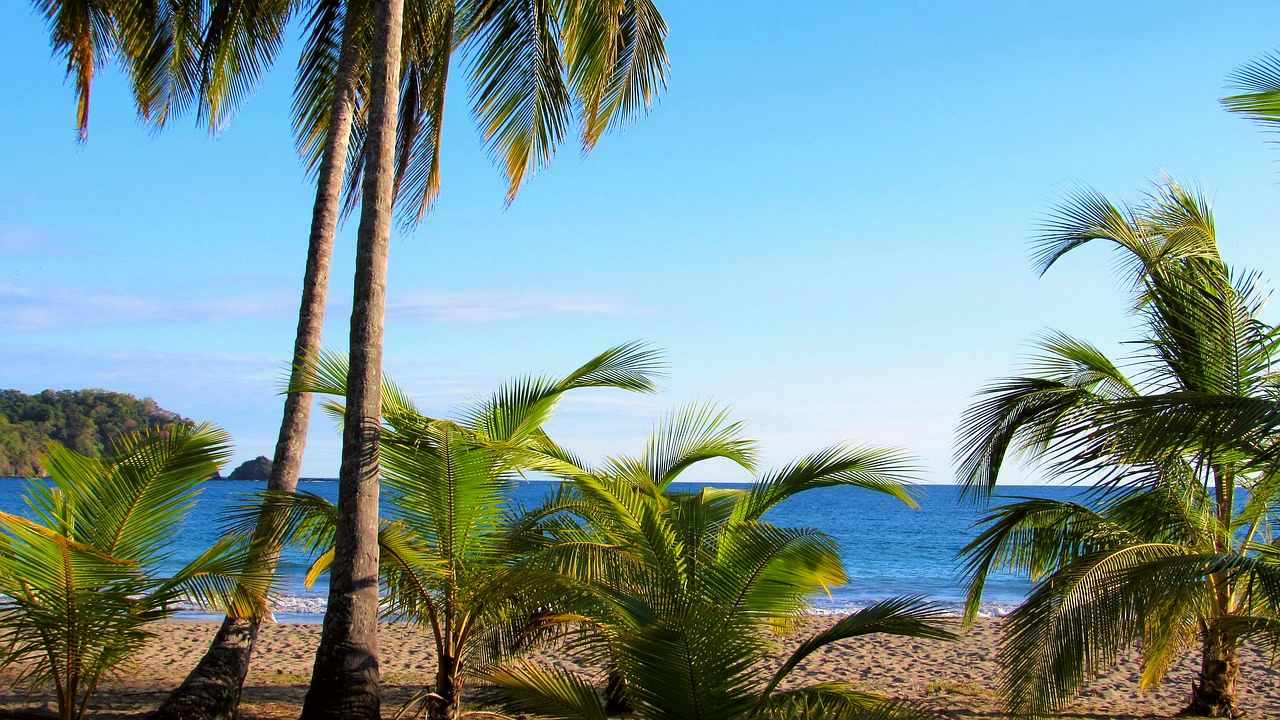
Chowih · Pixabay
Chowih · Pixabay
CR calendar_monthDec–Maybest time schedule10 daysplan for child_careYeswith kids flagSan Josécapital ₡Costa Rican Colóncurrency translateSpanishlanguage
Costa RicaYour own route Plan a trip here →

Costa Rica is a vibrant country known for its stunning biodiversity and commitment to conservation. Travelers can explore lush rainforests, pristine beaches, and active volcanoes, all while enjoying a friendly and welcoming culture.

Read more

While the natural beauty is a major draw, be prepared for occasional rain, especially during the wet season. The infrastructure is generally good, but rural areas may have limited access to services, so plan accordingly.

In pictures

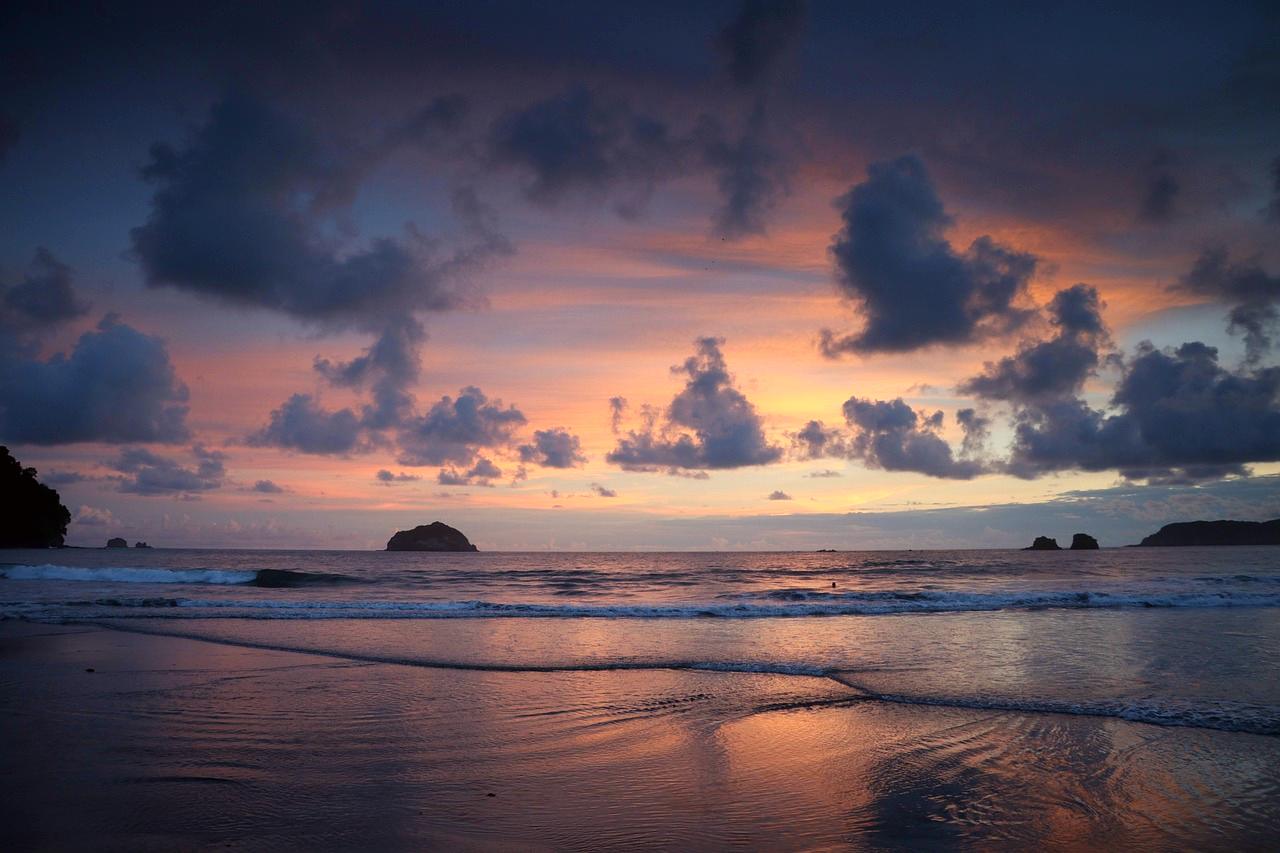
Costa Rica jensphotography · Pixabay
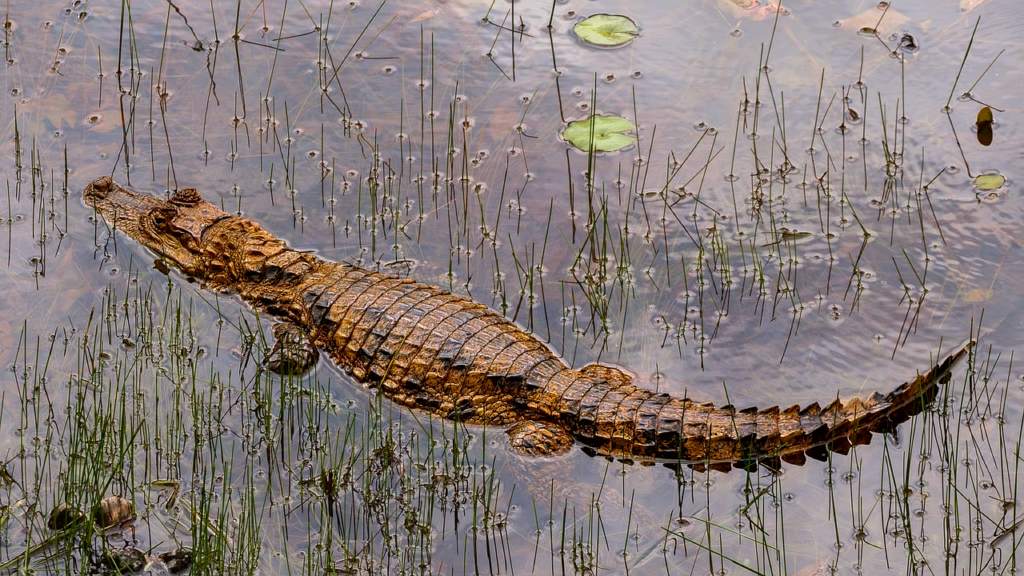
Costa Rica hbieser · Pixabay
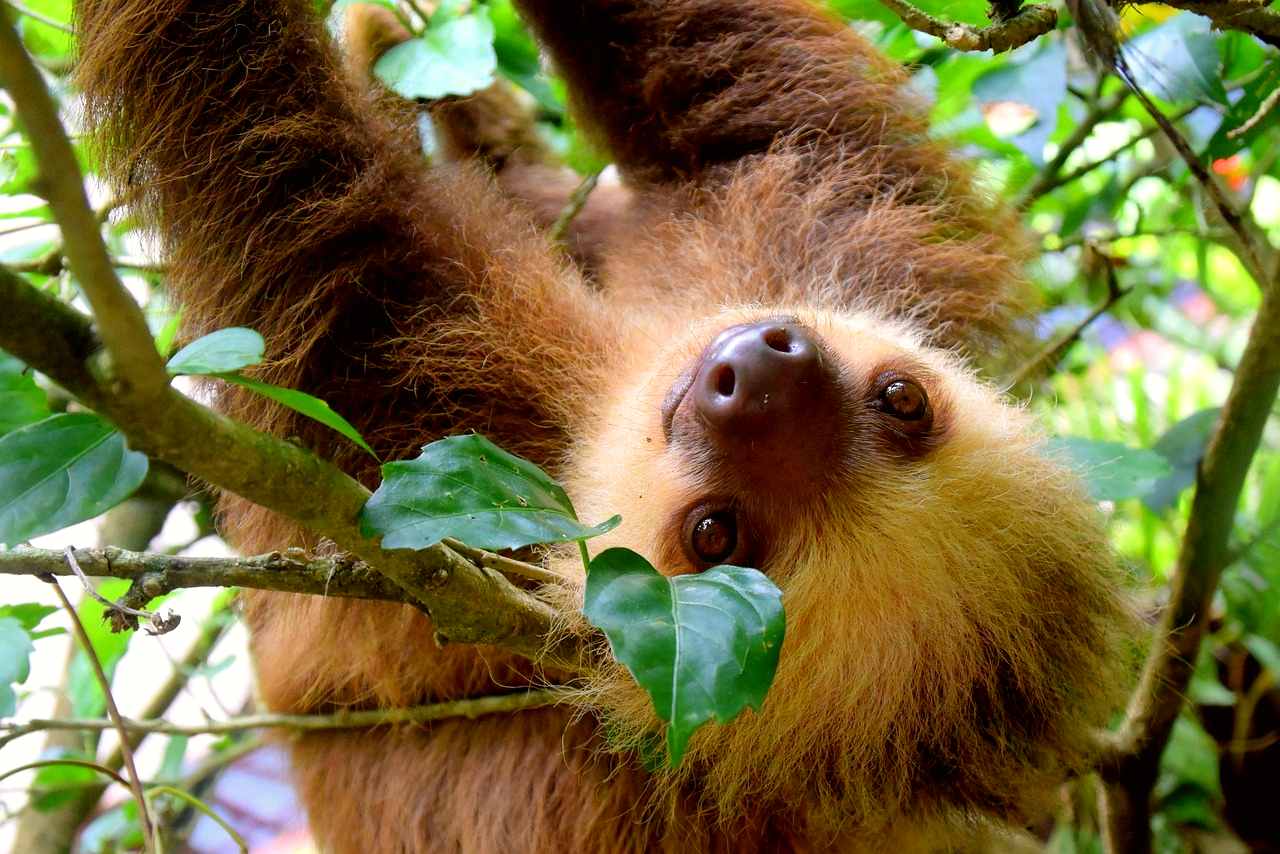
Costa Rica minkewink · Pixabay

Sightseeing

Arenal Volcano: an iconic volcano with hot springs
Monteverde Cloud Forest: a unique ecosystem with rich biodiversity
Manuel Antonio National Park: beautiful beaches and wildlife
Tortuguero National Park: famous for turtle nesting sites
Corcovado National Park: remote and biodiverse
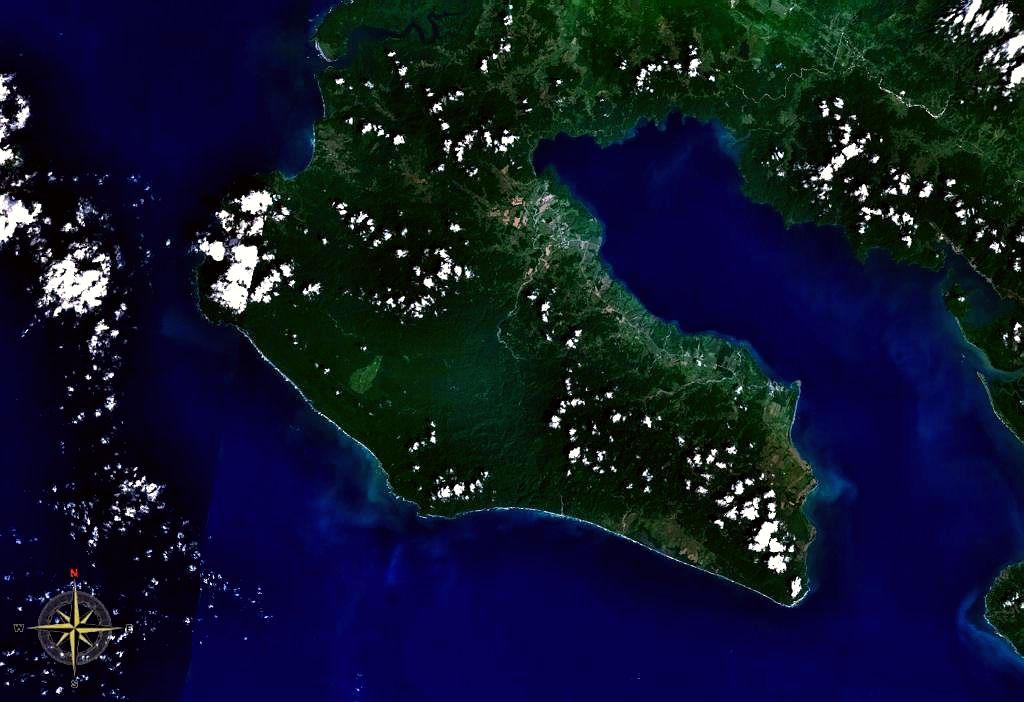
Osa Peninsula: stunning landscapes and wildlife
Guanacaste: known for its beaches and dry forests
San José: the cultural heart with museums and theaters

"Pura Vida, the good life"Costa Rica

Things to do

Hike in national parks: immerse yourself in nature
Surf at Tamarindo: popular surf spot for all levels
Zip-line through the canopy: thrilling aerial views
Visit coffee plantations: learn about coffee production
Relax in hot springs: unwind in natural thermal waters
Explore wildlife reserves: spot unique flora and fauna

Local food and drinks

Gallo Pinto: traditional rice and beans, best for breakfast
Casado: a hearty meal with rice, beans, meat, and salad
Ceviche: fresh fish marinated in lime, perfect at the beach
Chifrijo: a popular bar snack of rice, beans, and pork
Frescos: refreshing fruit drinks, available everywhere
Coffee: rich and flavorful, try it at local cafes

Local traditions

Fiesta de Palmares: a lively festival with music and parades
Día de los Muertos: honoring deceased loved ones with altars
Semana Santa: vibrant Holy Week celebrations
Independence Day: parades and festivities on September 15
Limon Carnival: a colorful celebration of Afro-Caribbean culture

Do's and don'ts

Learn basic Spanish phrases to enhance interactions
Try local foods at sodas for authentic experiences
Respect wildlife and maintain a safe distance
Use biodegradable products to protect the environment
Participate in local festivals to immerse in culture
Don't litter, as environmental conservation is vital
Don't engage in illegal activities, such as drug use
Don't assume everyone speaks English, be patient
Don't take photos of locals without permission
Don't ignore safety warnings at national parks

Explore the remote beauty of Isla del Coco

Isla del Coco is a remote paradise that feels like stepping into a postcard. Surrounded by turquoise waters and lush greenery, this UNESCO World Heritage site is a haven for divers and nature lovers alike. The island is home to unique wildlife and stunning landscapes, making it a must-visit for adventurous travelers. However, reaching the island requires a boat trip that can take several hours, so be prepared for a journey. Accommodations are limited, and the island's remoteness means you should pack essentials. This is a place for those who appreciate solitude and the raw beauty of nature.

Meet the vibrant wildlife of Costa Rica

The red-eyed tree frog is one of Costa Rica's most iconic creatures, showcasing the country's incredible biodiversity. These colorful amphibians can often be spotted in the rainforests, especially during the wet season. While they are a delight to see, spotting them requires patience and a keen eye. Guided night tours can enhance your chances of encountering these frogs and other nocturnal wildlife. Just remember, the rainforest can be humid and buggy, so come prepared with insect repellent and appropriate clothing. Experiencing the wildlife up close is a highlight of any trip to Costa Rica.

Discover the stunning Rio Celeste

The Rio Celeste in Tenorio National Park is famous for its mesmerizing blue waters, a result of a unique chemical reaction between volcanic minerals. Hiking to the waterfall and the lagoon is a rewarding experience, but be ready for a moderately challenging trek. The trails can be muddy, especially during the rainy season, so sturdy footwear is essential. The park is less crowded than other tourist spots, allowing for a more intimate experience with nature. Just be aware that facilities are basic, and it is wise to bring snacks and water. The vibrant colors and serene atmosphere make this a must-see for nature enthusiasts.

Practical

At a glance

Population
5.100.000
Best time
December to April

Basic information

Capital: San José
Language: Spanish
Currency: Costa Rican Colón
Best time to visit: December to April

Travel information

Fly into Juan Santamaría International Airport, located about 20 minutes from San José. Public buses are affordable and connect major cities, with the trip from San José to Monteverde costing around $5. Renting a car is popular for exploring remote areas, but be prepared for rough roads in some regions. Credit cards are widely accepted, but carrying cash is useful for small purchases and in rural areas. Mobile connectivity is good in urban areas, but expect limited service in places like Corcovado National Park.

Things to know

Be aware of tourist scams in crowded areas like Manuel Antonio and Tamarindo.
Respect local customs, especially during religious events such as Semana Santa.
Strong currents can be dangerous at beaches like Playa Hermosa and Playa Grande.
Tipping is appreciated but not mandatory; rounding up the bill is common.
Some attractions, like national parks, may close unexpectedly due to weather or maintenance, so check ahead.
history_eduHistoryexpand_more

Costa Rica's history is marked by its peaceful nature and democratic values. Originally inhabited by indigenous tribes, it was colonized by the Spanish in the 16th century. The country gained independence from Spain in 1821 and has since maintained a stable democracy, abolishing its army in 1949.

Throughout the 20th century, Costa Rica focused on education and health care, becoming a model for social progress in Central America. Its commitment to environmental conservation has made it a leader in ecotourism, attracting visitors from around the globe.

Photo: Chowih · Pixabay Content License · Pixabay

Photo credits (3)