kiomigo
search
search
add New trip
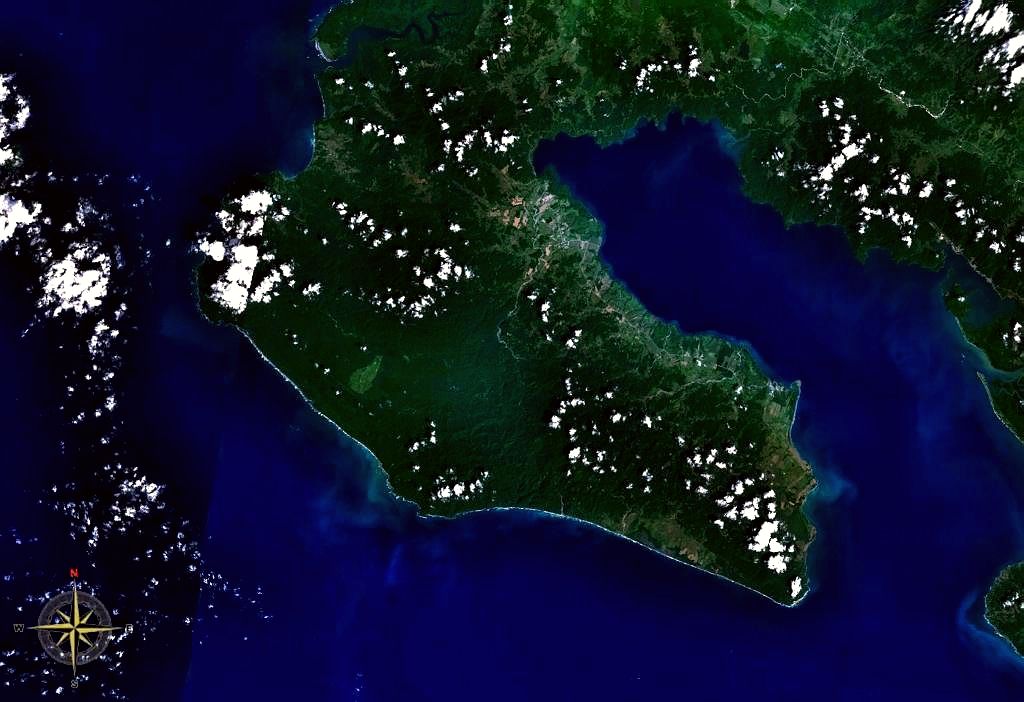
Osa Peninsula

Osa Peninsula

Population: 10.000 Since: Founded around 600 AD Price: Mid-range
accessible Accessibility: Some areas are challenging for limited mobility.

Introduction

Osa Peninsula is a lush, biodiverse region in Costa Rica that feels like a hidden gem for nature lovers. Visitors are often captivated by its stunning landscapes, from pristine beaches to dense rainforests, making it a paradise for eco-tourism and adventure seekers.

The atmosphere is laid-back and welcoming, with a strong sense of community among locals. While the natural beauty is the main draw, the area also offers a glimpse into the rich cultural tapestry of Costa Rica, making it a unique destination for those willing to explore beyond the usual tourist paths.

Sightseeing

Corcovado National Park: a biodiversity hotspot with diverse wildlife
Drake Bay: a tranquil bay known for its stunning sunsets
Puerto Jiménez: the main town with local shops and eateries
Cano Island: a popular spot for snorkeling and diving
La Paloma: a beautiful beach perfect for relaxation
Sierpe River: a scenic river ideal for boat tours
Osa Wildlife Sanctuary: a rescue center for injured animals
Cabo Matapalo: a remote area with breathtaking views

"Nature's Paradise Awaits You"Osa Peninsula

Things to do

Hike through Corcovado National Park: explore diverse ecosystems
Go whale watching: experience the migration of humpback whales
Take a guided night tour: discover nocturnal wildlife
Visit local farms: learn about sustainable agriculture
Snorkel or dive at Cano Island: see vibrant marine life
Explore the Osa Peninsula by kayak: enjoy the coastline from the water

Local food and drinks

Casado: a traditional dish with rice, beans, and meat
Ceviche: fresh fish marinated in citrus juices
Gallo Pinto: a staple breakfast dish of rice and beans
Chifrijo: a hearty dish of rice, beans, and fried pork
Local coffee: enjoy rich Costa Rican coffee at cafes

Local traditions

Fiesta de la Virgen de los Ángeles: a local religious festival
Carnaval de Osa: a vibrant celebration with music and dance
Traditional fishing practices: still observed by local fishermen
Cultural workshops: learn about indigenous crafts and customs
History - Osa Peninsula

History

The Osa Peninsula has a rich history that dates back to indigenous tribes who thrived in the area long before European contact. The region was largely untouched until the late 19th century when settlers began to arrive, drawn by its natural resources and fertile land.

In the 20th century, the Osa Peninsula became known for its biodiversity, leading to conservation efforts that established Corcovado National Park in 1975. This park has since become a cornerstone of eco-tourism in Costa Rica, attracting visitors from around the globe who seek to experience its unique ecosystems.

Things to know

Expect limited infrastructure in remote areas, which can affect travel times
Be cautious of wildlife, especially snakes and insects
Some roads are unpaved and can be challenging to navigate
Plan for rain, as the wet season can impact outdoor activities

Do's and don'ts

Respect local wildlife and keep a safe distance
Try to learn a few Spanish phrases to connect with locals
Support local businesses by purchasing handmade crafts
Carry cash, as many places do not accept cards
Don't litter; keep the natural environment clean
Don't disturb wildlife or their habitats
Don't assume all areas are easily accessible by car
Don't engage in risky behaviors while exploring nature

Good to know

Accessibility: Some areas are challenging for limited mobility.
Price level: mid-range

Photo: Wikipedia / Wikimedia Commons