search
search
add New trip
Oaxaca

Oaxaca

UrikAmador · Pixabay
MX calendar_monthNov–Marbest time schedule7 daysplan for child_careYeswith kids
OaxacaYour own route Plan a trip here →

Oaxaca is a vibrant state in southern Mexico known for its rich indigenous cultures, stunning landscapes, and delicious cuisine. Travelers can explore ancient ruins, colorful markets, and charming colonial towns, all while experiencing the warm hospitality of the locals.

Read more

The region is also famous for its diverse ecosystems, from mountains to beaches, making it a perfect destination for outdoor enthusiasts. However, be prepared for varying weather conditions and some areas may require a bit of hiking to reach the best sights.

In pictures

Oaxaca fixfey · Pixabay

Sightseeing

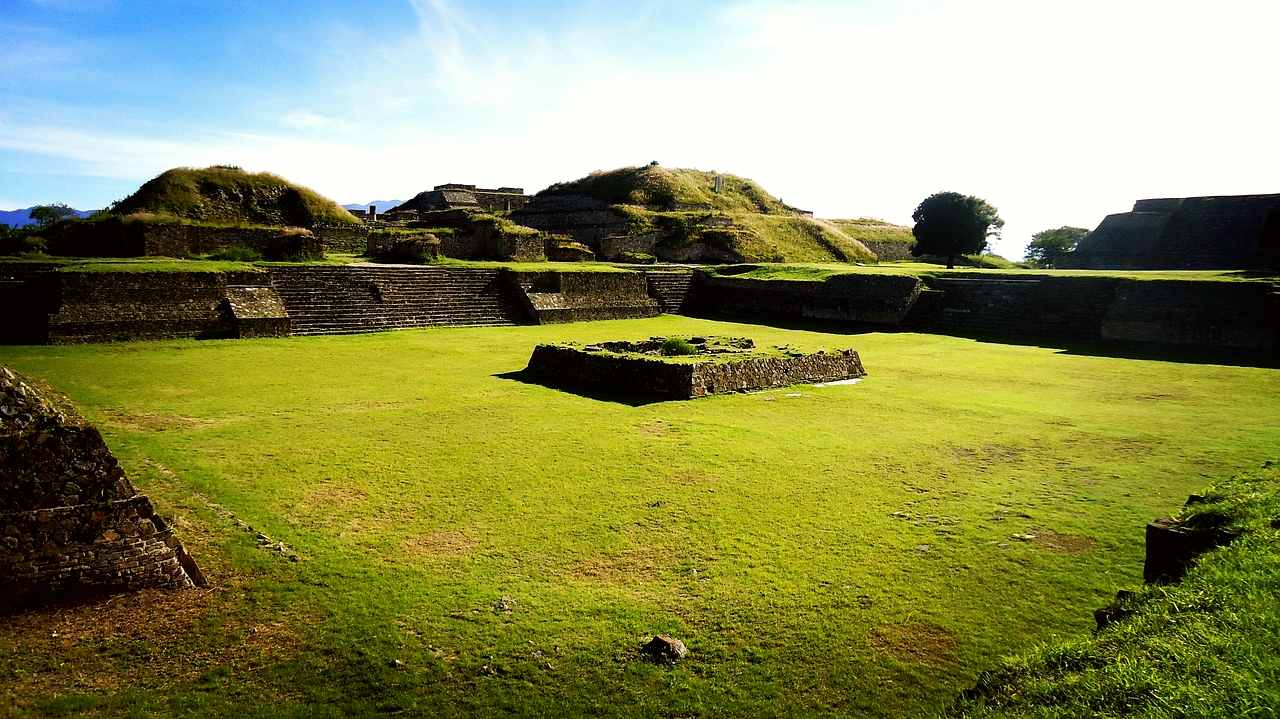
Monte Albán: Ancient Zapotec ruins with views of the valley. The site is less crowded in the early morning.
Oaxaca City: Colonial architecture, including the Santo Domingo Church, and markets like Mercado 20 de Noviembre, where you can try tlayudas and local cheeses.
Hierve el Agua: Natural mineral springs with unique rock formations, best visited in the dry season from November to April. Bring water shoes for the rocky areas.
Mitla: Archaeological site known for intricate mosaics, worth exploring for its historical significance. Guided tours provide deeper insights into its history.
Sierra Norte: Mountain range offering hiking trails, particularly popular in the cooler months from November to March. Trails can be muddy in the rainy season, so plan accordingly.
Teotitlán del Valle: Village recognized for traditional weaving, where you can see artisans at work and purchase handmade rugs. The annual weaving festival in July showcases local talent.
Cañon del Sumidero: Canyon with diverse wildlife, accessible via boat tours that run year-round. Keep an eye out for crocodiles and various bird species.
Puerto Escondido: Beach town famous for surfing, especially during the summer months when waves are at their peak. The annual surfing competition in July draws many visitors.

"A tapestry of culture and nature"Oaxaca

Local food and drinks

Mole Oaxaqueño: Rich sauce made with chocolate and spices
Tlayudas: Large tortillas topped with beans and cheese
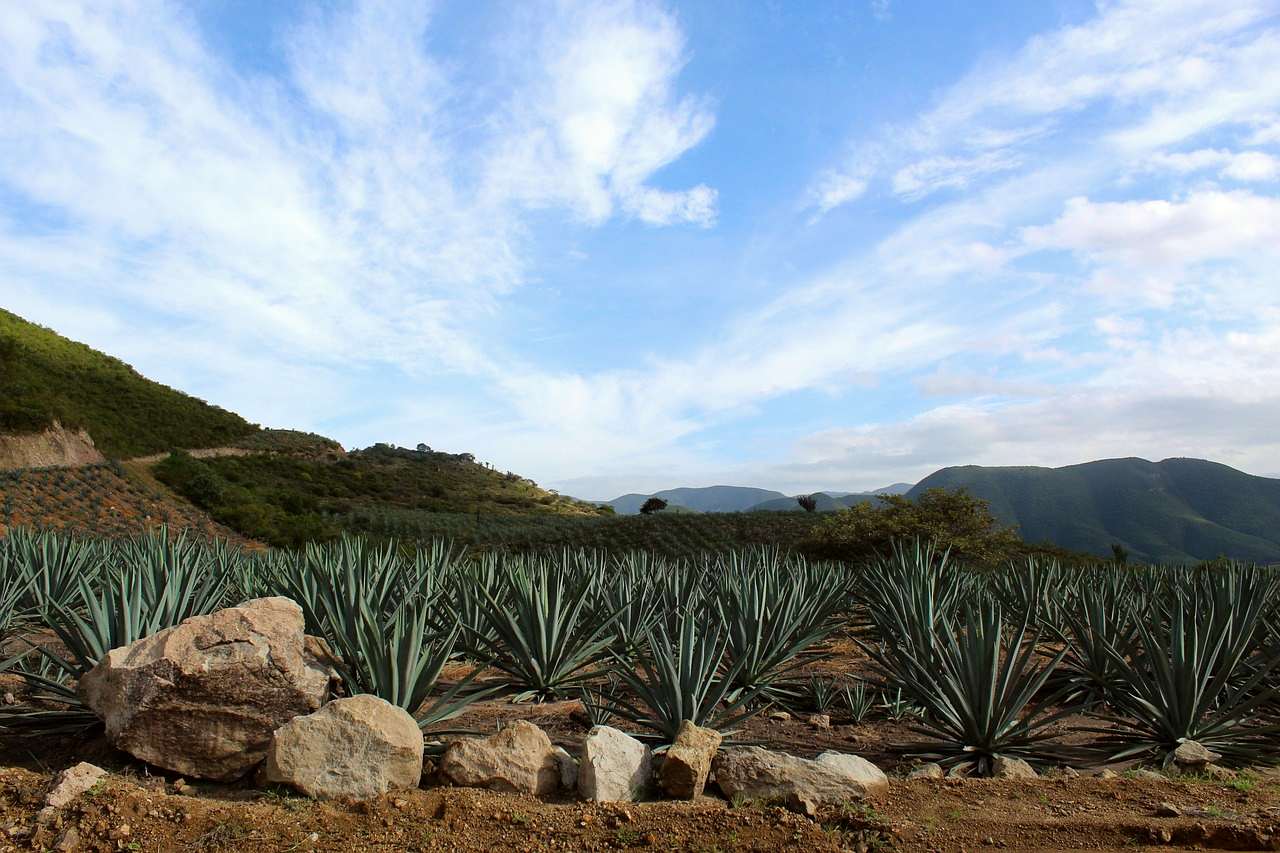
Mezcal: Local spirit made from agave
Chapulines: Toasted grasshoppers, a crunchy snack
Tamales Oaxaqueños: Corn dough filled with various ingredients

Local traditions

Guelaguetza: Annual cultural festival celebrating indigenous heritage
Día de los Muertos: Vibrant celebration honoring deceased loved ones
Noche de Rábanos: Unique festival featuring carved radishes
Fiesta de la Virgen de Soledad: Religious festival with parades and music

Practical

At a glance

Best time
October to April
history_eduHistoryexpand_more

Oaxaca has a rich history that dates back to ancient civilizations, including the Zapotecs and Mixtecs. The region was a significant cultural and political center long before the arrival of the Spanish in the 16th century.

After colonization, Oaxaca became a melting pot of indigenous and Spanish cultures, which is evident in its architecture, traditions, and cuisine. The state has also played a crucial role in Mexico's political history, being a site of various uprisings and movements.

Photo: UrikAmador · Pixabay Content License · Pixabay

Photo credits (1)