
The National Mall at dusk
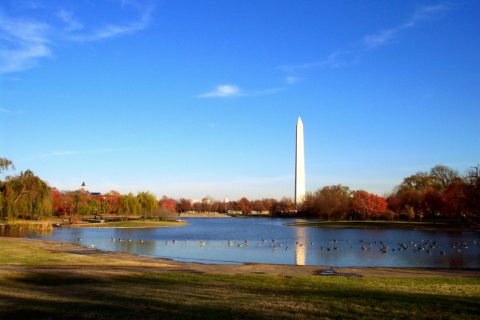
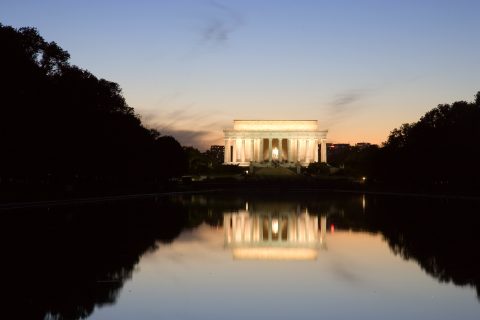
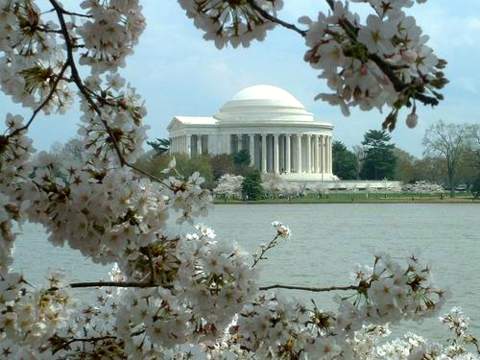
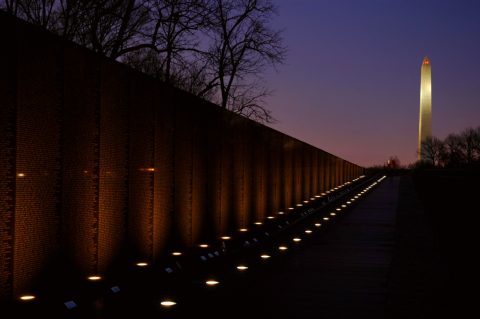
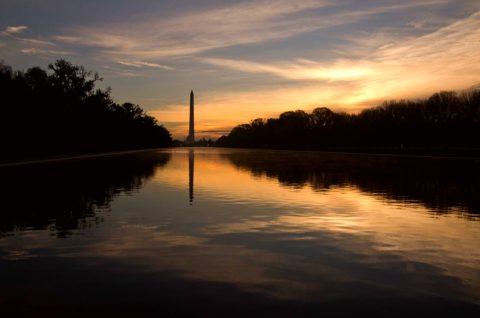
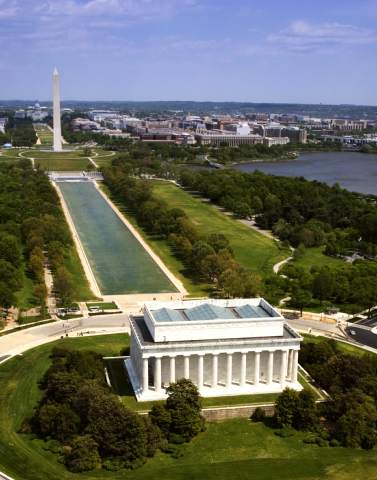
As the sun sets, the National Mall transforms. The Lincoln Memorial stands tall against the twilight sky, while the Reflecting Pool mirrors the last light of day. This area is often crowded, especially in spring when cherry blossoms bloom. Take a moment to sit on the steps of the memorial and soak in the atmosphere. The sounds of laughter and conversation fill the air, creating a sense of community among visitors. Just remember, evenings can get chilly, so bring a light jacket.
Street life in Georgetown
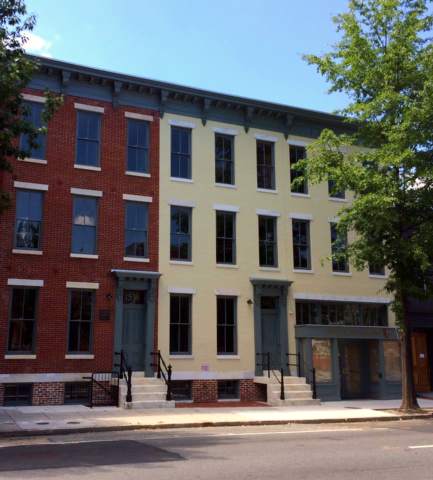
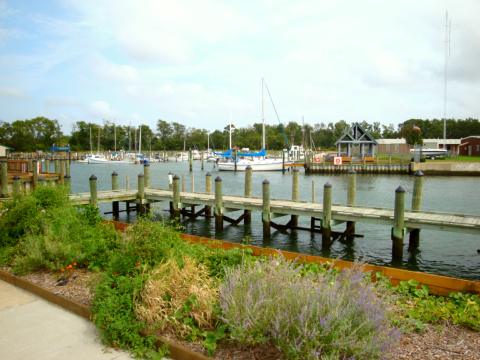
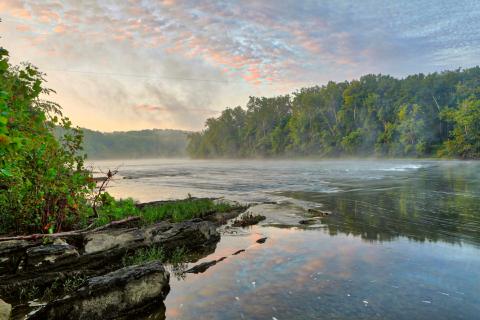
Georgetown offers a mix of historic charm and modern life. Cobblestone streets lead you past 18th-century row houses and boutique shops. Stop by a café on M Street for a slice of key lime pie or a cup of coffee. The area can be busy on weekends, so consider visiting during the week for a quieter experience. Don't miss the waterfront, where you can watch boats glide along the Potomac River. It's a great spot for people-watching and enjoying the local vibe.
Cultural experiences at the Smithsonian
The Smithsonian Institution is a treasure trove of knowledge and culture. With 19 museums and galleries, you can explore everything from American history to natural wonders. The National Air and Space Museum is particularly popular, showcasing historic aircraft and spacecraft. Admission is free, but expect lines during peak hours. Plan your visit early in the day to avoid the rush. Each museum offers unique exhibits, so consider focusing on one or two to fully appreciate the experience.