History
Horton House Overview
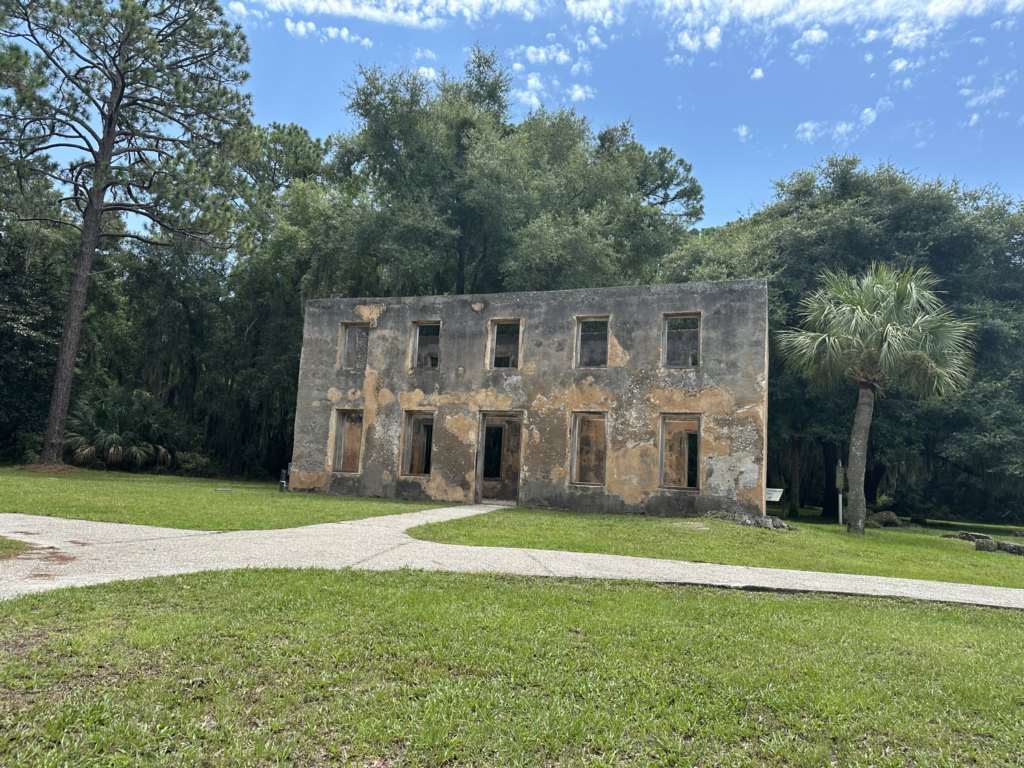
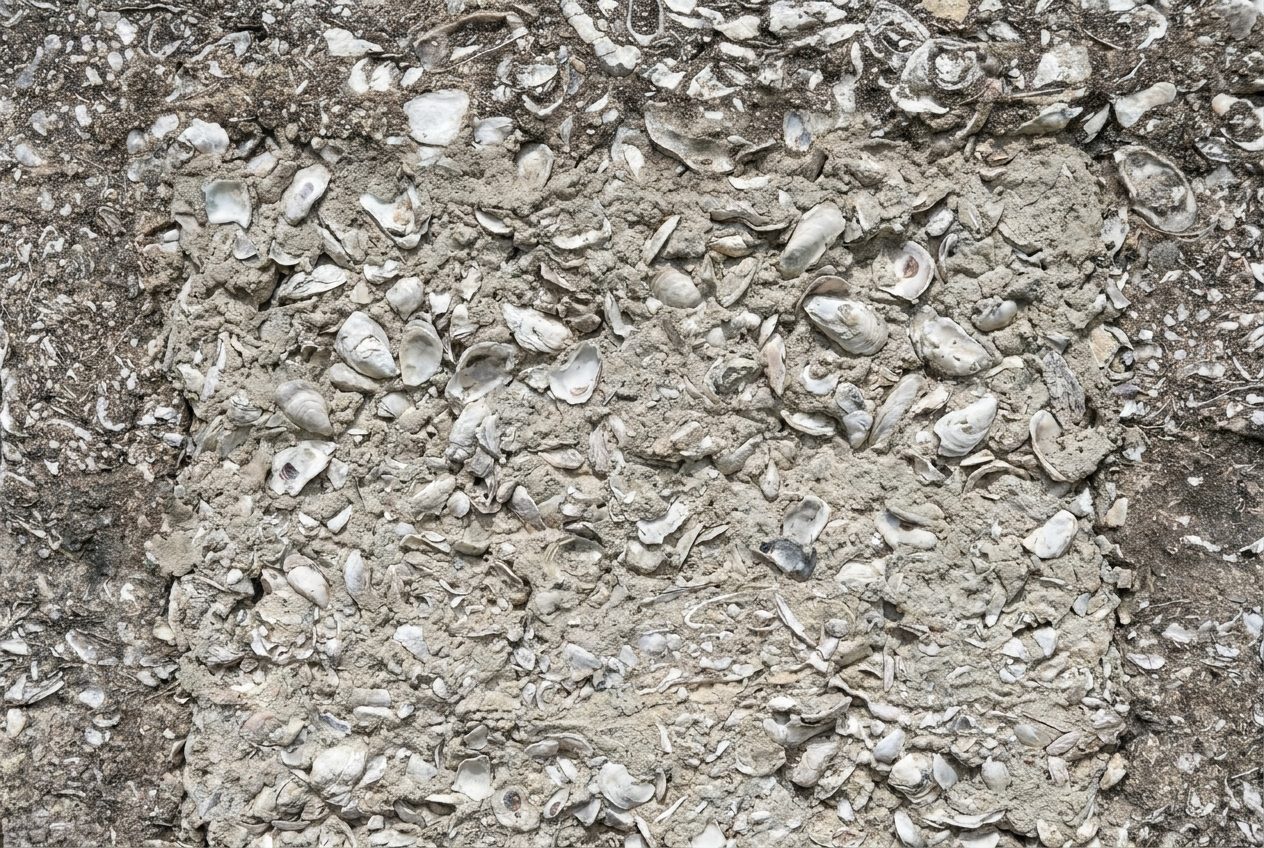
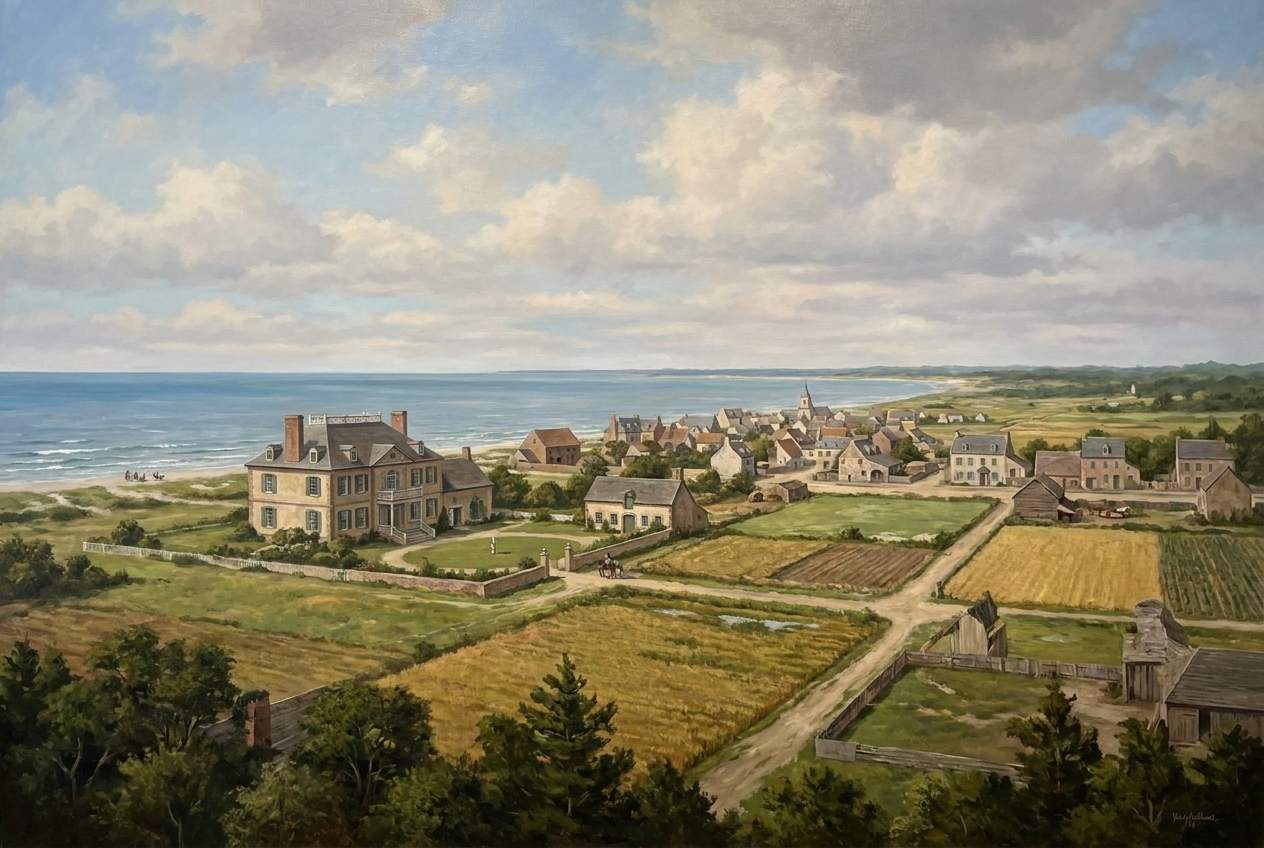
Horton House is a significant historical site on Jekyll Island, built by William Horton in 1743. Horton, who arrived in Georgia from England in 1736, constructed this tabby house as a replacement for his original wooden home, which was destroyed by Spanish troops. The tabby structure was spacious, featuring two rooms on the first floor and two bedrooms upstairs, along with a balcony that offered views of the surrounding land. This home served as a residence for Horton, his wife Rebecca, and their two children until his death in 1748. The house was part of a larger plantation that included a kitchen garden and various outbuildings. In 1898, members of the Jekyll Island Club recognized the historical importance of Horton House and undertook preservation efforts, stabilizing the structure and restoring its north wall.
Understanding Tabby
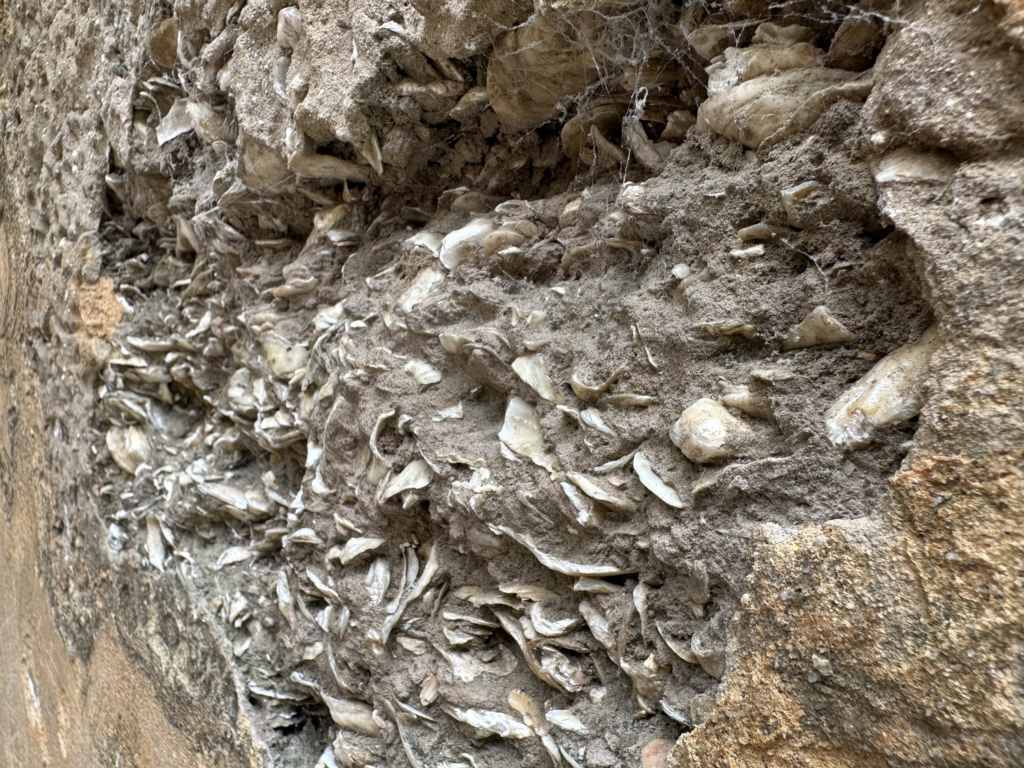
Tabby is a unique building material that played a crucial role in the construction of coastal homes in Georgia during the 18th century. It consists of a mixture of oyster shells, sand, lime, and water, which was poured into forms to create walls and floors. The lime used in tabby was derived from burning oyster shells, often sourced from Indian Shell Mounds. This method of construction was introduced to America by the Spanish and became prevalent in areas where coquina, a similar stone, was not available. While coquina quarries near St. Augustine eventually replaced tabby in some regions, tabby continued to be used in coastal Georgia until the late 19th century. The term 'tabby' has African roots, with Arabic influences, meaning a wall made of earth or masonry.
The Du Bignon Era
The Du Bignon family significantly impacted Jekyll Island's history after their arrival in 1791. Christophe Anne Poulain du Bignon, a French royalist, fled to Georgia from Saint-Domingue during a slave revolt. He acquired Jekyll Island in 1798, purchasing it from the estate of Mary Musgrove. Under du Bignon's ownership, the island transitioned from Horton’s plantation to a larger estate. The family made various improvements and additions to the existing structures, including the Horton House. The Du Bignon family remained on the island for about a century, contributing to its agricultural development and shaping its future. Their legacy includes the establishment of the Sapelo Company, which was instrumental in the island's early economic activities.
Nature
Exploring Driftwood Beach
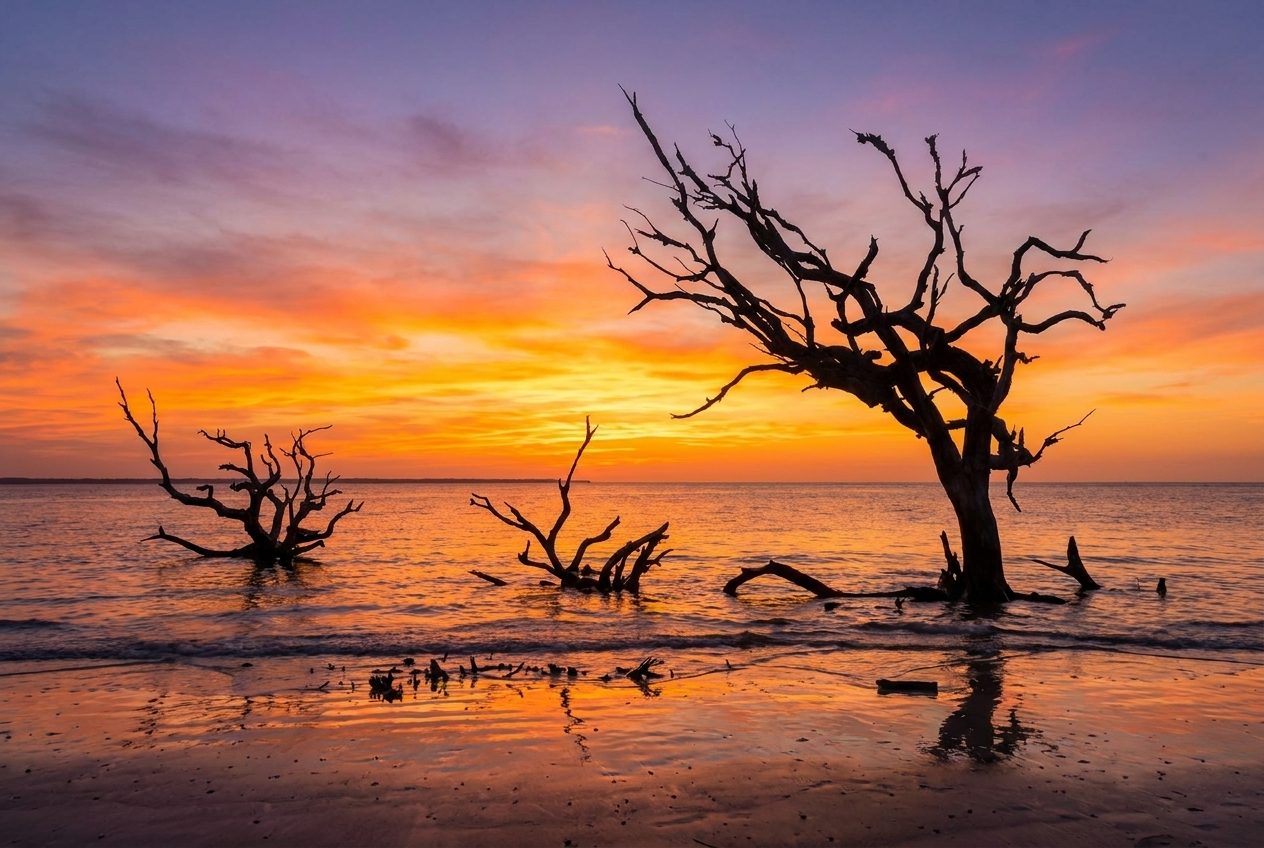
Driftwood Beach is located at the northern tip of Jekyll Island. This beach features a unique landscape filled with twisted tree trunks and branches, many of which have been bleached by the sun and wind. The area was once a thriving maritime forest, but decades of erosion have left behind these striking remnants. The beach is particularly appealing at low tide, when you can walk among the fallen trees and take in the unusual shapes they create against the sky.
Visitors often enjoy picnicking under these weathered trees or setting up a hammock for a relaxing afternoon. It's also a popular spot for photography, especially at sunset when the light casts interesting shadows on the sand. If you have a dog, you can bring them along for a stroll, as the beach is pet-friendly.
Driftwood Beach is not just a daytime destination. Many couples choose this scenic spot for stargazing or even for exchanging wedding vows. The atmosphere here is tranquil, making it a great place to unwind. However, be prepared for changing conditions; the landscape can shift with the tides, and the weather can vary. Bring sunscreen for sunny days and a light jacket for cooler evenings. Overall, Driftwood Beach offers a unique blend of natural beauty and a sense of history, making it a memorable stop on Jekyll Island.
Activities
The National Historic Landmark District
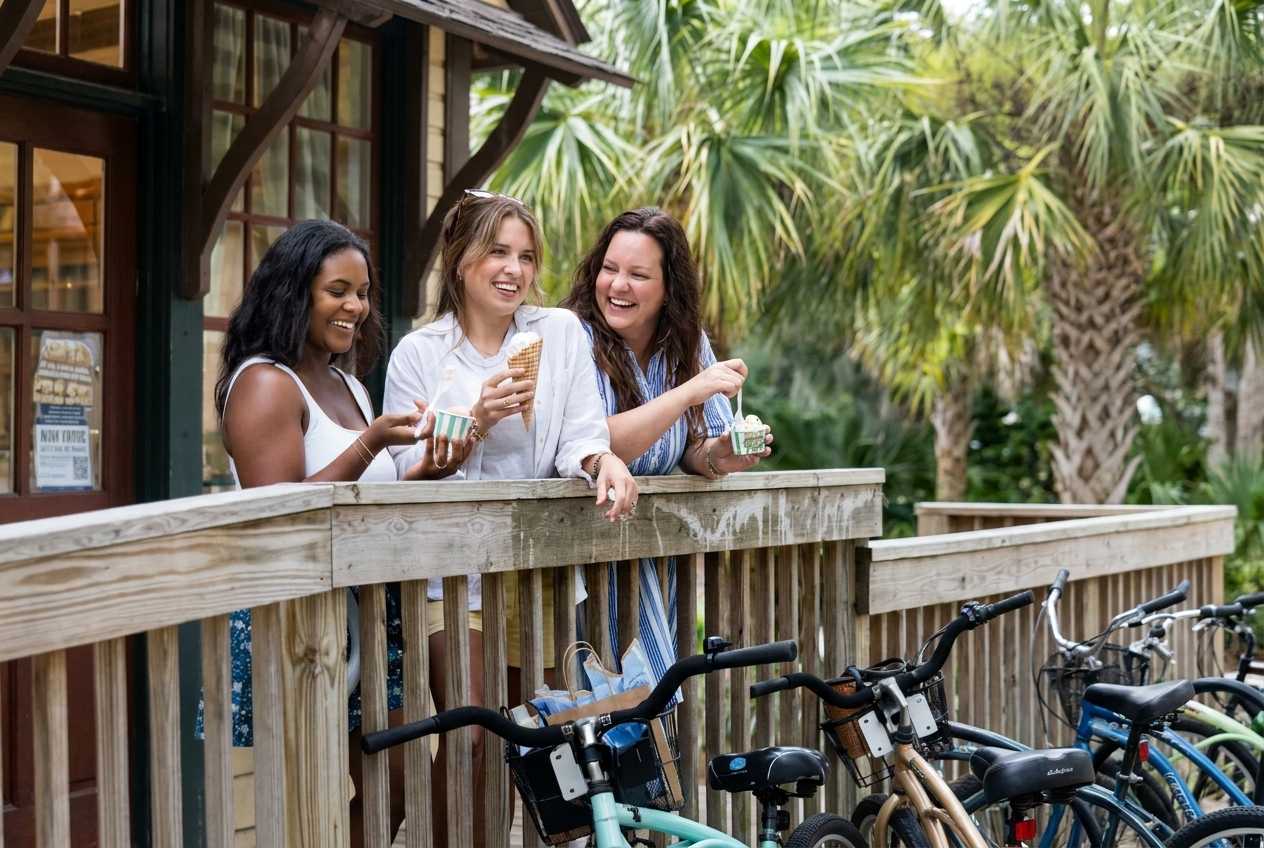
The National Historic Landmark District on Jekyll Island is a blend of history and modern attractions. This area was once the heart of the Jekyll Island Club, where wealthy members enjoyed leisure activities. Today, it features The District Shops at historic Pier Road, which opened in 2022. This revitalized area offers a variety of shopping and dining options, making it a pleasant spot to spend a day. You can find a fast-casual restaurant with a beer garden, a coffee shop, and an ice cream and candy store. The flagship store 31•81 and North Pole South, which sells Christmas collectibles year-round, are also popular stops. The first official Georgia Grown store and Pier Road Outfitters add to the local flavor. The paths are walkable, making it easy to explore on foot or by bike. Nearby, the Georgia Sea Turtle Center provides educational experiences about local wildlife. While the area is enjoyable, it can get crowded during peak tourist seasons, so visiting early in the day might enhance your experience.
Jekyll Island Attractions History
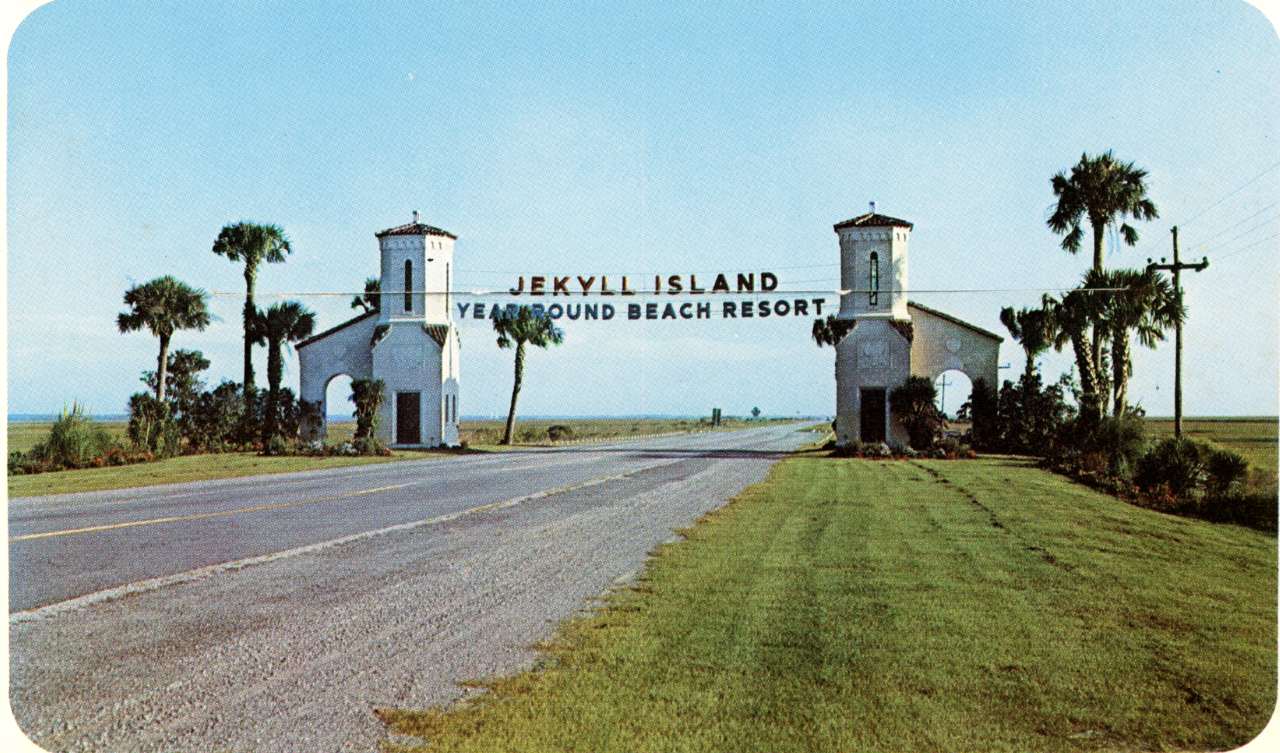
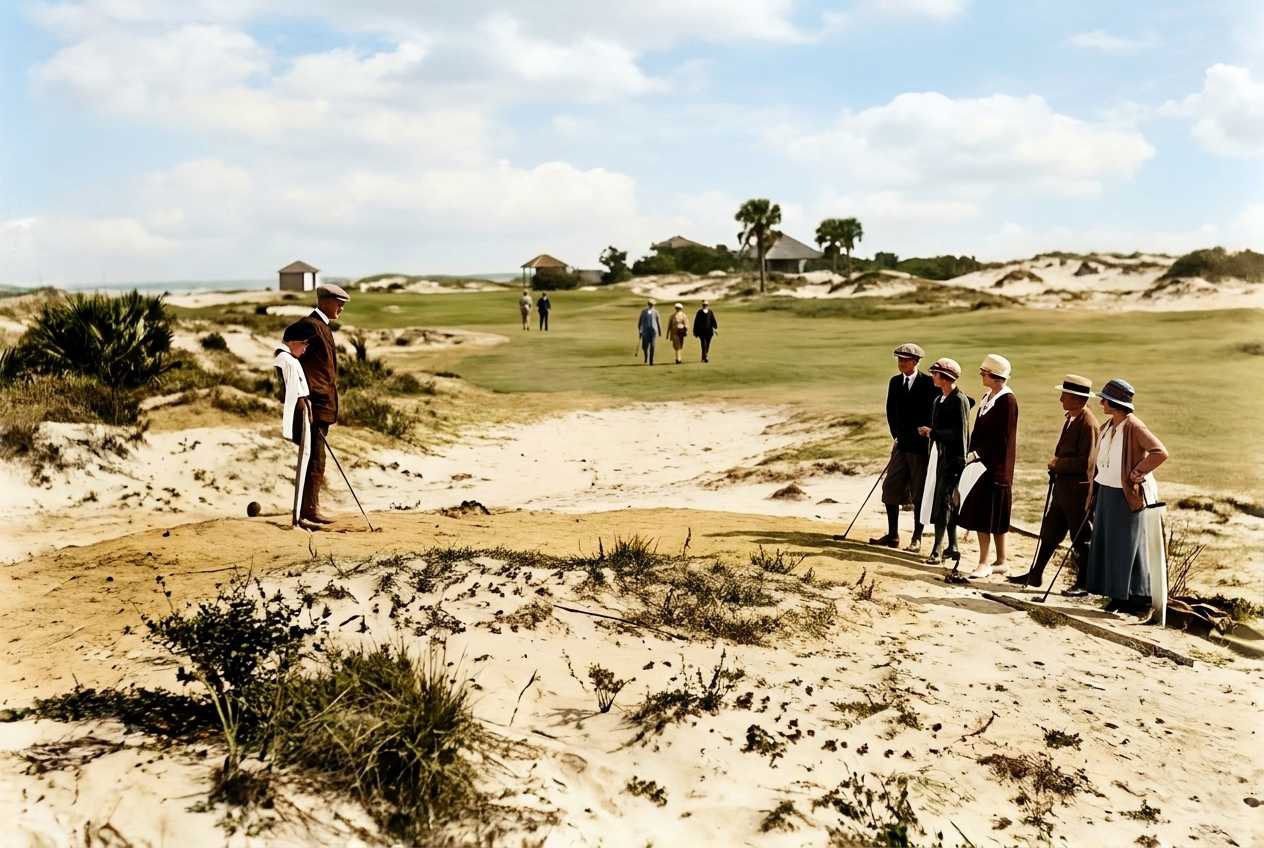
The history of attractions on Jekyll Island is rich and varied. The Great Dunes Golf Course opened in 1928, designed by Walter Travis, a prominent amateur golfer of the early 20th century. This 18-hole course served the Jekyll Island Club until its closure in 1942. After the club shut down, maintenance ceased, and nature reclaimed the land. By 1955, erosion and development had taken their toll, leading to the loss of the original nine holes. The remaining nine holes still exist today, a reminder of the island's golfing heritage. In the late 1950s, Peppermint Land Amusement Park opened along the beach, providing entertainment until it closed nearly a decade later. The park was a significant attraction during its time, showcasing rides and games for families. In 1948, Jekyll Island transitioned to a state park, opening its doors to the public. Since then, developments like the new convention center in 2012 and Beach Village in 2015 have continued to shape the island's offerings. Each of these milestones reflects the evolving nature of Jekyll Island as a destination.