search
search
add New trip
AR calendar_monthOct–Marbest time schedule7 daysplan for child_careYeswith kids
NeuquénYour own route Plan a trip here →

Neuquén, located in Argentina's Patagonia region, offers a diverse landscape of mountains, lakes, and rivers. Outdoor enthusiasts can explore the Andes, visit the picturesque Lake Neuquén, or enjoy the hot springs in Copahue.

Read more

The region is also known for its rich indigenous culture and wine production. Travelers can experience local traditions and taste unique wines from the Neuquén Valley, making it a rewarding destination for those seeking adventure and cultural experiences.
Sightseeing

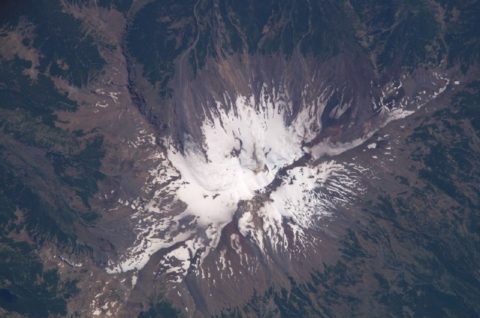
Lanín National Park: home to the Lanín Volcano and diverse wildlife.
The park is best visited in spring and summer for hiking.
Cerro Chapelco: a ski resort that offers skiing from June to September, with views of the Andes.
Lake Huechulafquen: ideal for fishing and hiking, especially in the warmer months.
Balsa Las Perlas: a scenic river for kayaking, popular in the summer.
Copahue Hot Springs: natural thermal baths that are especially enjoyable in winter.
Neuquén City: the provincial capital with museums like the Museo Nacional de Bellas Artes and parks such as Parque Norte.
Valle del Conlara: known for its vineyards and wineries, with many offering tastings year-round.
Piedra del Águila: a dam with beautiful landscapes, great for photography and picnics.

"Explore the heart of Patagonia"Neuquén

Local food and drinks

Patagonian lamb: slow-cooked and flavorful
Locro: a hearty stew made with corn and beans
Malbec wine: rich and fruity, produced locally
Chivito: a traditional grilled goat dish
Empanadas: stuffed pastries with various fillings

Local traditions

Fiesta Nacional de la Confluencia: a cultural festival celebrating local art
Fiesta del Futbol Infantil: a children's soccer tournament held annually
Día del Futbol: a day dedicated to soccer with local matches
Traditional Mapuche ceremonies: showcasing indigenous culture and rituals

Practical

At a glance

Best time
December to March
history_eduHistoryexpand_more

Neuquén has a rich history influenced by indigenous peoples, particularly the Mapuche. The region was colonized in the late 19th century, leading to the establishment of agricultural and ranching communities.

In the 20th century, Neuquén became known for its oil and gas reserves, which spurred economic growth. Today, it balances its natural resources with tourism, attracting visitors to its natural beauty and cultural heritage.