search
search
add New trip
Sucre
calendar_monthApr–Jun, Sep–Octbest time schedule3 daysplan for child_careYeswith kids
SucreYour own route Plan a trip here →

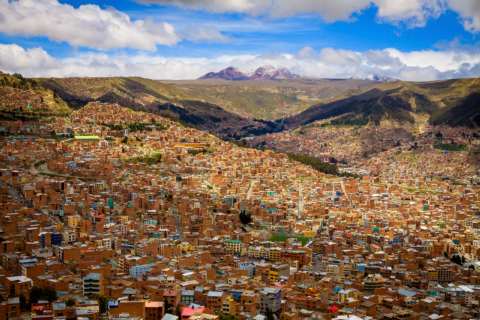
Sucre, the constitutional capital of Bolivia, is a charming city known for its well-preserved colonial architecture and vibrant culture. Strolling through its cobblestone streets, visitors are greeted by whitewashed buildings adorned with colorful balconies, creating a picturesque atmosphere that feels both historic and lively.

In pictures

Sucre
Sucre
Sucre
Sucre
Sucre
Sucre

Sightseeing

Plaza 25 de Mayo: the main square, perfect for people-watching
La Recoleta: a viewpoint with stunning city views
Sucre Cathedral: an impressive colonial-era church
Casa de la Libertad: a museum showcasing Bolivia's independence history
Cretaceous Park: a unique dinosaur park with fossil replicas
Tarabuco Market: a vibrant market for local handicrafts
Museum of Indigenous Art: a collection of indigenous artifacts
San Felipe Neri Convent: a serene historical site with beautiful architecture

"A city of history and culture"Sucre

Things to do

Explore the historic center: wander the streets and admire the colonial architecture.
Visit the local markets: experience the local culture and shop for handmade crafts.
Take a day trip to Maragua: enjoy the landscapes and hiking opportunities.
Attend a local festival: immerse yourself in Sucre's traditions, especially during the annual Festival of the Virgin of Guadalupe in September.
Join a cooking class: learn to make traditional Bolivian dishes like salteñas or pique a lo macho.
Local food and drinks - Sucre

Local food and drinks

Salteñas: savory pastries filled with meat and spices
Pique a lo macho: a hearty dish of beef, sausage, and potatoes
Api: a warm, sweet drink made from corn
Choclo con queso: fresh corn served with cheese
Café Gourmet: a popular spot for coffee lovers
Local traditions - Sucre

Local traditions

Carnaval de Sucre: a lively festival with parades and music
Festival de la Virgen de Guadalupe: a religious celebration with traditional dances
Semana Santa: Holy Week festivities with processions and rituals
Day of the Dead: honoring ancestors with altars and offerings

Do's and don'ts

Visit museums to learn about local history
Try local dishes at street vendors for authentic flavors
Respect local customs and traditions during festivals
Engage with locals to enhance your experience
Don't assume everyone speaks English, learn a few phrases
Don't take photos of people without permission
Don't rush through the city, take your time to explore
Don't ignore altitude sickness symptoms, stay hydrated
Explore Sucre's colonial charm

Explore Sucre's colonial charm

Walking through Sucre feels like stepping back in time. The cobblestone streets are lined with whitewashed buildings, each telling a story of the city’s colonial past. The architecture reflects a blend of Spanish and indigenous influences, making every corner a visual delight. Don’t miss the Plaza 25 de Mayo, where locals gather and street vendors sell traditional snacks like salteñas. The atmosphere is relaxed, allowing you to soak in the history and culture at your own pace.

Visit the Casa de la Libertad

Visit the Casa de la Libertad

The Casa de la Libertad is a significant historical site in Sucre. This is where Bolivia declared its independence in 1825. Inside, you can find artifacts and exhibits that narrate the country’s fight for freedom. The building itself is a beautiful example of colonial architecture, with its elegant arches and spacious courtyard. Admission is affordable, making it a worthwhile stop for history enthusiasts. Be sure to take a moment to appreciate the intricate details of the building as you reflect on its importance.

Discover the Ex Palacio Nacional

Discover the Ex Palacio Nacional

The Ex Palacio Nacional is another highlight of Sucre’s rich history. Once the seat of government, this grand building now serves as a museum. You can explore its impressive halls and learn about Bolivia's political history. The architecture is striking, with high ceilings and ornate decorations. Entry fees are reasonable, and guided tours are available for those who want deeper insights. As you wander through the rooms, you can almost hear the echoes of the past, making it a fascinating experience.

info_outlinePracticalexpand_more
Since: Founded in 1538
Population: 300.000

About Sucre

The city is also a UNESCO World Heritage site, offering a unique blend of indigenous and Spanish influences. While Sucre is often less crowded than other Bolivian cities, it retains a warm, welcoming vibe that invites exploration and discovery.

Things to know

Be cautious of altitude sickness, as Sucre is at a high elevation.
Public transport can be limited, consider walking or using taxis.
Some attractions may have limited hours, check in advance.
Watch out for tourist traps in markets, negotiate prices.
history_eduHistoryexpand_more

Sucre was founded in 1538 by Spanish conquistador Pedro Anzúrez and named after the first president of Bolivia, Antonio José de Sucre. The city played a crucial role in Bolivia's fight for independence, serving as a political and cultural center throughout the 19th century.

Over the years, Sucre has maintained its historical significance, becoming a UNESCO World Heritage site in 1991. Its rich history is reflected in the architecture and cultural practices that continue to thrive today, making it a fascinating destination for history enthusiasts.

Photo: Wikipedia / Wikimedia Commons