search
search
add New trip
Bolivia
BO calendar_monthApr–May, Sep–Octbest time schedule10 daysplan for child_careYeswith kids flagSucrecapital BsBolivianocurrency
BoliviaYour own route Plan a trip here →

Bolivia is a landlocked country in South America, known for its diverse landscapes ranging from the Andes mountains to the Amazon rainforest. Travelers can experience vibrant cultures, rich history, and breathtaking natural wonders, making it a unique destination for adventurers and culture enthusiasts alike.

In pictures

Copacabana, located on the southern shore of Lake Titicaca, was among the earliest tourist destinations since the 1940s.
Bolivia
Bolivia
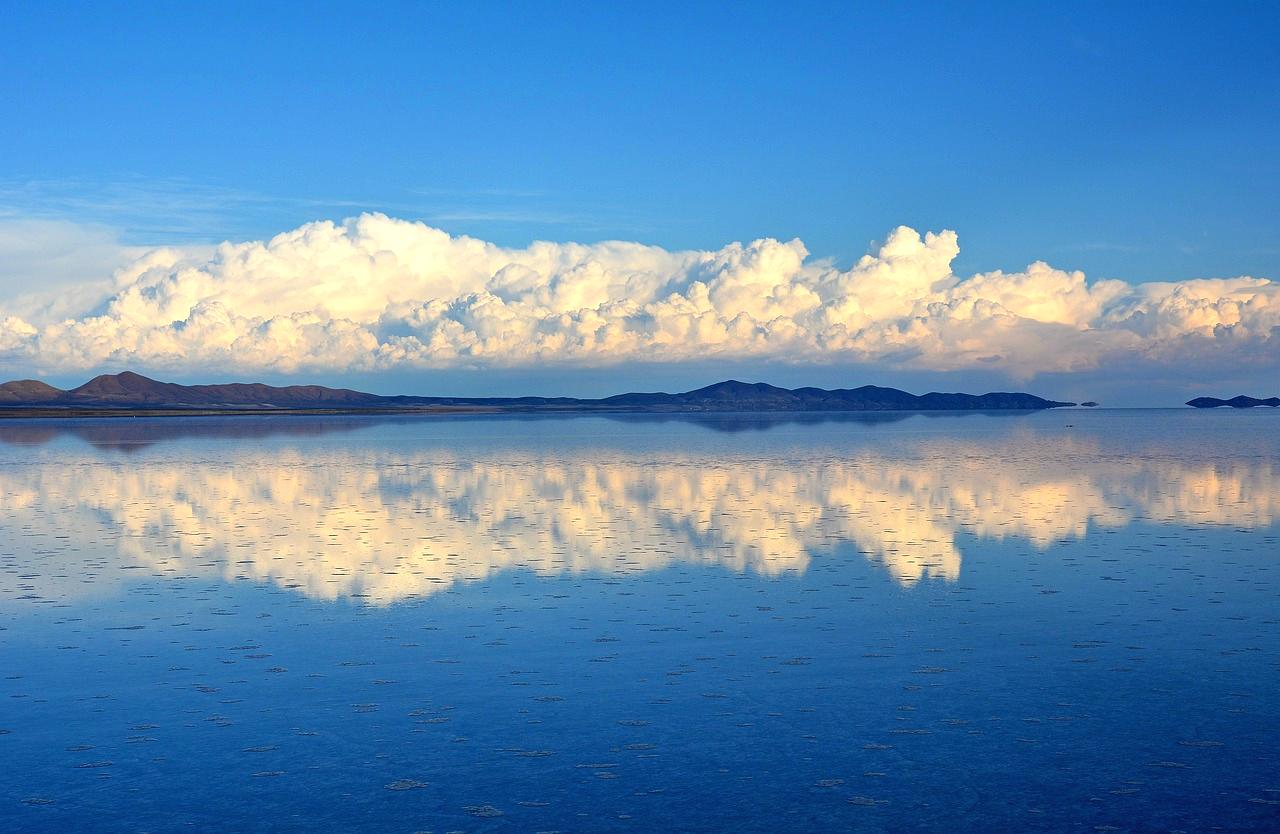
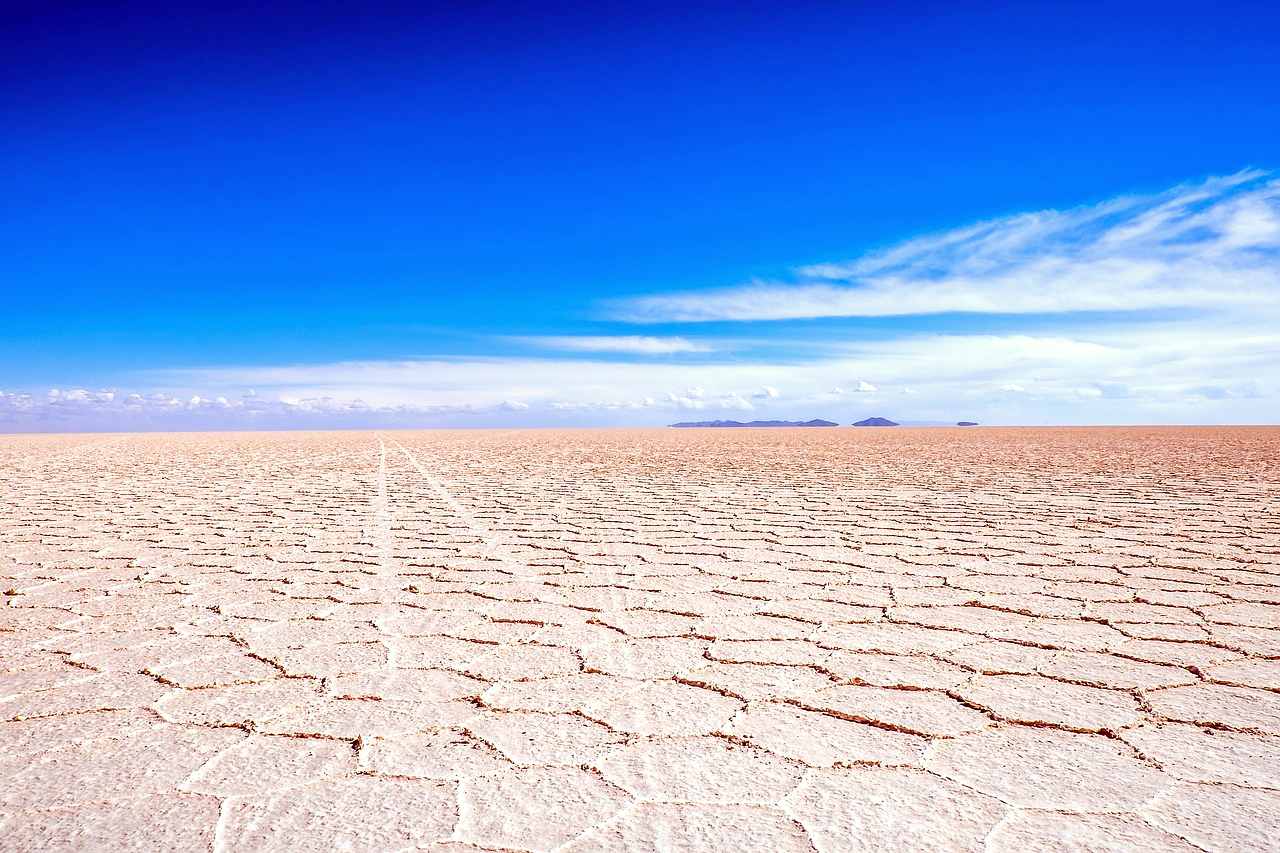
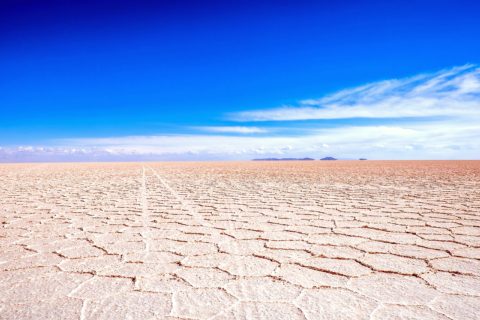
The Salar de Uyuni is the world's largest salt desert and is famous for its mirror-like views during the rainy season.
The Gate of the Moon in Tiwanaku
Mission San José in the Jesuit Missions of Chiquitos
Bolivia
Bolivia

Sightseeing

Salar de Uyuni: the world's largest salt flat
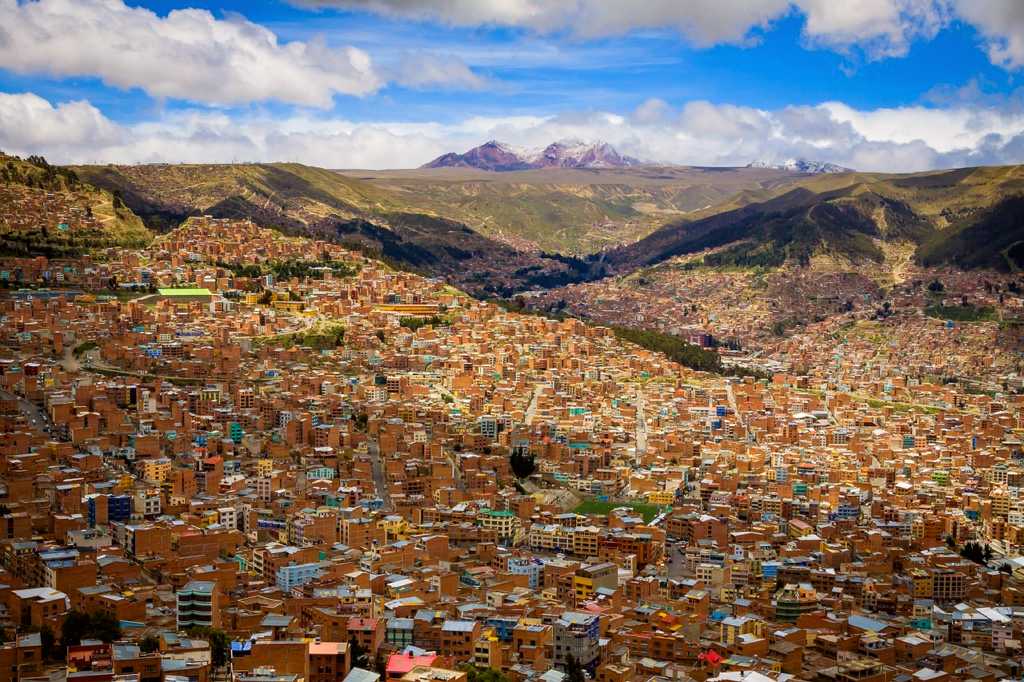
La Paz: the highest capital city in the world
Lake Titicaca: the highest navigable lake
Potosí: a historic mining city
Sucre: the constitutional capital with colonial architecture
Madidi National Park: a biodiversity hotspot
Tiwanaku: ancient ruins of a pre-Columbian civilization
Coroico: a scenic town in the Yungas region

"Experience the heart of South America"Bolivia

Things to do

Explore the Salar de Uyuni: visit during the rainy season for mirror effects
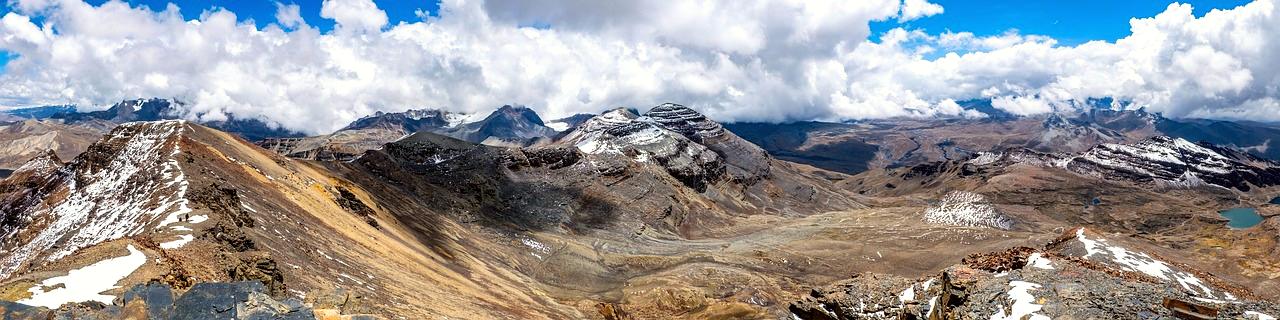
Hike in the Andes: enjoy breathtaking views and diverse wildlife
Visit indigenous markets: experience local culture and crafts
Take a boat tour on Lake Titicaca: visit the floating islands
Discover the Amazon: embark on eco-tours and wildlife spotting
Experience the Carnival of Oruro: join in the vibrant festivities
Visit the Witches' Market in La Paz: find unique souvenirs and local remedies
Local food and drinks - Bolivia

Local food and drinks

Salteñas: savory pastries filled with meat or vegetables, try them for breakfast
Pique Macho: a hearty dish of beef, sausage, and potatoes, popular in La Paz
Api: a traditional hot drink made from corn, enjoy it with breakfast
Chicha: a fermented corn drink, often served at local festivals
Sopa de Maní: peanut soup, a comforting dish found in many restaurants
Coca tea: a local beverage made from coca leaves, helps with altitude sickness
Local traditions - Bolivia

Local traditions

Inti Raymi: a festival celebrating the sun god, held in June
Dia de los Muertos: honoring deceased loved ones with altars and offerings
Carnaval: vibrant parades and celebrations before Lent
Aymara New Year: celebrated in June, marking the winter solstice
Pachamama Day: honoring Mother Earth with rituals in August

Do's and don'ts

Try to learn basic Spanish phrases
Respect local customs and traditions
Bargain politely in markets
Use sunscreen and stay hydrated at high altitudes
Participate in local festivals and events
Don't take photos of people without permission
Don't assume everyone speaks English
Don't drink tap water, stick to bottled water
Don't engage in political discussions with locals
Don't underestimate the effects of altitude
Sunset Serenity at Copacabana

Sunset Serenity at Copacabana

As the sun dips below the horizon at Copacabana, the sky transforms into a canvas of vibrant colors. This lakeside town, perched on the shores of Lake Titicaca, offers a tranquil escape from the hustle and bustle of city life. Stroll along the waterfront, where locals and travelers alike gather to enjoy the view. Be mindful of the altitude, as the lake sits at over 3,800 meters. The thin air can take some getting used to, so take it slow and savor the moment.

Majestic Huayna Potosí

Majestic Huayna Potosí

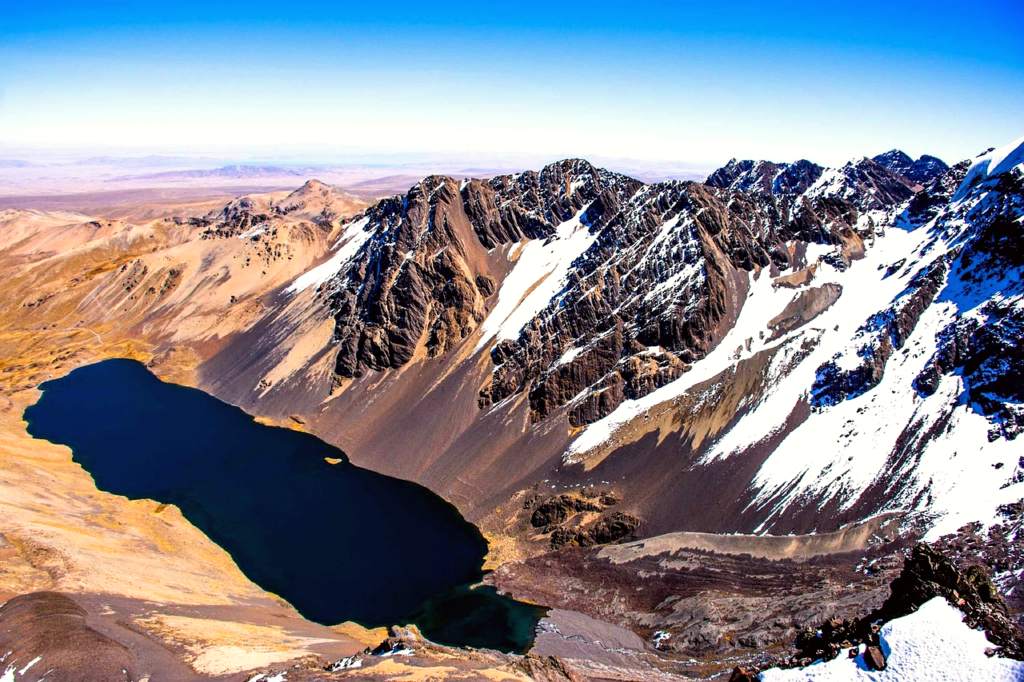
Huayna Potosí is a striking peak that beckons adventurers with its snow-capped summit. Standing at 6,088 meters, it is a popular choice for climbers looking to experience the thrill of high-altitude mountaineering. However, this trek is not for the faint of heart. Proper acclimatization is crucial, and even experienced climbers should be prepared for rapidly changing weather conditions. The breathtaking views from the top are worth the effort, but ensure you are physically prepared for the challenge.

Cultural Encounters at Salar de Uyuni

Cultural Encounters at Salar de Uyuni

The Salar de Uyuni, the world's largest salt flat, is a surreal landscape that captivates every visitor. Here, you might encounter travelers from around the globe, including monks seeking spiritual reflection. The vast, white expanse creates a unique backdrop for photography and exploration. However, be cautious of the intense sun and the cold nights. Bring plenty of water and sunscreen, and consider visiting during the rainy season for a mirror-like effect on the salt crust. This experience is unlike any other, blending natural beauty with cultural richness.

info_outlinePracticalexpand_more
Population: 11.600.000
Best time: May to October

About Bolivia

However, Bolivia can be challenging for some travelers due to its high altitude, especially in cities like La Paz. It's essential to acclimatize properly and be prepared for varying weather conditions, as well as limited infrastructure in remote areas.

Basic information

Capital: Sucre
Language: Spanish, Quechua, Aymara
Currency: Boliviano
Best time to visit: May to October

Travel information

Flights to Bolivia typically arrive in La Paz or Santa Cruz Public transport includes buses and taxis, but be cautious with safety Road conditions can be poor, especially in rural areas ATMs are available in major cities, but cash is preferred in rural areas Mobile connectivity is decent in cities, but limited in remote regions

Things to know

Altitude sickness is common, take it slow and hydrate
Be cautious of pickpockets in crowded areas
Some areas may require permits for access, check in advance
Respect local customs and dress modestly in rural areas
Expect varying levels of service in restaurants and hotels
history_eduHistoryexpand_more
History - Bolivia

Bolivia's history is marked by ancient civilizations, including the Tiwanaku and Inca empires. The Spanish colonization in the 16th century led to significant cultural changes and exploitation of resources, particularly silver from Potosí, which became one of the richest cities in the world.

Bolivia gained independence in 1825 but has faced political instability and social unrest since then. The country has a rich indigenous heritage, with a significant portion of the population identifying as indigenous, and recent years have seen a resurgence of indigenous rights and cultural pride.

Photo: Wikipedia / Wikimedia Commons