search
search
add New trip
Uyuni

Uyuni

mailanmaik · Pixabay
calendar_monthApr–Sepbest time schedule3 daysplan for directions_car3 h 20from Potosí child_careYeswith kids confirmation_numberBudgetprice
UyuniYour own route Plan a trip here →

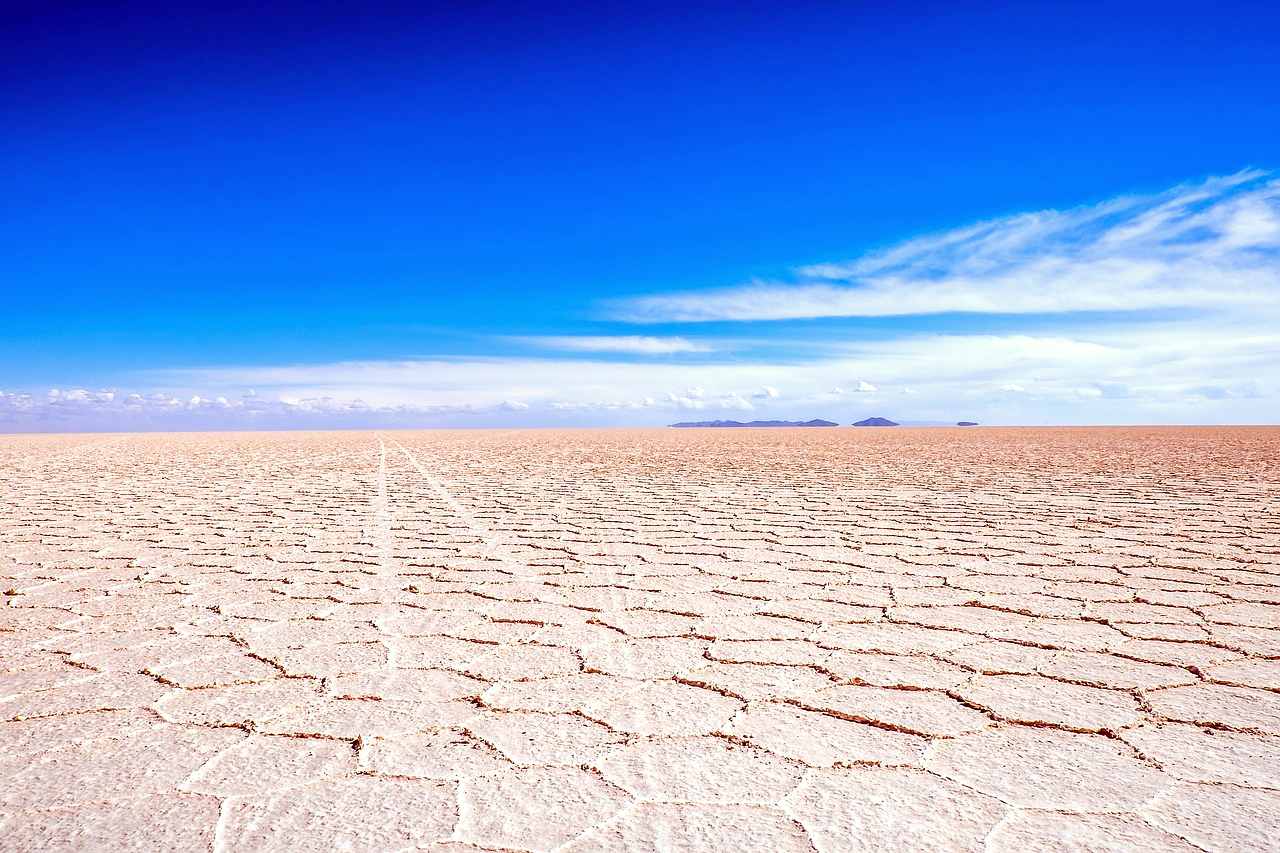
Uyuni is a small town in Bolivia, famous for its breathtaking salt flats and stunning landscapes. Visitors are often captivated by the surreal beauty of the Salar de Uyuni, especially during the rainy season when it transforms into a giant mirror reflecting the sky.

Read more

Despite its remote location, Uyuni has a vibrant atmosphere with a mix of local culture and tourism. The town serves as a gateway for adventurers looking to explore the unique geological features and diverse ecosystems of the surrounding area.

Routes through here

Every route opens in the planner as your own copy: change any stop, any night.

In pictures

Uyuni moonykim · Pixabay
Uyuni israelroca · Pixabay
Uyuni jerzykwpodrozy · Pixabay

Sightseeing

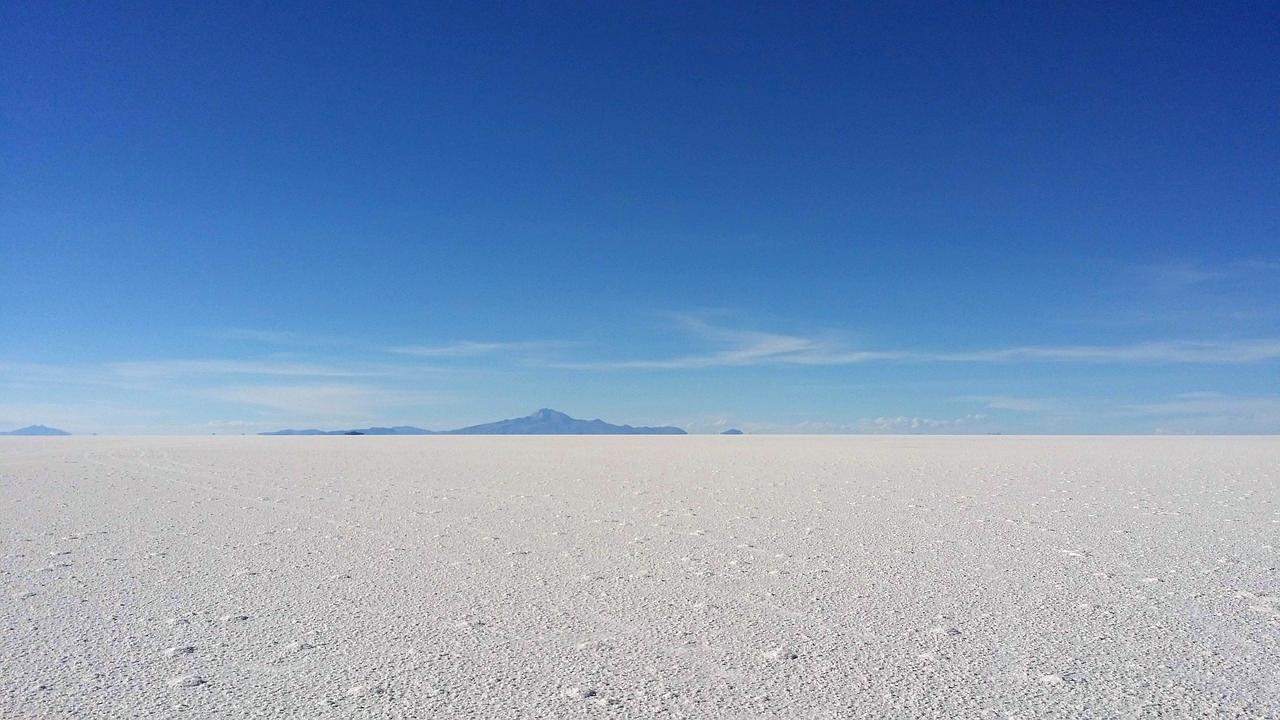
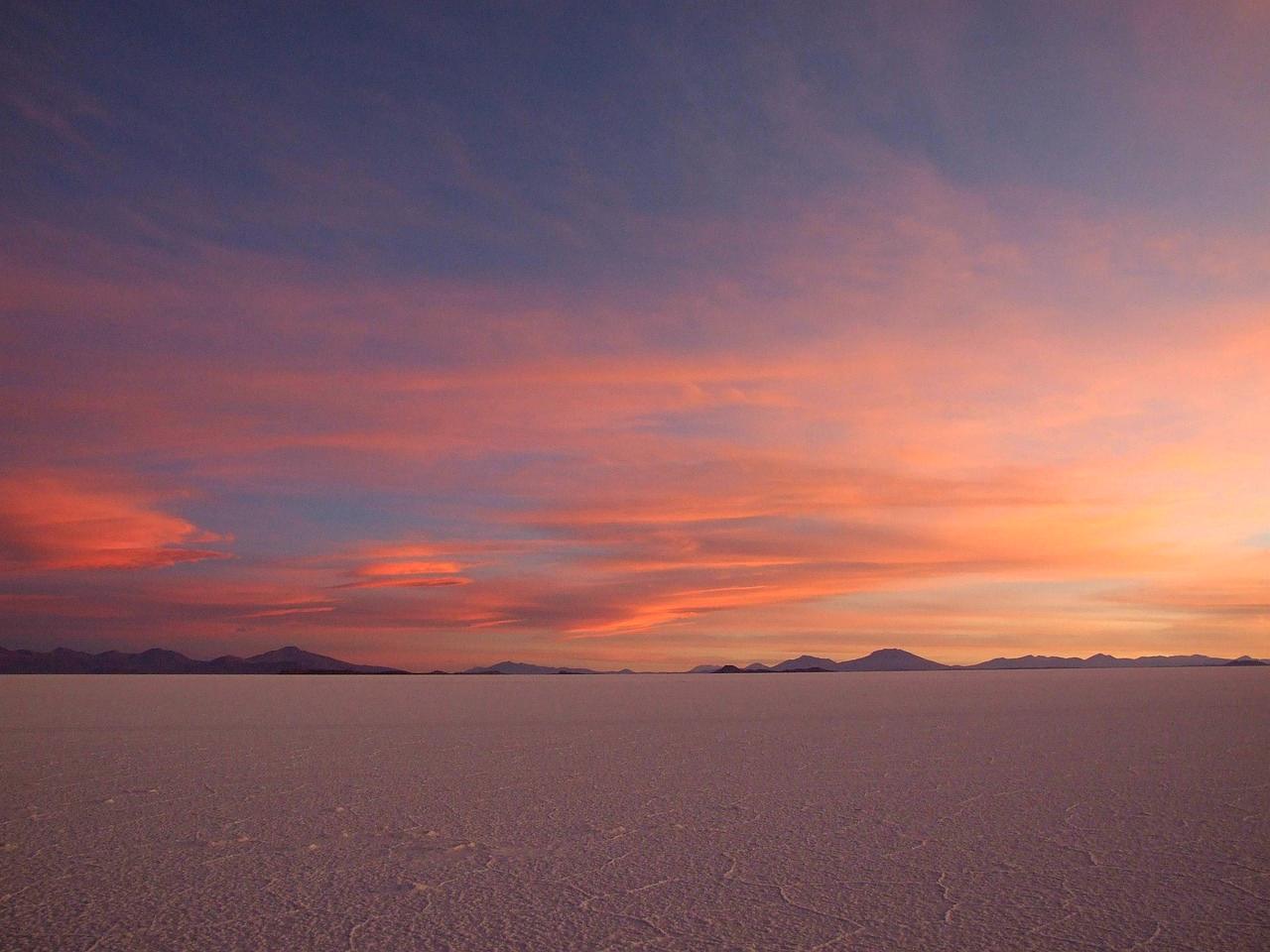
Salar de Uyuni: the world's largest salt flat
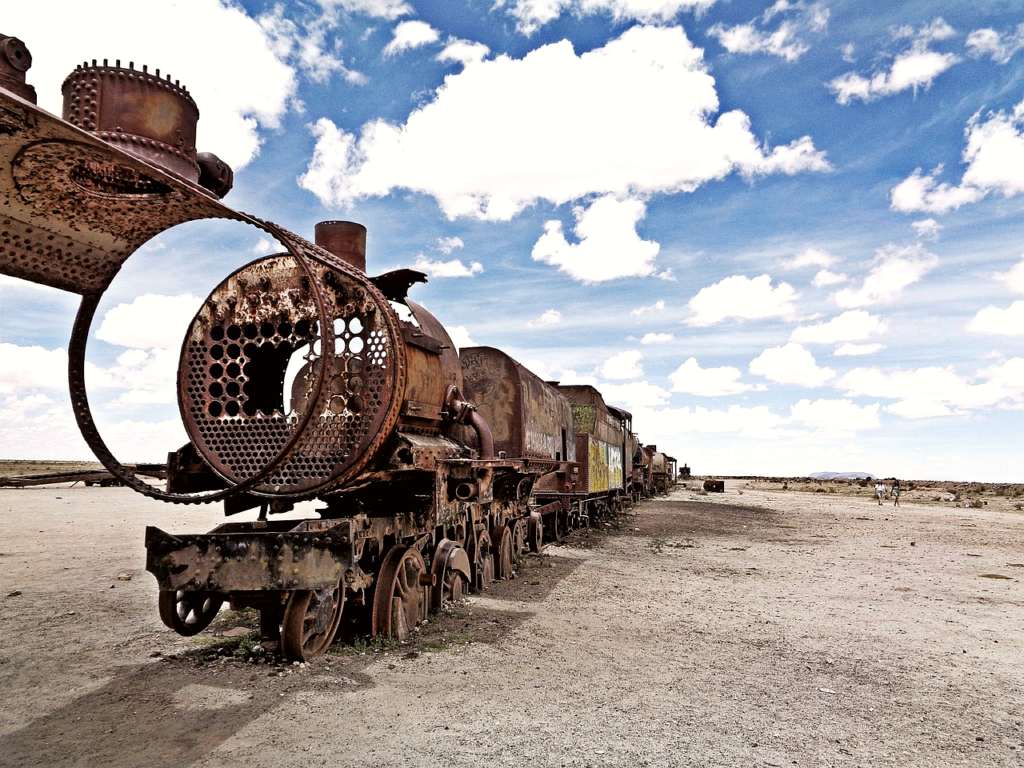
Train Graveyard: eerie collection of abandoned trains
Isla Incahuasi: island with giant cacti and stunning views
Cactus Island: unique flora amidst the salt flats
Tunupa Volcano: impressive peak with hiking opportunities
Laguna Colorada: striking red lagoon with flamingos
Laguna Verde: vibrant green lake at the foot of a volcano
Pueblo de Uyuni: charming town with local markets

"Gateway to Bolivia's Salt Flats"Uyuni

Things to do

Take a salt flat tour: explore the vast Salar de Uyuni.
Visit the train graveyard: see the rusting relics of history, including old locomotives and wagons.
Hike Tunupa Volcano: enjoy panoramic views of the region.
Photograph the mirror effect: capture reflections on the salt flats, especially during the rainy season from December to April.
Explore local markets: experience Bolivian culture and cuisine, particularly on Thursdays when Avenida Potosí transforms into an open-air market selling handicrafts and local foods.

Local food and drinks

Salteñas: savory pastries filled with meat or vegetables
Pique Macho: hearty dish of beef, sausage, and potatoes
Chicha: traditional fermented drink made from corn
Quinoa dishes: local grain served in various forms
Local markets: try street food for an authentic experience

Local traditions

Carnaval de Uyuni: vibrant festival with parades and music
Day of the Dead: honoring ancestors with offerings and altars
Local handicrafts: traditional weaving and artisan markets
Indigenous customs: respect for Aymara and Quechua traditions

Do's and don'ts

Book tours in advance, especially during peak season
Dress in layers; temperatures can fluctuate greatly
Carry cash, as many places do not accept cards
Respect local customs and traditions
Don't underestimate the cold at night; bring warm clothing
Don't wander off alone in remote areas
Don't engage in disrespectful behavior towards locals
Don't forget sunscreen; the sun can be intense

Reflecting skies on the salt flats

During the rainy season, Salar de Uyuni transforms into a vast mirror, reflecting the clouds above. This phenomenon draws photographers and travelers alike, eager to capture the surreal landscape. The best time to visit is just after a rain, when the flats are covered in a thin layer of water. Be prepared for chilly nights, as temperatures can drop significantly. While the salt flats are the main attraction, consider exploring the nearby train graveyard, where rusting locomotives tell stories of the past. The experience is unlike any other, offering a unique blend of natural beauty and history.

A taste of local Bolivian cuisine

In Uyuni, you can find local eateries serving traditional dishes like salteñas and llama steak. Salteñas are savory pastries filled with meat and spices, perfect for a quick snack. For a heartier meal, try the llama steak, often served with potatoes and a side of fresh salad. Prices are reasonable, with meals typically costing between 20 to 50 Bolivianos. Dining in Uyuni offers a chance to connect with locals and experience the flavors of Bolivian cuisine. Just be aware that some restaurants may have limited hours, so plan accordingly.

Exploring Uyuni's unique street life

Strolling through the streets of Uyuni, you will encounter a mix of local vendors and travelers. The main street features shops selling souvenirs, including colorful textiles and handcrafted items. Take time to chat with artisans, many of whom are happy to share their stories. The town has a relaxed pace, making it easy to explore on foot. However, be mindful of altitude sickness, as Uyuni sits at over 3,600 meters above sea level. Hydrate well and take it slow to fully enjoy the local culture and atmosphere.

Practical

At a glance

Founded
the late 19th century
Population
25.000
Accessibility
Some areas are challenging for limited mobility
Price level
Budget

Things to know

Be cautious of altitude sickness due to high elevation.
Transport options can be limited; plan ahead.
Some tours may feel touristy; research beforehand.
Safety can vary; stay aware of your surroundings.
As of 2023, be prepared for occasional road closures during the rainy season, which can affect travel plans.
history_eduHistoryexpand_more

Uyuni was founded in the late 19th century as a railway hub for the mining industry, particularly for transporting minerals like tin. Its strategic location made it a vital point for trade and commerce in the region.

Over the years, Uyuni has evolved into a popular tourist destination, primarily due to the nearby Salar de Uyuni. The salt flats, formed from ancient lakes, have become a symbol of Bolivia's natural beauty and cultural heritage.

Photo: mailanmaik · Pixabay Content License · Pixabay

Photo credits (3)