search
search
add New trip
Chile
CL calendar_monthMar–Apr, Oct–Novbest time schedule14 daysplan for child_careYeswith kids flagSantiagocapital $Chilean Pesocurrency translateSpanishlanguage
ChileYour own route Plan a trip here →

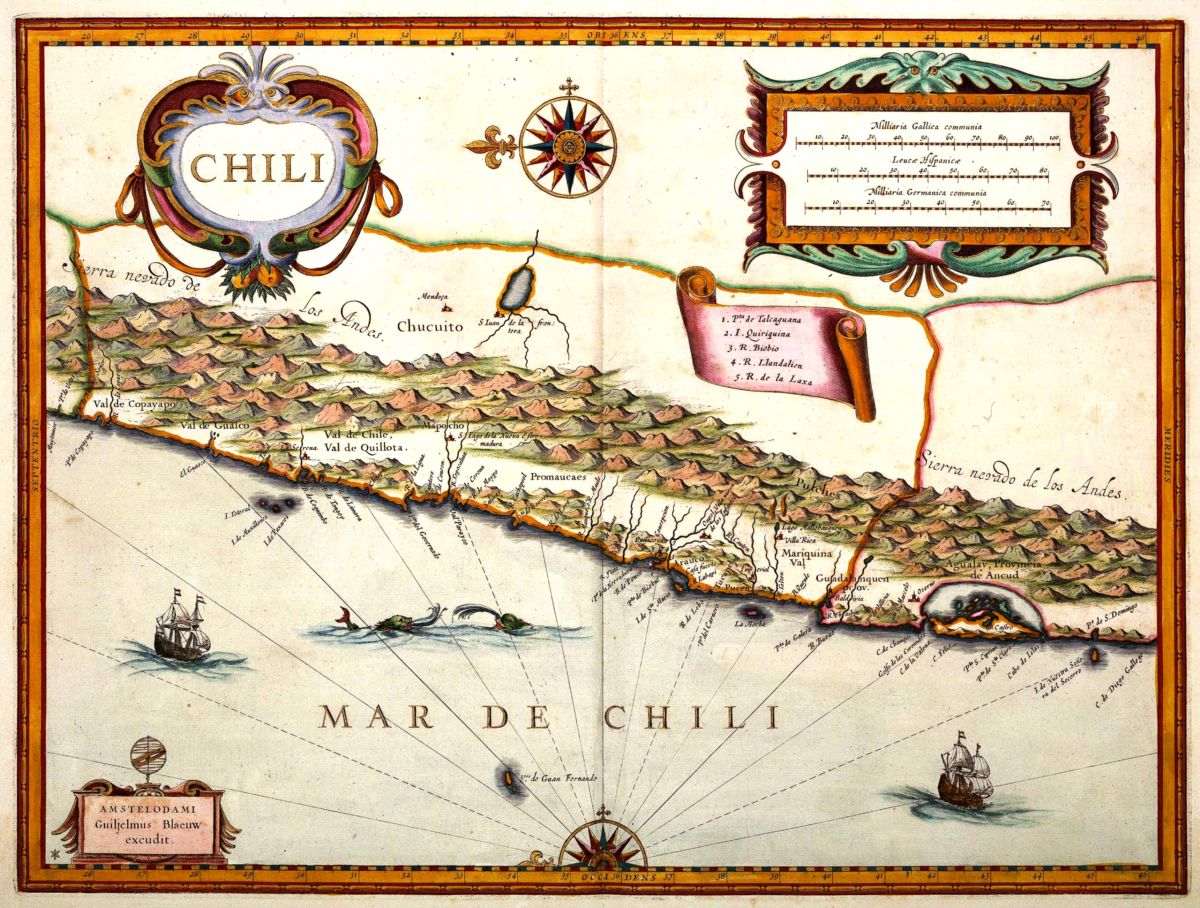
Chile is a long, narrow country stretching along the western edge of South America, offering diverse landscapes from the Atacama Desert in the north to the glaciers of Patagonia in the south. Travelers can experience vibrant cities like Santiago, rich cultural heritage, and stunning natural wonders, making it a unique destination for adventure and relaxation.

In pictures

Chile
Chile
Chile
Chile
Chile
Chile
Chile
Chile

Sightseeing

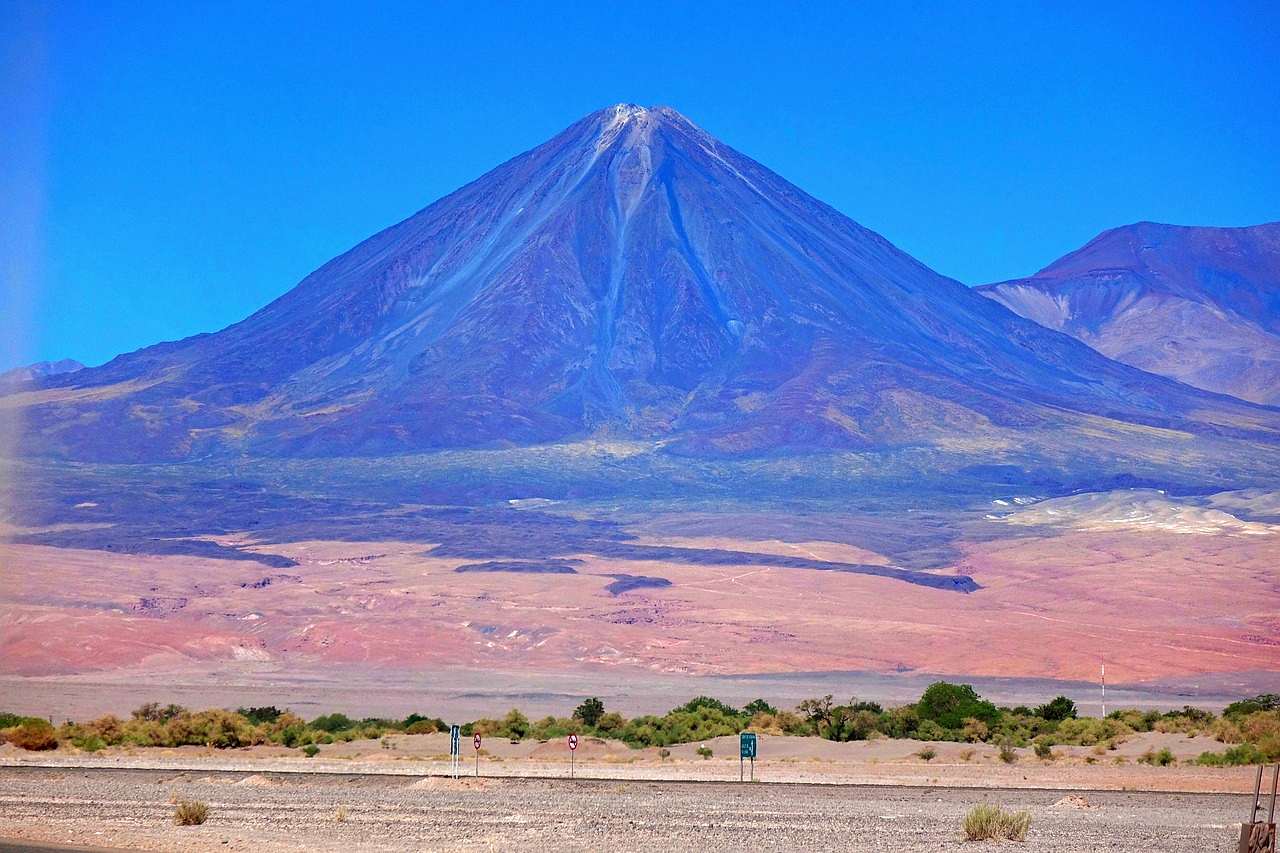
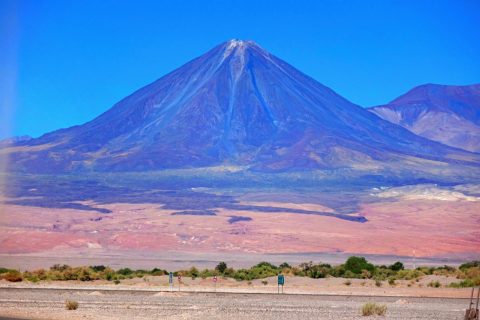
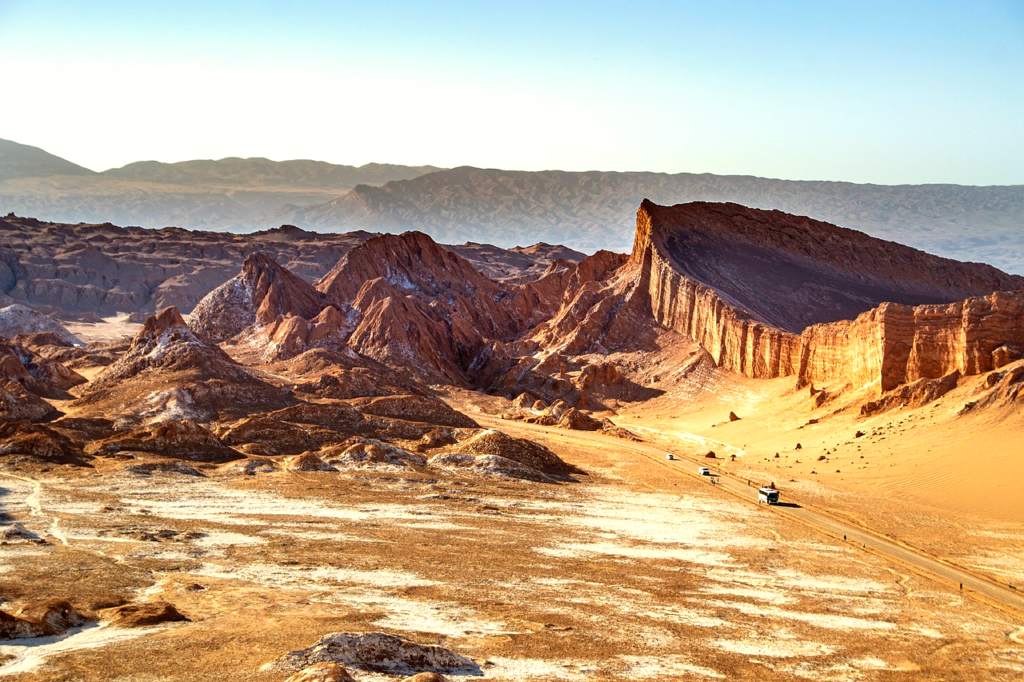
Atacama Desert: the driest desert in the world, known for its otherworldly landscapes
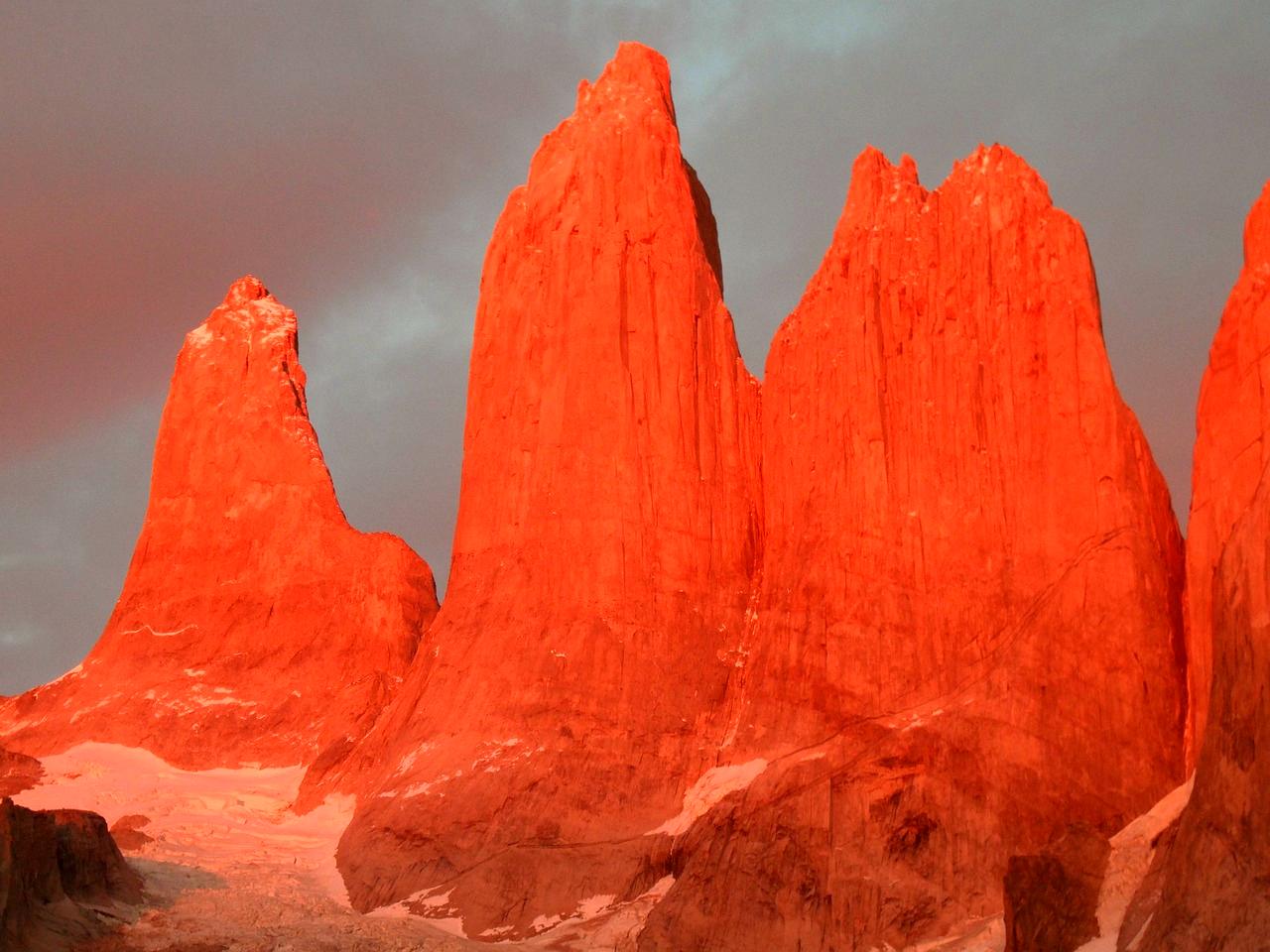
Torres del Paine National Park: famous for its dramatic mountains and hiking trails
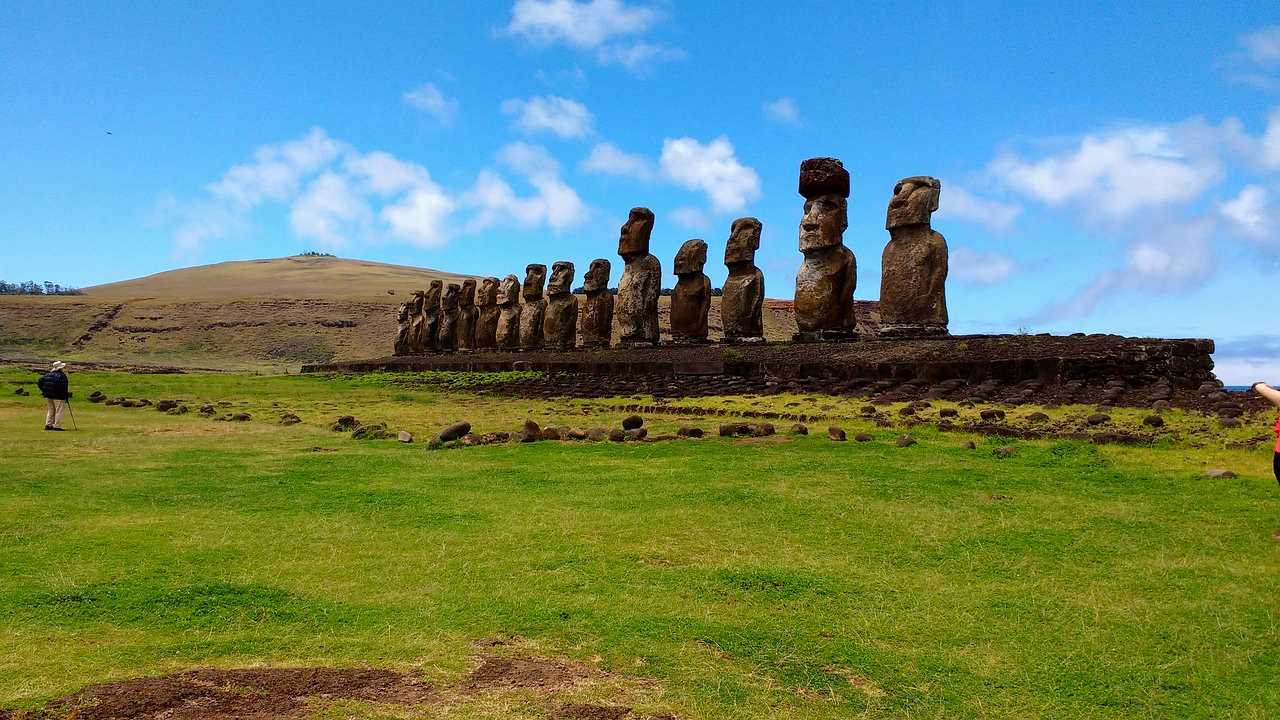
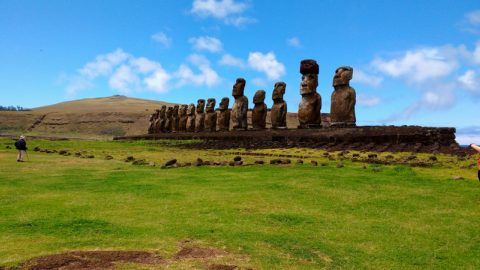
Easter Island: home to the mysterious Moai statues and rich Polynesian culture
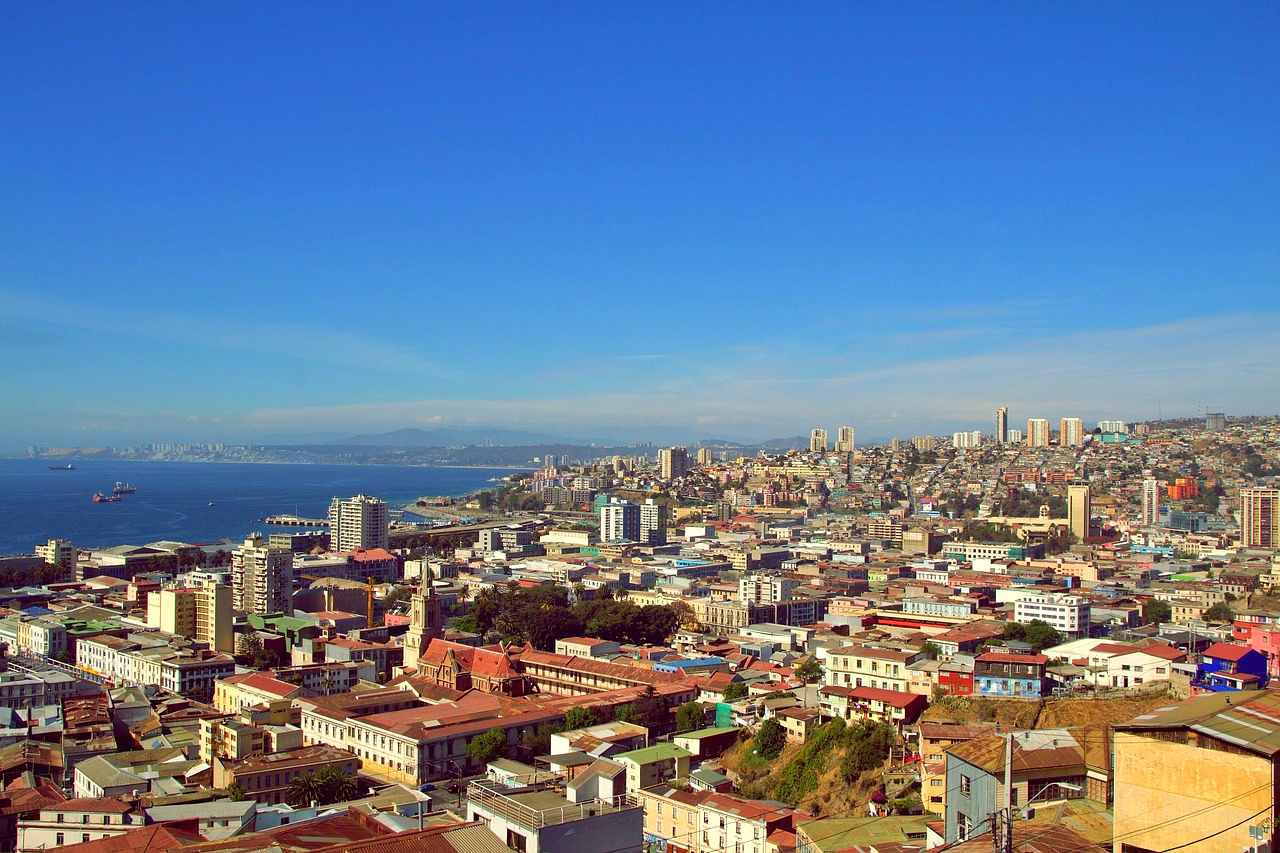
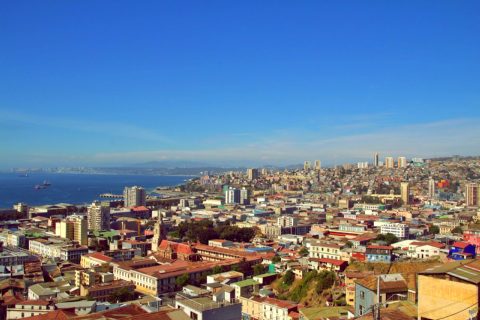
Valparaíso: a colorful coastal city with steep hills and vibrant street art
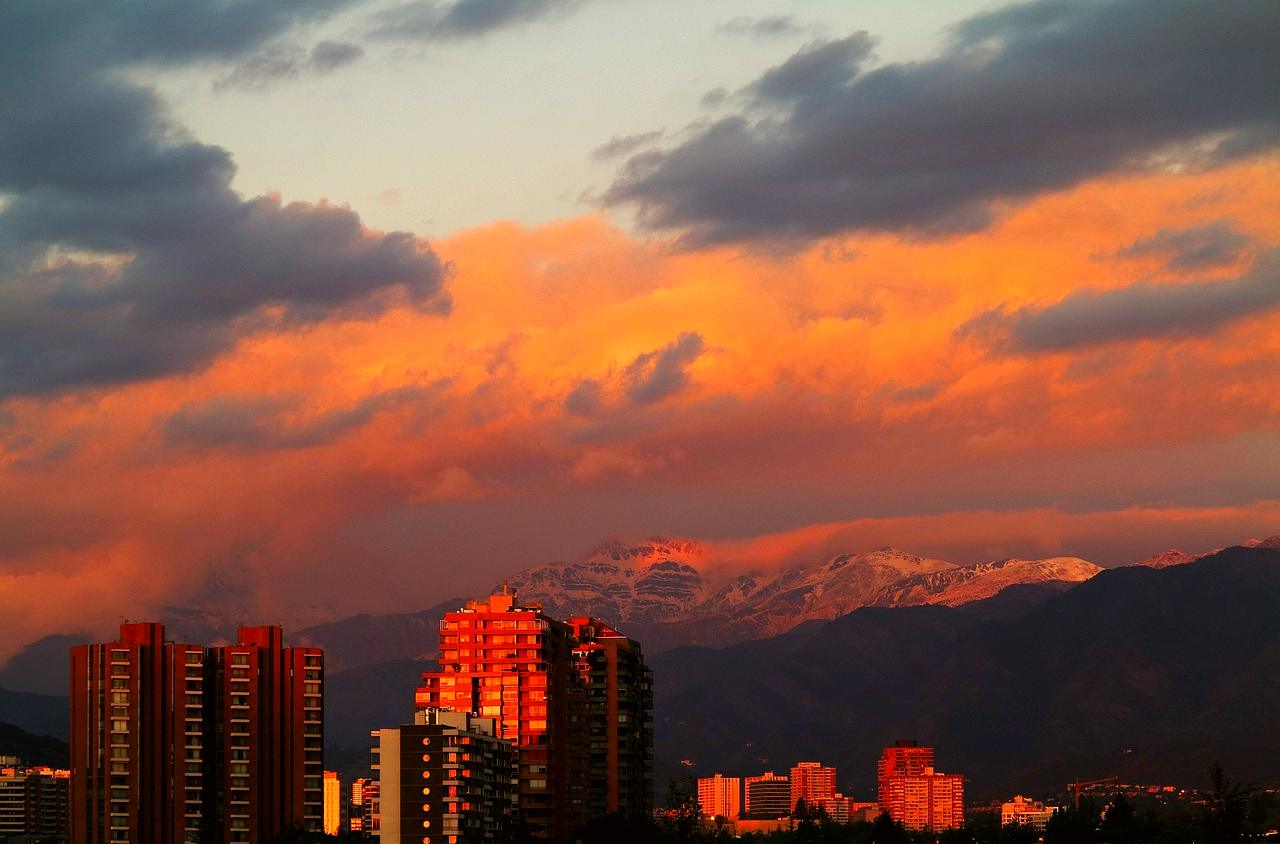
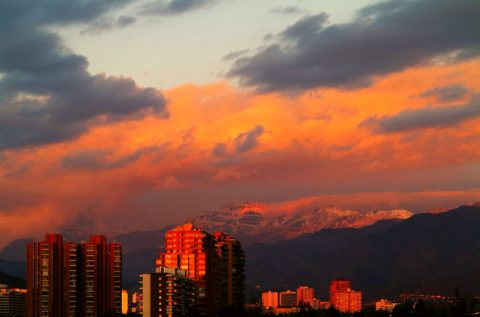
Santiago: the capital city, blending modernity with history and culture
Chiloé Island: known for its unique wooden churches and folklore
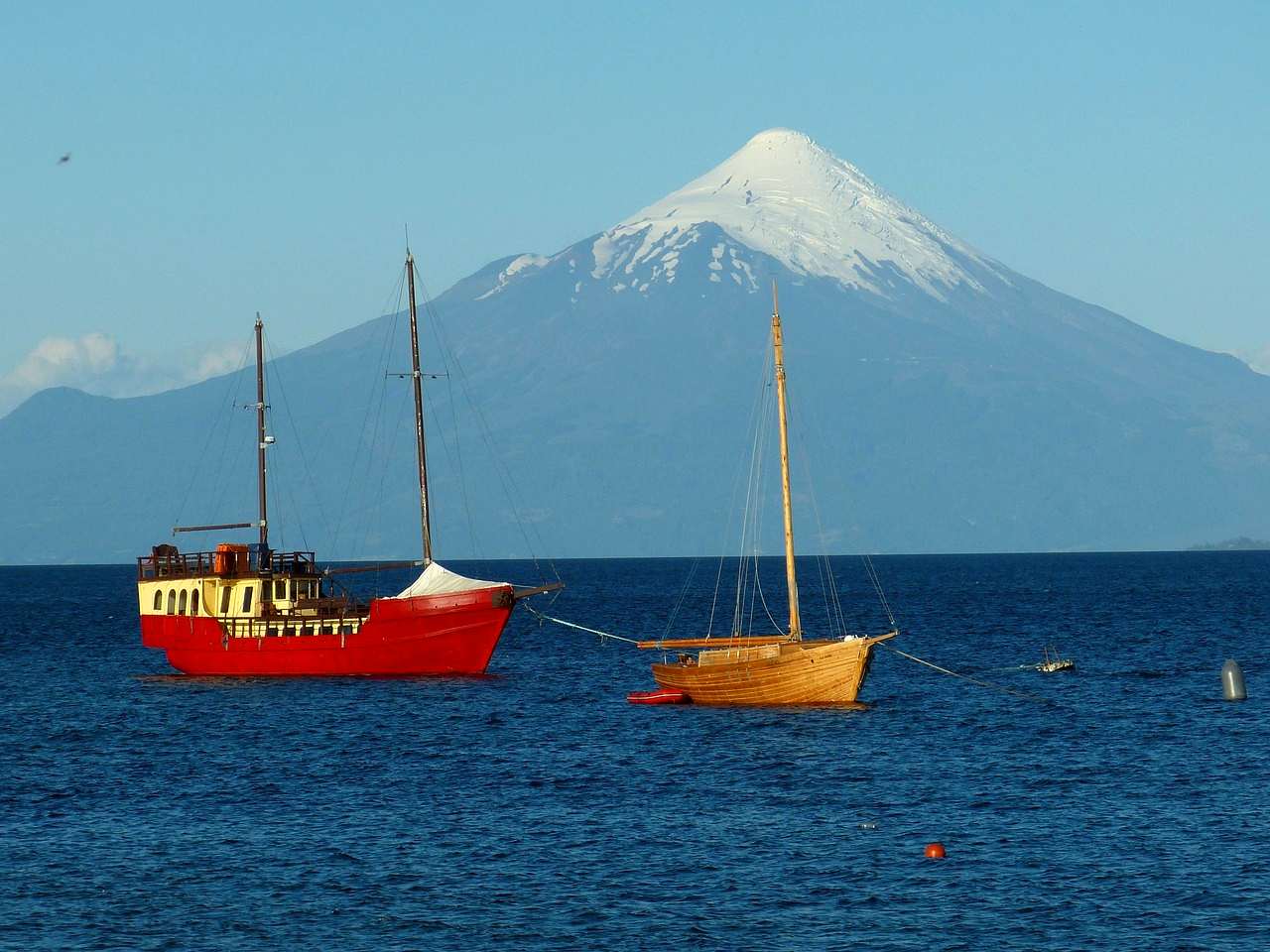
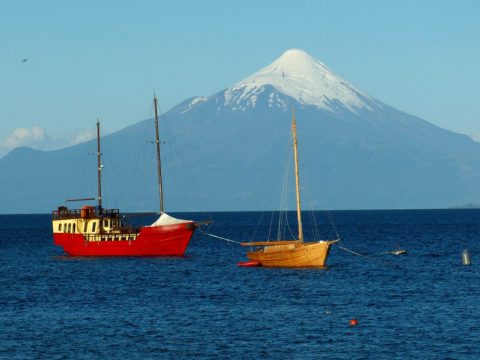
Lake District: stunning lakes and volcanoes, perfect for outdoor activities
Punta Arenas: a gateway to Patagonia with a rich maritime history

"A land of diverse landscapes and cultures"Chile

Things to do

Hike in Torres del Paine: experience breathtaking views and diverse wildlife
Stargaze in Atacama: enjoy some of the clearest skies for astronomy
Explore Santiago's markets: taste local produce and crafts at La Vega
Visit vineyards in the Central Valley: sample world-class Chilean wines
Take a boat tour in Patagonia: witness glaciers and fjords up close
Experience local festivals: immerse in Chilean culture through music and dance
Local food and drinks - Chile

Local food and drinks

Pastel de Choclo: a corn pie best enjoyed in local restaurants
Empanadas: savory pastries filled with meat or cheese, found everywhere
Cazuela: a hearty meat and vegetable stew, perfect for colder days
Pisco Sour: a refreshing cocktail made with pisco, try it in bars
Completo: a Chilean hot dog topped with avocado and mayonnaise, popular street food
Mote con Huesillo: a sweet drink made with wheat and dried peaches, enjoyed in summer
Local traditions - Chile

Local traditions

Fiestas Patrias: national celebrations in September with food and dance
La Tirana Festival: a colorful religious festival in July honoring the Virgin of Carmen
Day of the Dead: honoring deceased loved ones with altars and offerings
Cueca: the national dance, often performed at celebrations and gatherings
Mapuche culture: indigenous traditions and crafts still celebrated today

Do's and don'ts

Try to learn basic Spanish phrases to communicate
Respect local customs and traditions during your visit
Sample local foods and drinks to fully experience the culture
Engage with locals to learn about their way of life
Dress in layers to adapt to changing weather conditions
Don't assume everyone speaks English, especially in rural areas
Don't take photos of people without asking for permission
Don't litter or disrespect natural sites, as conservation is important
Don't engage in political discussions unless you know the context
Don't rush your travels; take time to enjoy each destination
Explore the iconic Morro Arica

Explore the iconic Morro Arica

Morro Arica stands tall over the coastal city of Arica, offering panoramic views of the Pacific Ocean. The hike to the summit is manageable, taking about 30 minutes. Along the way, you will encounter local flora and fauna, as well as historical sites like the old fort. Once at the top, enjoy the sight of the city below and the waves crashing against the cliffs. Be sure to bring water and wear comfortable shoes. The weather can be hot, so early morning or late afternoon hikes are ideal.

Experience Iquique's unique charm

Experience Iquique's unique charm

Iquique is known for its beautiful beaches and historic architecture. The Plaza Prat is a great starting point, surrounded by colorful buildings and local shops. Try the local seafood at one of the many restaurants, where you can find dishes like ceviche and paila marina. The city also has a rich history tied to the nitrate boom, which you can explore at the Regional Museum. Keep in mind that the coastal weather can be unpredictable, so layers are recommended.

Discover the Giant of Atacama

Discover the Giant of Atacama

The Giant of Atacama is a massive geoglyph etched into the desert floor, depicting a human figure. Located near the town of Huacachina, it is best viewed from a distance. The site is accessible by car, but be prepared for a rough road. Visiting at sunrise or sunset provides the best lighting for photographs. The surrounding desert landscape is stark and beautiful, but be cautious of the heat and bring plenty of water. This area is remote, so plan your visit accordingly.
info_outlinePracticalexpand_more
Population: 19.000.000
Best time: September to March

About Chile

However, distances can be vast, and travel times may be longer than expected. Some areas, especially in Patagonia, are remote and require careful planning to access, so be prepared for potential challenges in transportation and accommodation availability.

Basic information

Capital: Santiago
Language: Spanish
Currency: Chilean Peso
Best time to visit: September to March

Travel information

Fly into Santiago International Airport for international access. Use buses for intercity travel; companies like Turbus and Pullman offer affordable and extensive routes. Rent a car for exploring remote areas, especially in Patagonia, but be prepared for unpaved roads. Credit cards are widely accepted, but carry cash for small purchases, especially in rural towns where ATMs may be scarce. Mobile connectivity is good in cities, but expect limited service in remote areas like the Atacama Desert.

Things to know

Be cautious of altitude sickness in the Andes region, especially if you plan to hike above 2,500 meters.
Expect varying weather conditions in Patagonia; layers are essential as temperatures can shift rapidly.
Watch for pickpockets in crowded areas, particularly in Santiago's Plaza de Armas.
Some attractions, like Torres del Paine National Park, may have limited hours or require advance booking during peak season from December to February.
Respect local customs and traditions, especially in indigenous areas like Rapa Nui (Easter Island) and Mapuche communities.
history_eduHistoryexpand_more
History - Chile

Chile's history is marked by indigenous cultures, notably the Mapuche, who resisted Spanish colonization in the 16th century. The country gained independence in 1818 after a long struggle, leading to a period of political instability and social change.

In the 20th century, Chile experienced a democratic government followed by a military coup in 1973, leading to years of dictatorship. The return to democracy in 1990 has shaped modern Chile, with ongoing discussions about social justice and equality.

Photo: Wikipedia / Wikimedia Commons