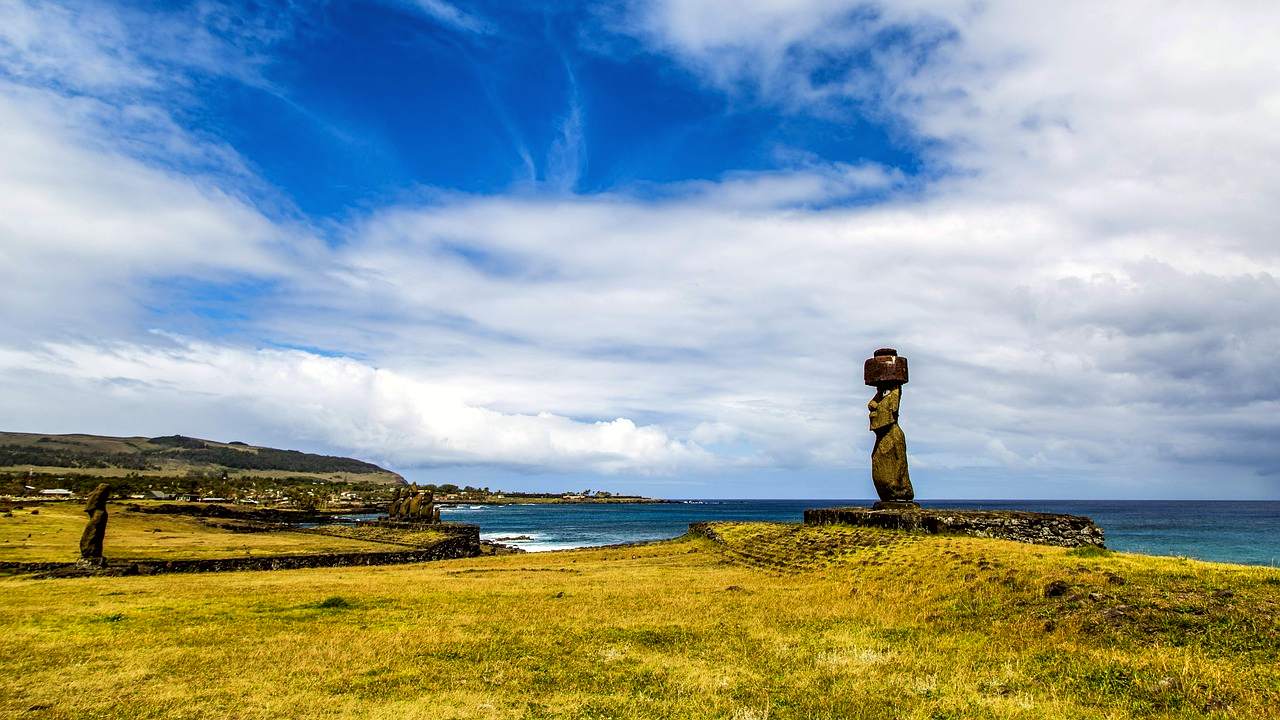
The quarry of the moai statues
Rano Raraku is the quarry where the iconic moai statues were carved. Here, you can see nearly 400 unfinished statues in various stages of completion. The landscape is dotted with these massive stone figures, each telling a story of the island's past. Walking among them, you can feel the weight of history. The site is a UNESCO World Heritage site, so expect some crowds, especially during peak tourist season. Bring water and wear sturdy shoes, as the terrain can be uneven. The experience is both humbling and awe-inspiring, offering a glimpse into the artistry and dedication of the Rapa Nui people.
Taste the local sweet potato
The sweet potato, or kumara, is a staple in Rapa Nui cuisine. Locally grown varieties are often served alongside fish or in traditional dishes like curanto. You can find it at local markets or in small eateries, where it is prepared simply, allowing its natural sweetness to shine. Prices are reasonable, with a meal costing around 10,000 to 15,000 Chilean pesos. Eating this dish connects you to the island's agricultural heritage and the flavors of the Pacific. Don't miss the chance to try it, especially when it's freshly harvested.
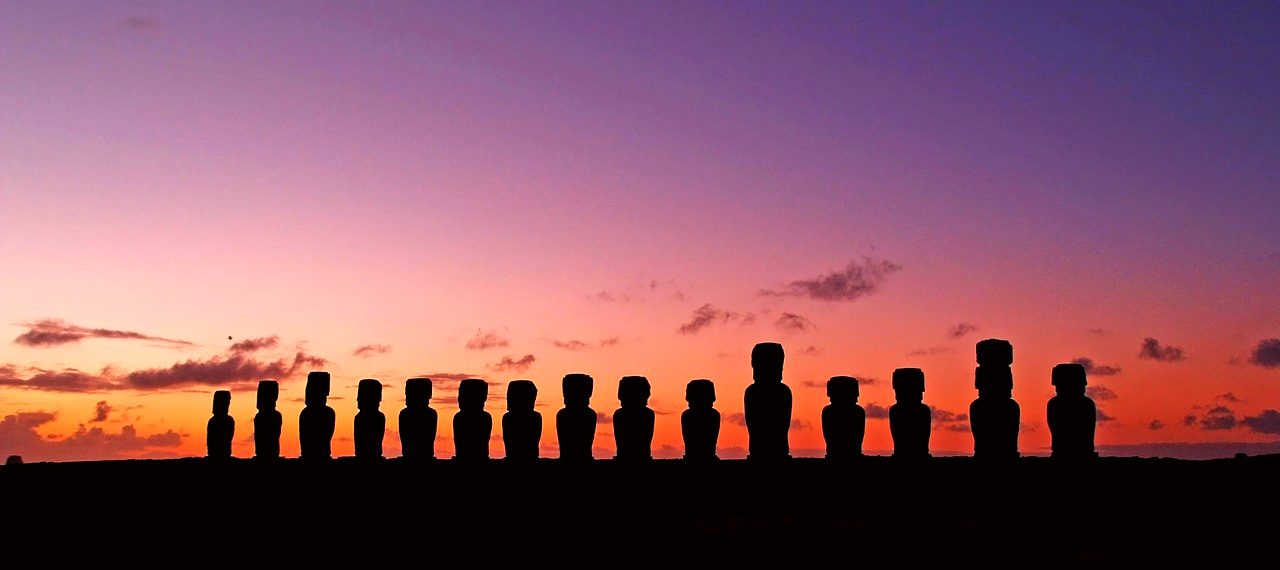
Sunset at Ahu Tongariki
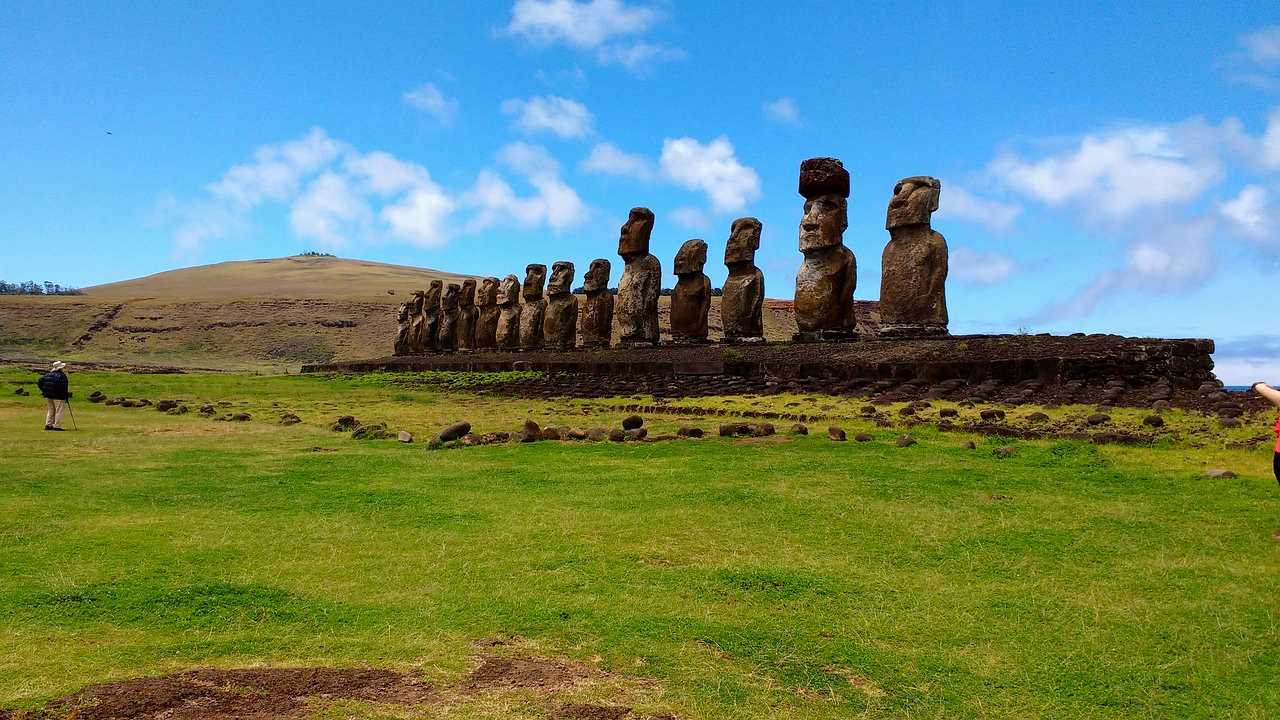
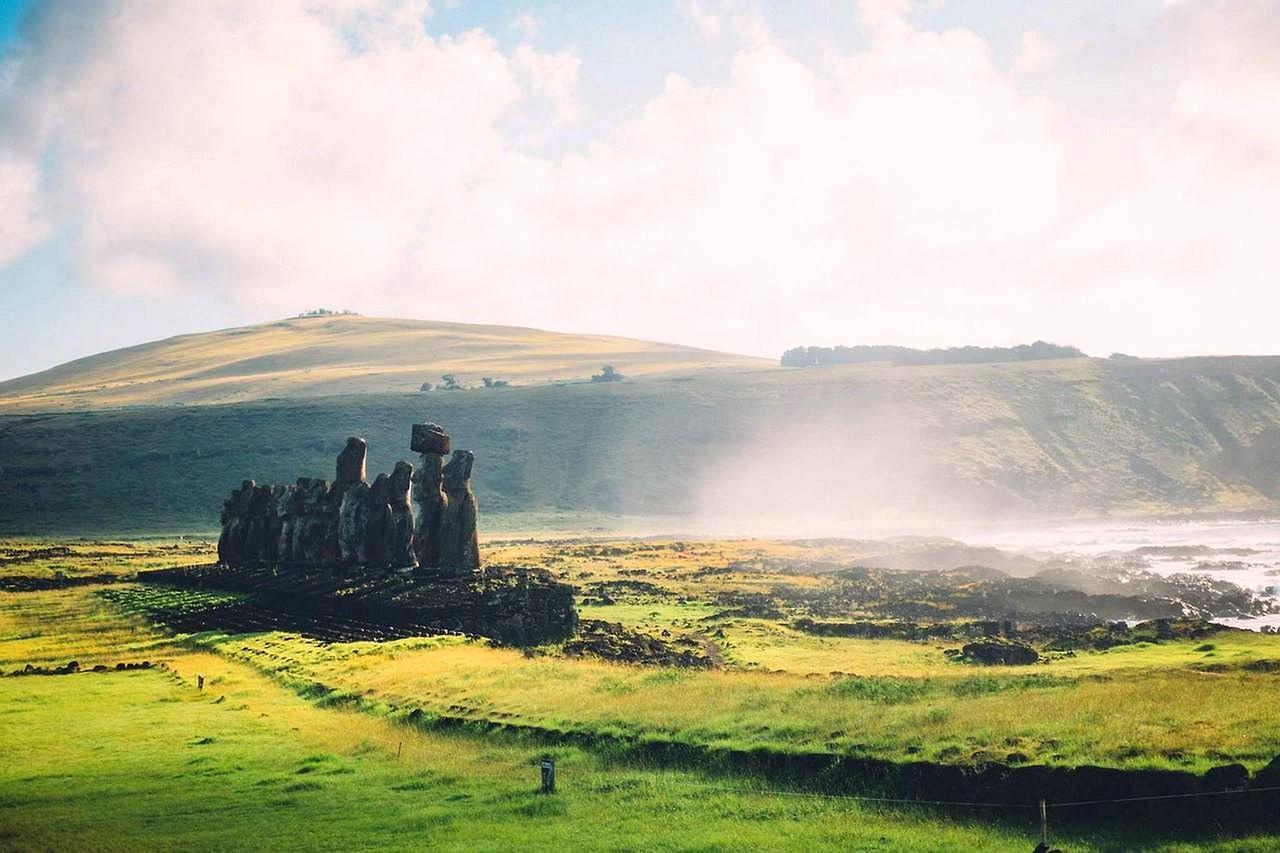
Ahu Tongariki is the largest ahu (ceremonial platform) on Easter Island, featuring 15 moai statues facing the ocean. Watching the sunset here is a memorable experience, as the sky transforms into shades of orange and pink. Arrive early to secure a good spot, as it can get crowded during sunset hours. The site is accessible by car or bike, but be cautious of the unpaved roads. Bring a blanket and some snacks to enjoy while you take in the view. The atmosphere is peaceful, and the sight of the moai against the setting sun is a perfect way to end your day.