![A View of the Monuments of Easter Island, Rapanui, c. 1775–1776 by William Hodges.[37]](https://media.kiomigo.com/places/1916/8095-easter-island-gallery-mid.jpg)
The quarry of the moai statues
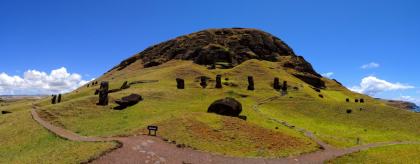
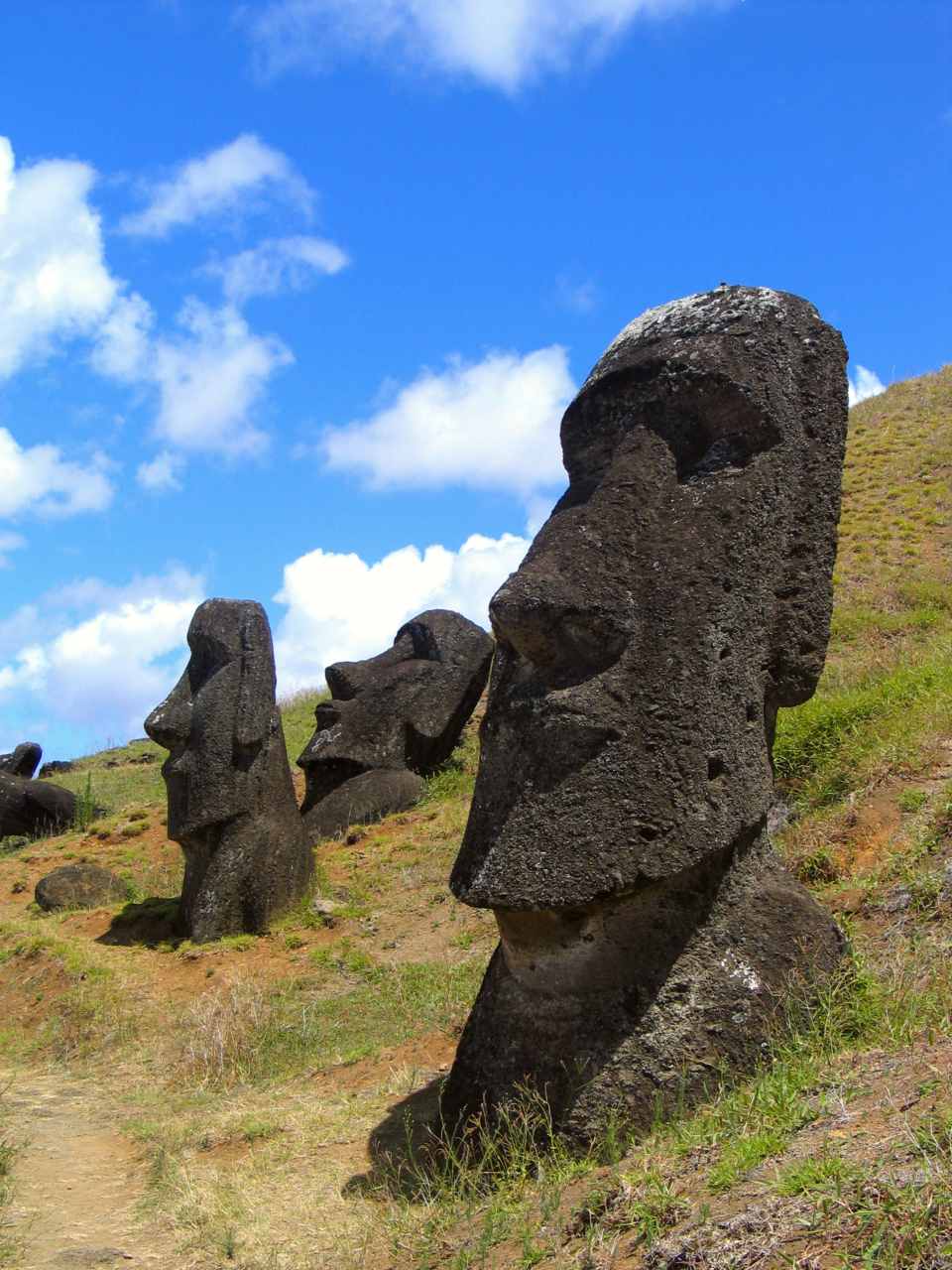
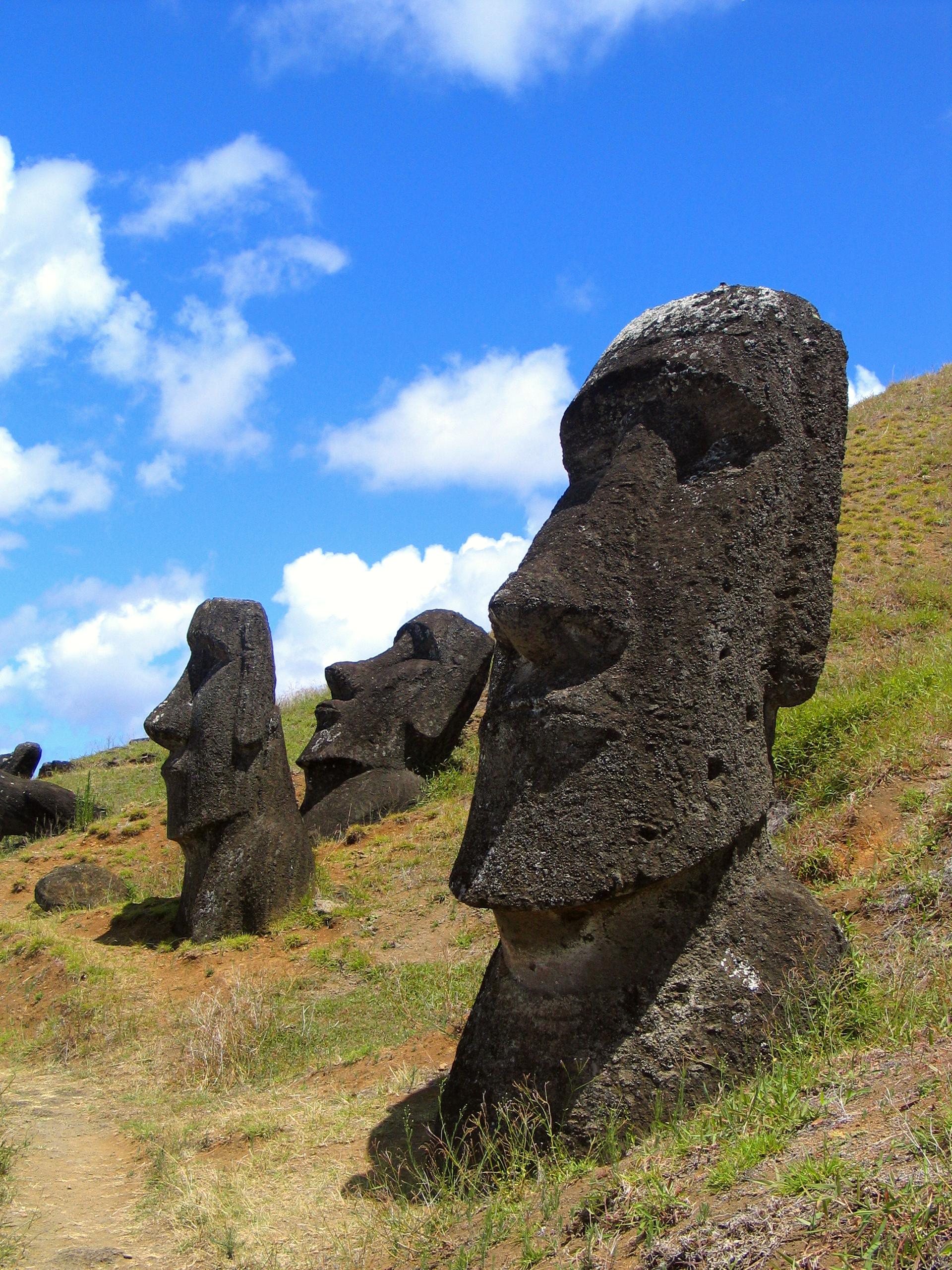
Rano Raraku is where they carved those famous moai statues. You can see almost 400 unfinished ones scattered around, each at different stages of being made. The place is filled with these huge stone figures, each one telling a bit of the island's history. Walking among them really makes you feel the past. Since it's a UNESCO World Heritage site, expect some crowds, especially during peak tourist season. Make sure to bring water and wear good shoes because the ground can be a bit rough. It's a humbling and awe-inspiring experience that shows you the artistry and dedication of the Rapa Nui people.
Taste the local sweet potato
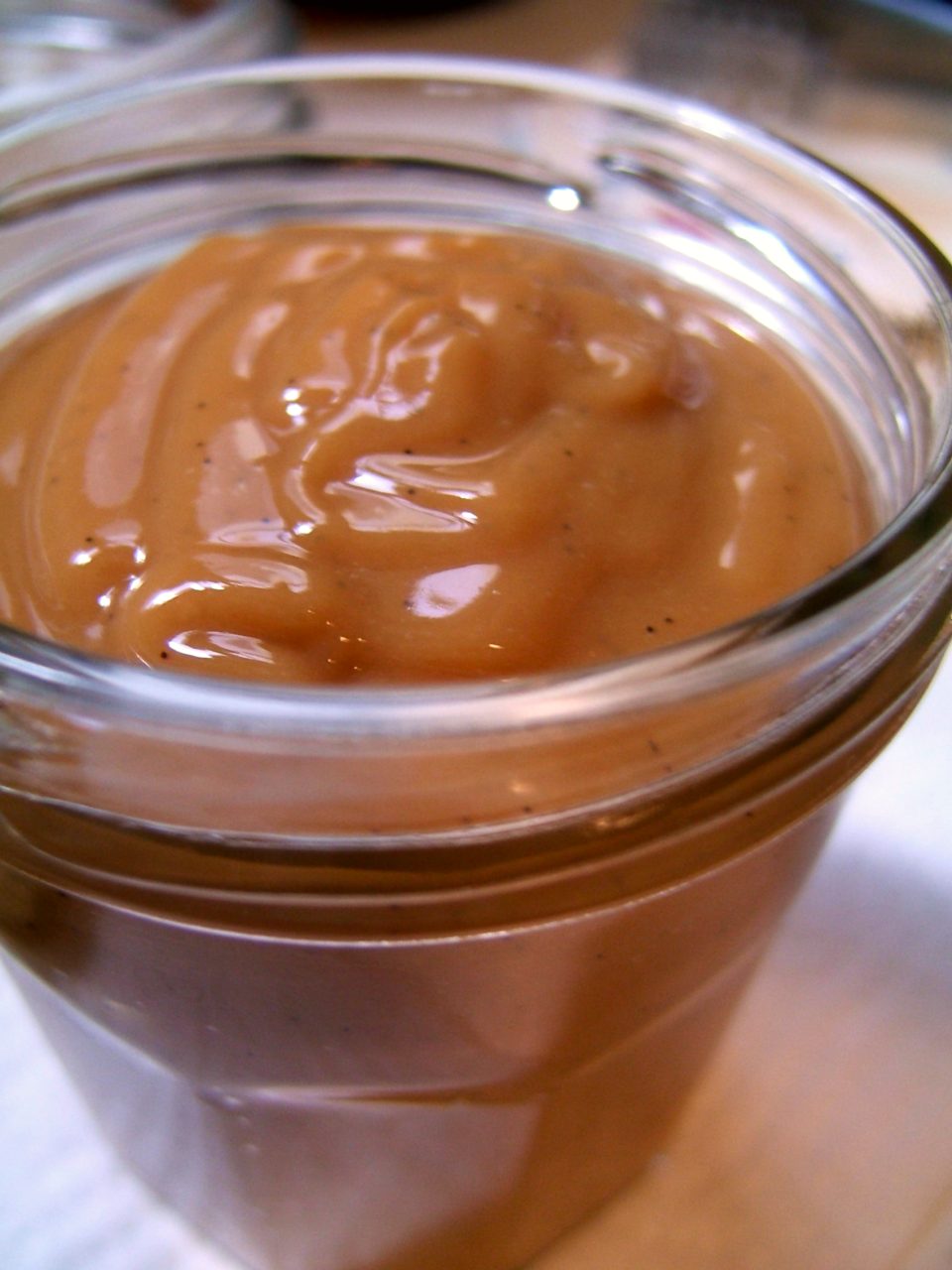
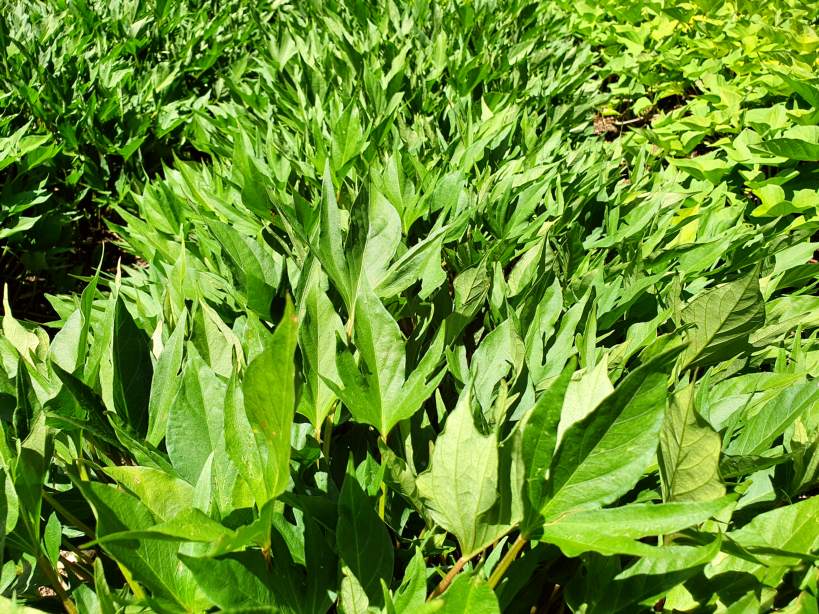
The sweet potato, or kumara, is a big part of Rapa Nui food. You’ll often find it served with fish or in traditional dishes like curanto. Check out local markets or small eateries where they prepare it simply to let its natural sweetness shine through. Prices are pretty reasonable, with a meal costing around 10,000 to 15,000 Chilean pesos. Trying this dish connects you to the island's farming roots and the flavors of the Pacific. Don’t miss out, especially when it’s freshly harvested.
Sunset at Ahu Tongariki
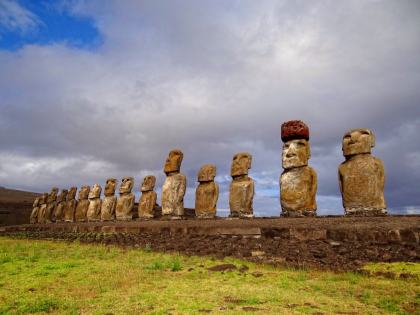
Ahu Tongariki is the biggest ahu (ceremonial platform) on Easter Island, with 15 moai statues looking out at the ocean. Watching the sunset here is something you won’t forget, as the sky turns beautiful shades of orange and pink. Get there early to grab a good spot since it can get busy during sunset. You can drive or bike there, but watch out for the bumpy roads. Bring a blanket and some snacks to enjoy while you soak in the view. It’s a peaceful vibe, and seeing the moai against the sunset is a perfect way to wrap up your day.