Cali's vibrant street art scene
Cali's streets are alive with color, thanks to the many murals that tell stories of the city's history and culture. Walking through neighborhoods like San Antonio, you can see artists at work, transforming blank walls into canvases. The murals often depict local legends or celebrate the city's rich salsa heritage. Take a moment to appreciate the creativity and passion that goes into each piece. This outdoor gallery invites you to explore and connect with the community, making it a perfect backdrop for photos or simply soaking in the local vibe.
A glimpse into Cali's history
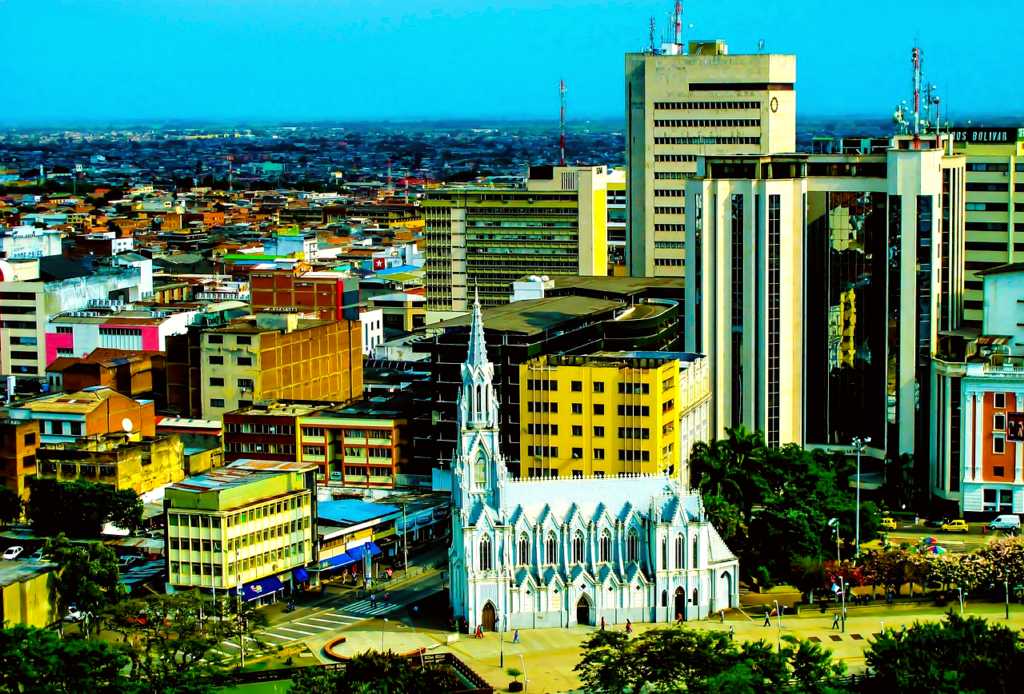
The Iglesia de San Antonio stands proudly on a hill, offering a view of the city below. This historic church, built in the 18th century, is a favorite spot for both locals and visitors. Its whitewashed walls and wooden beams reflect the colonial architecture that characterizes much of Cali. The surrounding park is a gathering place for families and street vendors selling snacks. Visiting during the late afternoon allows you to enjoy the sunset while listening to the sounds of live music from nearby cafes, creating a serene atmosphere steeped in history.
A playful symbol of Cali
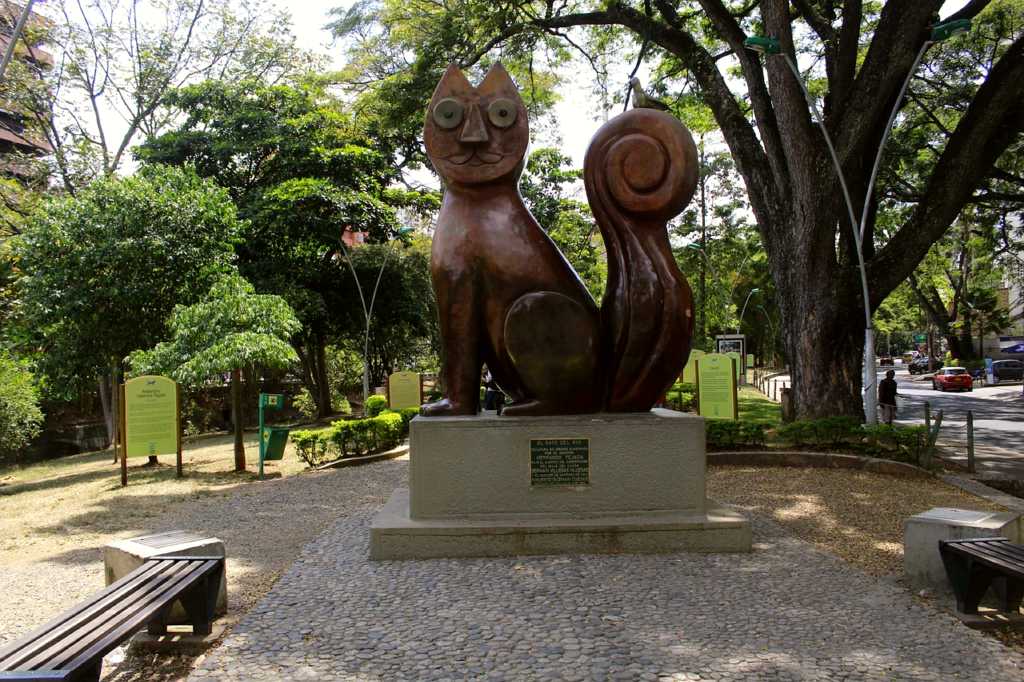
El Gato del Río is more than just a sculpture; it is a beloved symbol of Cali. Located along the river, this large cat statue captures the playful spirit of the city. Created by artist Hernando Tejada, the sculpture is adorned with colorful tiles and has become a popular spot for photos. Locals often gather here to relax, enjoy the river views, and share stories. The surrounding area features walking paths and benches, making it a great place to unwind after exploring the city. Don't forget to take a moment to appreciate the creativity that brings this playful feline to life.