search
search
add New trip
Colombia
CO calendar_monthNov–Maybest time schedule10 daysplan for child_careYeswith kids flagBogotácapital $Colombian Pesocurrency translateSpanishlanguage
ColombiaYour own route Plan a trip here →

Colombia is a vibrant country known for its diverse landscapes, rich culture, and warm people. From the bustling streets of Bogotá to the serene beaches of the Caribbean coast, it offers a unique blend of urban and natural experiences that cater to all types of travelers.

In pictures

Cabo San Juan in Tayrona National Park
Tourism Police, a unit of the Colombian National Police deployed to tourist areas to improve security. Here in the town of Villa de Leyva.
El Dorado International Airport of Bogotá
Medellín Metro
Medellín Metro
Colombia
Colombia
Map of Colombia
Map of Colombia
Colombia

Sightseeing

Cartagena: a historic coastal city with colonial architecture
Medellín: known for its innovation and vibrant nightlife
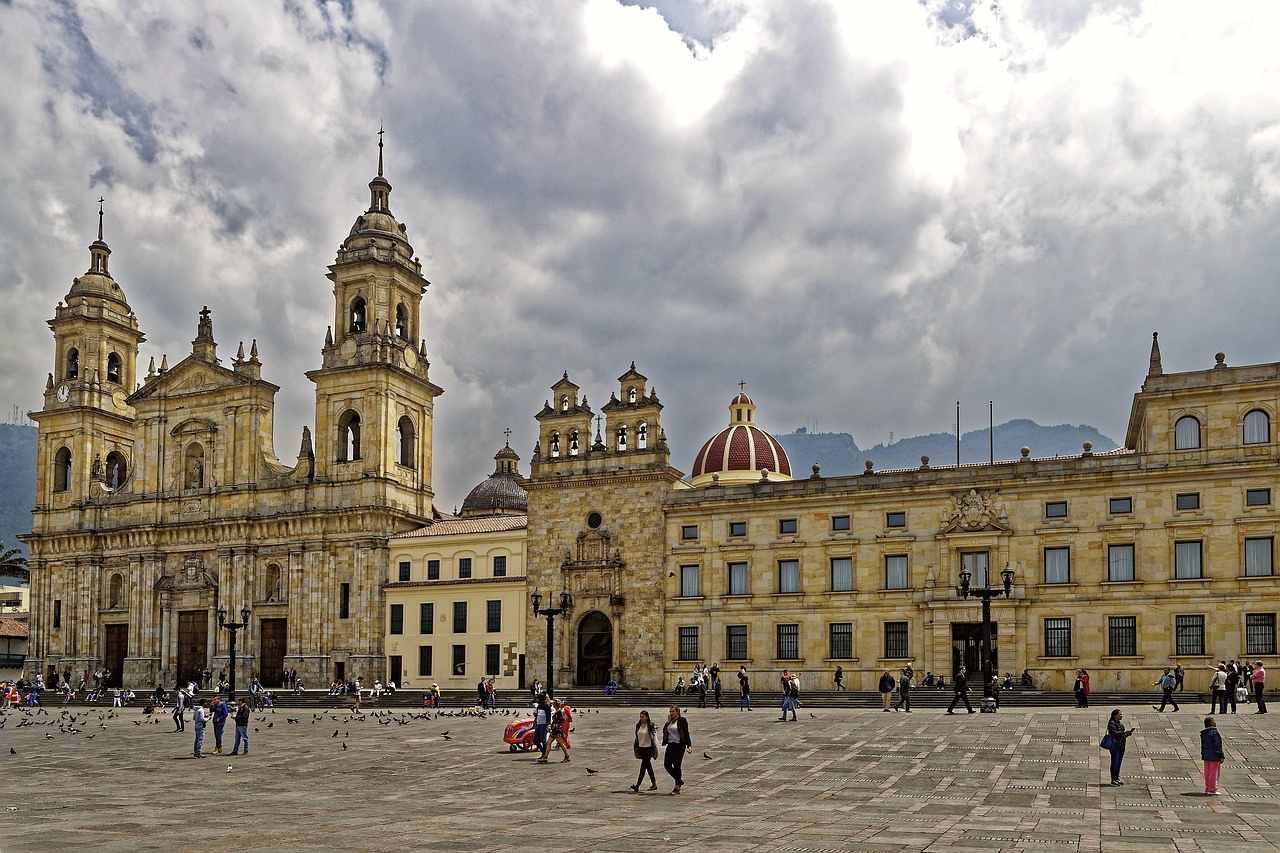
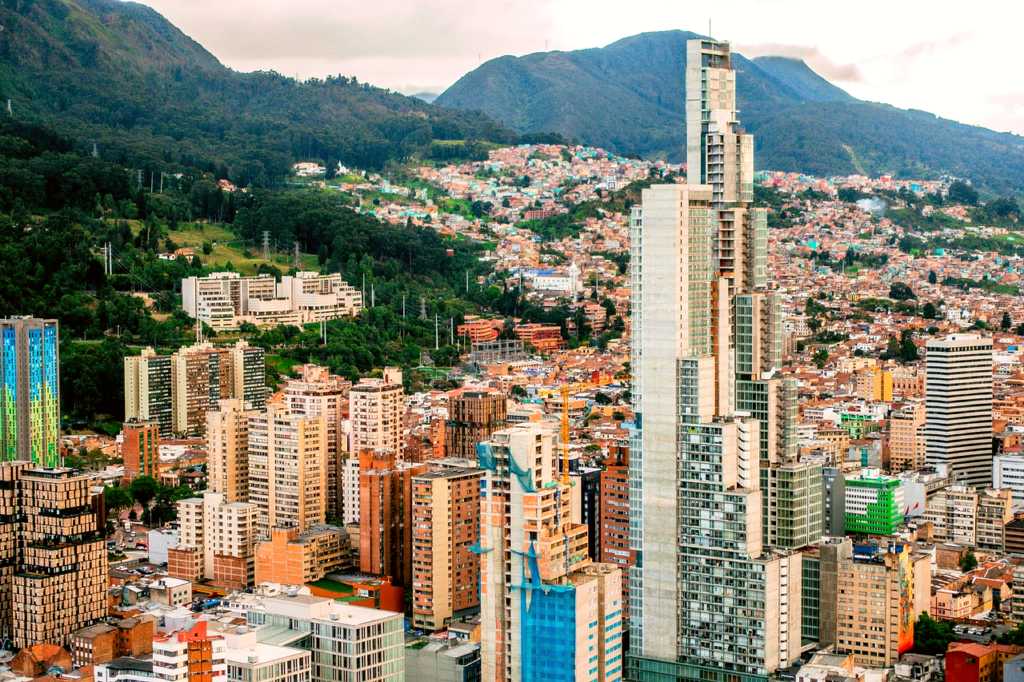
Bogotá: the capital city with rich museums and parks
Tayrona National Park: stunning beaches and lush jungles
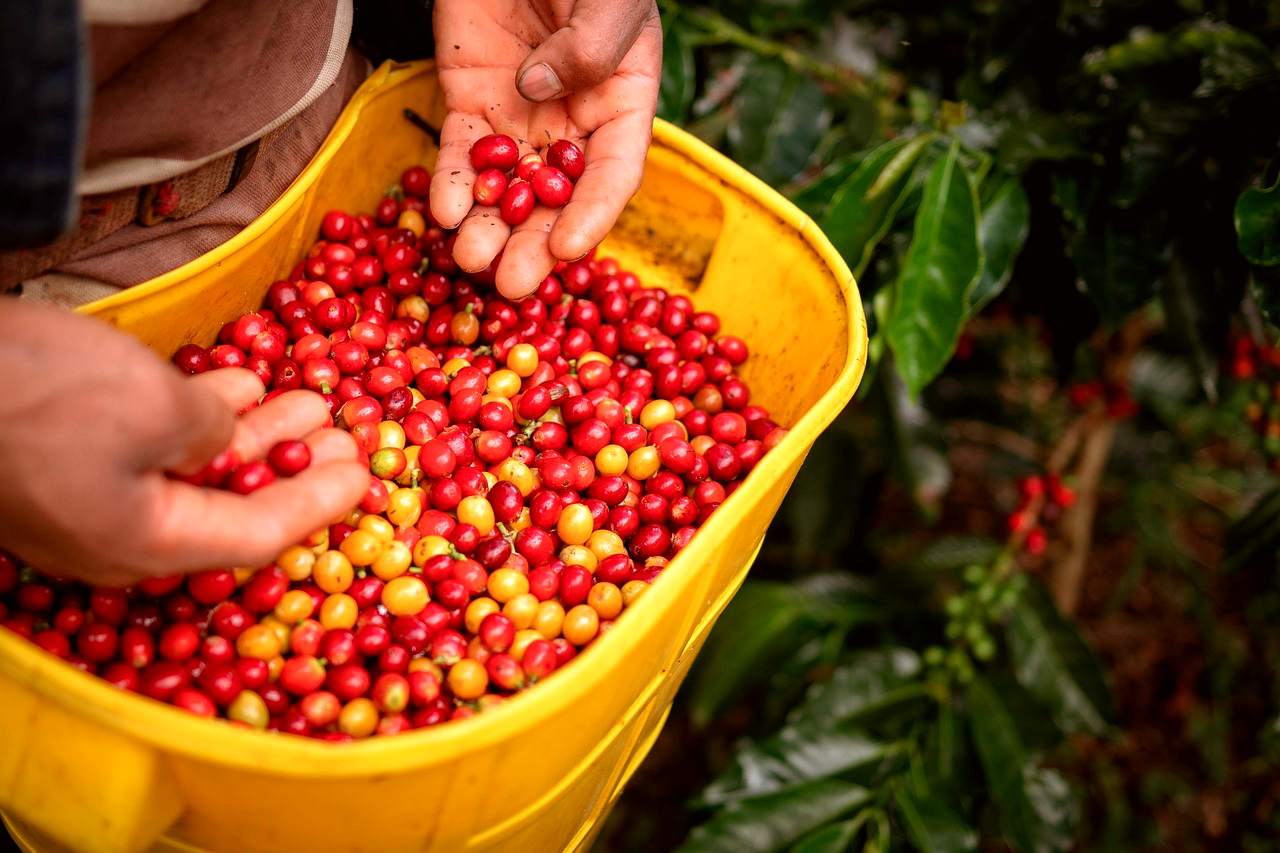
Coffee Region: picturesque landscapes and coffee farms
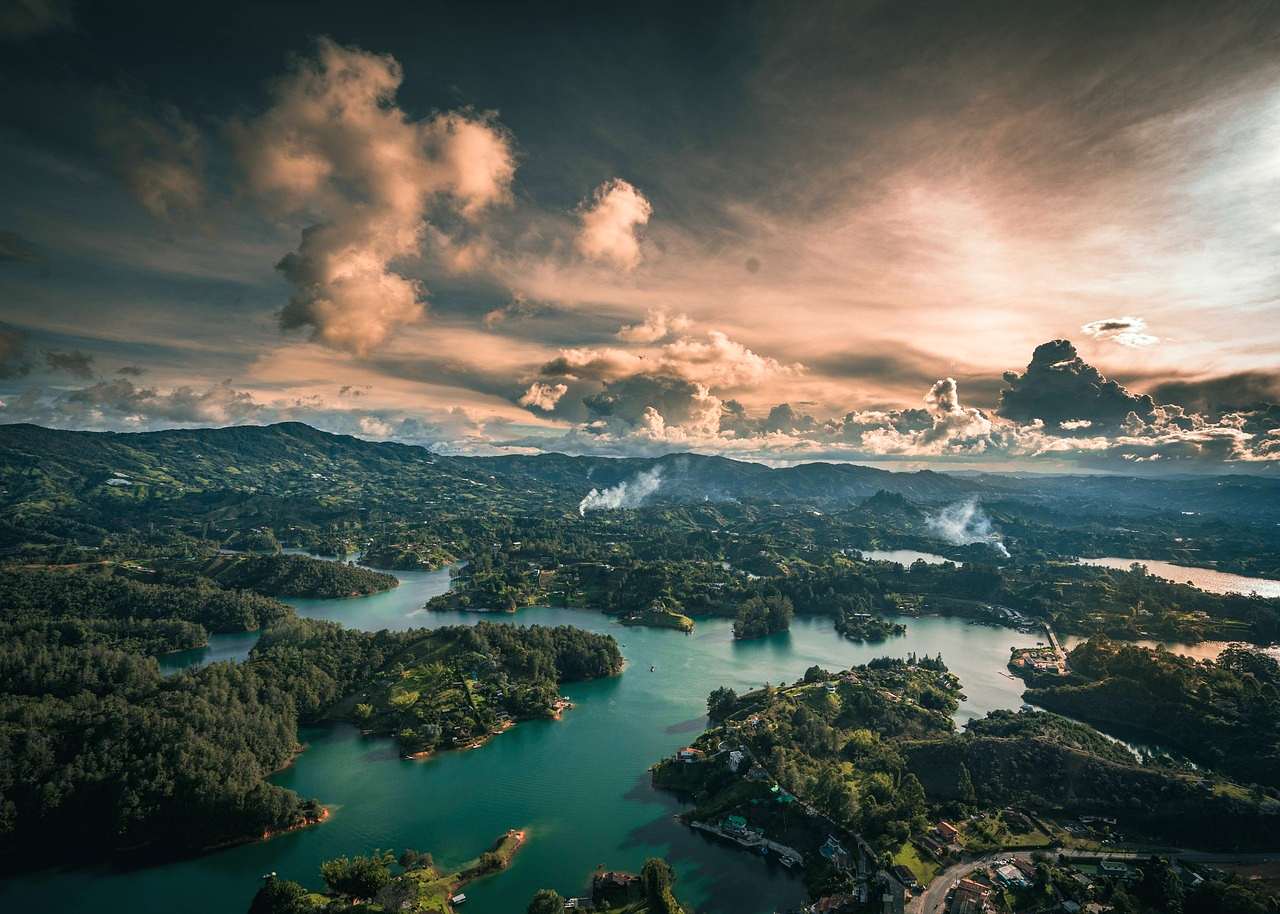
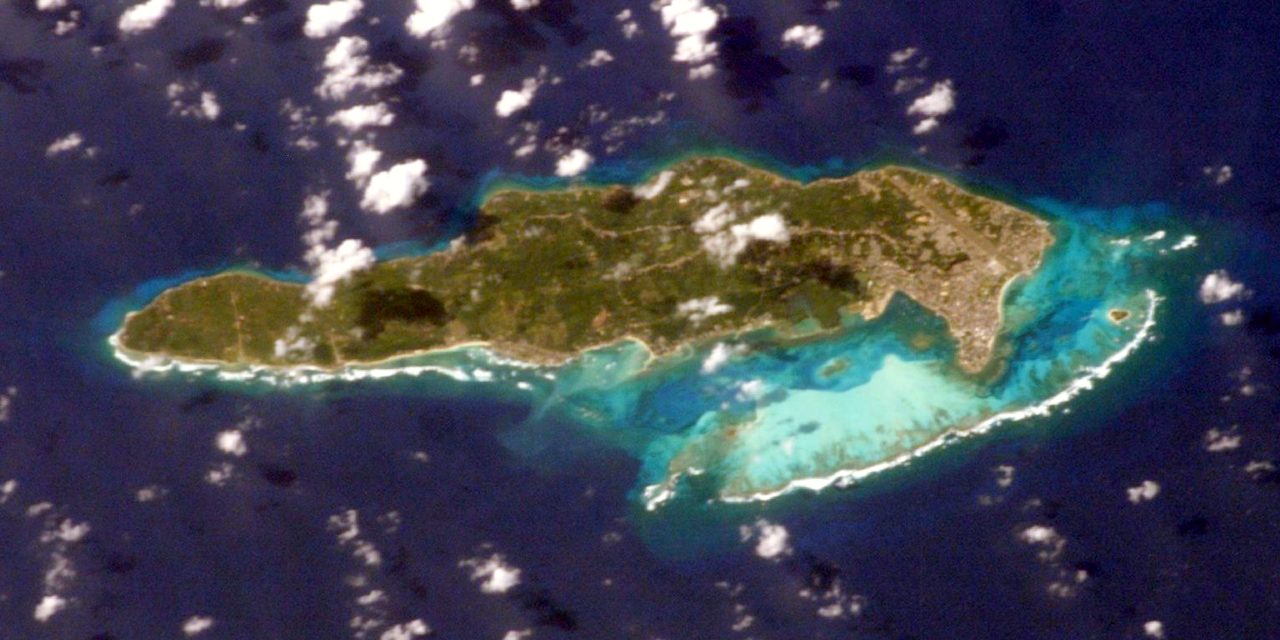
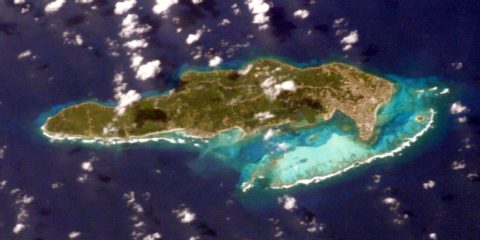
San Andrés: a Caribbean island with crystal-clear waters
Villa de Leyva: a charming colonial town with cobblestone streets
Caño Cristales: a river known for its colorful aquatic plants

"Discover the heart of South America"Colombia

Things to do

Explore the Amazon rainforest: immerse in nature and wildlife
Take a coffee tour: learn about coffee production in the Coffee Region
Visit local markets: experience Colombian culture and cuisine
Attend a salsa class: dance the night away in Cali
Hike to Ciudad Perdida: trek to ancient ruins in the Sierra Nevada
Local food and drinks - Colombia

Local food and drinks

Arepas: cornmeal cakes, enjoyed throughout Colombia
Bandeja Paisa: a hearty platter from the Antioquia region
Ajiaco: a chicken and potato soup, perfect in Bogotá
Sancocho: a traditional stew, often served on Sundays
Café: Colombian coffee, best enjoyed fresh in coffee regions
Lulada: a refreshing drink made from lulo fruit, popular in Cali
Local traditions - Colombia

Local traditions

Carnaval de Barranquilla: a vibrant festival with parades and music
Semana Santa: Holy Week celebrations with processions
Feria de las Flores: a flower festival in Medellín
Día de los Muertos: honoring deceased loved ones with altars
Fiesta de San Pedro: a celebration of local culture in the Caribbean coast

Do's and don'ts

Learn basic Spanish phrases to enhance communication
Try local foods and street snacks for authentic experiences
Respect local customs and traditions during festivals
Engage with locals to gain insights into their culture
Bargain politely in markets to get fair prices
Don't assume all areas are safe; research before visiting
Don't take photos of people without permission
Don't discuss sensitive topics like politics or drug trade
Don't drink tap water; opt for bottled water instead
Don't rush through your travels; take time to enjoy the culture
Explore Tayrona's natural beauty

Explore Tayrona's natural beauty

Cabo San Juan in Tayrona National Park is a striking blend of golden sands and lush greenery. The park is home to diverse wildlife and offers hiking trails that lead to breathtaking views of the Caribbean Sea. Be prepared for a bit of a trek to reach the beach, but the reward is worth it. The area can get crowded, especially during weekends and holidays, so visiting during the week might offer a more peaceful experience. Remember to bring enough water and snacks, as amenities are limited.

Step back in time in Villa de Leyva

Step back in time in Villa de Leyva

Villa de Leyva is a colonial town that feels like a step back in time. Its cobblestone streets and whitewashed buildings create a charming atmosphere. The main square, Plaza Mayor, is one of the largest in South America and hosts various events throughout the year. While the town is picturesque, it can be quite touristy, especially during festivals. Consider visiting during the off-peak season for a quieter experience. Don't miss trying the local arepas and the unique desserts made from local fruits.

Sip coffee in Chinchiná

Sip coffee in Chinchiná

Chinchiná is known for its coffee plantations, where you can learn about the coffee-making process from bean to cup. Many farms offer tours that include tastings of freshly brewed coffee. The lush green hills surrounding the town provide a beautiful backdrop for your visit. However, be aware that some tours can be touristy and may not reflect the authentic experience. Look for smaller, family-run farms for a more genuine insight into Colombia's coffee culture. The best time to visit is during the harvest season from October to March.

info_outlinePracticalexpand_more
Population: 51.000.000
Best time: December to March

About Colombia

However, Colombia's charm comes with challenges. While many areas are safe and welcoming, some regions still experience crime and safety concerns. It's essential to stay informed and exercise caution, especially in less touristy areas.

Basic information

Capital: Bogotá
Language: Spanish
Currency: Colombian Peso
Best time to visit: December to March

Travel information

Fly into major cities like Bogotá or Medellín for international access. Domestic flights are available to places like Cartagena and Cali, while buses connect smaller towns. Public transport is available but can be crowded, especially during rush hours. Credit cards are widely accepted in urban areas, but carry cash for markets or rural shops, where vendors may not accept cards. Mobile connectivity is good in urban areas, but expect limited service in remote regions like the Amazon.

Things to know

Be cautious in certain neighborhoods, especially at night.
Areas like El Centro in Bogotá can be risky after dark.
Avoid displaying valuables to reduce the risk of theft.
Check local advisories for safety updates in specific areas, as conditions can change.
Respect local customs and dress modestly in rural areas, particularly when visiting indigenous communities.
Understand that public transport can be unpredictable, with delays common on bus routes.
history_eduHistoryexpand_more
History - Colombia

Colombia's history is marked by indigenous cultures, Spanish colonization, and a struggle for independence. The country was home to advanced civilizations like the Muisca and Tairona before the arrival of the Spanish in the 16th century, leading to significant cultural changes and conflicts.

After gaining independence in 1810, Colombia faced internal strife, including civil wars and drug-related violence in the late 20th century. Today, the country is on a path of recovery, embracing its rich heritage while addressing modern challenges.

Photo: Wikipedia / Wikimedia Commons