search
search
add New trip
CO calendar_monthMay–Sepbest time schedule5 daysplan for child_careYeswith kids
QuindíoYour own route Plan a trip here →

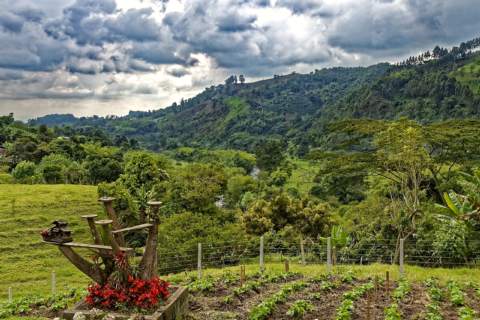
Quindío, located in the heart of Colombia's coffee region, offers lush landscapes and a rich coffee culture. Travelers can explore coffee farms, hike through the Cocora Valley, and enjoy the colorful architecture of Salento.

Read more

The region is also known for its friendly locals and vibrant markets. Visitors can immerse themselves in the coffee-making process and taste some of the finest brews in the world, all while enjoying the stunning views of the Andes mountains.

Sightseeing

Cocora Valley: known for its tall wax palms, some reaching over 60 meters
Salento: a town with brightly painted buildings and artisan shops
Coffee Cultural Landscape: recognized as a UNESCO World Heritage site for its coffee-growing traditions
National Coffee Park: features interactive exhibits about coffee production and tasting experiences
Quindío Botanical Garden: home to over 600 plant species and several walking trails
Panaca: an agricultural theme park with farm animals and interactive shows
Armenia: the capital city, offering museums and cultural events
Café del Parque: a local coffee shop serving brews made from nearby coffee farms

"Experience Colombia's Coffee Heartland"Quindío

Local food and drinks

Bandeja Paisa: a hearty platter with beans, rice, and meat
Arepas: corn cakes often filled with cheese or meats
Sancocho: a traditional soup made with chicken or fish
Tinto: a small cup of black coffee, served everywhere
Aguapanela: a sweet drink made from panela and water

Local traditions

Fiesta del Yipao: a celebration of local culture and coffee
Festival del Oro: showcases the region's gold mining history
Semana Santa: Holy Week celebrations with processions
Día de la Raza: a day to celebrate cultural diversity

Practical

At a glance

Best time
December to March
history_eduHistoryexpand_more

Quindío was originally inhabited by indigenous groups such as the Quimbaya. The region became significant during the Spanish colonization in the 16th century, primarily for its agricultural potential.

In the 19th century, coffee cultivation began to flourish, leading to economic growth. Today, Quindío is recognized for its coffee production and is a key part of Colombia's coffee heritage.